No woman should have to prove she deserves to be believed.
🟠 Stop questioning survivors. Start questioning the systems that fail them.
There’s #NoExcuse for letting abusers walk free.
Why so few survivors see justice: https://t.co/Toh0cgNmwF
#16Days#ForAllWomenAndGirls
Looking to stay in the loop? Our newsletter brings you updates on our work and what's happening in the fight against human trafficking across Canada.
Sign up: Linktree or https://t.co/gDLn1H7e8Y
The most dangerous place for a woman shouldn't be her own home.
Femicide is often the final act in a pattern of violence that could have been stopped.
This #16Days, the world can choose differently.
There's #NoExcuse.
🔗 See the full picture: https://t.co/oEUDGZLIBJ
Abuse isn’t always physical; recognizing other signs of intimate partner violence is important.
Examples may include:
◾ coercive control
◾ intimidation
◾ monitoring
◾ isolation
◾ financial abuse
◾ threats
If you or anyone you know is experiencing intimate partner violence and requires assistance, please contact police.
🟣 For more information and to access resources, visit https://t.co/CPJl8SR9dn.
70 participants from Q’eqchi’ and Garifuna communities in Izabal, Guatemala, learned to recognize and report forced labor. Now they are sharing that knowledge at home, with survivors helping lead the way.
https://t.co/jvIE0BmCeZ
#EndModernSlavery#endhumantrafficking
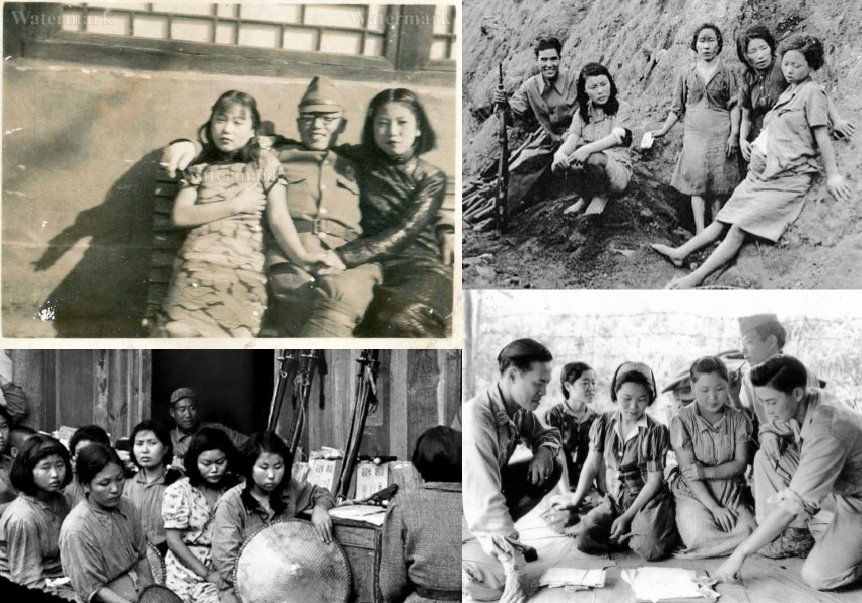
"Comfort women" is a euphemism used during World War II for tens of thousands and by many estimates up to 200,000 or more—of women and girls forced into sexual slavery by the Imperial Japanese military between 1932 and 1945. Held in military-run or military-regulated brothels known as "comfort stations" across Japanese-occupied territories, the victims came largely from Korea and China, as well as Taiwan, the Philippines, Indonesia, Malaysia, Burma, Japan, and other areas...
Military comfort stations began around 1932 and expanded sharply after atrocities such as the 1937 Rape of Nanking. Military leaders claimed the stations would boost troop morale, curb sexually transmitted diseases, and reduce random assaults and international criticism. While some women were trafficked through existing commercial networks early on, many were abducted or lured with false promises of jobs as factory workers, waitresses, or nurses. Women were confined to comfort stations, subjected to strict schedules and repeated sexual violence, monitored for disease, and rarely allowed to leave without permission.
. . .
During Japan’s war in China and across Asia, women and girls were placed in a system of military sexual slavery created for Japanese troops. Some were deceived. Others were abducted or taken through coercion and violence. Chinese women were among its victims.
Photographs from that world can be unsettling precisely because they often look so ordinary.
A soldier stands beside women. People look toward a camera. There may be no battlefield, no visible wound, nothing in the frame that immediately announces what existed beyond it.
But survivor testimony tells another story.
Chinese women later described being taken from their homes, confined in military “comfort stations,” beaten and repeatedly sexually assaulted. Some were still teenagers. One survivor, Li Xiumei, testified that she was 15 when Japanese soldiers seized her from her home. She said her mother later died by suicide while Li remained captive. Li survived with lasting injuries.
For many women, surviving the war did not end the suffering.
Some returned carrying physical injuries, infertility, trauma and the stigma attached not to the men who had abused them, but to the women who had been abused. Many victims died from disease, violence, suicide, or wartime combat. Survivors—including women enslaved as children or young teenagers, such as Narcisa Claveria in the Philippines and Peng Zhuying in China—endured lasting physical and psychological trauma.
For decades after the war, many survivors hid their pasts due to shame, fear, and social stigma in their home communities. Public testimonies beginning in the early 1990s brought global attention to the issue. While Japan issued official statements and agreements—such as the 1993 Kono Statement and a 2015 bilateral arrangement with South Korea—disputes over historical responsibility, apologies, reparations, and textbooks continue to affect regional diplomacy and advocacy.
That is what makes photographs associated with the “comfort women” system so difficult to look at.
We see a few seconds preserved by a camera.
What the photograph cannot show is what happened before the shutter opened, what happened after it closed, or how many years some of these women carried those moments in silence.
And sometimes the most haunting thing about a historical photograph is not what we can see.
It is everything the people inside it survived that the camera could not record.
#archaeohistories
Deeply saddened by the passing of Phumzile Mlambo-Ngcuka, South Africa’s first woman Deputy President & former @UN_Women Chief.
A lifelong champion of the rights & empowerment of women & girls, Phumzile believed that gender equality is not a favour to be granted but a right to be claimed.
My deepest condolences to her loved ones, and to the women & girls everywhere whose lives she touched & changed.
Need help with housing, food, or other services in Ontario? Call or text 2-1-1, 24/7.
For support with abuse, AWHL is here 24/7: free, anonymous, confidential, in 200+ languages.
📞 1-866-863-0511 | TTY: 1-866-863-7868 | Text #SAFE (#7233)
#AWHL,
Sixty-three years ago, on Nov. 22, 1963, President John F. Kennedy was assassinated in Dallas, Texas. Today, his legacy of service and sacrifice lives on at Arlington National Cemetery, where the Eternal Flame burns at his gravesite in Section 45.
A photograph of Veterans of the War of 1812 at the home of William B. Jarvis in Toronto in 1861. This is one of the first few photos ever taken in Toronto.
The Toronto Santa Claus Parade is the oldest Santa Claus parade in the world.
One of the world's largest annual parades, it all began in 1904 when Santa walked from Union Station to Eaton's in Toronto.
This is the story.
📸 CNW Group
🧵1/12
In 1980, Canada led a daring covert effort to save six American diplomats who evaded capture during the 1979 seizure of the U.S. embassy in Tehran. Canadian diplomats sheltered them for months, provided Canadian passports and false identities, and helped disguise them as a film crew for a fake movie called Argo. Working with the CIA, Canada got them safely out of Iran in the operation known as the Canadian Caper.
Silence enables violence.
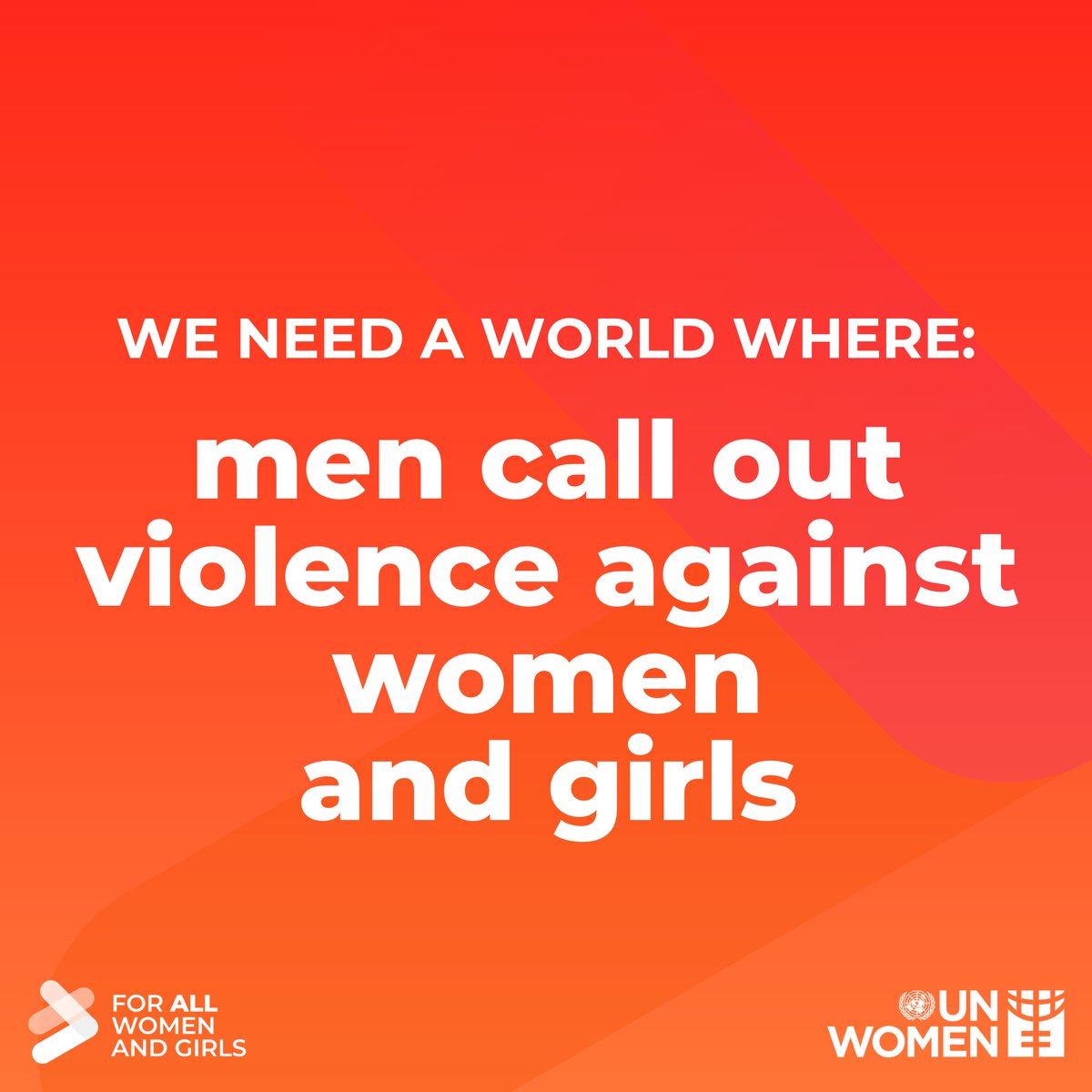
The jokes, the comments, the excuses: these are the attitudes that normalize violence against women and girls, and men have the power to change that.
There’s #NoExcuse to stay silent.
Not when the safety of women and girls is on the line.
Ontario has tools available for young people to learn what #humantrafficking is and how to get help.
“The Trap” is a digital education tool. It equips adults to teach high school-aged kids about the dangers of sex trafficking and how to get help.
https://t.co/zJnzS28w4A
As the giving season begins, consider supporting our work to end human trafficking in Canada.
Your donation helps us raise awareness, advocate for stronger policies and bring organizations together to prevent exploitation. Find out more at: https://t.co/TKIy0oQ0CO
Ontario’s anti-human trafficking strategy focuses on prevention and early intervention to protect people at risk and keep our communities safe.
During National Community Safety and Crime Prevention Month, take the opportunity to learn more:
https://t.co/R9i4xxF0cm