Strategic leader in global trade and business. Passionate about innovation, neuroscience, art, AI & the future. Global Affairs. Views my own. RT ≠ endorsement.
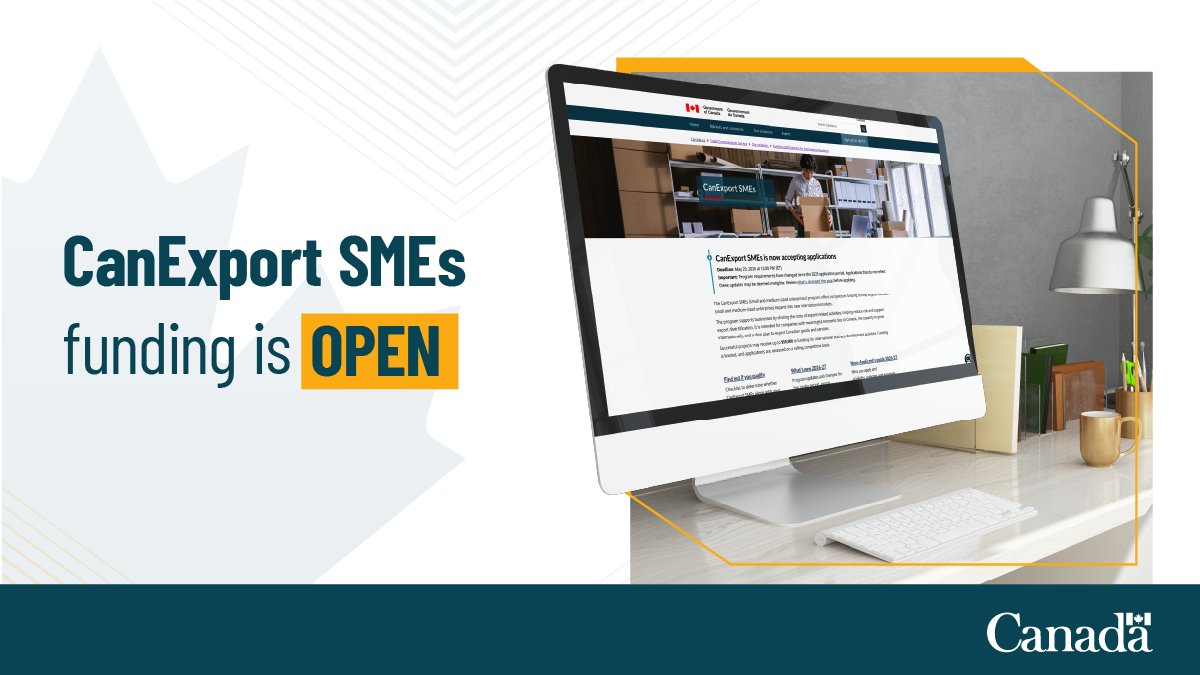
CanExport SMEs #funding is now open for applications.
We’ve made updates to better support #SMEs with the potential to diversify. Discover what’s new and if it’s right for your business: https://t.co/SE9acF4uTX
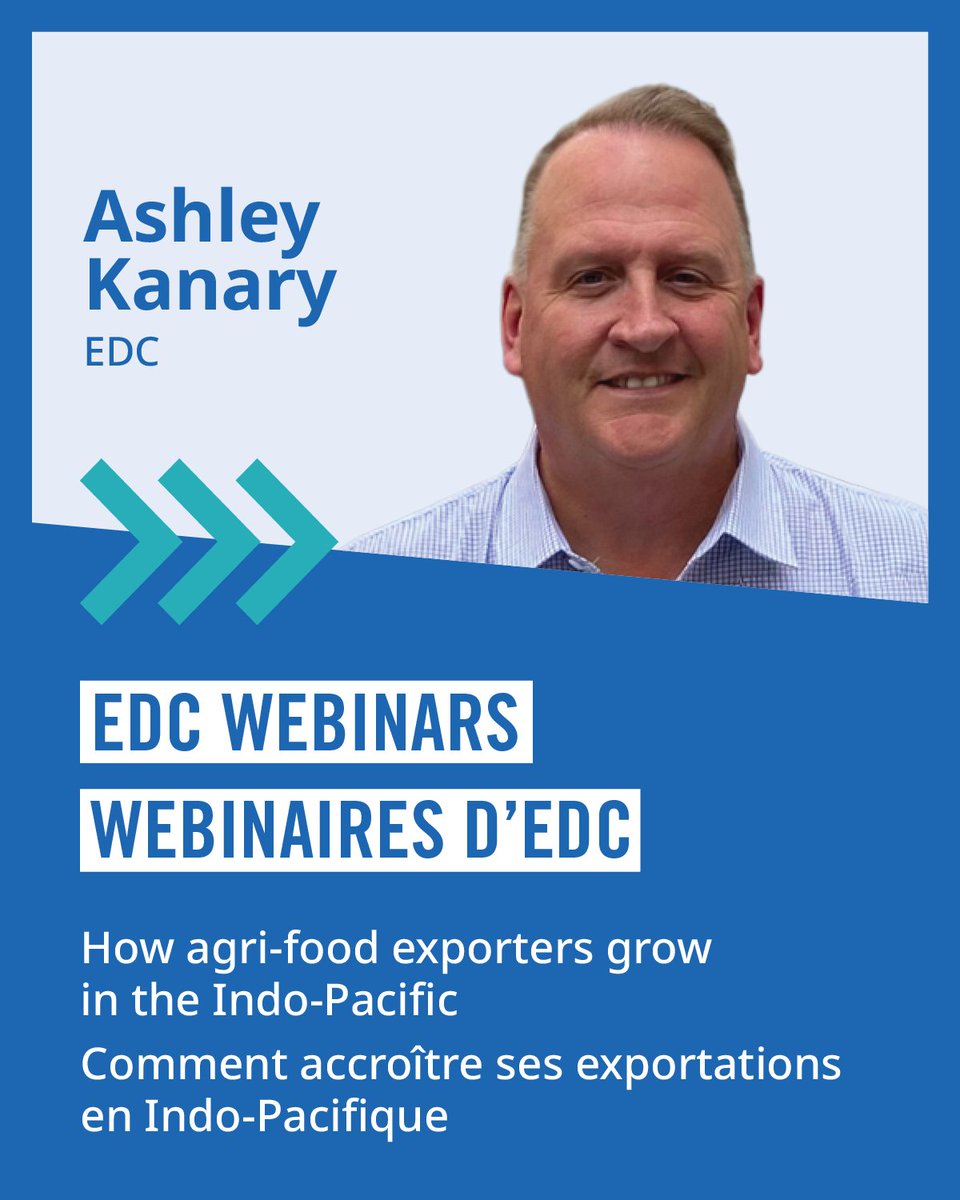
Canadian food & beverage exporters: Success in the Indo‑Pacific means thinking long‑term and navigating regulations, culture and diverse consumer tastes. Get expert insights at our upcoming webinar on Thursday, February 26 at 1 p.m. ET.
➡ https://t.co/MhQpD3wqDp
💼 Thanks to CanExport funding, eligible Canadian small and medium-sized enterprises can access up to $50K to support international business development and break into new markets.
Is the program a fit for your business? https://t.co/OECJb7F3Xy
"Don't be fooled. Everything has changed for the global economy." @Harvard Economics Professor @GitaGopinath on the state of the world in 2026 and how #geopolitics and #AI are major factors to watch, on the latest #RadioDavos.
Watch here: https://t.co/SfVoqipGdw
Listen here: https://t.co/z7SF3tf1hY
Or on any podcast app via this link: https://t.co/heuGS2VgiQ
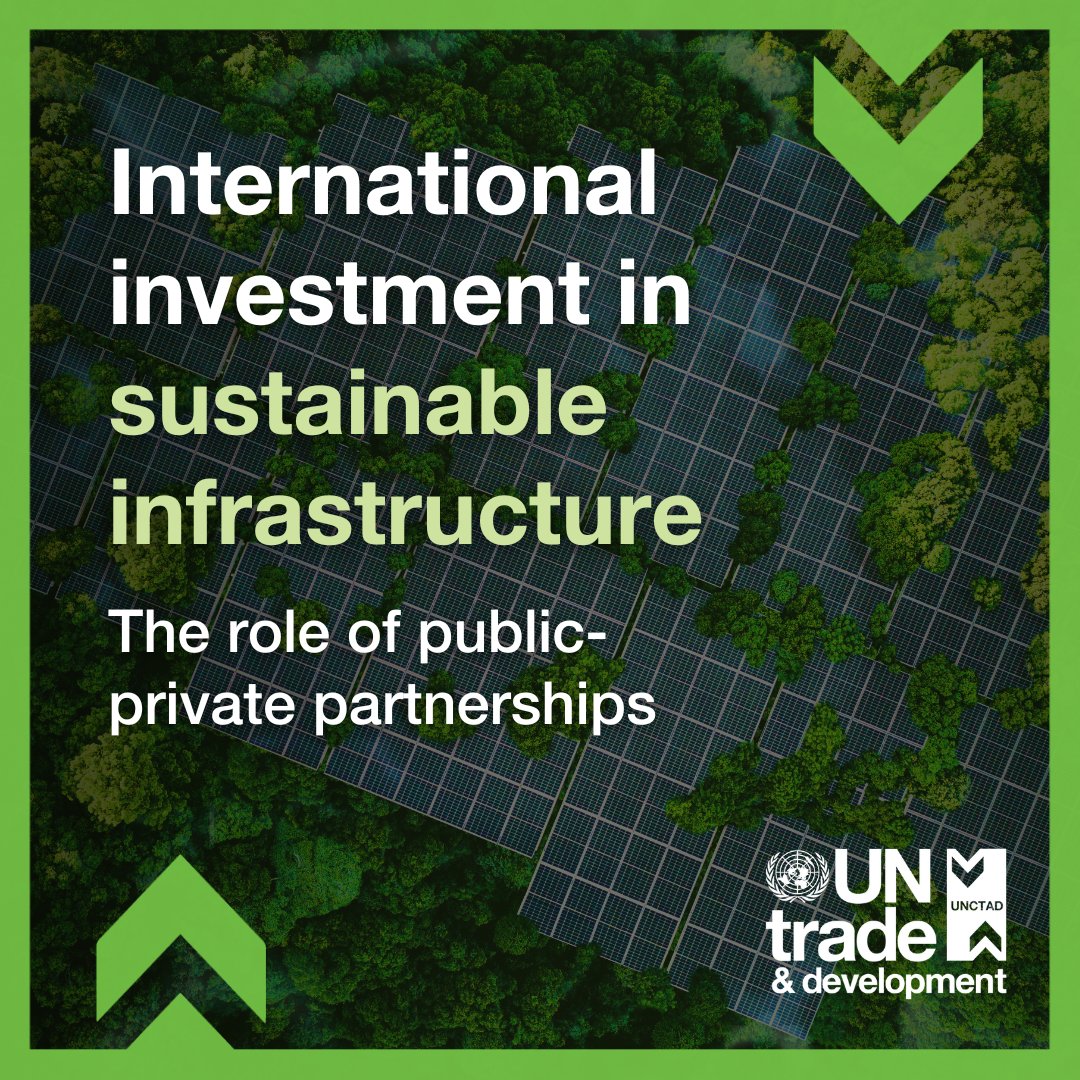
Many economically vulnerable nations face a $4.3T annual #SDG financing gap, mostly in infrastructure, with renewables alone requiring $2.2T yearly.
Read @UNCTAD’s full report to learn how private capital can support SDG‑aligned infrastructure.
▶️ https://t.co/FEXvhyBKO9
#SDGs
The world economy is expected to grow 2.7% in 2026 despite heightened uncertainty.
But resilience will depend less on headline numbers than on today’s policy choices shaping trade, finance and investment.
Analysis by leaders of @UNCTAD and @UNDESA: https://t.co/F8MjQKxDfa
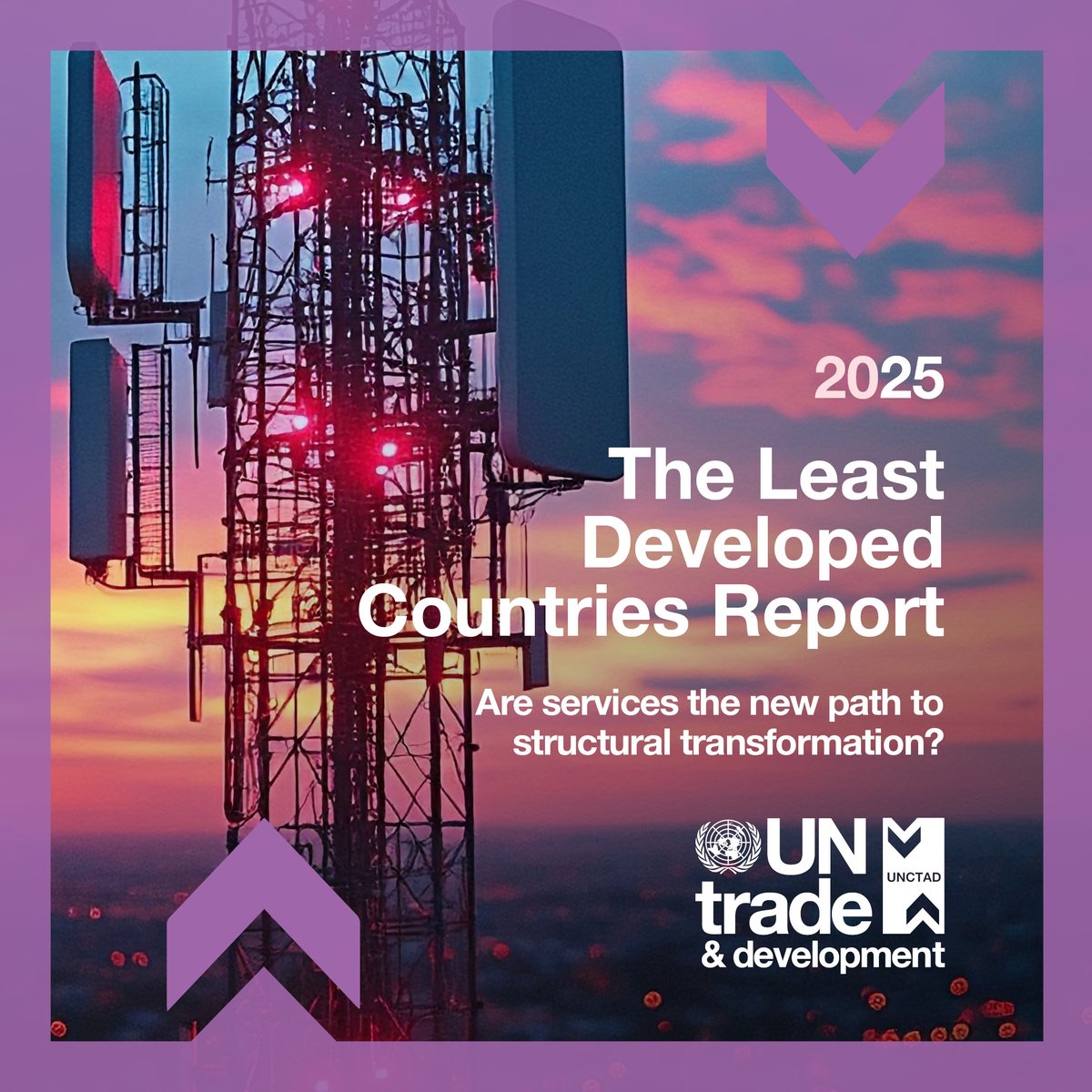
Tourism. Transport. Finance. Telecoms.
Services now make up around half of economic output in the average least developed country.
Can they transform economies in #LDCs & under what conditions?
Explore @UNCTAD’s Least Developed Countries Report 2025: https://t.co/WiSqHQkIF1
It’s important not to let our biases stand in the way of our objectivity. To get good results, we need to be analytical rather than emotional.
Whenever I observe something in nature that I (or mankind) think is wrong, I assume that I’m wrong and try to figure out why what nature is doing makes sense. That has taught me a lot. It has changed my thinking about 1) what’s good and what’s bad, 2) what my purpose in life is, and 3) what I should do when faced with my most important choices. To help explain why, I will give you a simple example.
When I went to Africa a number of years ago, I saw a pack of hyenas take down a young wildebeest. My reaction was visceral. I felt empathy for the wildebeest and thought that what I had witnessed was horrible. But was that because it was horrible or was it because I am biased to believe it’s horrible when it is actually wonderful? That got me thinking. Would the world be a better or worse place if what I’d seen hadn’t occurred? That perspective drove me to consider the secondand third-order consequences so that I could see that the world would be worse. I now realize that nature optimizes for the whole, not for the individual, but most people judge good and bad based only on how it affects them. What I had seen was the process of nature at work, which is much more effective at furthering the improvement of the whole than any process man has ever invented.
Most people call something bad if it is bad for them or bad for those they empathize with, ignoring the greater good. This tendency extends to groups: One religion will consider its beliefs good and another religion’s beliefs bad to such an extent that their members might kill each other in the mutual conviction that each is doing what’s right. Typically, people’s conflicting beliefs or conflicting interests make them unable to see things through another’s eyes. That’s not good and it doesn’t make sense. While I could understand people liking something that helps them and disliking things that hurt them, it doesn’t make sense to call something good or bad in an absolute sense based only on how it affects individuals. To do so would presume that what the individual wants is more important than the good of the whole. To me, nature seems to define good as what’s good for the whole and optimizes for it, which is preferable. #principleoftheday
Inclusive leadership is not about grand gestures. It’s about the everyday comments and interactions that make their organizations better places to work. https://t.co/MWsrCbwaK5
“Meaning is not going to knock on the door. It is like love — you have to keep looking for it, working at it, and you cannot take it for granted.” https://t.co/TjFskwFzeO
An organization that genuinely cares about the wellbeing of its employees should not only focus on supporting individuals but also examine its systems and processes.
We can't keep asking people to adapt to unworkable situations. Sometimes, the organization needs to change.
Stumbling is the only way to really learn — especially if you can appreciate the fact that missteps are an essential part of the process. https://t.co/uwHWShRmmw
People everywhere — not just Millennials — want to work for organizations whose missions resonate with them intellectually and emotionally. https://t.co/VLo7JIGxqA
Women’s Tears Chemical Diminish Male Aggression
A new study finds women's tears contain chemicals that reduce male aggression. This intriguing discovery expands our understanding of human emotional expression and its role in social behavior.
https://t.co/hFghvoAJgb
1/2