🚨 BIGGEST GIVEAWAY ALERT! 🚨
We're giving away the latest Apple iPad A16 (11th Gen).
To enter:
✅ Follow @DealBeeOfficial.
🔁 Repost (RT) this post.
👥 Tag atleast 2 friends in comments.
📝 Fill your X username in the Google Form (to ensure a fair winner selection): https://t.co/Da4U4m5gh4
Best of Luck! 💛
#DealBeeGiveAway
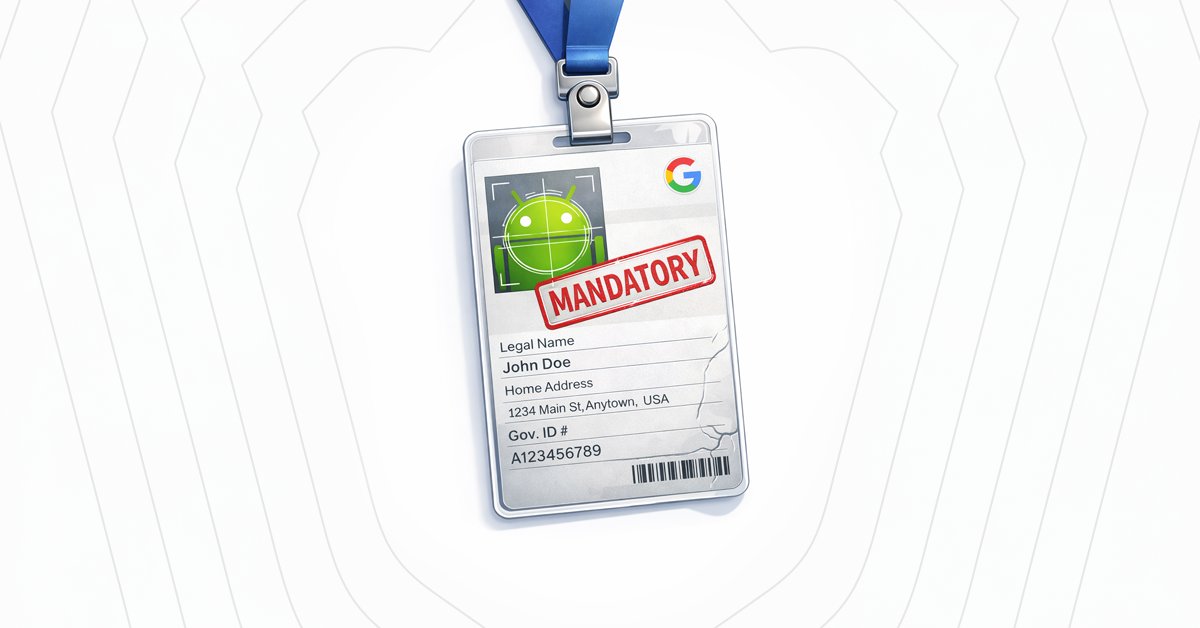
Keep Android open!
Brave is joining the EFF, the Tor Project and 40+ other organizations in opposing Google's proposed Android developer registry.
Here's why we're taking this stand...
I’m a Gujarati. Born and brought up in Chennai.
Tamil is the language I heard on the streets. In buses. In shops. In friendships. In daily life.
It shaped me as much as Gujarati did. So when this debate comes up, I don’t see it as North vs South. I see it as respect vs entitlement.
Yes, Hindi matters. If you want to do business with the North, work there, travel there of course it helps. I use it too. No insecurity about that.
But there’s a difference between learning a language
and forcing a language. Forcing never builds unity. It only builds resistance.
The South doesn’t have “one language”. It has many. Each with centuries of history, poetry, emotion, identity.
These languages won’t die in one generation. They’ll die slowly. When people stop valuing them. When children stop hearing them. When others refuse to learn them.
And that’s how cultures disappear.
If I choose to live in Tamil Nadu,
do business here, build my life here… then learning Tamil isn’t “adjustment”.
It’s gratitude. It’s saying….This place gave me opportunity. I’ll give it respect.
India was never meant to sound the same everywhere.
Our power is in our accents.
Our scripts. Our stories.
Many languages. One country.
That’s civilisation.
Tamil Sangam texts recount lost cities like Thenmadurai, submerged around 9600 BC, which align with carbon-dating of the 2nd of 3 great global floods. Tamil maritime hubs traded mainly with Southeast Asia, but also west.
The Mahabharata’s drowned city, Dvarka, found in 2012 was also active before the 2nd flood event, finally drowned in the final flood about 5600 BC. Nineteenth century western narratives dismissed these as myths.
Sonar evidence, Vedic literature and Tamil epics confirm India’s ancient urban and maritime supremacy, a legacy of global influence long ignored by prejudiced scholars.