Price isn't random. It's designed to trap you.
Here's the exact model institutions use and how to trade WITH them, not against them.
Read this before your next trade. It'll change how you see price forever.
A Thread🧵
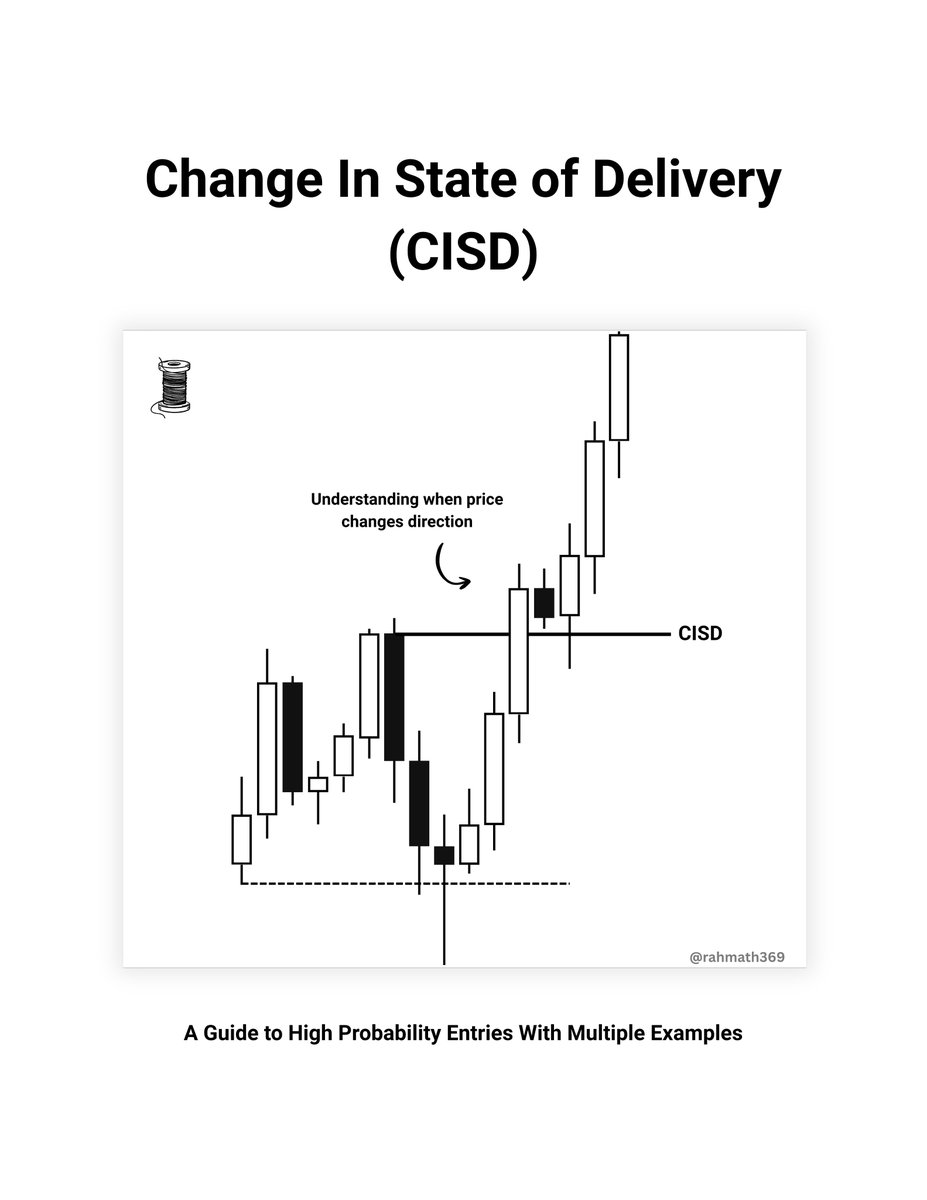
ICT Change in State of Delivery — CISD.
One of the most useful concepts for understanding when price delivery shifts from one side to the other.
A Thread 🧵
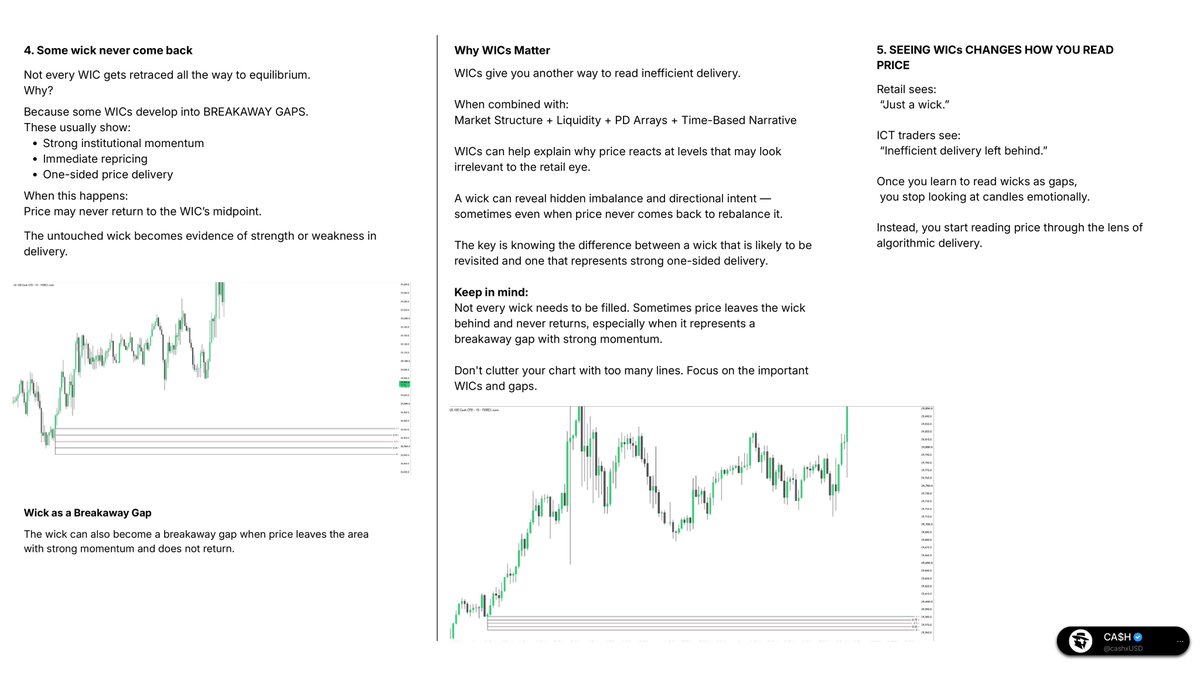
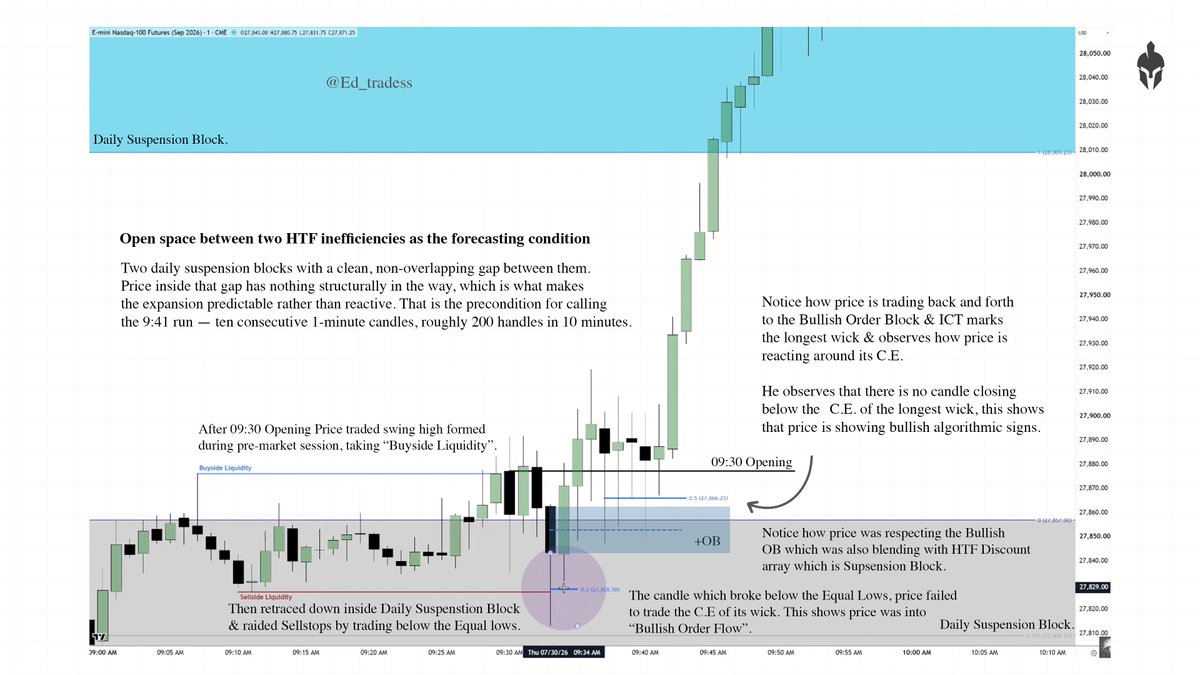
WICs Explained | The Theory Behind Wicks.
ICT treats certain wicks as gaps within the algorithm — areas of inefficient price delivery.
Here’s how WICs form, what they reveal, and how you can use them to understand where price may deliver next.
Once you understand the wick, the candle starts telling a different story.
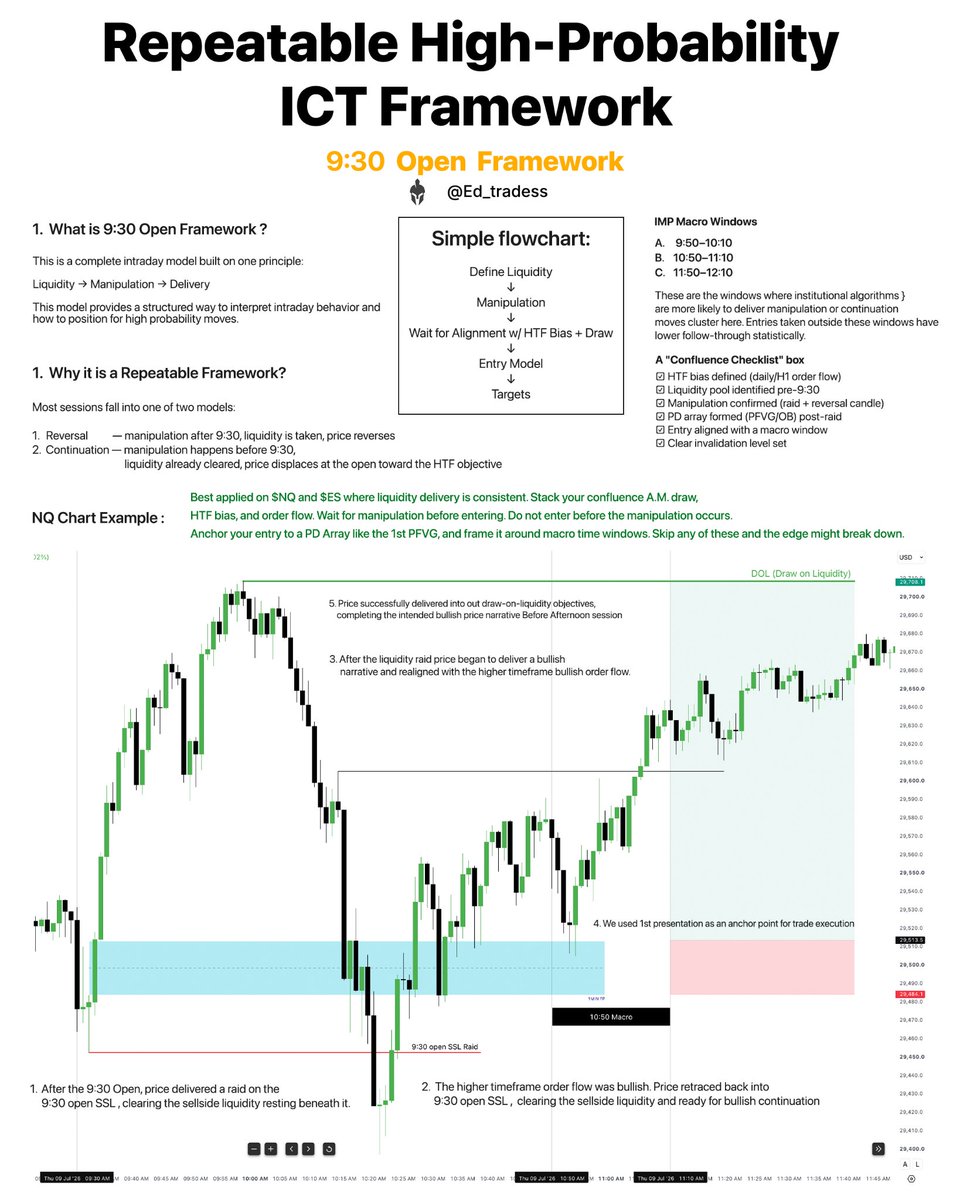
A Complete Guide to ICT's Opening Ranges💡
I Spent Months Studying ICT's Opening Ranges. Here's Everything I Learned.
20+ Pages | Master 5 Different Opening Ranges.
A Thread 🧵
For those who want to see more annotated charts, I think these four are among the best ones I’ve made so far :
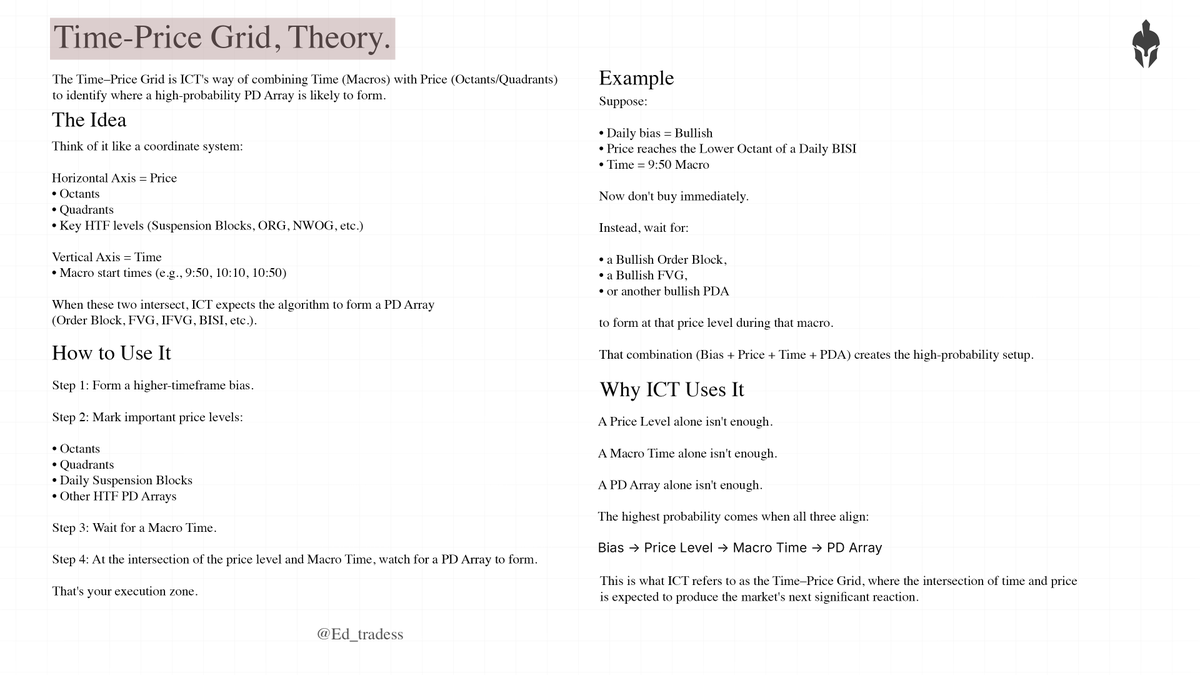
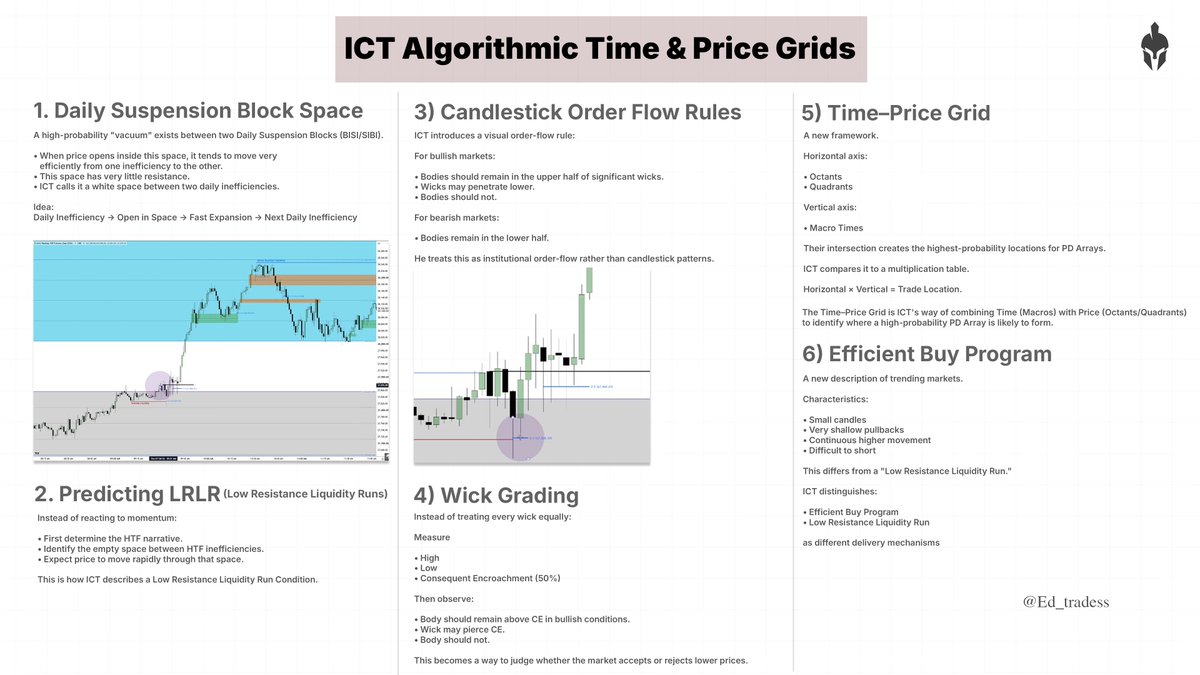
1. Time & Price Study
2. Reaper Pd-arrays
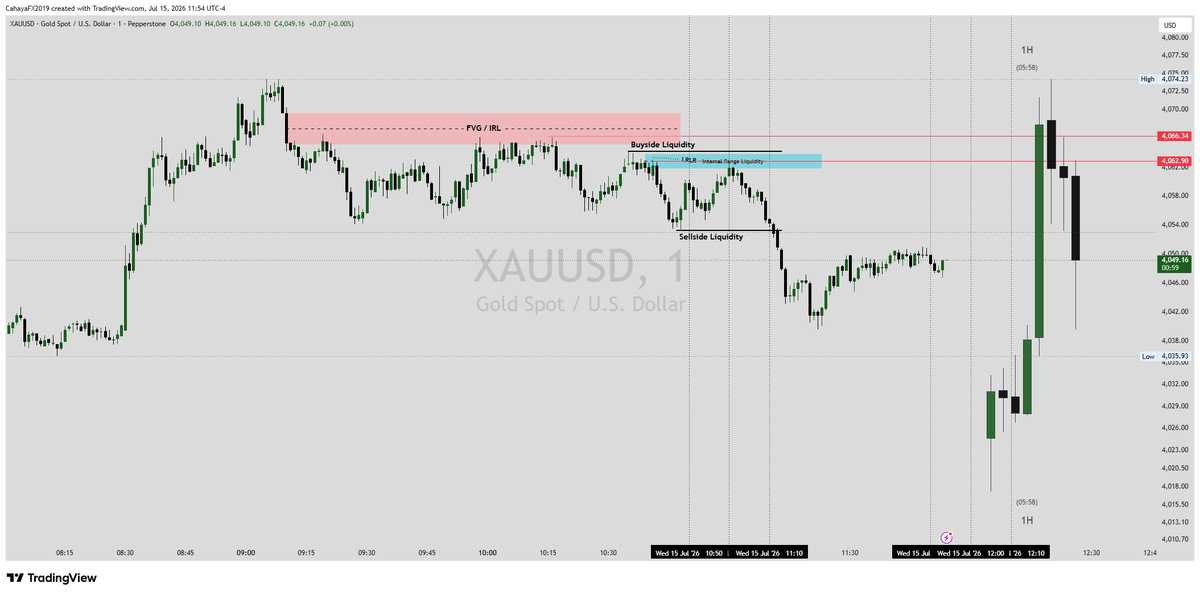
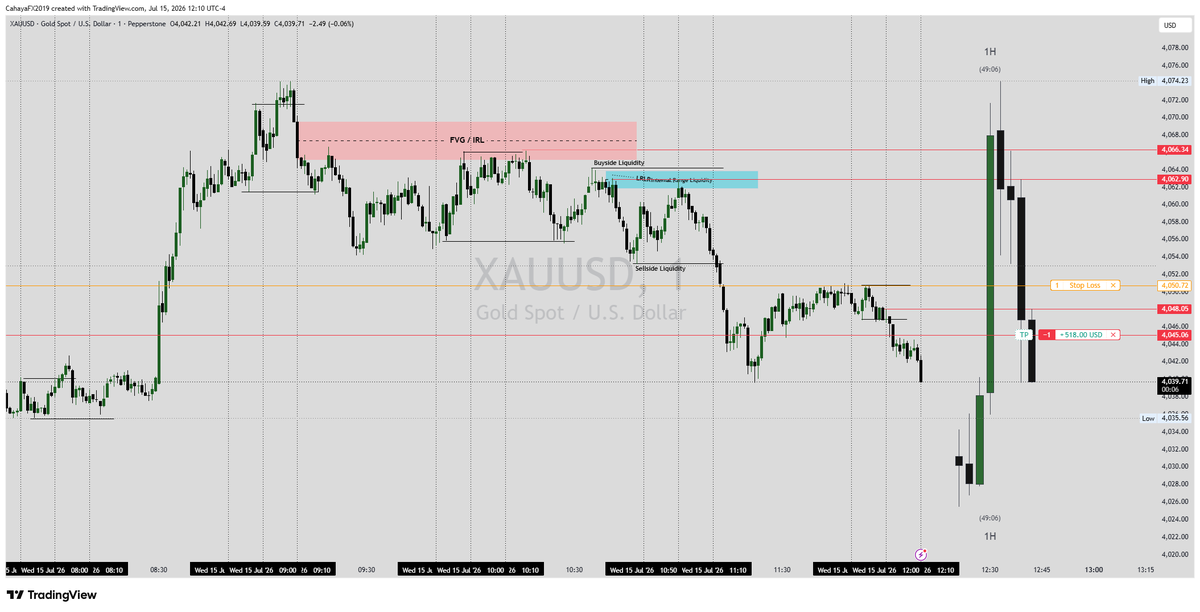
3. How to interpret HRLR / LRLR
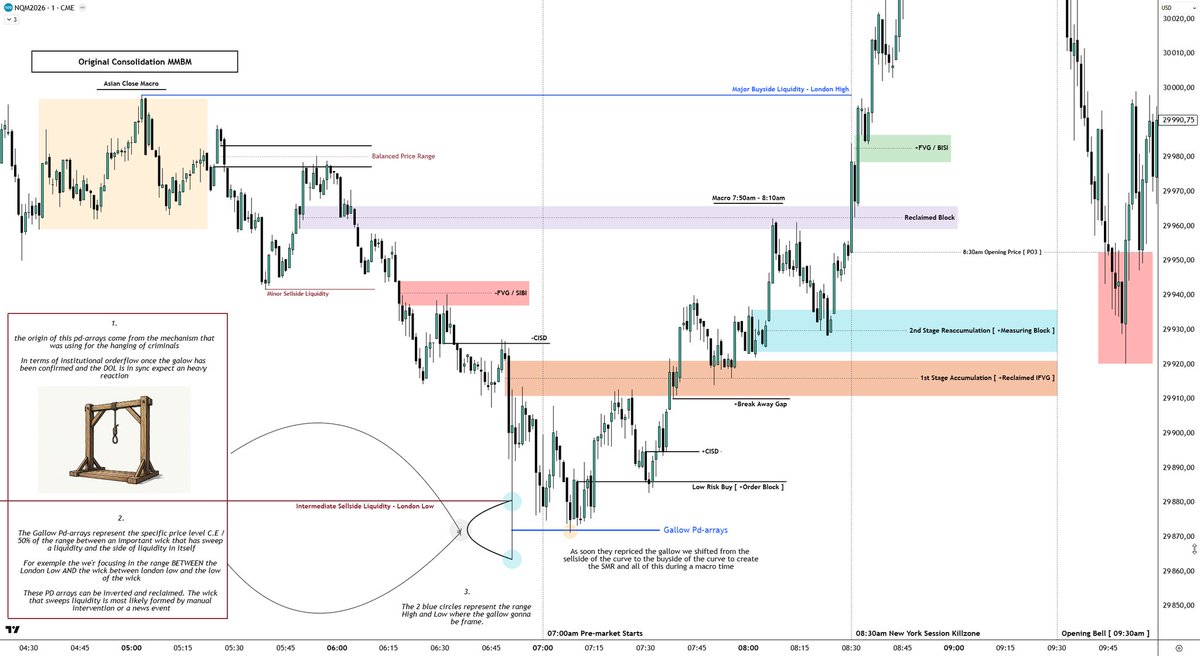
4. Gallow Pd-arrays
If it can help someone, I’m more than happy to share it
You don’t need more indicators.
You need timeframe clarity + liquidity awareness that’s what separates consistency from randomness.
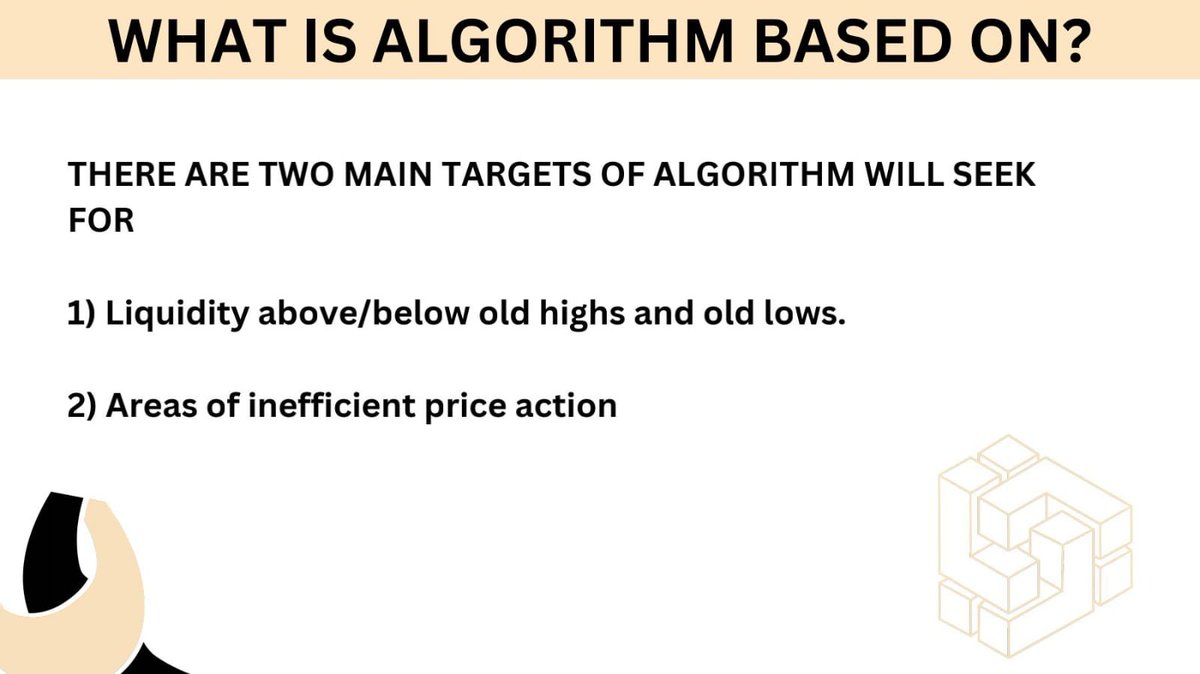
Price has a job: → Seek liquidity deliver to the next pool.
Build the narrative first (HTF): Where is price going?
• Highs (buy-side)
• Lows (sell-side)
Use: • Weekly / Daily (swing bias) ,
• Daily / H4 (intraday bias) No bias = no trade.
Wait for confirmation (MTF): Watch what price does:
• Inducement forms Liquidity gets swept Displacement follows Structure shifts (MSS) this is where amateurs get trapped.
Execute with precision (LTF):
Now refine:
1.FVG / OB 2.Clean retracement 3.Tight risk
Entry comes after displacement, not anticipation.
Non-negotiable rule:
•No liquidity taken
= No confirmation
= No trade
Truth most ignore:
Internal liquidity (pullbacks)
exists to fuel moves into external liquidity.
If you chase moves you’re trading inside the trap.
Timing matters:
London → creates the move
New York → delivers the move
Think like this:
Where are stops resting?
What side gets taken first?
Has displacement confirmed intent?
If you can’t answer these don’t trade.
Precision > frequency
Patience > prediction
Alignment > entries
That’s how professionals operate.
@1XRISK