نخستوزیر اسپانیا، پدرو سانچز:
چطور ممکن است سازمانی که ادعا میکند از طرف تمام بشریت سخن میگوید، تاکنون حتی یک زن هم در رأس آن قرار نگرفته باشد؟
وقت آن رسیده است که یک زن از آمریکای لاتین به دبیرکلی سازمان ملل متحد برسد.
این یک بدهی تاریخی است که باید آن را جبران کنیم.
“Don’t worry, we didn’t use your data. We just can’t rule out that we used data from your usage to improve our models.”
Ah yes, very reassuring. 🙃 “De-identified” is really doing some heavy lifting here.
We congratulate Levent Alpöge and Tristan Buckmaster on their remarkable mathematical work.
We (the researchers and the agents) did not see any of their work through any means until they released it publicly — in particular, no specific user data was accessed in order to solve this problem.
While unlikely, we cannot rule out that de-identified data derived from their usage of our products helped improve our models.
However, our proofs differ significantly and even the precise results proved are different in the Euler case (forced vs. unforced).
🧠 Thinking of applying to PhD programs in psychology? Trying to decide if pursuing a PhD is a good fit? Looking for tips on how to start the application process?
*
✨ Apply by Sep 21st to Stanford Psychology's 10th annual Paths to a Psychology PhD info session/workshop to have all your questions answered!
*
📝 Application: https://t.co/1ME4zl5GAJ
*
More information: https://t.co/Ro0EfJ8kBH
#Stanford #Psychology #PhD
@bemoniri I understand the intention (they dont want people staying indefinitely). But this policy could hurt scientific research, especially Ph.D. programs that attract some of the world's brightest minds. It's disheartening to see the impact this could have on U.S. education & innovation
How to say no. A superb article: "In a world that often values compliance over authenticity....we find ourselves entangled in a web of obligations, constantly saying yes to requests that may not align with our true desires or priorities. Yet, buried beneath the layers of societal expectations & internalised guilt lies the power to reclaim our autonomy".
This article explains:
- the reasons why we always say yes
- why we should learn to say no
- how to recognise when not to say yes
- tips for learning how to say no
- different (positive) ways of saying no
- how to deal with unwelcome responses
https://t.co/T4jymB3H4m. By @LauraCopleyLPC. I paired it with a graphic on the same topic by @donnellycss.
Unpopular opinion: I think the trend towards predoc before graduate school is really good. It opens up a lot of doors to prestigious PhD programs like MIT, Harvard, and Yale, for students from lesser-known schools like Yale, MIT, and Harvard.
Be a part of the change you wish to see in the world:
Donate to help support the legal expenses of Data Colada.
They're being sued by Prof Gino after posting careful, meticulous blog posts raising concerns about data integrity in 4 papers.
Donate here: https://t.co/vrGIltxGe2
When a man speaks assertively, people trust him: he's confident. When a woman does it, men dislike her: she's a bitch.
It’s outrageous that women have to tame their tongues to protect fragile egos.
Don't punish women for challenging stereotypes. Challenge the stereotypes.
https://t.co/JKo2BnLk3B
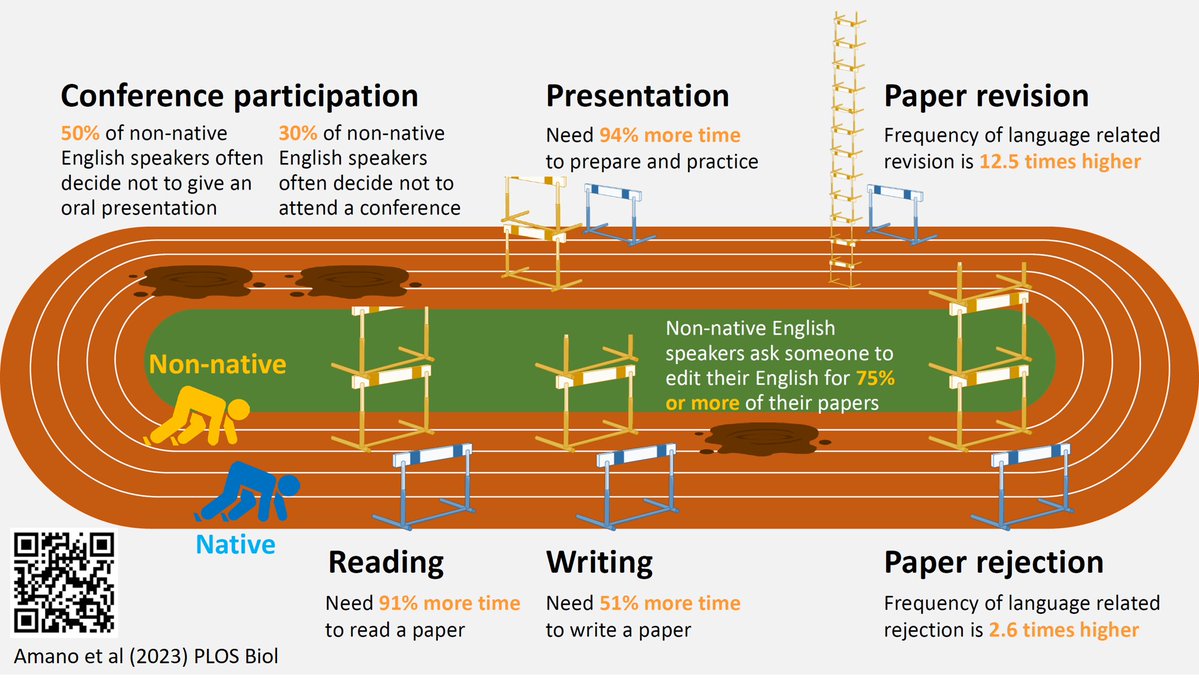
How hard is it to do science in a language that’s not your first language? We quantified the severity of #languagebarriers for non-native English speakers when reading/publishing papers and attending/presenting at international conferences.
https://t.co/Z6za22rMgg
1/9
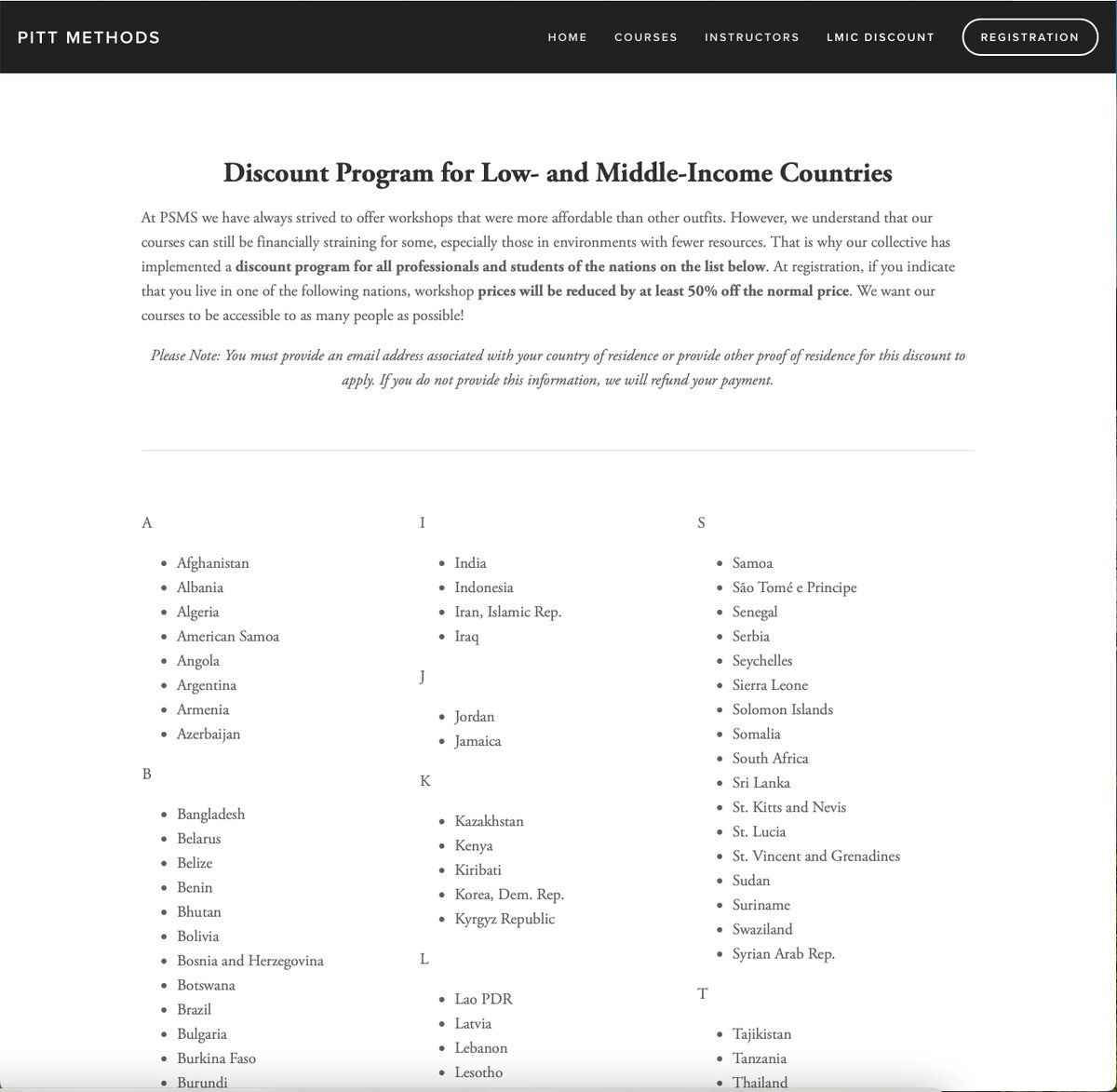
🚨Very happy to announce that we are now offering reduced summer methods workshop fees for Low and Middle Income Countries (LMIC).
If you live in a LMIC, we offer at least a 50% fee reduction if you want to sign up.
Please RT and share. Thanks!🙏
https://t.co/Xq4rdgtr7p
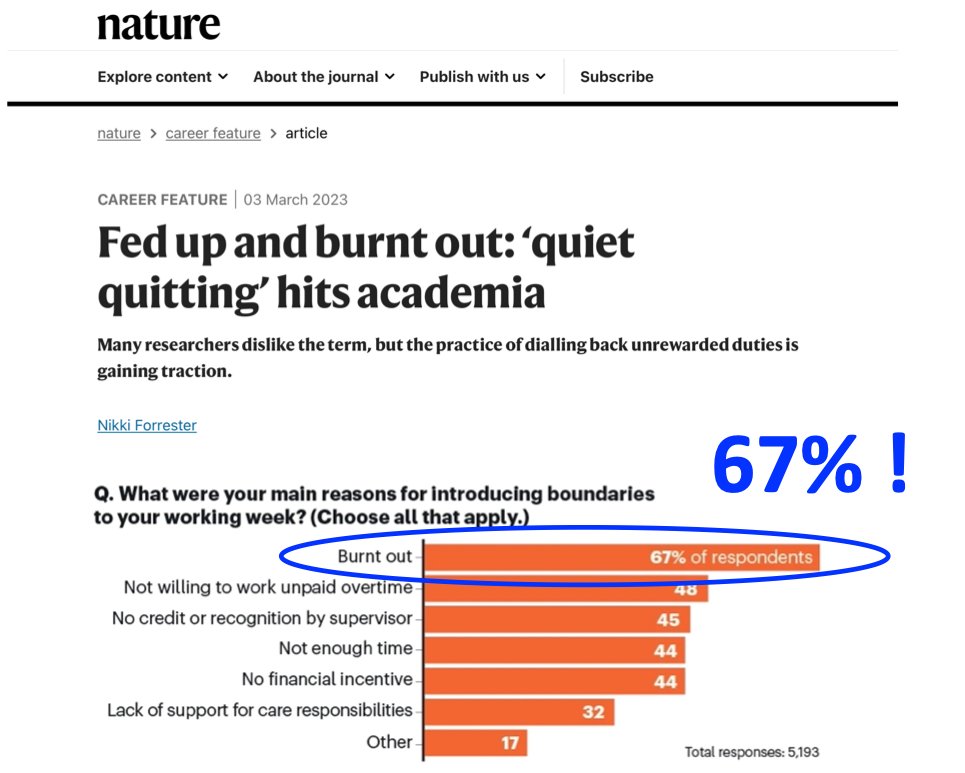
No reward - no duties. 75% of respondents have reduced the hours spent on academic duties since 2020 (Nature polls).
Mostly due to burnout and unwillingness to work for free.
This included attending conferences, peer reviewing manuscripts and grant proposals, committees, mentoring and even teaching.
Why?
Because scientists are tired of not being able to do #science.
- Students are tired of being unappreciated and overloaded
- Faculties are tired of “community duties” that become overwhelming (conferences, committees, reviewing, outreach, etc)
And everyone is tired of small salaries, zero empathy and little credit.
The problem is greatly summarized by Isabel Müller (in the article):
“There’s so little acknowledgement that people have difficult, complicated lives outside of work.”
A year ago, Nature described how PhD students don’t want to be postdocs and faculties are leaving academia. Now, we see that those who stayed are trying to resist the system from the inside.
But the problem is - the system is too rigid, too traditional and too elitist.
So, as a community, we can change it only by raising our voices and expressing distaste with the status quo. I applaud Nature for writing about these issues so regularly. The academic world has too many interdependent parts which should be addressed concurrently.
This is why we should stay united and strong as a community.
Regarding the academic environment we all hope to have, I loved how Isabel Müller put it in the article:
- I hope it becomes the new normal to say: “My life matters. My work is an important part, but I decide what my life looks like, not my employer”.
#AcademicTwitter #education