I have witnessed this club go from doubters to believers, and from believers to champions. It took hard work and I always did everything I could to help the club get there. Nothing makes me prouder than that.
Us crumbling to yet another defeat this season was very painful and not what our fans deserve. I want to see Liverpool go back to being the heavy metal attacking team that opponents fear and back to being a team that wins trophies. That is the football I know how to play and that is the identity that needs to be recovered and kept for good. It cannot be negotiable and everyone that joins this club should adapt to it.
Winning some games here and there is not what Liverpool should be about. All teams win games.
Liverpool will always be a club that means a great deal to me and to my family. I want to see it succeed for long after I have moved on.
As I’ve always said, qualifying to next season’s Champions League is the bare minimum and I will do everything I can to make that happen.
Liverpool fans’ success in getting the club to re-think elements of their ticketing strategy will resonate across football. Most clubs have done their ticketing announcements but will note Liverpool’s climbdown. Fans of other clubs will see that well-organised protests work, especially those designed for maximum exposure and embarrassment. Others already have: West Ham fans conducted a successful campaign over the club’s attack on concessions.
Some boards’ behaviour, treating crowds as cash cows, is offensive and counter-productive. It’s wrong for boards to ignore that many fans are hurting given the cost-of-living crisis. It’s wrong to go for multi-year increases. It’s morally wrong and commercially naïve to alienate your most loyal fans. Respect them and they will spend more in the store. Think.
It’s hypocritical when clubs emerged from lockdown, and the soulless, soundless games behind closed doors, promising to appreciate fans more. They did - for a while. It’s also stupid of boards to price out fans who generate the backdrop in sound and vision that TV pays fortunes for. Fans are part of the Premier League spectacle. Tourists are good for the club shop but not for atmosphere. Fans should lobby broadcasters to make clubs see sense.
Clubs brief that hikes are required to cover fees and wages of the stars that fans crave, to improve facilities in the stadium and to guard against PSR breaches. It’s spin. Liverpool would be generating only a reported £1.5m to £2m extra a year from the original planned increases at a club which spent £33m on agents’ fees in a year. That raked in £174.9m from Premier League prize money. That had revenue of £703m last year.
Liverpool fans, ably organised and mobilised by Spirit of Shankly, firmly made their point to club owners Fenway Sports Group with banners “FSG GR££D” and “NO TO TICKET PRICE INCREASES” along the bottom of the Kop during the recent Crystal Palace game. Fans held up yellow cards (75,000 were printed apparently) carrying messages about Fenway. Pictures were immediately posted on social media and beamed by TV around the world. Messaging is instant nowadays.
The campaign was sophisticated. Organisers also targeted club coffers with their “not a pound in the ground” campaign to encourage fans to spend their match-day money away from Anfield. During games, they chanted “you greedy b*st*rds, enough is enough”. It was a PR disaster for FSG and the club. And probably expensive financially given fans’ snubbing of in-stadium outlets.
A club historically celebrated for its bond with fans looked unthinking and unfeeling. It needs acknowledging that, overall, John W Henry and FSG have proved good owners – they’ve redeveloped Anfield, added to the squad and to the trophy cabinet. But they occasionally fail to read the room. They fail to listen to good advice.
They have made this mistake fairly spectacularly before – on the high ticket prices in the redeveloped Main Stand in 2016, seeing 12,000 fans walk out during a game in protest, and backing the European Super League in 2021, bringing a backlash from fans (and players). They backtracked on both. Now they have spoken to fans, heard the concerns and made a U-turn. GA prices will rise 3% for 26/27, but are frozen for 27/28, instead of three seasons fixed to inflation.
Clubs have to understand that many fans are feeling the pinch, that even the movement of a kick-off time has a knock-on effect to travel plans and costs, that even geo-politics affects those driving to games with petrol more expensive. Fans are also having to pay for more subscription channels.
A club’s own costs would be slightly more manageable if they were collectively more sensible in resisting wage inflation – make salaries even more performance-related - and more clubs made the pathway easier from academy to first team. And listen to fans’ groups before risking own goals. You’re on the same side. #LFC
Football reform starts with truth, scrutiny, and accountability.
David Conn (The Guardian) on why the Fair Game Conference matters ⚽
Power. Governance. Accountability. Real reform.
📍 #Manchester
🗓 March
Watch more 🎥
👉 https://t.co/o3ykPrMSZS
#UK#Football
It is exactly this sort of story that is why the Football APPG is launching an inquiry into Online Harms.
And we at Fair Game are delighted to be part of it.
Let's change football for the better
Billet d’humeur pour conclure cette semaine d'OM/Liverpool, côté supporters. ✊🏟️
Cette semaine est l’illustration parfaite du décalage entre la peur entretenue et la réalité vécue.
Elle avait commencé avec des guides anxiogènes, des consignes strictes, un encadrement quasi militaire pour les supporters de Liverpool. Marseille décrite à l’extrême comme un territoire hostile, dangereux, où le moindre pas de côté pouvait mal tourner.
Un discours qui ne sort pas de nulle part : il s’inscrit dans le prolongement des très malheureux incidents vécus par les Reds ou d'autres supporters anglais en France. Mais un discours aussi largement façonné par une vision du football réduite presque exclusivement à sa dimension sécuritaire, au point d’écraser toute autre lecture possible de ce que représente un déplacement européen.
Puis il y a eu le réel.
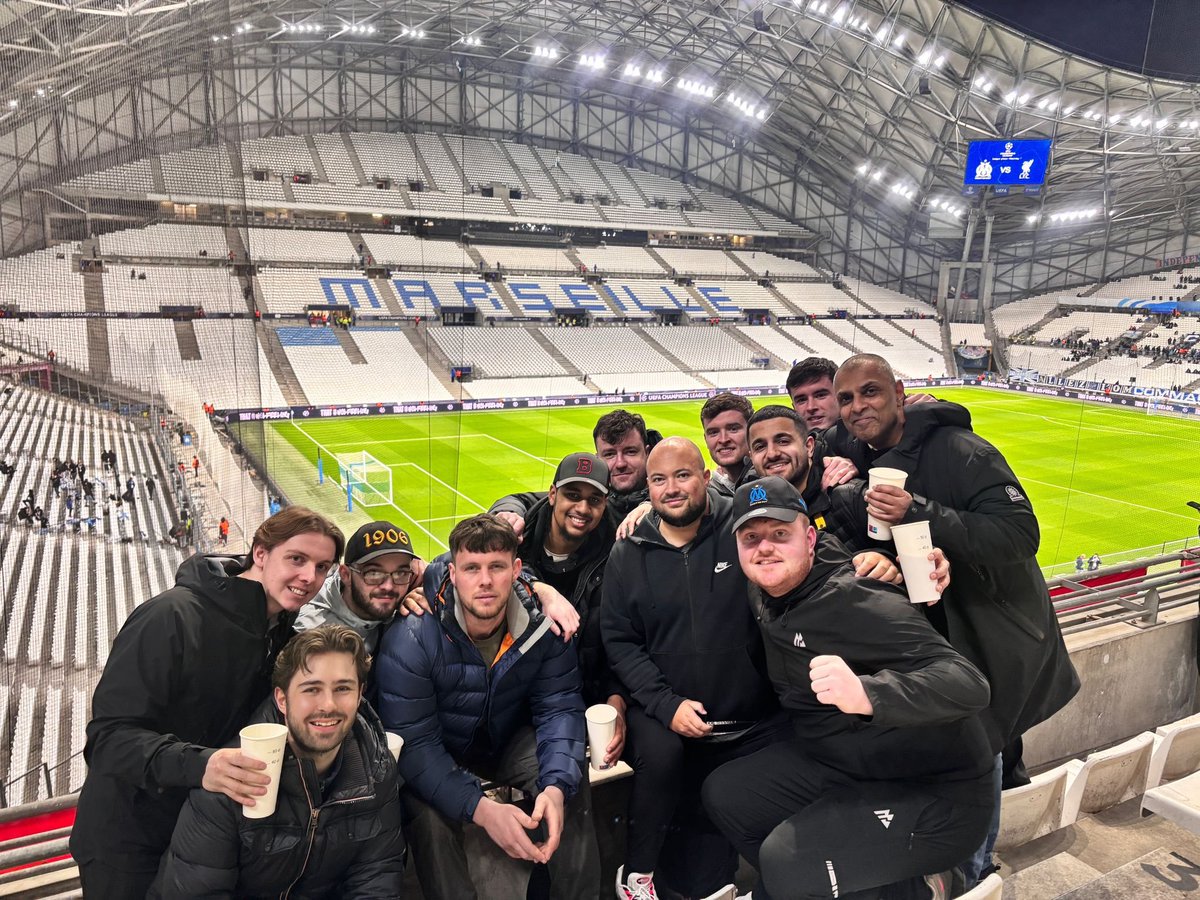
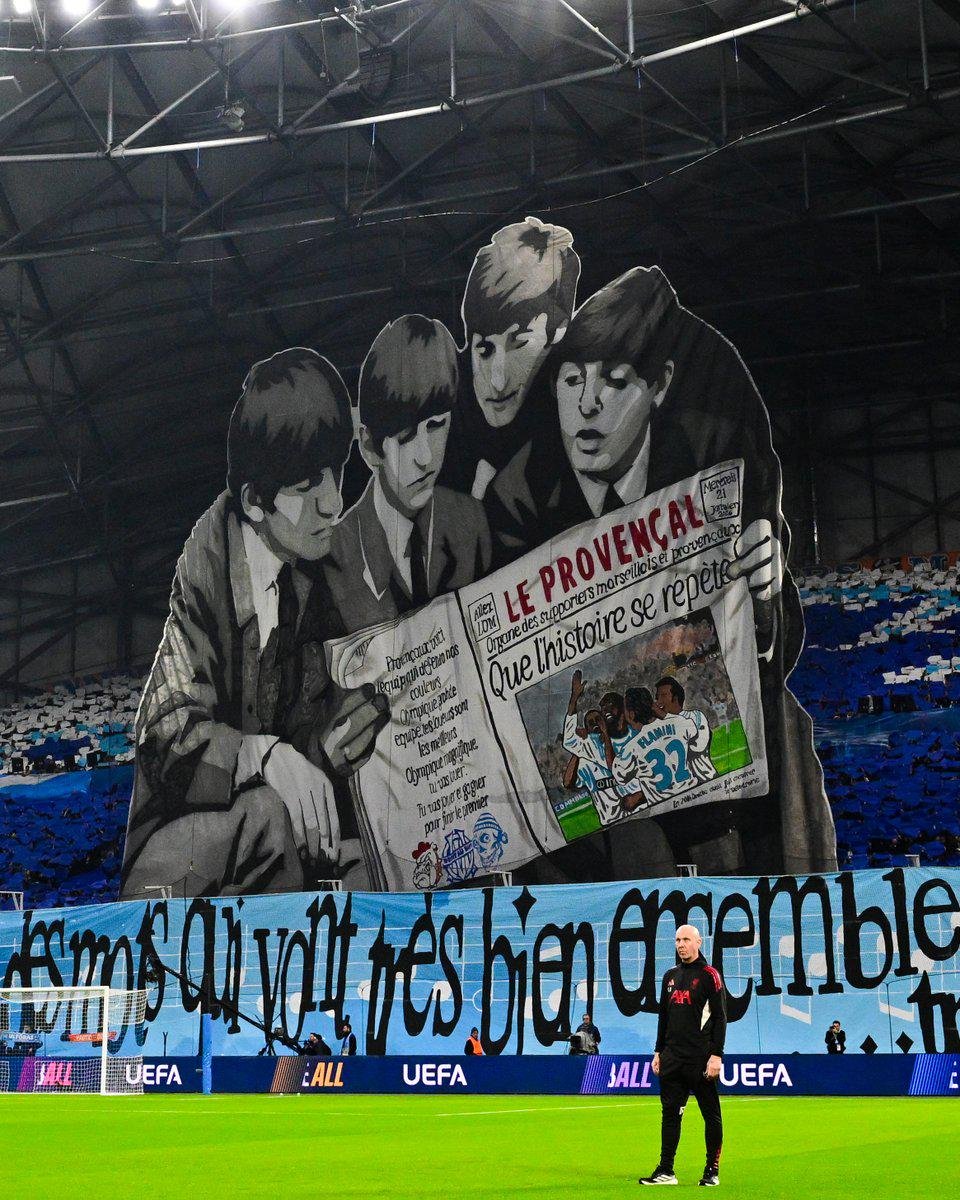
Des Anglais qui, pour certains, ont osé sortir du cadre. Le Vieux-Port, les bars, des discussions, un avant-match tout à fait normal. Rien d’exceptionnel, donc rien qui ne fera de buzz. Juste des scènes banales, sans incident. Puis un grand match pour eux, une ambiance qui les a marqués, et ce tifo Beatles qui restera longtemps dans la mémoire de ceux qui pourront dire qu’ils y étaient.
Résultat : des centaines de retours positifs de supporters de Liverpool qui parlent aujourd’hui d’un des meilleurs déplacements européens de ces dernières années. Certains disent même qu’ils aimeraient revenir à Marseille, simplement pour un match “normal” de l’OM.
Ironie totale : le seul moment réellement compliqué du déplacement est survenu lorsque les autorités ont repris la main, au moment de quitter le stade, au terme d’une procédure longue et pesante. Dans une semaine qui, jusque-là, s’était déroulée sans incident majeur.
La semaine avait commencé sous le signe de la peur. Elle se termine sous celui du souvenir. Et elle rappelle, une fois encore, que penser le football uniquement à travers le prisme de l’angoisse et du contrôle est non seulement inefficace, mais profondément contre-productif.
La semaine s’est achevée à l’opposé de ce qu’on nous avait annoncé. Pour notre plus grand plaisir.
Safe trip back lads. ⚔️
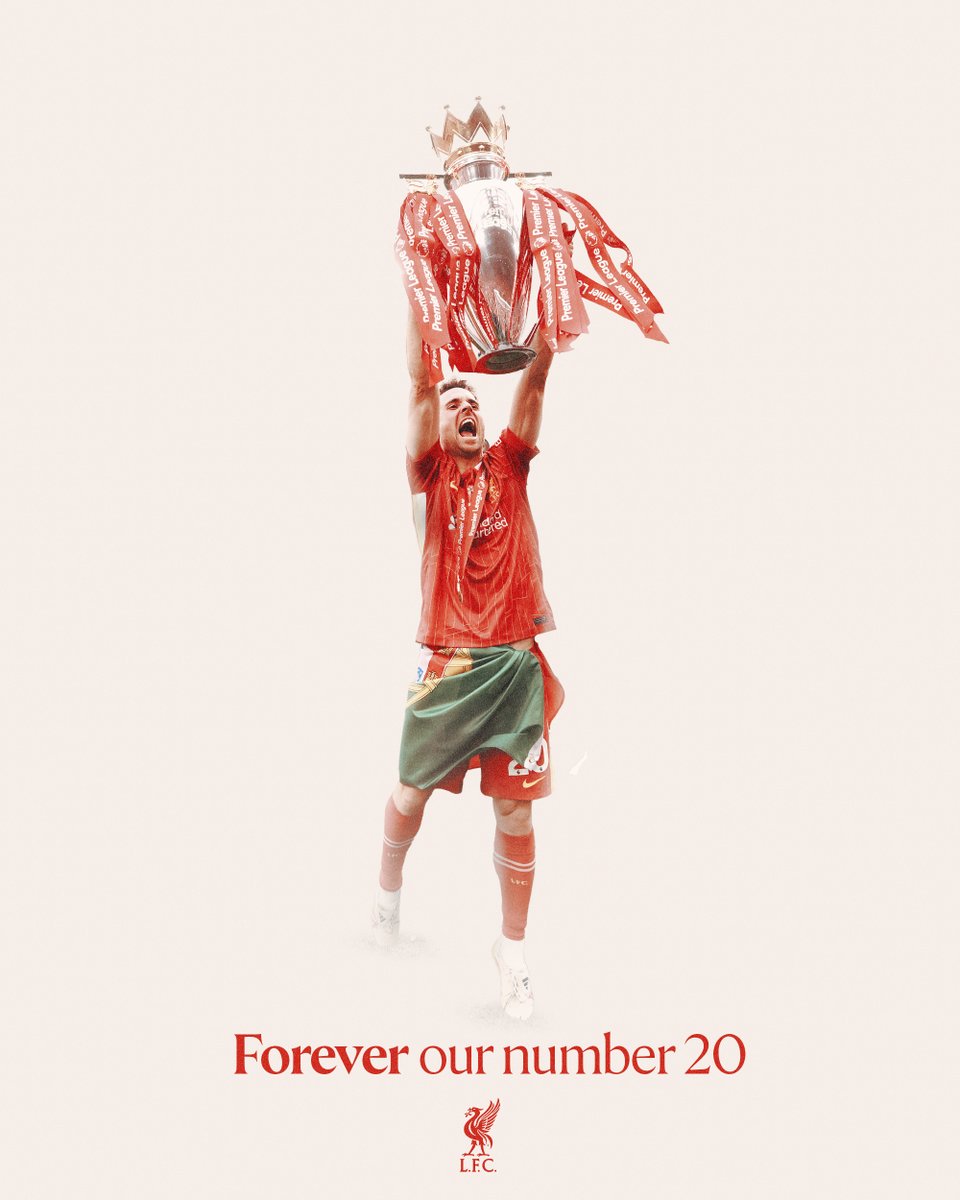
Today, as every day, we remember Diogo Jota on what would have been his 29th birthday.
All of our love, thoughts and prayers continue to be with his wife Rute, his children, parents and all of his family and friends, as well as those of his brother, Andre.
Forever in our hearts, forever our number 20 ❤️
A brilliant footballer on the pitch, but most importantly an unbelievable person and family man off it ❤️
Diogo had a number of inspirational women in his life, both personally and professionally, that helped shape him and was a fantastic advocate of Women’s sport.
Rest in peace, Diogo and Andre Silva. You Will Never Walk Alone.