@ndtv@rahulkanwal Almost 600 people dead, over 2000 missing. Entire villages swept away in this apocalyptic deluge. It's expected the number could double or triple in the coming days. Close to $1.5 billion worth of infra damage. And this is the news you came up with?
FIRE YOUR EDITOR-IN-CHIEF.
Anthropic paga a los ingenieros más de $750,000 al año para entender cómo funcionan los LLMs.
Stanford acaba de publicar una conferencia que cubre el 80% de ello GRATIS.
Guarda esto como favorito y dedícale 2 horas hoy.
❌ OVERRATED travel destinations that are a complete waste of money:
• Paris 🇫🇷 (smells like exhaust, overpriced, rude everywhere) • Tulum, Mexico 🇲🇽 (fake influencer vibes, $30 cocktails)
• Santorini 🇬🇷 (paying $600/night to stand in line for a sunset)
• Mykonos 🇬🇷 (overpriced party island, absolute tourist trap)
• Dubai 🇦🇪 (malls and concrete, zero soul, burning hot)
✅ Underrated places actually worth visiting instead 👇
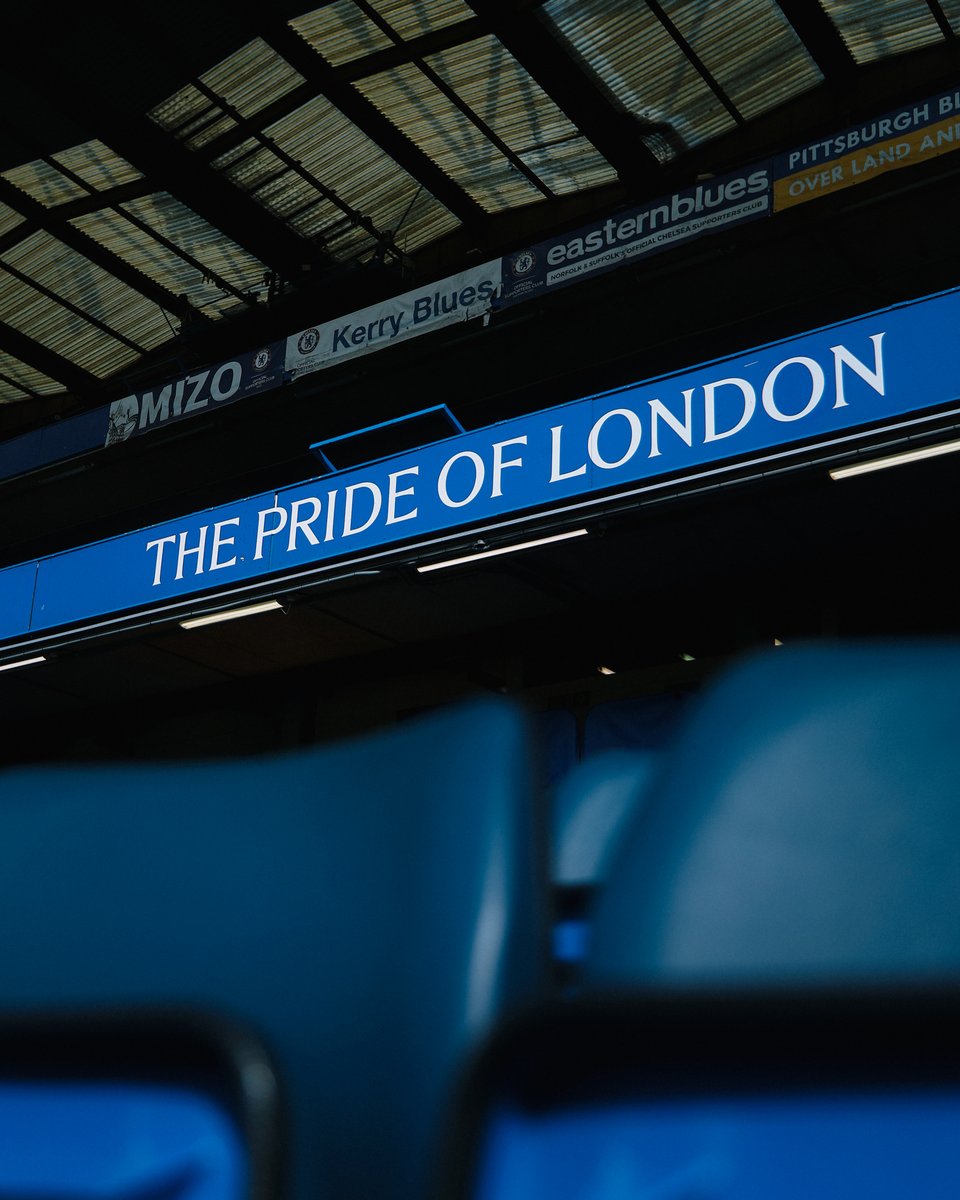
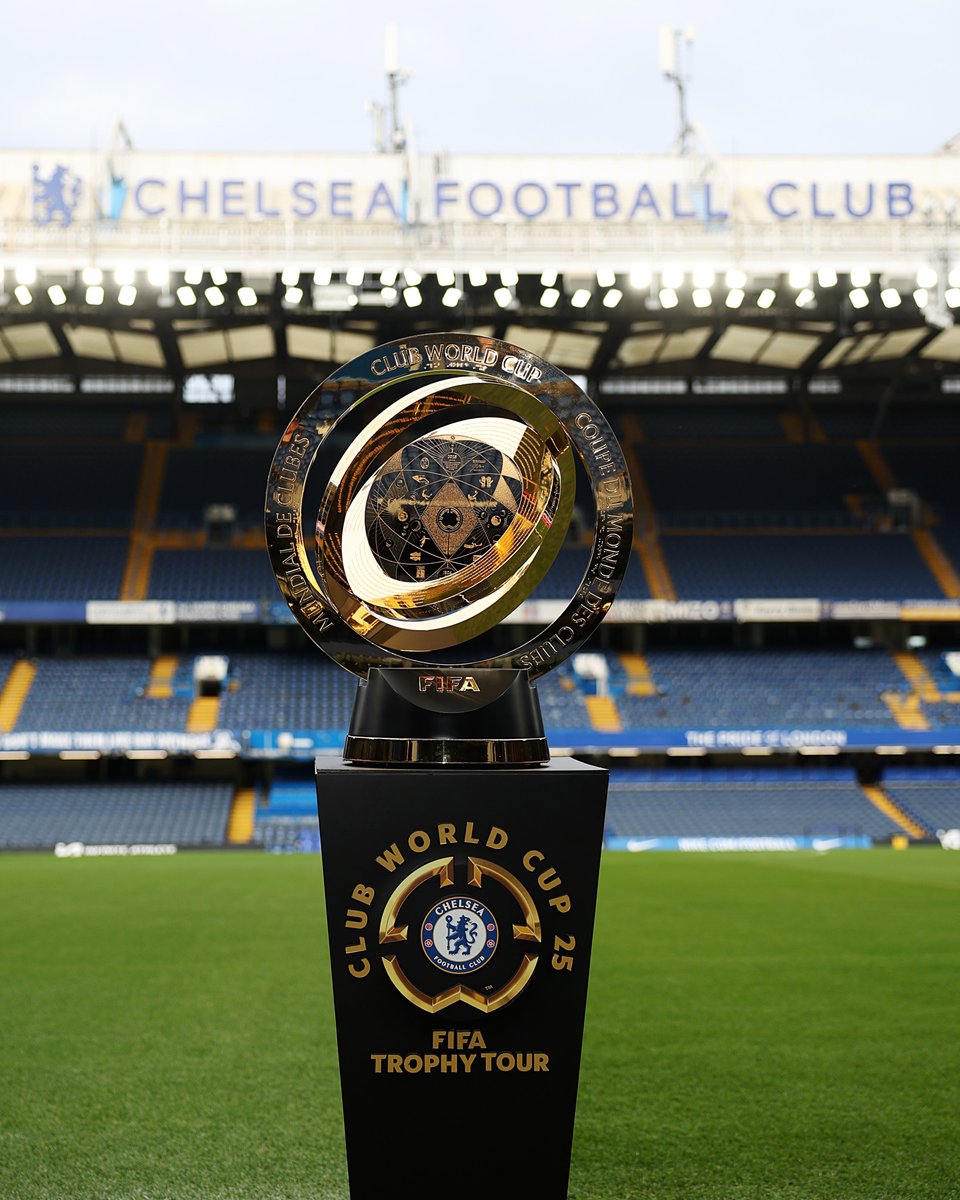
Come and visit London’s Home of Trophies. 🏆
Book your Stadium Tour at Stamford Bridge now. ⭐️⭐Come and visit London’s Home of Trophies. 🏆
Book your Stadium Tour at Stamford Bridge now. ⭐️⭐Come and visit London’s Home of Trophies. 🏆
Book your Stadium Tour at Stamford Bridge now. ⭐️⭐Come and visit London’s Home of Trophies. 🏆
Book your Stadium Tour at Stamford Bridge now. ⭐️⭐Come and visit London’s Home of Trophies. 🏆
Book your Stadium Tour at Stamford Bridge now. ⭐️⭐Come and visit London’s Home of Trophies. 🏆
Book your Stadium Tour at Stamford Bridge now. ⭐️⭐️
HERE WE GO! Hemos enviado un fax al @FCBarcelona_es con nuestra oferta de traspaso: 4 entradas para el concierto de Bad Bunny de mañana, una suscripción anual al ABC y una bolsa de pipas. Esperamos ansiosos la respuesta para preparar el ‘announce’.
Ronald Wayne was the only one of Apple’s three founders who actually had money. He owned a house, a car, and savings. The other two were broke twenty-somethings. So when Apple ran up a debt that could have wiped him out, he sold his 10% for $800 and walked. Fifty years later, he says he still doesn’t regret it.
Back then, Apple was barely more than three guys and a signed piece of paper. Under that setup, if the business couldn’t pay its debts, the people it owed were allowed to come after each partner’s own house and savings. Jobs had just borrowed $15,000 to build computers for a store known for paying late, or never. If that store stiffed them, Wayne was the only partner the lenders could squeeze. The two kids had nothing worth taking. He signed himself out for $800, then took $1,500 more to give up any future claim. That first $800 would be about $4,500 today.
Wayne earned that 10%. At 41, he was the grown-up of the group, nearly twice the age of the other two and brought in to bring some order. He typed the founding contract on his own typewriter, drew Apple’s first logo, and wrote the manual for the first Apple computer.
Now, the $454 billion. It only works if you imagine his 10% frozen and untouched for fifty years, but it never could be. Picture the company as a pizza. Every time Apple needed money, it cut new slices for investors, and everyone already at the table got a thinner piece. Nine months after Wayne left, investor Mike Markkula put in $250,000, and Jobs and Wozniak each dropped from a 45% slice to about a quarter of the pie. Wayne’s piece would have kept shrinking the same way, right up to 1980, when Apple began selling shares to the public. There’s a bigger hole, too. Not one founder held Apple stock that long. Within about ten years, all three had sold most or all of their shares, and Jobs, pushed out in 1985, sold every share he owned but one. The $454 billion belongs to a Wayne who would have done the one thing no real founder pulled off: hold on.
As for Wayne, he moved to Nevada and lived quietly, selling old coins, and for years he’s said he doesn’t waste time playing ‘what if.’ In the early 1990s he sold the original contract he’d typed in 1976, the actual pages, for $500. This past January, those same pages sold at a Christie’s auction for about $2.5 million. The paperwork that wrote him out of Apple ended up worth more than a thousand times what Apple paid him to leave.
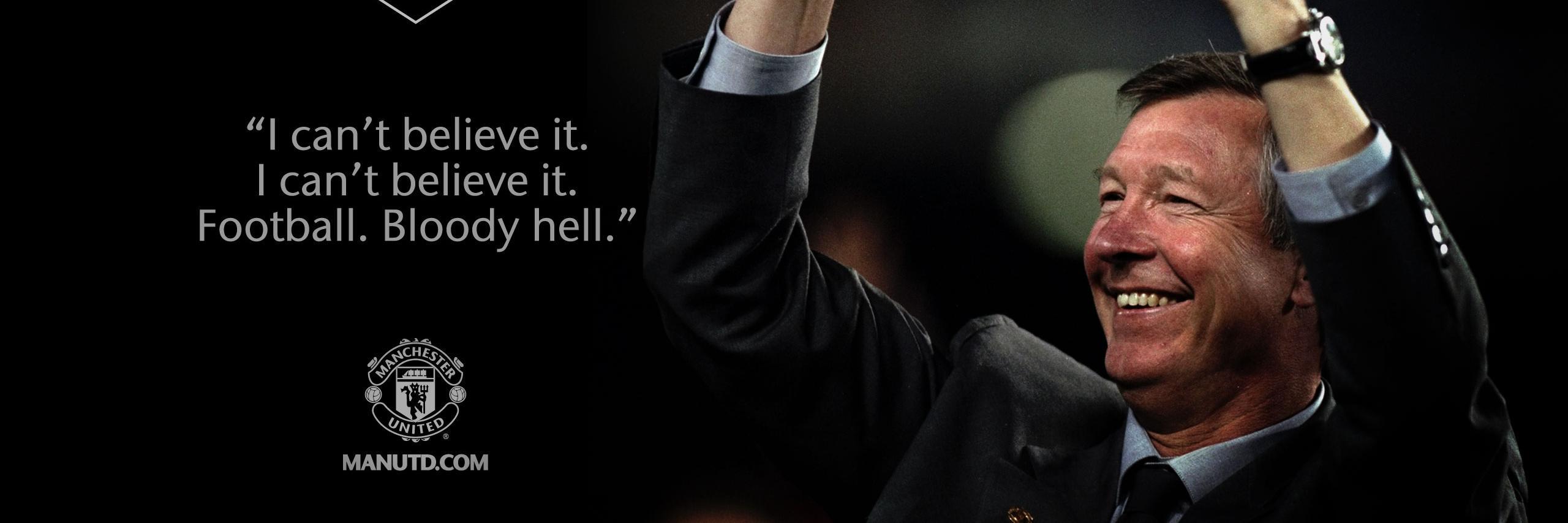
People don’t know how crazy this is, they’re focusing on only the win rate, let me break it down. From 1992 to 2013, there were 21 seasons of football, and he won the league 13 out of 21 that means he lost the league only 8 times out of this he was second 5 times, and 3rd (3) times, he’s never finished outside a top 3 before. Well now we have Man U finishing 15th.
Matches played: 810
Wins: 528
Draws: 168
Losses: 114
Win percentage: 65.2%
Points: 1,752 (at 2.17 points per game)
Forget about the trophies for a minute, Just look at the longevity of excellence. Most managers just have a 3-5 year cycle or seasons they were just good and win the league, and it will be hard to replicate but not Ferguson, He rebuilt title-winning teams multiple times and still stayed ahead of the league.
He won with:
Cantona’s United
Beckham/Keane/Yorke era
Ronaldo/Rooney/Tevez era
then won again in 2013 with a team many people don’t even consider one of United’s best squads, lol he finished 11 points ahead with them
Premier League also changed massively during his reign:
from old-school English football into modern tactical football,
from 42-game seasons to 38-game seasons,
from Blackburn and Newcastle challenges to Wenger’s Arsenal, Mourinho’s Chelsea, then early oil-money City
Yet he remained he won through all of it.
he mastered every layer of football too:
man management
dressing room control
adapting generations
building winning culture
handling pressure
knowing when to rebuild
making average players become great
evolving assistants and systems around him
Fun fact: Manchester United have lost more games since Sir Alex Ferguson retired (143) than they lost during his entire 21-year Premier League era under him (114). 😂
Nah, That man is the Greatest Ever.
VEVO was the only reason YouTube didn't get sued out of existence in 2009.
Universal and Sony were ready to pull every music video off the platform. The labels argued YouTube was generating billions on their content while paying back almost nothing. Eric Schmidt's solution: let the labels build a parallel platform where they controlled the ad sales, the curation, and the branding. They called it Video Evolution. VEVO.
The deal was simple. Every "official" music video would route through a VEVO-branded channel. The labels owned the inventory. They sold premium ad slots that regular YouTube videos couldn't access, charging advertisers top dollar to run alongside Beyoncé instead of a random gaming clip.
The leverage was real. In 2010 when https://t.co/dqNjjTgbQ2 tried to renegotiate licensing, UMG pulled every Universal video off the site. MTV's online platform collapsed. The labels had figured out something the platforms hadn't priced in. The platforms needed the labels far more than the labels needed any one platform.
JustinBieberVEVO had 33.6 million subscribers. His personal YouTube channel had 4.2 million. TaylorSwiftVEVO had 27.3 million. Her personal channel had 2 million. The VEVO suffix marked the most valuable real estate on the platform.
Then YouTube counter-punched with Content ID. Every fan upload using a licensed song could now be monetized directly for the labels. By 2016, YouTube had paid labels over $2 billion through Content ID alone. The labels stopped needing a parallel platform to get paid. YouTube was already paying.
In 2018, YouTube started "consolidating" VEVO channels into Official Artist Channels. Artists could not opt out. The 33.6 million Bieber subscribers got auto-merged into a single channel without VEVO branding. https://t.co/sDEAF89gM6 shut down the same year, despite generating 25 billion monthly views.
The VEVO logo still sits in the corner of every official music video. That's the only thing left of the last time a record label cartel had real leverage over a tech platform.