The industry has gone completely nuts.
Use tokens to generate AI code and documentation slop. Then use even more tokens to understand and review that slop.
Then judge engineers by token usage instead of how empathetic and clear their docs and code actually are, and completely neglect human comprehension.
Utter nonsense.
I was scrolling around github repositories around the topic "infra as code" and found this repository where someone logged their whole 3 months of infrastructure engineering
someone starting as a beginner can really learn a lot from this
https://t.co/djJVVab7IA
After working at HFT and complex Fintech systems for 7 years, I’ve noticed something:
Most engineers think databases become slow because of complex queries while problems lies somewhere else.
Interviewers now ask things like:
“How would your database survive 10M writes/minute without melting the disk?”
And candidates immediately jump to:
- sharding
- caching
- replicas
But the real bottleneck often starts much deeper: Database internals.
These 10 concepts are what actually allow modern databases to handle insane write throughput in production.
Bookmark this thread. Read till the end.
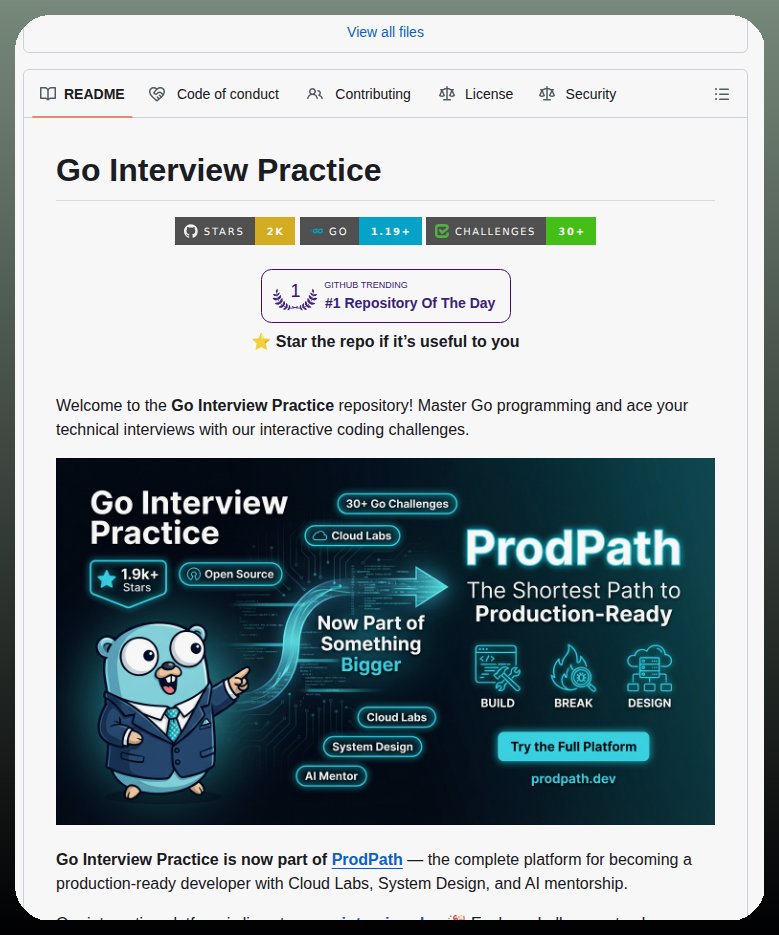
Started reading a book on the Go programming language, but honestly, books started feeling boring.
So I built this instead:
Explains Go concepts and syntax in a simple, interactive way
Makes you actually practice by solving LeetCode-style problems and building mini projects
Try it out: https://t.co/mUdYFfziyq
GitHub: https://t.co/FcKffrDeag
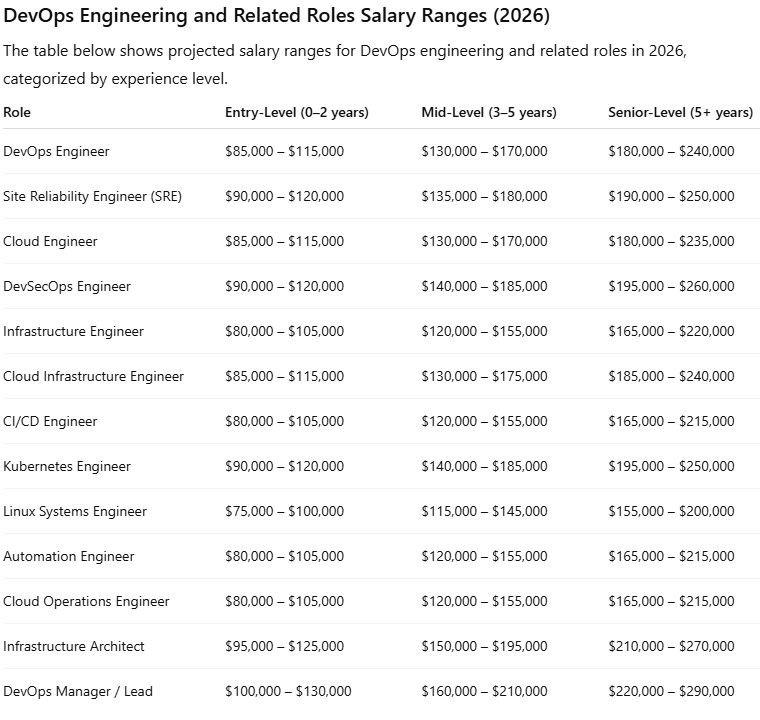
I am begging juniors to pivot into DevOps / SRE.
Systems knowledge is more important than it's ever been. AI can write code. It cannot run it in production.
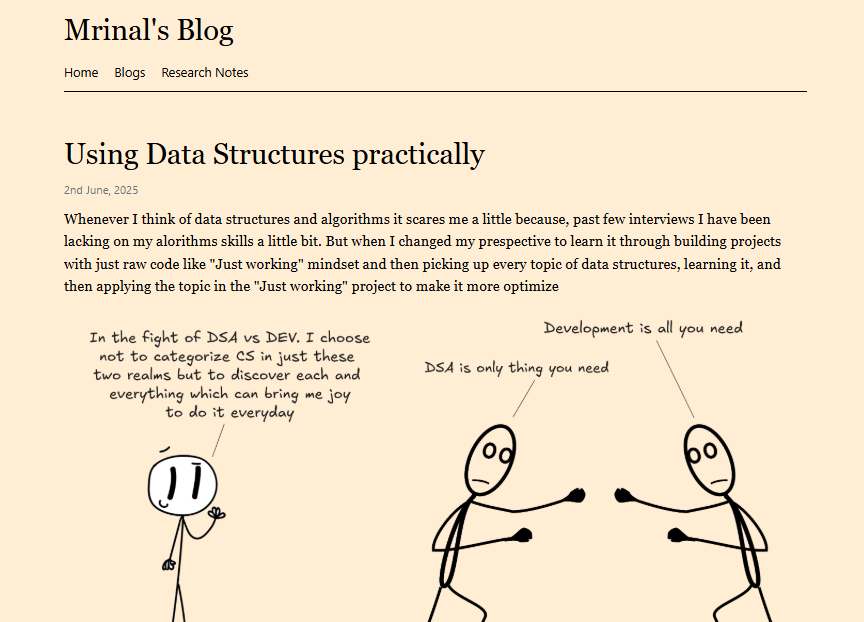
Knowing data structures is no longer enough.
Most system design is just infra decisions with consequences.
1. Your API is not done until you can deploy it, roll it back, and see p95/error rate in 2 mins.
2. Promotions are won on reliability: on-call load, incident response, SLOs, cost, capacity. Not diagrams.
3. AI can write CRUD. It won’t save you from bad timeouts, no rate limits, broken migrations, or a noisy neighbor.
4. If you can own Terraform + CI/CD + dashboards + runbooks, you become the person teams depend on.
Learn DevOps/infra. That’s the practical system design that gets you to Senior fr !!
Not some boxes on a whiteboard !
Thanks for sharing this @AskYoshik , any advice you would give on what's important right now?
There is a lot of work happening around Agent Memory.
https://t.co/H0i8Yki8v7
More of a marketing blog than actual algorithms explained. Still worth a read for engineers.
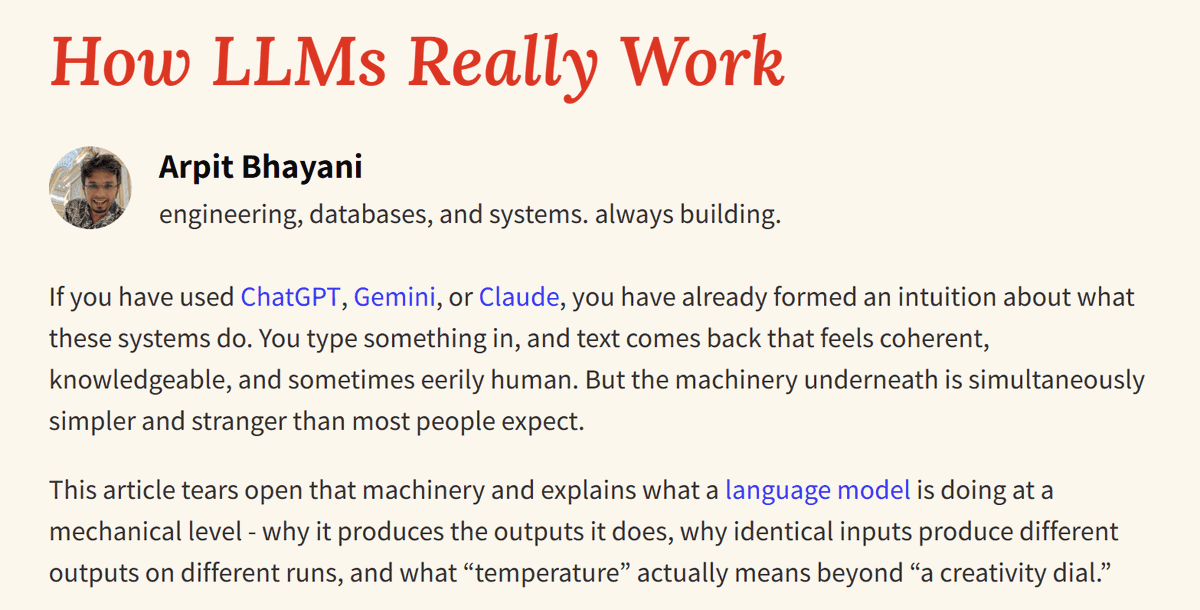
I always wondered, when we deal with LLMs, how a temperature parameter brings in variance? Yesterday, I got some time to dig into the internals, and all my learnings around it are compiled in my latest blog.
By the way, the blog covers this, the basics, and some math in an easy-to-digest manner. In the essay, I broke down how LLMs actually work at the systems level and explained:
- what LLMs are mechanically doing
- how next-token prediction really works
- what logits and softmax are actually doing internally
- why identical prompts can produce different outputs
- why hallucinations happen
- and how temperature really works under the hood by reshaping the probability distribution before sampling
If you are building with LLMs (which I am sure you are), understanding these mechanics gives you a much better mental model.
Give it a read, and like always, I hope this helps.
still saying this btw
there’s never been a better time to learn:
RAG, VectorDBs, AI pipelines, agents, evals, MCP, multimodal systems, inference optimization, tool calling, memory architectures, browser automation and voice AI
whole industry is moving at 100x speed rn
best thing you can do is pick a lane and start building
kinda best place I still visit this day for my Kubernetes learnings ... sets the tone well for the foundation + FAFO'ing around other blogs related to K8s would be the best
it already sits 48k stars on github
https://t.co/aCxOMEBXcc