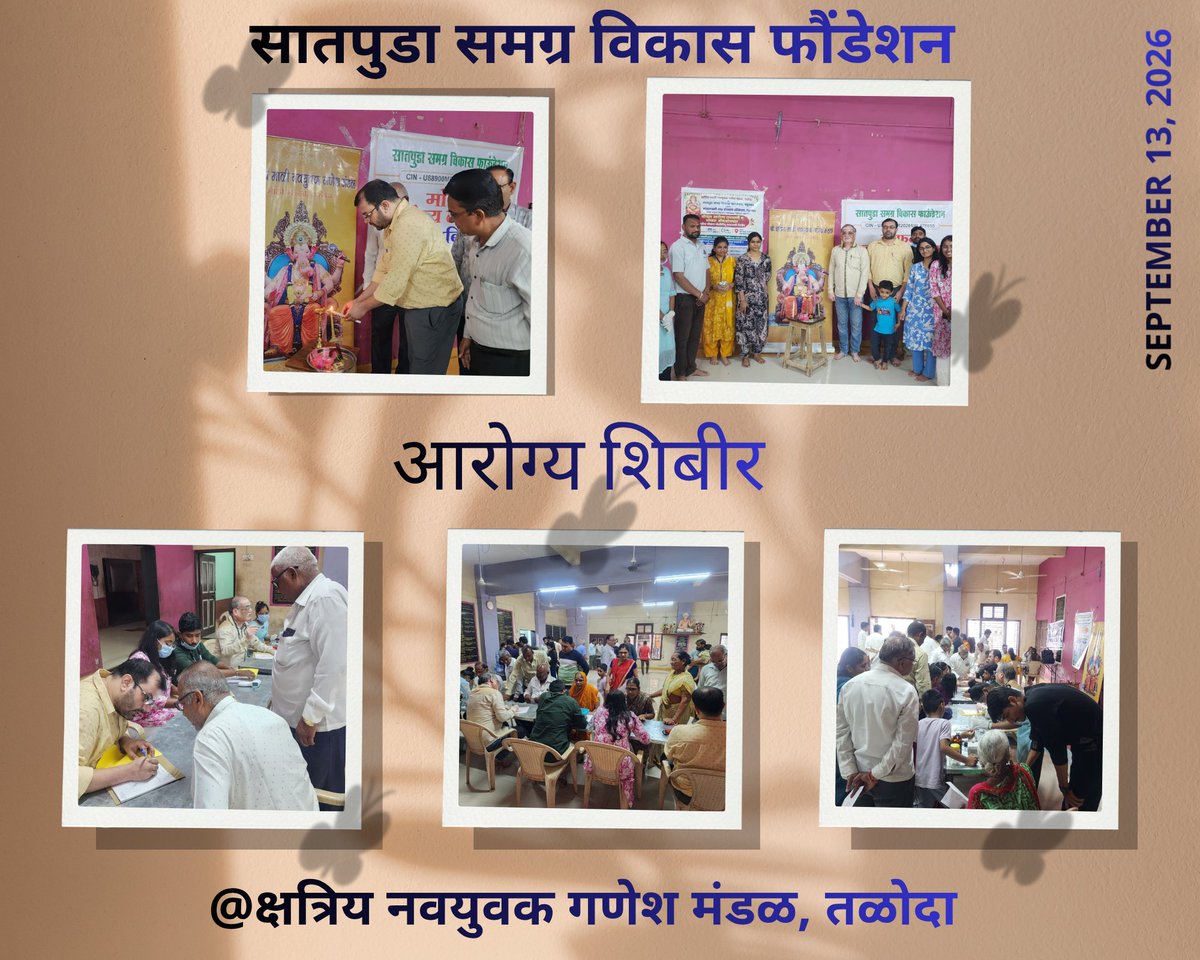
Welcome to the official page of Satpuda Samagra Vikas Foundation, organisation work in Healthcare, Education, Environment, Women Empowerment, Rural Development.
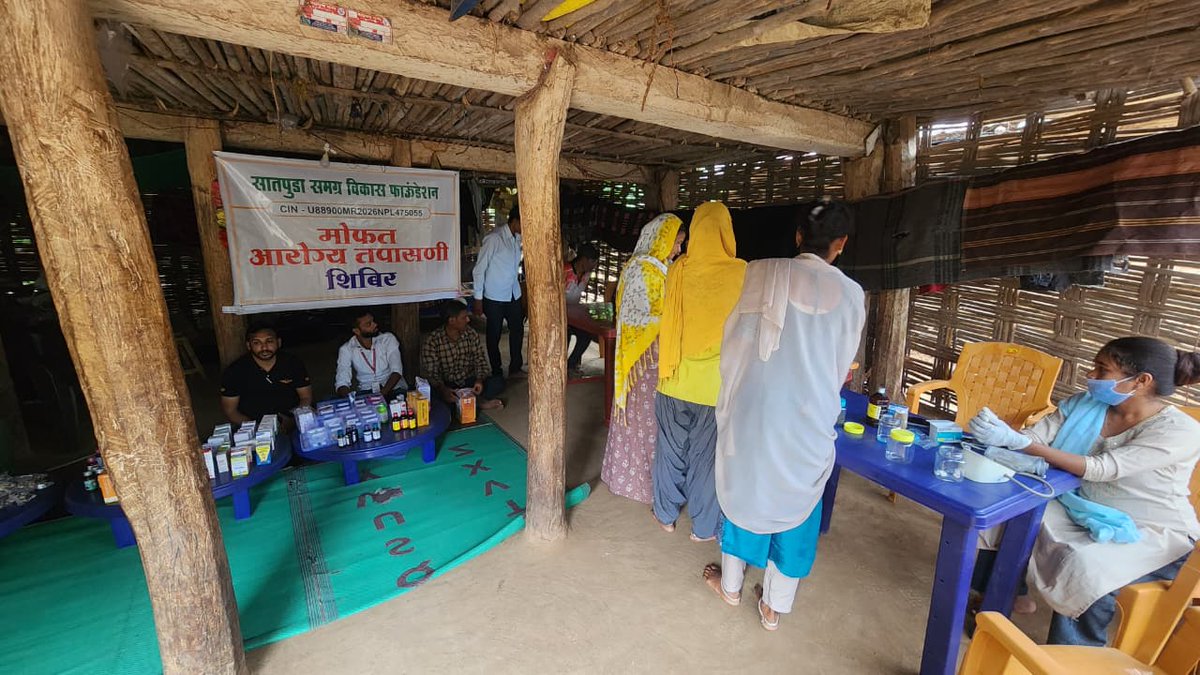
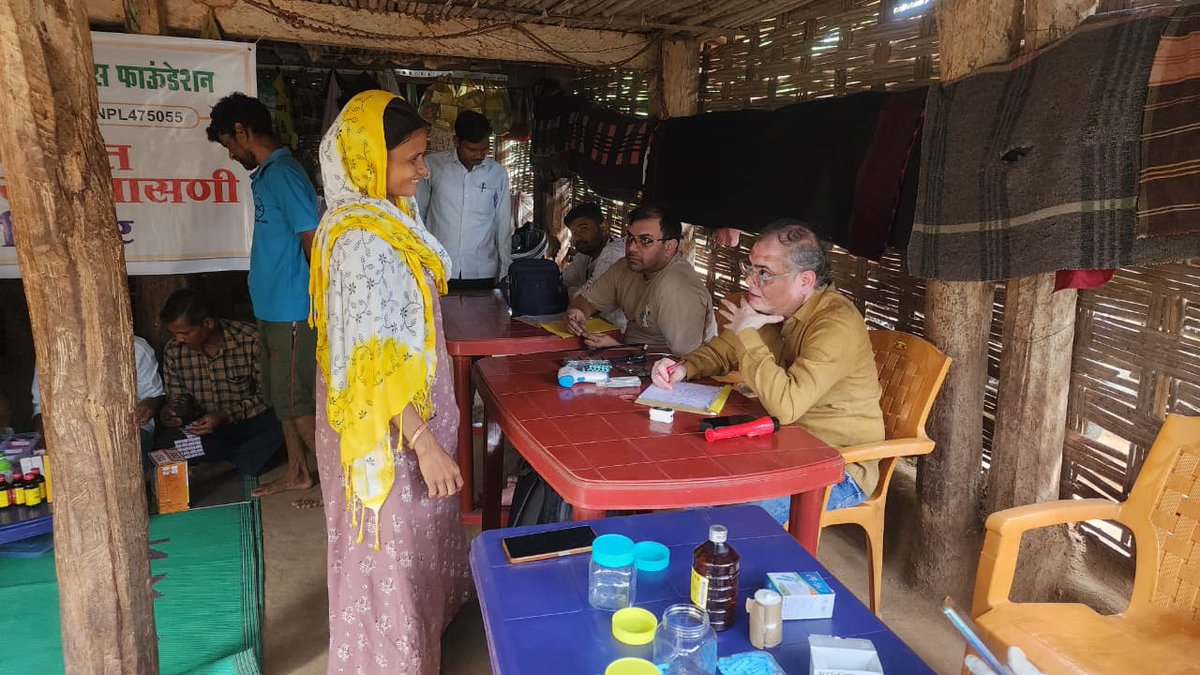
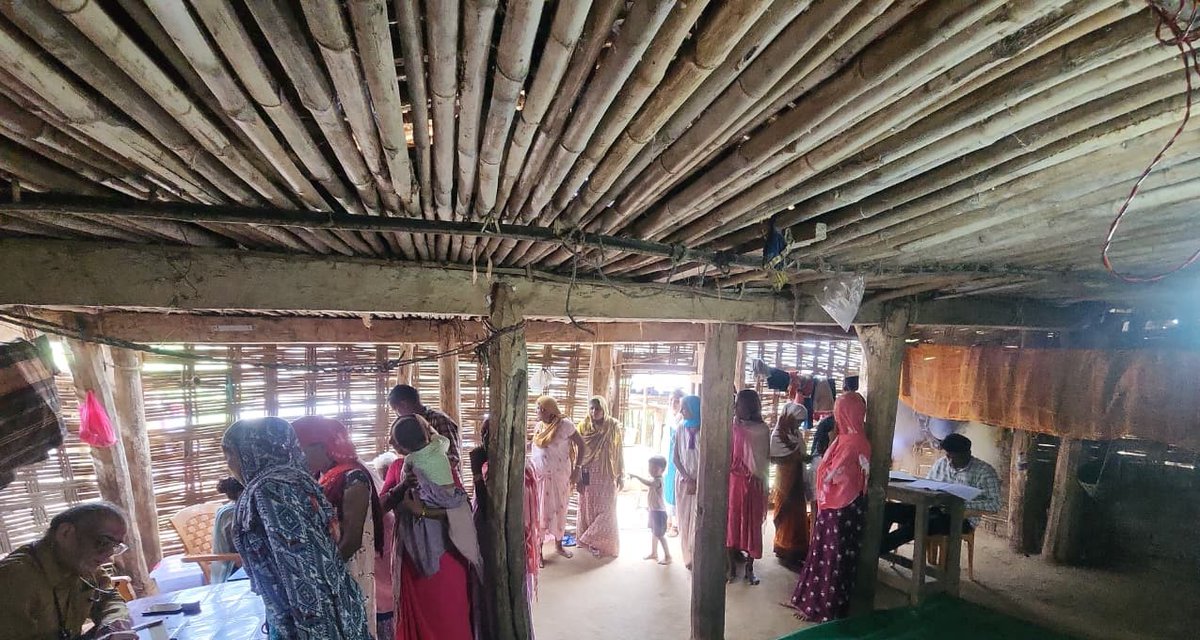
फील्ड ऑफिसर्स, GNM ताई एवं कम्युनिटी हेल्थ वर्कर्स का अमूल्य योगदान रहा। 🙏
दुर्गम क्षेत्रों तक स्वास्थ्य सेवाएं पहुंचाना ही हमारा संकल्प है।
स्वस्थ ग्रामीण • सशक्त समाज • समग्र विकास 🌱
सातपुड़ा समग्र विकास फाउंडेशन
सेवा • स्वास्थ्य • समग्र ��िकास
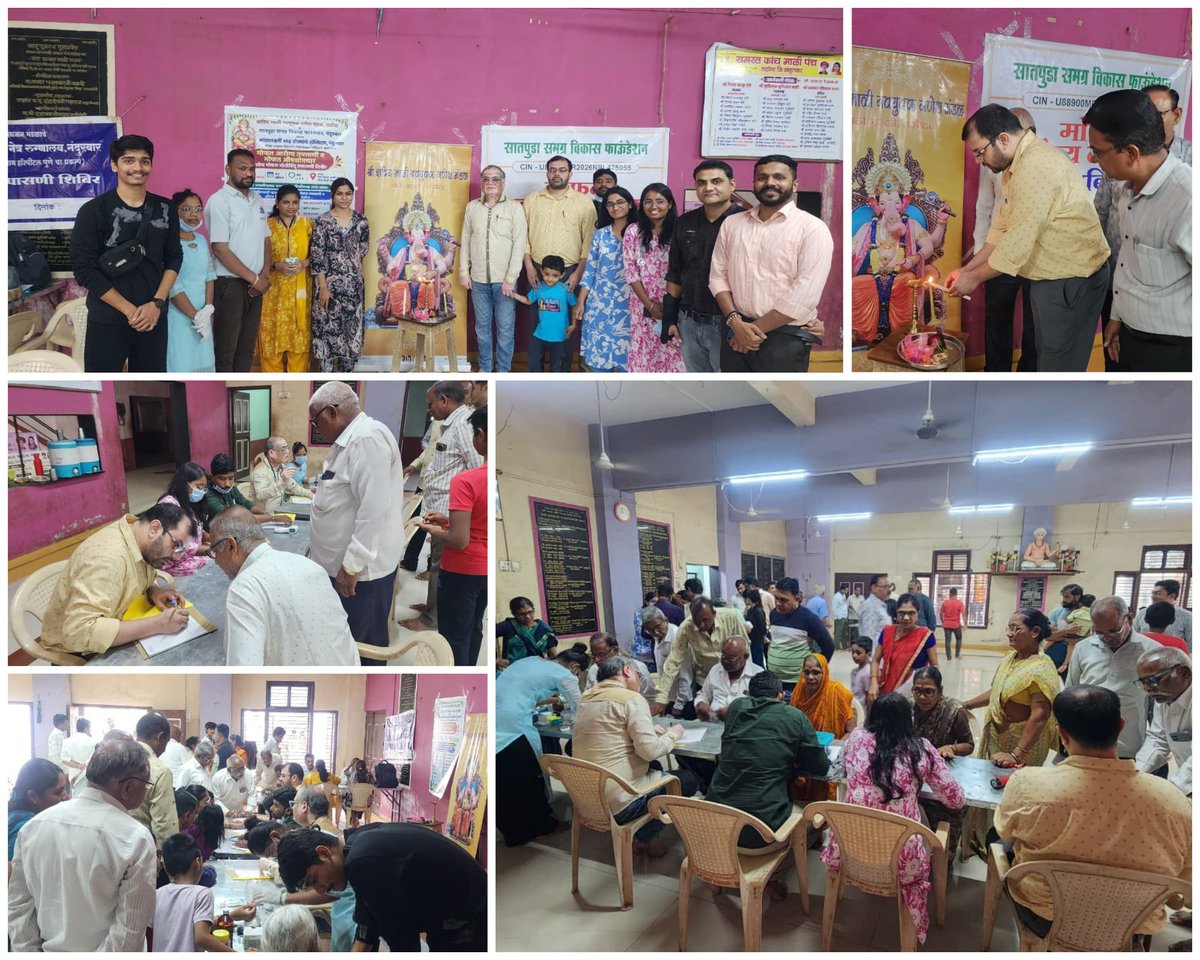
श्री. राकेशजी मगरे (अध्यक्ष),
श्री. अनिलजी सूर्यवंशी (उपाध्यक्ष),
श्री. हेमचंद्रजी टवाले (कोषाध्यक्ष)
श्री. रत्नाकरजी शेंडे (सचिव) एवं गणेश मंडल के सभी पदाधिकारी और कार्यकर्ताओं का अमूल्य सहयोग प्राप्त हुआ।
~ सातपुड़ा समग्र विकास फाउंडेशन
The amount of movement required to blunt a glucose spike is far smaller than almost anyone assumes.
Contracting muscle takes up glucose without insulin. The transporter responsible, GLUT4, moves to the muscle cell surface in response to two separate signals, and contraction is one of them. That is why movement lowers blood sugar in people whose insulin signalling works poorly, and why the effect appears within minutes rather than requiring any training adaptation.
A 2026 trial tested how small the dose could go. Thirty adults completed two evening sessions after a 75 gram glucose drink, one seated and one with a single minute of stair stepping at a self selected pace. Participants rated the effort 1.9 out of 10, which is barely above sitting. The rise in blood glucose from baseline to 60 minutes was 2.5 millimoles per litre after the stairs against 4.3 after sitting, a difference of about 42 percent. Total glucose exposure over the session was lower as well. The evening was chosen deliberately, because the same carbohydrate load raises blood glucose more at night than in the morning.
One minute sits right at the edge of what works, and it does not work everywhere. The same research group ran the identical comparison in the morning with 1, 3 and 10 minute bouts. Three minutes and ten minutes lowered glucose. One minute did not, and the result was nowhere near significant. Then they ran it again after a real mixed meal of 650 calories rather than a glucose drink, and one minute did work, lowering glucose by 14 milligrams per decilitre. So the honest reading is that one minute is enough after a normal meal and enough in the evening, but not reliably enough after a morning glucose challenge. Three minutes worked in every version. If you want a duration that is robust across conditions, it is three, not one.
Timing turns out to matter more than duration. A 2023 meta analysis of eight crossover trials in 116 people, about 40 percent of whom had type 2 diabetes, compared exercising before a meal, after a meal, and not at all. Exercising after the meal beat exercising before it and beat doing nothing. Exercising before the meal was statistically indistinguishable from doing nothing at all. The analysis also found that the gap between finishing the meal and starting to move independently predicted the size of the benefit, with shorter gaps producing larger effects. A short walk taken immediately outperforms a longer one taken an hour later.
What this changes: not whether you exercise, but what you do in the ten minutes after you finish eating. Sitting down is the default and, for some people, it is the worst option available. Stairs if you have them, a walk if you do not, and starting sooner matters more than going longer.
Morales et al., Exp Physiol 2026;111(6):2956 · PMID 39705060
Moore et al., J Exerc Sci Fit 2024 · PMID 38572086
Kressler et al., Nutr Metab Cardiovasc Dis 2022 · PMID 34896000
Engeroff et al., Sports Med 2023 · PMID 36715875
There is a magnesium ion sitting inside one of the most important channels in your brain, and it spends most of its time blocking it. That is not a malfunction. That block is how your brain decides what to learn.
The channel is the NMDA receptor. It is central to learning and memory, and it has an unusual rule for opening. Glutamate, the brain's main excitatory signal, has to bind to it. But binding alone does nothing, because a magnesium ion is physically lodged in the pore, plugging it shut. The only way to clear that plug is for the neuron itself to already be active and electrically depolarized. Glutamate plus voltage, at the same instant, pops the magnesium out.
So the receptor only opens when two things happen together: an incoming signal and a neuron that is already firing. That makes it a coincidence detector. It is the molecular version of "these two things are related," and that is the cellular basis of learning. When it opens, calcium floods in, triggers an enzyme called CaMKII, and the synapse gets stronger. Strengthening that connection is, quite literally, the physical act of learning something.
The magnesium block is the gatekeeper for the whole process. It keeps the channel silent until the signal is real and coincident, so the brain strengthens what matters and ignores random noise.
This is where it gets interesting. That same block also acts as a brake on overexcitation. When magnesium is low, the brake loosens and these channels become easier to open with less provocation. At the mechanism level, that means the threshold for excitation drops. This is a clean, well-established piece of biochemistry. It is also exactly the kind of mechanism that gets oversold, so be careful with the leap from "magnesium gates NMDA receptors" to "magnesium fixes anxiety." The gating is real and rigorous. The clinical claims downstream of it are a separate, much messier question.
What is not in doubt: a single magnesium ion sitting in a channel is one of the most elegant control switches in human biology, and it is running quietly in your head right now.
Jahr & Stevens, J Neurosci, 1990
Hou et al., Mol Neurobiol, 2020
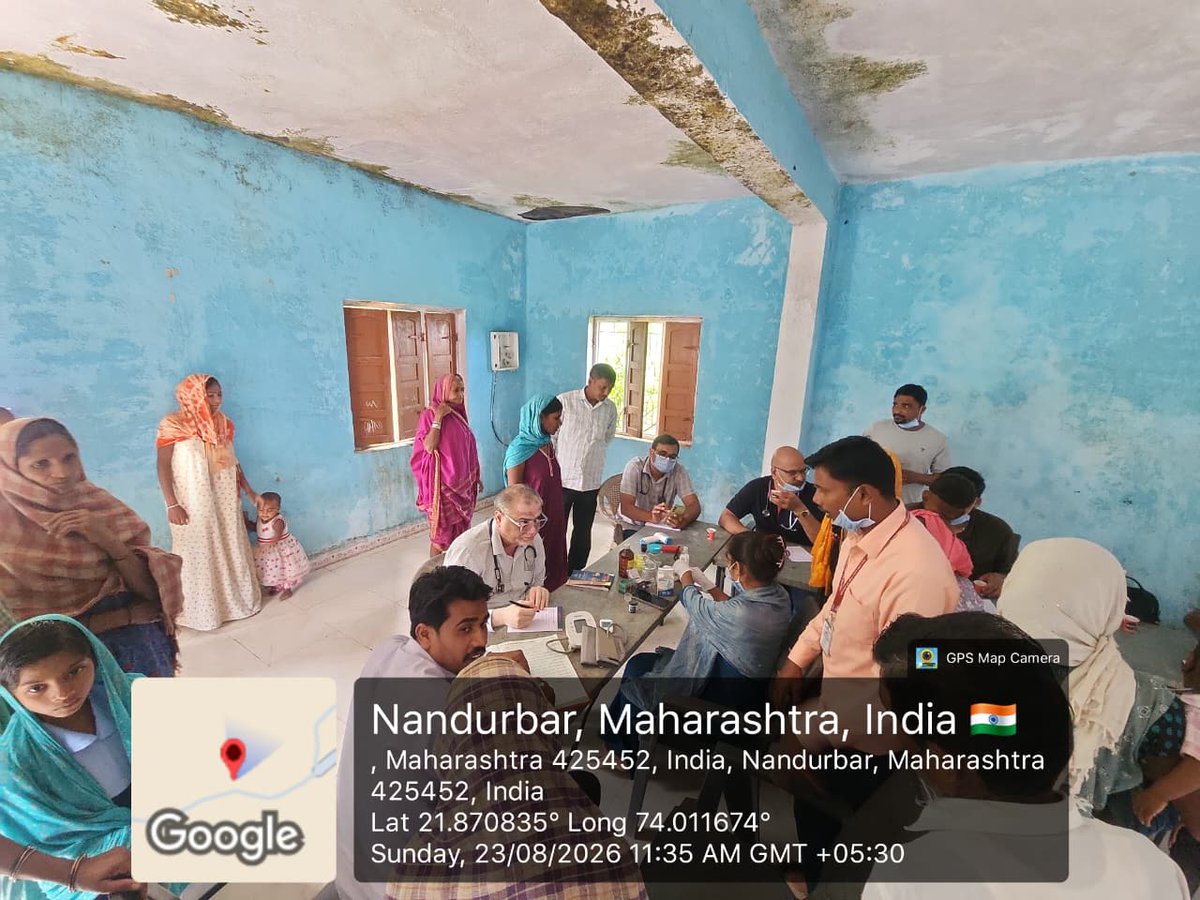
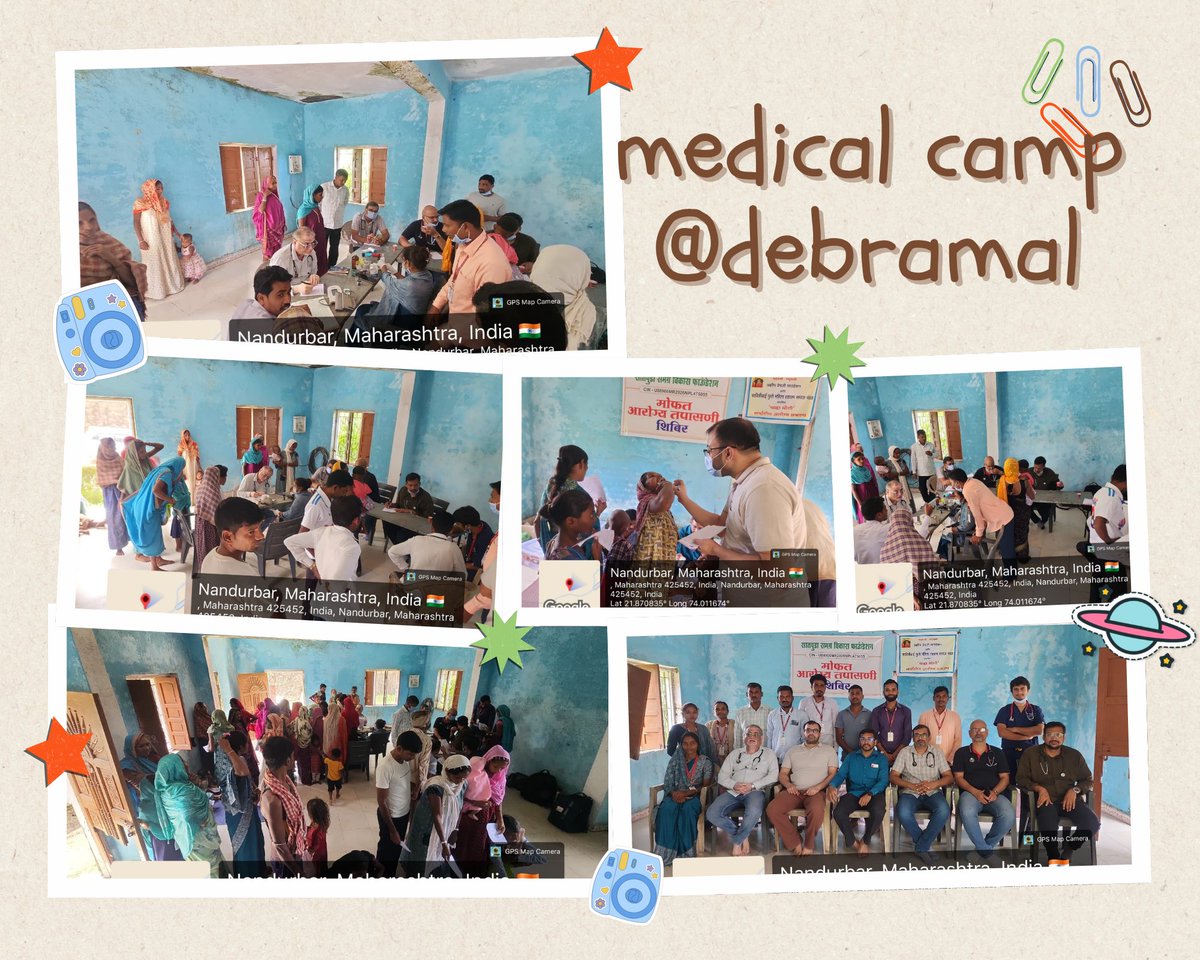
इस शिविर के नियोजन में सावित्रीबाई फुले एकात्म समाज मंडल द्वारा संचालित याहा मोगी माता प्रकल्प के प्रकल्प प्रमुख श्री. निखिल जी किन्हेकर एवं प्रकल्प के सभी कार्यकर्ताओं का अमूल्य सहयोग प्राप्त हुआ।
~ सातपुड़ा समग्र विकास फाउंडेशन
शिविर में उपस्थित चिक��त्सक:
* डॉ. सचिन खलाणे - बालरोग विशेषज्ञ
* डॉ. भरत चौधरी - बालरोग विशेषज्ञ
* डॉ. राहुल कच्छानी - बालरोग विशेषज्ञ
* डॉ. सारंग माळी – फैमिली फिजिशियन
* डॉ. निकुंज शाह – दंतरोग विशेषज्ञ
* डॉ. उमेश जाधव – जनरल सर्जन