A church can hold centuries of history and still be part of ordinary life: bells over the rooftops, a choir practising, someone unlocking the door.
That is what this page is here to share. Britain’s churches, inside and out, through real videos, photographs and the stories of the people around them. Grand cathedrals and tiny chapels, remarkable details and familiar parish routines.
We want to help save British churches and protect the heritage they hold: our history, Christian traditions and the places that have brought communities together for generations.
Follow this page and share our posts to help more people discover these churches and care about their future. Know a church, story or local tradition we should feature? Send us a DM.
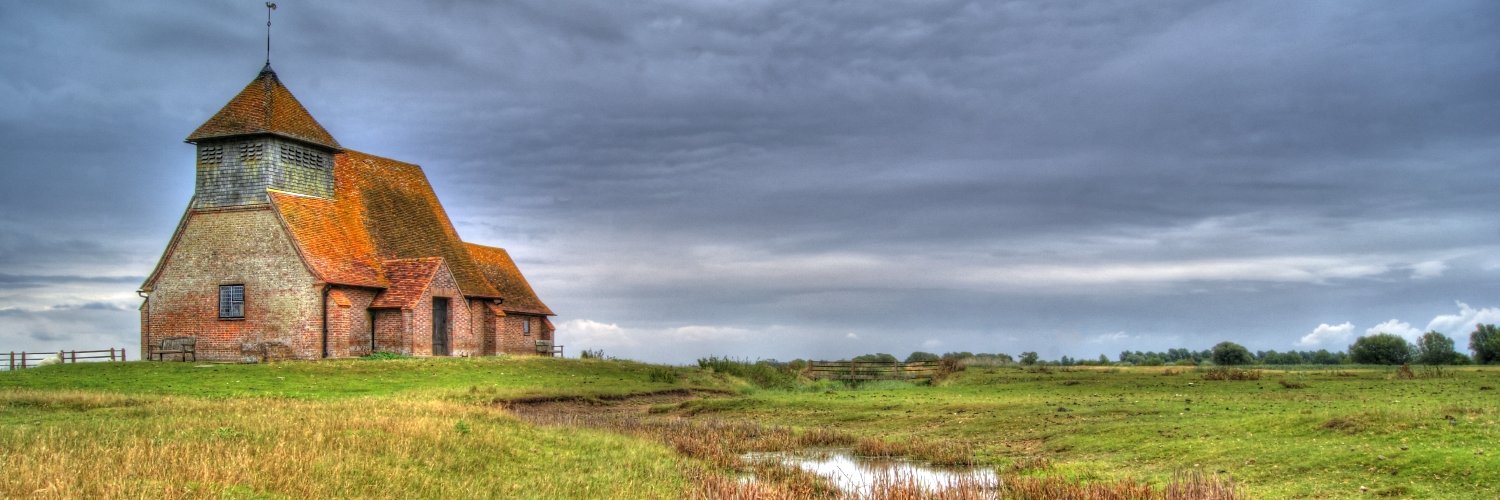
MOVING: Two wartime nurses built St Mary of the Angels in Gloucestershire to help others recover ⛪
Bertha Kessler and Katherine Hudson had both needed psychiatric care after serving as nurses during the First World War, before founding a Catholic community at Brownshill, Gloucestershire.
After their recovery, they devoted their lives to spiritual healing and bought a house in the village in 1927 to care for people suffering from the effects of trauma.
Their work grew into a community spread across several houses, with a church overlooking the Golden Valley at its heart.
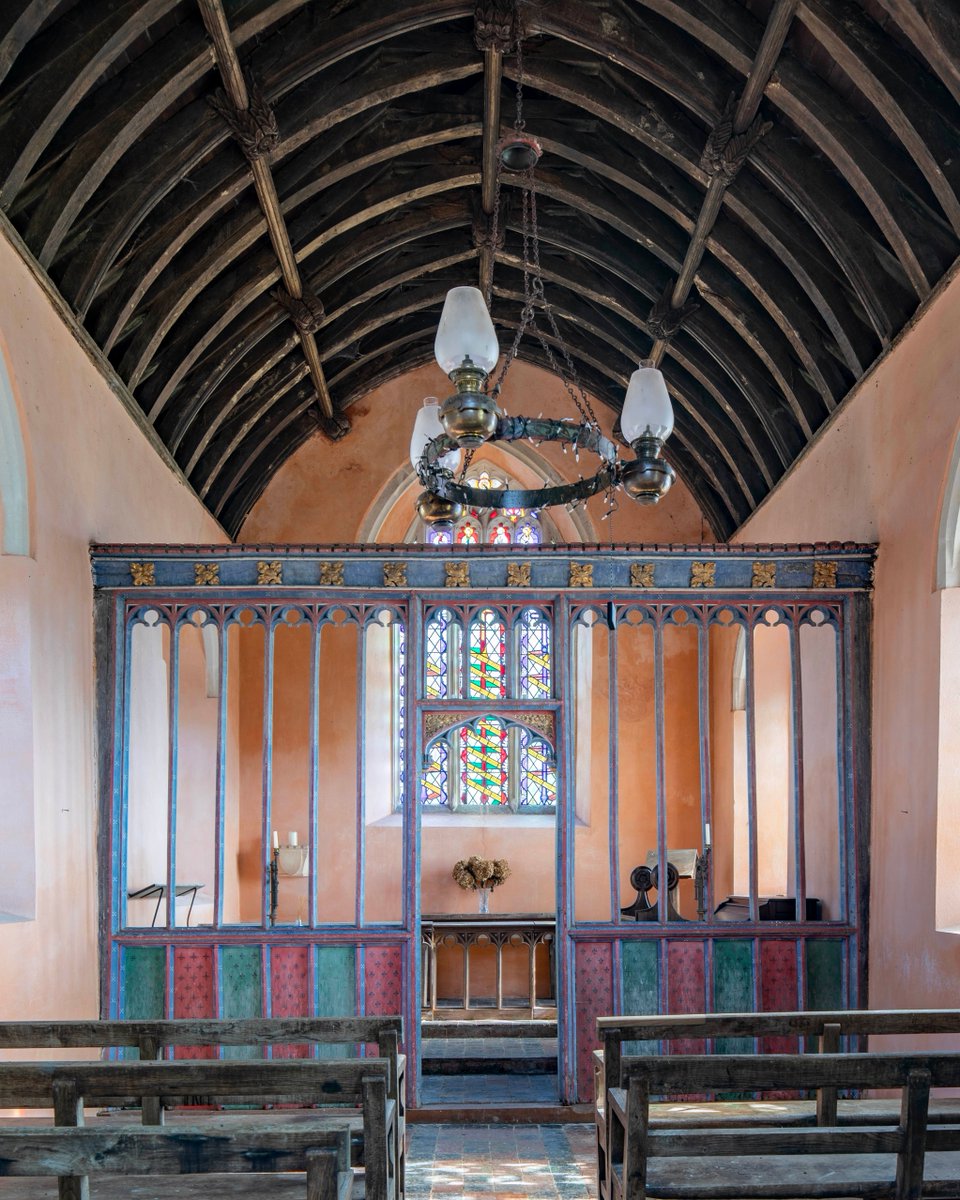
They used their own small savings to build St Mary of the Angels and asked architect W D Caröe to design it.
The church was consecrated in 1937.
Kessler and Hudson died within three weeks of each other in 1963 and were buried side by side beneath simple crosses in the churchyard.
The community continued after them, until the nuns left Brownshill in 2006.
Friends of Friendless Churches took ownership of the closed church in 2010 and completed six months of repairs early in 2026, renewing the wooden shingles on its little bell tower and repairing and redecorating the interior.
St Mary of the Angels is open daily, with the founders still resting beside the church they built.
A small church with two lives of care at its heart.
ONGOING: A former aerospace factory worker is learning to care for Salisbury Cathedral in Wiltshire ⛪
George Minchington and Flo Whiting joined the cathedral’s stonemasons at the end of August, beginning three years of practical training.
George came from Devon, where she had worked in an aerospace factory, with a love of stonework that had grown during her travels.
She described the chance to work at the cathedral as a “physical manifestation of devotion”.
Flo’s route began with hearing stonemasons and archaeologists speak at the Chalke History Festival.
She tried some work experience, decided the craft was for her and applied for an apprenticeship.
She came from the Isle of Purbeck (the same place as the cathedral’s Purbeck stone).
Both have joined a team that maintains and restores the cathedral and cares for the buildings around it.
Salisbury is one of ten of England’s 44 cathedrals with its own Works Department, bringing stoneworkers together with glaziers and other craftspeople.
Good to see two new pairs of hands joining Salisbury’s stoneworkers.
HEARTENING: Wamphray neighbours in Dumfries and Galloway raised more than £45,000 to get their church keys back ⛪
When regular services stopped at Wamphray Church, trustee Linda McMinn feared she would never set foot in her beloved church again.
Less than a year after the closure, the Friends of Wamphray Church completed its purchase from the Church of Scotland.
Their appeal reached beyond this Scottish glen, bringing donations from across Britain, America and Canada, alongside a grant from Clyde Wind Farm and SSE Renewables.
The group also built its membership, prepared a business plan and commissioned a detailed survey of the building’s condition.
That work was about taking responsibility for what would happen after the keys changed hands.
The church, built in 1834 near Beattock, now has a community group planning to bring people through its doors for weddings, concerts and other events, as well as a nature and heritage hub.
First comes a job that rarely makes the romantic picture of saving an old church: installing toilets.
Secretary Rob Harrison named that as the essential starting point in getting the building ready for community use.
A Christmas Eve carol service is planned too, giving Linda and her neighbours something familiar to return to as the church begins this new chapter.
Carols back on the calendar, and neighbours holding the keys: a lovely Christmas prospect for Wamphray.
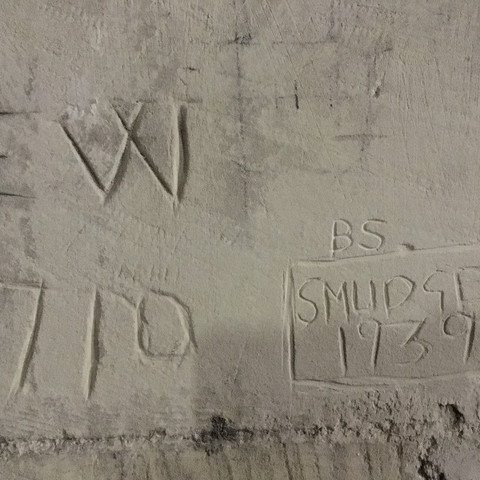
REMARKABLE! ⛪ Volunteers spent a year mapping graffiti at Salisbury Cathedral.
Look past the stained glass and there are initials, animals and flowers cut into the stone.
Some marks are thought to have been carved for protection, though their meaning is still debated.
The cathedral’s guides point out designs left by the stonemasons and gaming boards scratched into the building.
A mason’s drawing helps explain how the cathedral was built, while a scratched board makes it easier to picture how people spent time inside it.
REMARKABLE! ⛪ York’s glaziers restored the 95-panel St William Window at York Minster.
Walk along the North Quire Aisle and you can see those panels together, high above the floor.
A window that fills your view from the aisle becomes close work at the bench, where the glaziers can lean right over the coloured glass.
The team at the York Glaziers Trust also took on the St Cuthbert Window, as part of its work caring for the Minster’s 128 stained-glass windows.
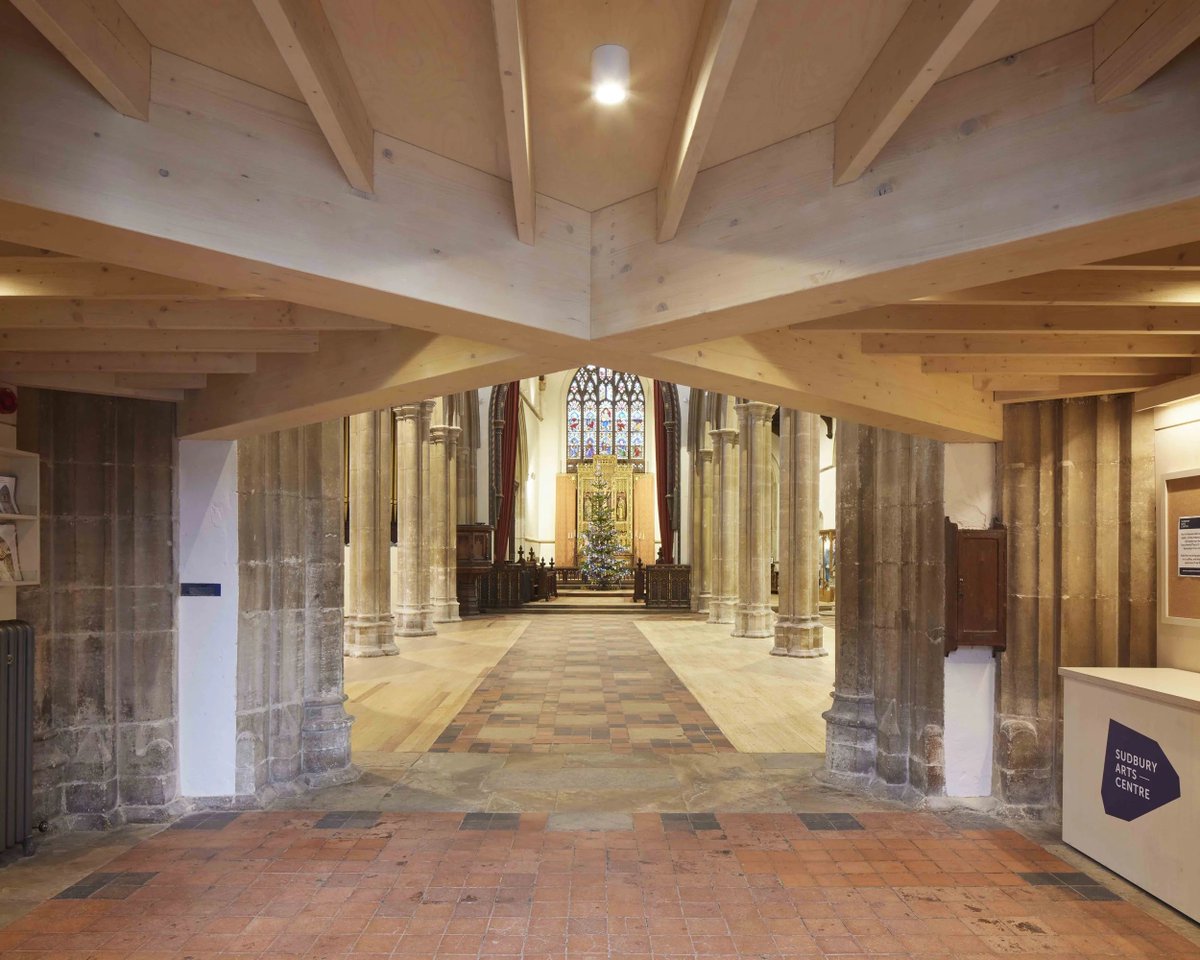
REMARKABLE! ⛪ Volunteers gave St Peter’s in Sudbury a second life by running the former church as a venue.
The Friends of St Peter’s looked after the building for the Churches Conservation Trust, then saw that it needed to bring in younger volunteers and reach more of the town.
The Trust repaired the roof before it could put the building out of use and added toilets, a kitchen and a lift.
By the end of 2023 the work was finished, giving Sudbury Arts Centre a home in the building local people had already spent years keeping open.
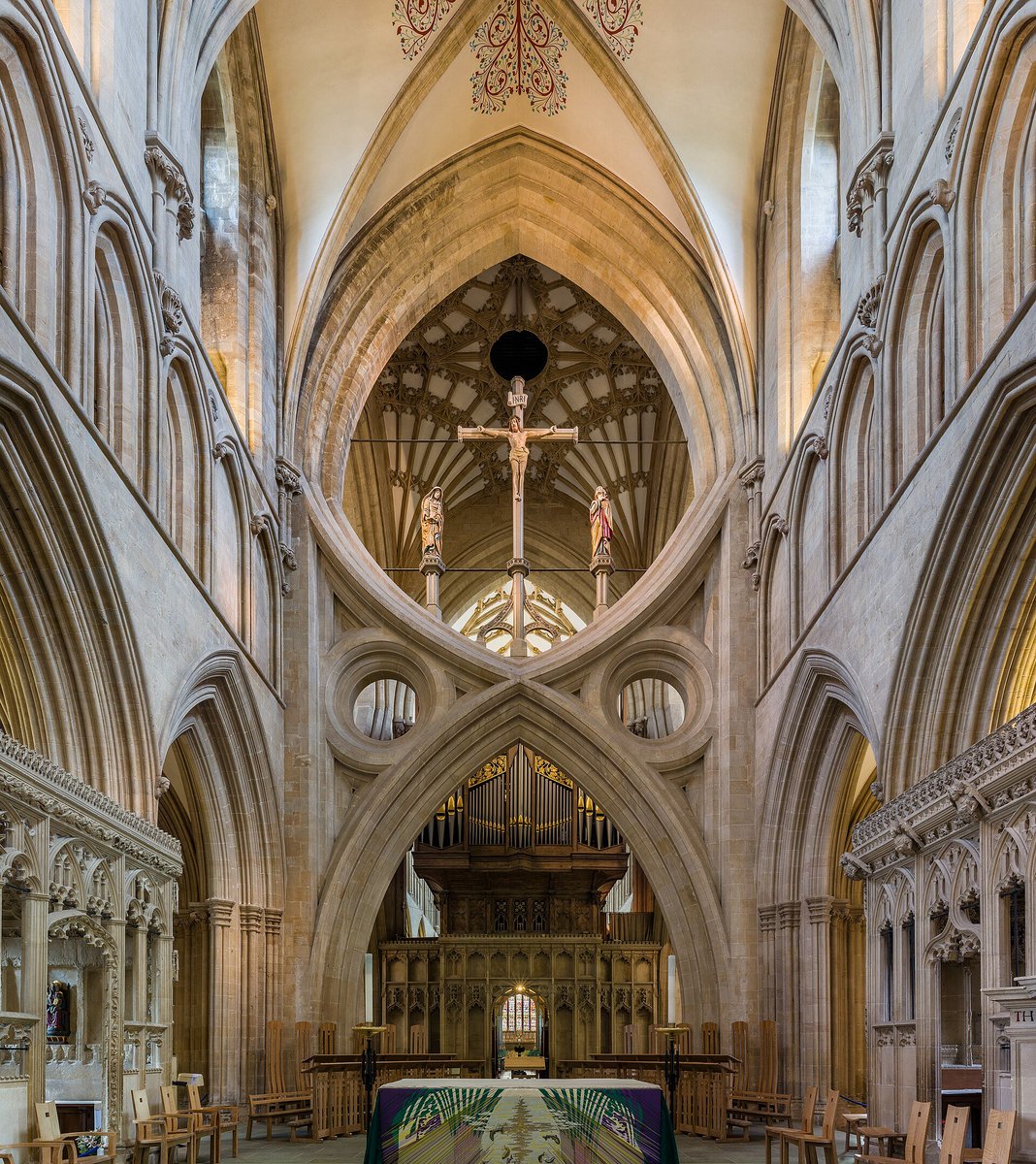
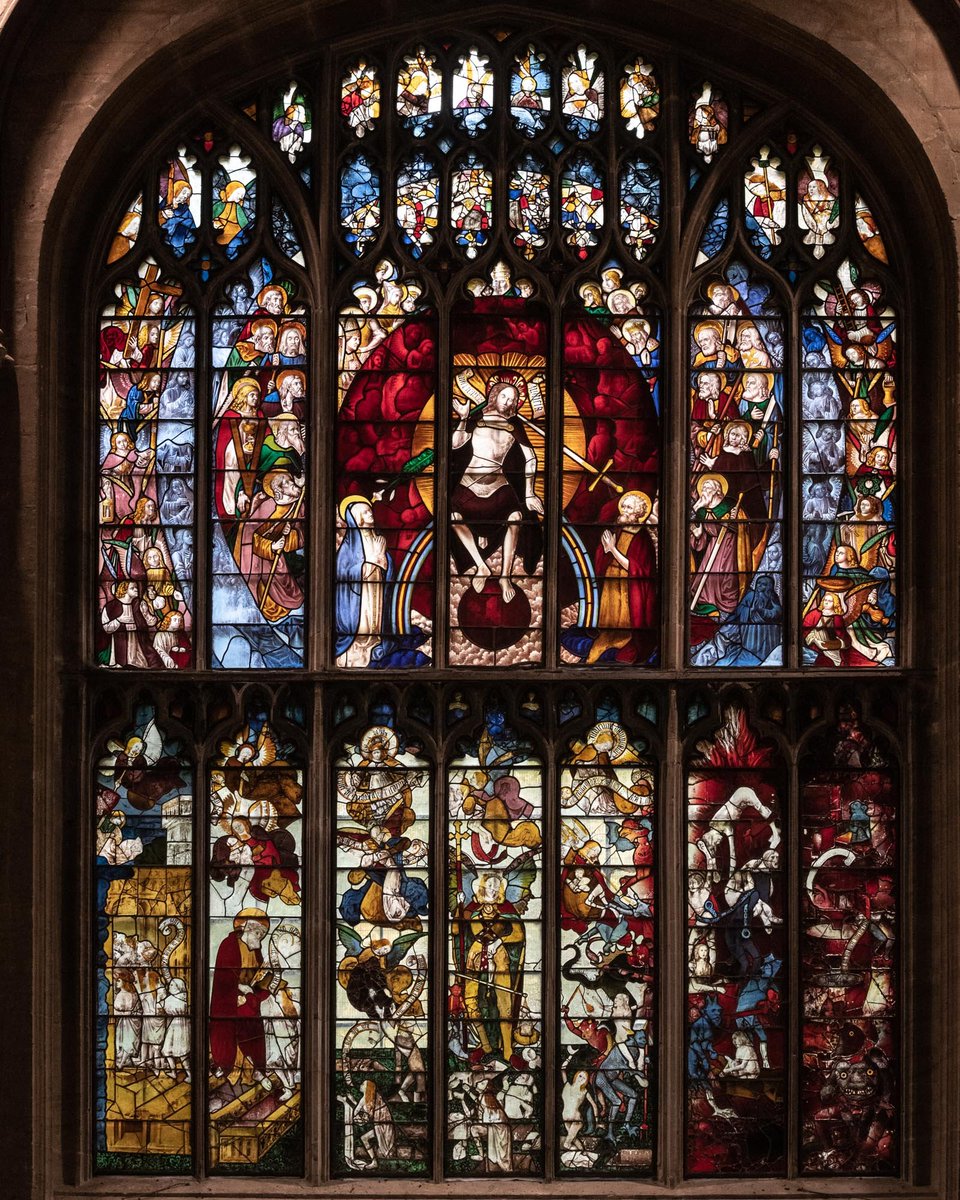
REMARKABLE! ⛪ St Mary’s in Fairford, Gloucestershire, sent the top half of a medieval window for repair-and got a Victorian replacement.
In 1863, during the Victorian period, the church commissioned the Smethwick glassmakers Chance Brothers to restore its Great West Window.
The company returned a close copy in new glass, which it considered superior.
The outcry brought a restriction on future work: original material was to be preserved, with careful repairs and limited restoration.
Fairford’s glass forms a scheme of 28 windows, made around 1500–1515 and designed together for this church.
The Great West Window depicts the Last Judgement, bringing a whole wall into the telling.
Replacing a panel can preserve its subject while removing the brushwork of the people who made it.
The conservation programme completed in 2010 protected the old glass by changing what surrounds it.
An extra clear layer shields the ancient panels from the weather, while air from inside the church passes over both faces of the stained glass.
That helps keep moisture away from painted surfaces, where it can encourage corrosion, lost detail and mould.
St Mary’s receives thousands of visitors a year, and its stewards normally have binoculars available for the higher windows.
REMARKABLE! ⛪ St James the Great in Stoke Orchard, Gloucestershire, made conserving its painted walls a chance to train new conservators.
In 2019, the parish’s church council began planning work to protect paintings that had survived across several centuries.
Its small congregations already shared responsibility for two medieval churches, meeting in each on alternate weeks.
At St James’s, five different painting schemes survive, with scenes from the life of St James among the earliest.
Later generations had added their own decoration, leaving different periods together on the walls.
The parish worked with the Diocese of Gloucester and raised more than £85,000 in grants in just over six months.
The Perry Lithgow Partnership, specialists in painted surfaces, took on the conservation.
Alongside cleaning and stabilising the paintings, the team made room for a conservation intern and a graduate.
They gained practical experience beside accredited conservators, with one of the senior partners on site throughout the work.
Parish project manager Roger Grimshaw described what drew people into the building: “This church gives you a big hug when you come in”.
REMARKABLE! ⛪ Dunfermline Abbey in Fife received 49 stained-glass fragments, but all ten church windows were intact.
In November 2020, during Covid restrictions, parish minister MaryAnn Rennie collected a parcel addressed to “Bob Brewse”.
Inside were the glass, an old newspaper and a note signed “CEEPS”.
The anonymous sender said they had picked up the pieces beneath scaffolding more than twenty years earlier and wanted to return them.
The congregation could not place them, and a social media appeal brought no answer.
In 2023, Rennie asked historian Michael Penman for help, beginning a collaboration with scientist Craig Kennedy and stained-glass conservator Vivienne Kelly.
Kennedy tested the glass’s ingredients, narrowing its age to between the 1870s and 1930s.
Kelly studied the painted details, including an angel’s wing, a robe’s knotted border and a thistle.
She matched the pieces to the Margaret Window, dedicated in 1932, which depicts Queen Margaret’s marriage to King Malcolm Canmore.
The window had looked complete because damaged sections had been replaced, though the newer glass differed slightly in colour and texture.
By January 2025 the fragments had their place in the church’s history again, but the identity of CEEPS remained unknown.
REMARKABLE! ⛪ Holy Trinity Church in Sibford, Oxfordshire, found a hidden boot and returned it with a modern companion.
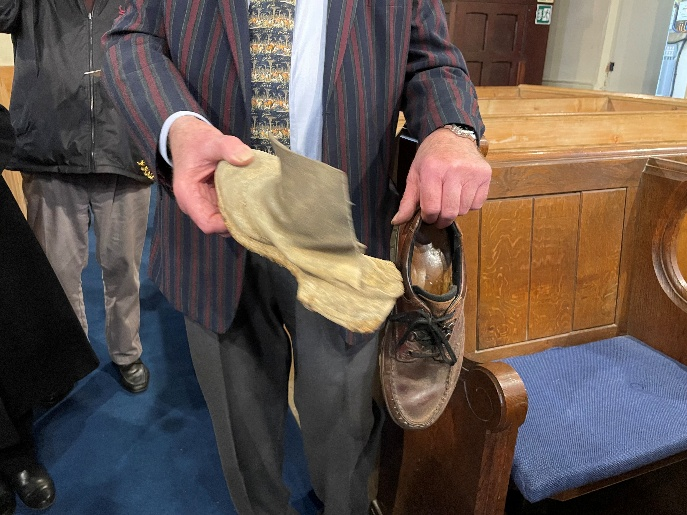
During building work in 2025, a worn hobnailed boot was found beneath the floorboards of the church’s north transept.
Part of its heel and side leather were missing, but photographs gave Northampton Museum enough detail to identify it.
A curator described a working man’s front-lacing boot dating from around the 1860s.
The person who wore it and the reason it was hidden remain unknown.
The church’s building work provided a level floor, kitchen servery, social space, toilet and better access. When it was finished, the parish decided to return the old boot to its hiding place.
It went back with a contemporary shoe belonging to the project manager, marking the completion of another round of work on the building.
After the new facilities were blessed, both shoes disappeared beneath the floor again.
ENCOURAGING! ⛪ St Bede’s in Morris Green, Bolton, doubled its congregation after listening to families who could not come on Sundays.
In 2022, as church life rebuilt after the Covid-19 pandemic, St Bede’s had around 30 adults and a handful of children at its Sunday service.
The church had strong links with its nearby primary school, but few of those families joined it for worship.
A community survey asked, “How can we help you?”
Families wanted a midweek service because they could not attend at 10am on Sundays.
The parish set up Worship on Wednesday, meeting from 6.15pm to 7pm for prayer, Bible readings and singing.
By July 2025, vicar Vinny Whitworth reported around 40–50 adults and children coming each week, doubling the church’s congregation.
The new service also led to baptisms and confirmations.
In the middle of the 19th century, the late medieval Ayshford Chapel in Devon was given a tasteful restoration, which included the installation of some stunning stained-glass windows.
1/9
The narrow stairs at All Saints, North Cerney, Gloucestershire, lead to a convincing medieval illusion: a rood loft (wooden gallery) installed in 1929. ⛪
ENCOURAGING! ⛪ Brechin Cathedral in Angus passes into community ownership after its congregation became too small to maintain it.
In August 2026, the Church of Scotland handed the keys to Brechin Cathedral Trust, completing a change that began with local people opening the building for tours and events.
Regular worship had ended in November 2021, when the congregation was dissolved because it could no longer carry the cost of looking after the medieval cathedral.
The Friends of Brechin Cathedral took on its management in 2023, under an agreement with the Church of Scotland’s property trustees.
Members went on to establish the trust that now owns the cathedral.
Caroline Fife, who chairs the trust, wants the building to serve the town through events and community programmes.
The people who first took responsibility for welcoming visitors now hold the keys on the community’s behalf.
REMARKABLE! ⛪ Volunteers gave St Peter’s in Sudbury a second life by running the former church as a venue.
The Friends of St Peter’s looked after the building for the Churches Conservation Trust, then saw that it needed to bring in younger volunteers and reach more of the town.
The Trust repaired the roof before it could put the building out of use and added toilets, a kitchen and a lift.
By the end of 2023 the work was finished, giving Sudbury Arts Centre a home in the building local people had already spent years keeping open.
REMARKABLE! ⛪ St Richard’s in Brighton went from closed doors to around a hundred people on a Sunday in four years.
When the Hollingdean church reopened in 2021, a group of about 20 gathered for a Sunday morning Alpha course, while the church also made room for a food bank, community meals and weekly prayers.
On Wednesdays, neighbours can drop into the church’s support café for a cup of tea, an emergency food parcel or a chat with an adviser from Citizens Advice.
REMARKABLE! ⛪ Electricians working above a ceiling in Nottingham found two paintings the congregation thought it had lost.
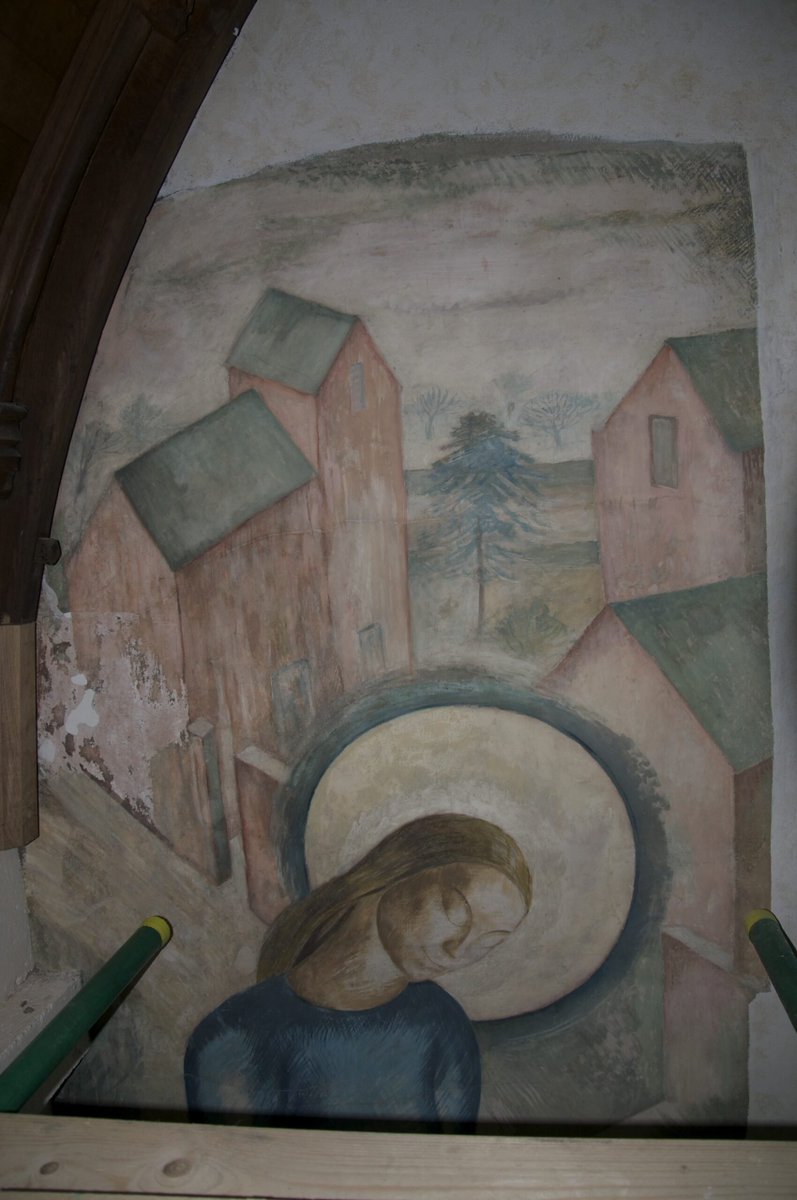
Evelyn Gibbs had painted the Annunciation in 1946 at St Martin of Tours in Bilborough, setting Mary and Gabriel against a backdrop that included the church itself and the farm next door.
During the 1972 remodelling, a suspended ceiling hid the upper parts and the lower parts were painted over.
When the electricians found the murals in 2009, the two halves needed different work: conservators saved the surviving paint above, while a specialist recreated the parts buried under emulsion.
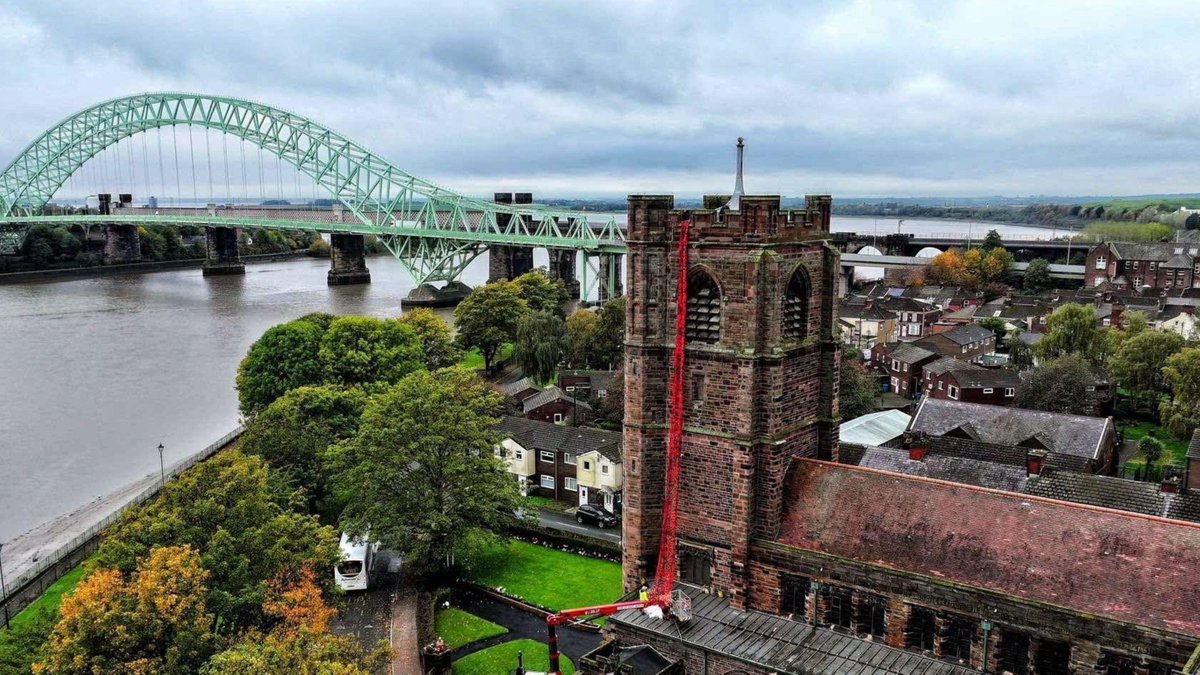
REMARKABLE! ⛪ Hundreds of people made more than 15,000 poppies for the tower of St Mary’s West Bank in Widnes.
The youngest contributor was two and the oldest was 92, and a former resident sent a suitcase of handmade poppies from Canada.
The West Bank boat club supplied the netting that held it all together, giving the volunteers something to stitch each flower onto.
When the church unveiled the display in October for Remembrance Sunday, the cascade reached 131 feet.