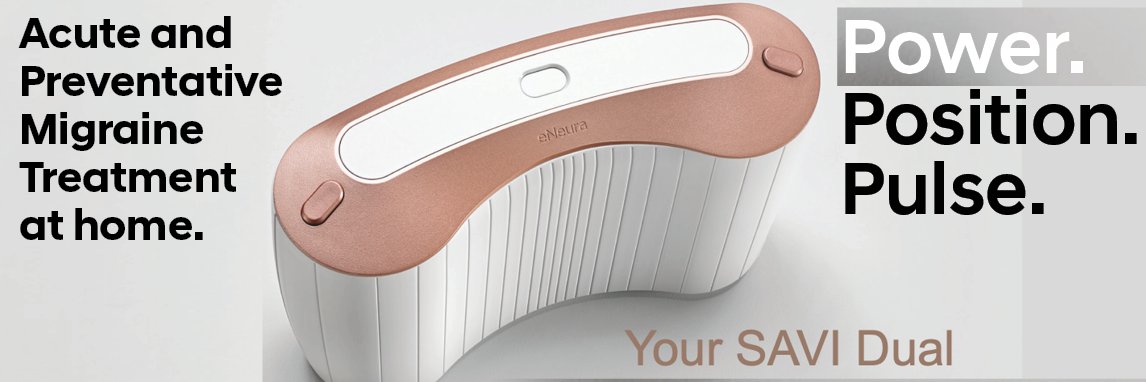
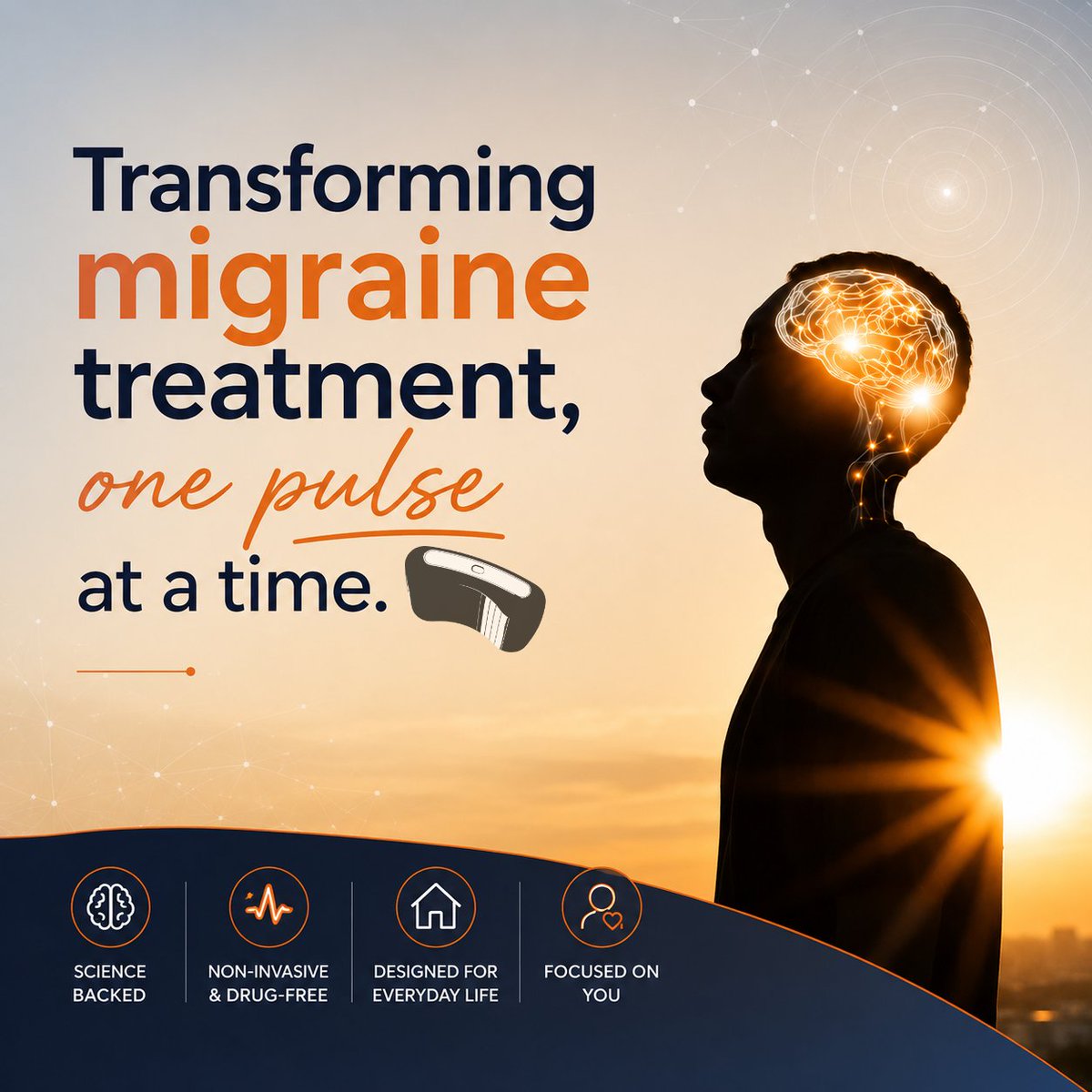
1st and ONLY Non-Invasive Central Neuromodulation treatment for migraine: Patient-Controlled and Portable Single-Pulse Transcranial Magnetic Stimulation (sTMS)
Special thanks to the @amfmigraine for creating and featuring this valuable resource for patients exploring Single Pulse Transcranial Magnetic Stimulation (sTMS) as a migraine treatment option. 🧲 #TMS#Neuroscience
https://t.co/5oDo0RF1Ff
At eNeura, we believe innovation should fit into everyday life. ✨
Our FDA-cleared, non-invasive technology is designed to provide a drug-free option for individuals seeking a new approach to migraine care — all from the comfort of your home. 🧠
Learn more on our website 🔗 https://t.co/yWvxx9G3uf
#eneura #tms #reliefthatworks #neuroscience #migraine #migrainerelief #stms #drugfreerelief #neuromodulation
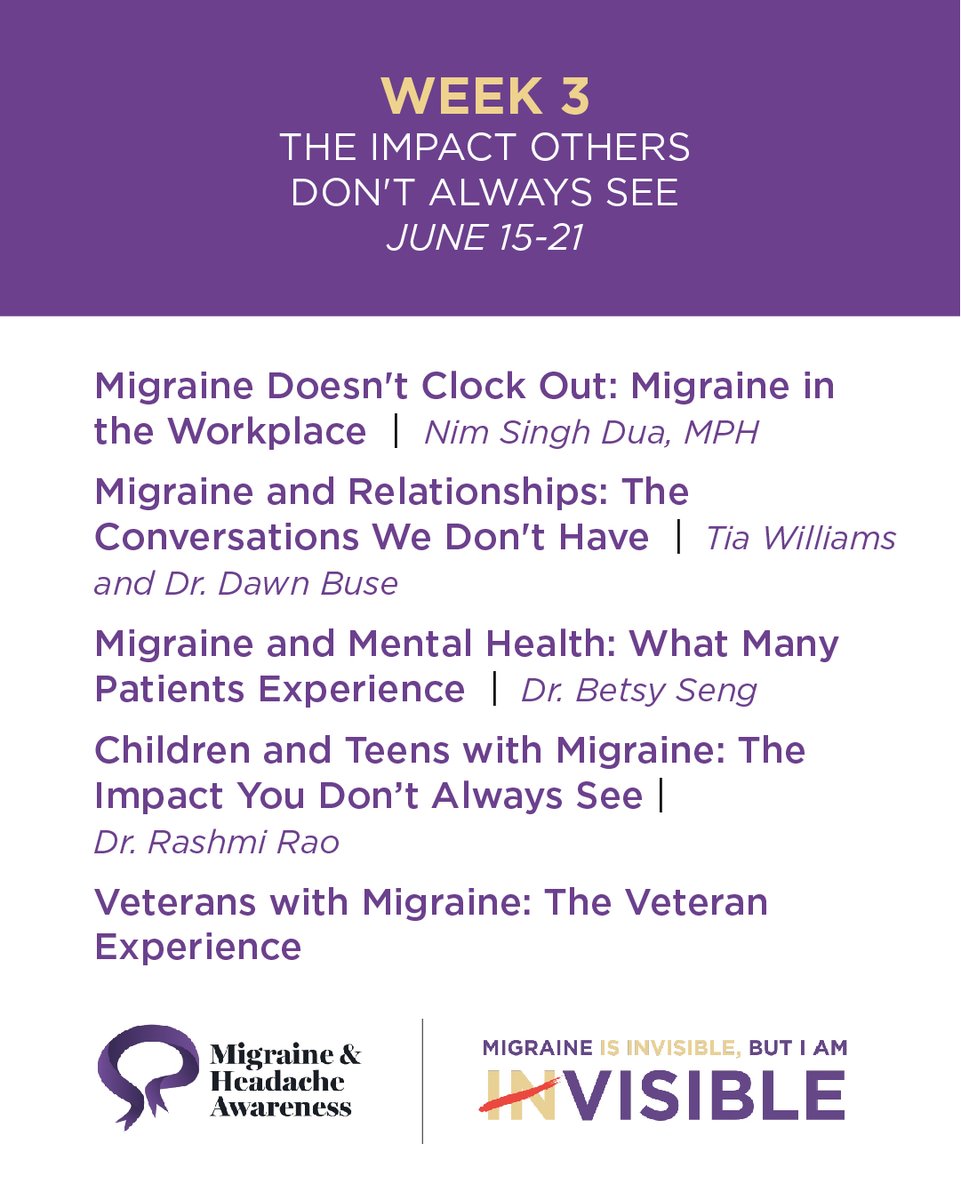
Migraine & Headache Awareness Month is here.
All June long, join us for live conversations with experts as we explore what migraine really is and how it impacts daily life.
Be part of the conversation.
#IAmVisible
A non-invasive therapy designed to help reduce migraine frequency and improve quality of life, all from the comfort of your home. ✨
Learn more about eNeura on our website 🔗 https://t.co/yWvxx9G3uf
#eneura#tms#reliefthatworks#neuroscience#migraine#migrainerelief#stms #drugfreerelief #neuromodulation
Migraines can take a toll beyond the physical pain.
It’s not just about headaches, but the impact on emotional health, mood, and daily life.
#Migraine
Read more here: https://t.co/lwMbPgIoMS
🧠 52.2% of migraine patients have severe disability (MIDAS). Work difficulties include stress, noise, brightness. Higher burden in women, aura, chronic migraine.
#Migraine#Disability#HEADWORK#WorkProductivity
🔗Read more:https://t.co/k94it9V69x
Break free from migraine pain and take back control of your day—because relief shouldn’t have to wait. 💙
Learn how Eneura can help you 🔗https://t.co/yfwOFnTO8w
#migrainerelief#eneura#tms#reliefstartsnow
Living with migraine can mean missing more than just a moment.
For many people, migraine impacts:
• Work
• Social events
• Family time
• Everyday routines
Migraine affects quality of life — physically, emotionally, and socially.
At eNeura, we believe expanding access to non-drug neuromodulation treatment options can help patients experience fewer interruptions and more of the moments that matter most.
Learn more about SaviDual on our website 🔗 https://t.co/yWvxx9G3uf
#migraine #eneura #reliefthatworks #migrainerelief #neuroscience #tms #neuromodulation #drugfreerelief
“Superior and easier to use.” 💙
After years of searching for relief, this patient found a solution that fit into daily life and supported their migraine management journey.
Learn how Eneura can help you 🔗https://t.co/LCSR1cTsL4
#MigraineRelief#ChronicMigraine#PatientStory #eNeura #MigraineSupport #Neuromodulation #WellnessJourney
Working with migraines can be incredibly difficult.
It’s not just about getting through the day, but managing symptoms while trying to stay productive and present.
#Migraine
Read more here: https://t.co/YtoyMXP6MV
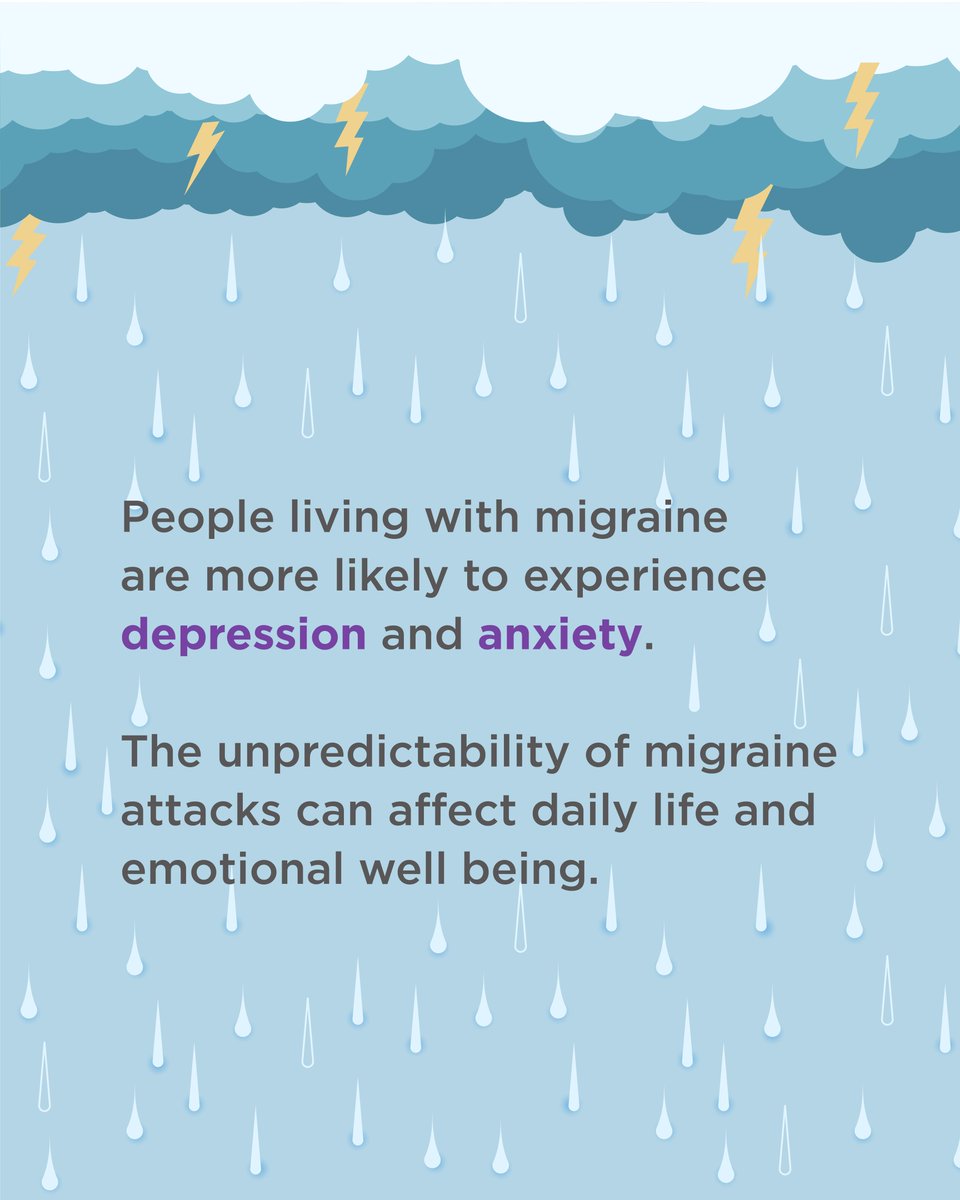
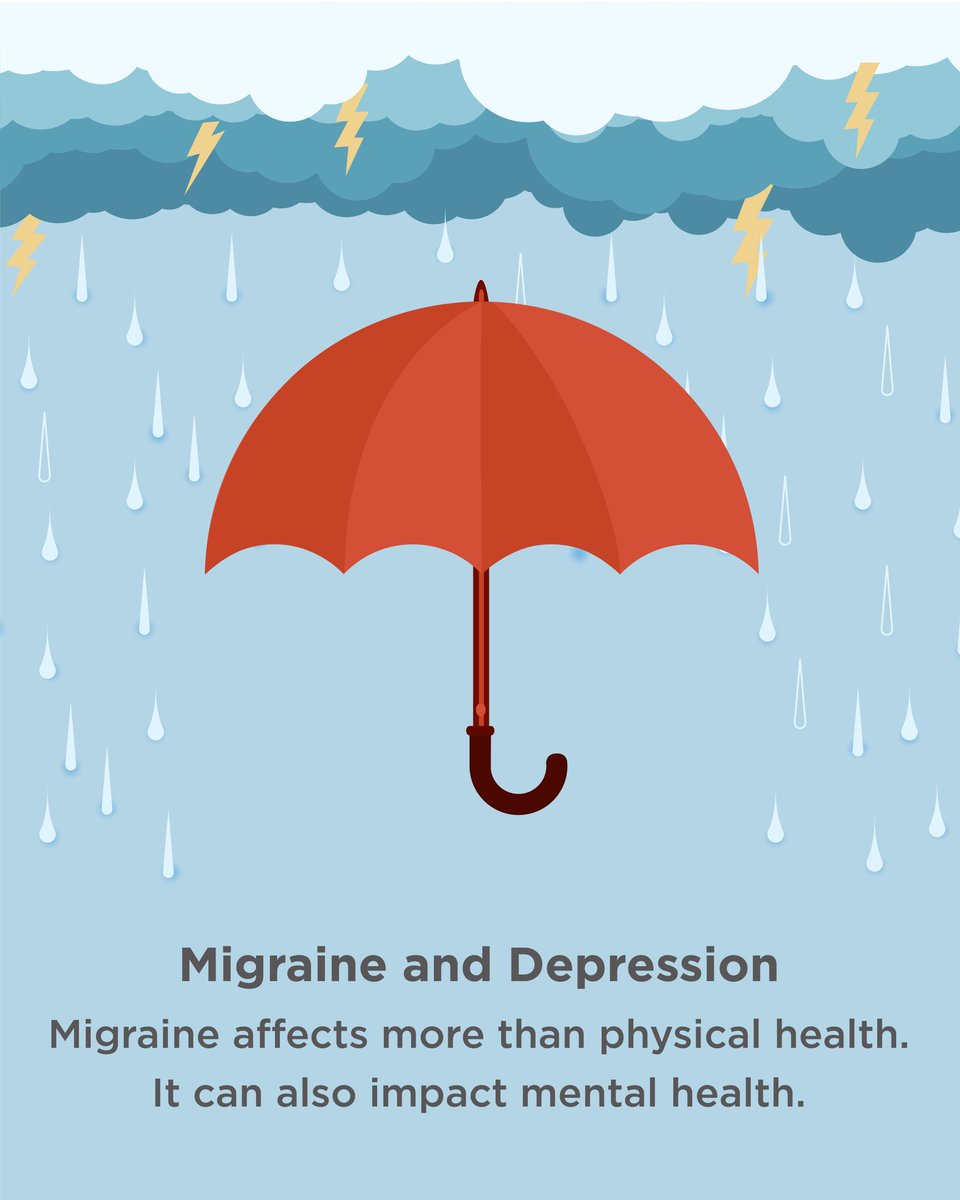
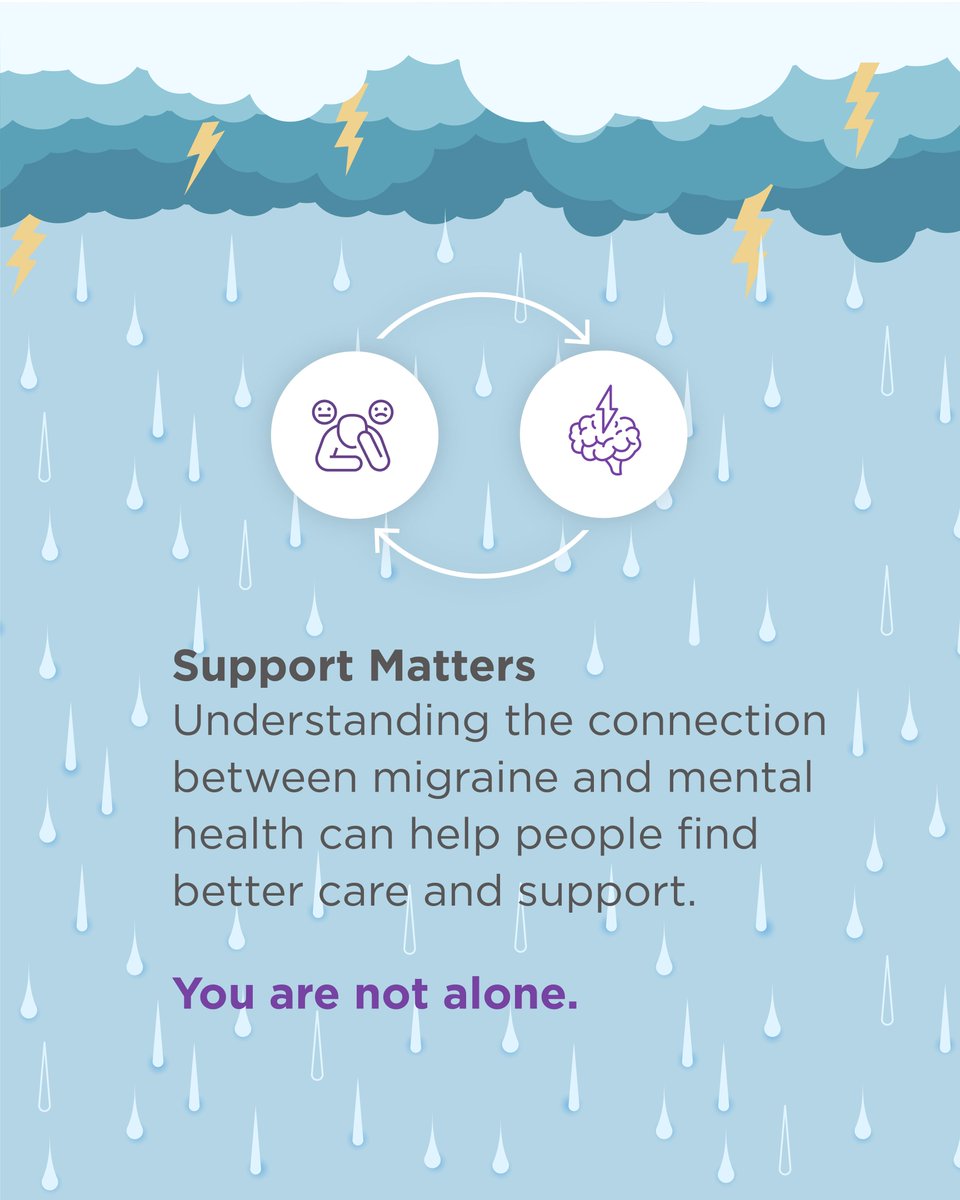
Migraine does not only affect the body. It can affect mental health too.
People living with migraine are more likely to experience depression and anxiety. The unpredictability of migraine attacks, missed events, and constant pain can take an emotional toll.
Can we change the brain pathways involved in migraine symptoms? FDA-cleared medical devices can help us gain better control over migraine. Watch the video to learn more!
#MigraineRelief#migraine#MigraineTreatment https://t.co/TZu65hb1uF
Today we’re hosting a webinar exploring the connection between migraine, pain management, and behavioral health.
Migraine care often involves more than medication. Behavioral health strategies can help people better manage the emotional and physical impact of migraine.
Join us!
Your Brain Has Many Pathways, And TMS Can Now Use Them
We always thought that certain parts of your brain are simply "out of reach" without surgery or heavy medications. A new study from the University of Iowa confirms what we’ve observed with fMRI-guided treatment of neurological conditions using transcranial magnetic stimulation (TMS).
Deep inside your brain sits the hippocampus, a small structure that serves as your command center for memory, learning, and emotional regulation. When it malfunctions, the consequences can include Alzheimer's disease, depression, PTSD, anxiety, and even migraine. Traditionally, directly influencing the hippocampus required invasive surgery or medications that flood the entire brain rather than targeting the problem.
Neuroscientists at the University of Iowa have now shown that TMS, the noninvasive technology we use in our practice, can reliably reach and modulate the hippocampus from outside the skull.
TMS delivers magnetic pulses through the scalp to stimulate brain cells on the outer surface. The hippocampus sits too deep for the magnetic field to reach directly. But the Iowa team discovered that by using advanced brain imaging (fMRI) to map each person's unique neural "highways," they could find the exact spot on the brain's surface that acts as a remote control for the hippocampus. Stimulate that spot, and the signal travels down the tracks to the deep brain.
An important finding is that it only works when the treatment is personalized. Every person's brain wiring is as unique as a fingerprint. When researchers used a generic, one-size-fits-all spot, the hippocampus barely responded. When they mapped each patient's individual connectivity, the deep brain lit up with clear, measurable changes. This was confirmed by internal electrodes in neurosurgical patients and validated in 79 healthy volunteers.
Single-pulse TMS is already FDA-cleared for migraine, both for stopping attacks and preventing them. In our practice, we use repetitive TMS, which delivers thousands of pulses directed at sites identified by fMRI. This differs from the single-pulse TMS devices cleared for migraine, which deliver a few pulses at a time directed at the occipital cortex.
TMS is an established treatment for depression, OCD, and even smoking cessation, with growing evidence in PTSD, anxiety, brain fog, long COVID, post-concussion syndrome, and Alzheimer 's-related cognitive decline.
Researchers at Stanford, led by Dr. Nolan Williams, developed an accelerated fMRI-guided TMS protocol that achieved remission rates as high as 86% in treatment-resistant depression in initial studies, far exceeding the roughly 30% remission rate seen with standard TMS protocols
This new research suggests that by mapping each patient's unique brain connectivity, we could make TMS even more precise and effective across all of these conditions.
At our clinic, we have access to both TMS and fMRI, which means we are uniquely positioned to deliver this personalized, connectivity-guided approach to our patients with migraines and many other neurological disorders. Studies like this one reinforce what we believe: the future of brain health is noninvasive, personalized, and grounded in understanding how each individual's brain is wired.