@Prusa3D My MK3 has been rock solid. 13km of filament printed without any issues. (and zero maintenance). What kind of stats do printers in your farm have?
Anthropic is sharing its massive values dataset publicly to encourage more research and transparency in AI development.
Discovered via https://t.co/4cUHAuxmoA
What values does an AI show when talking to real people? Anthropic took a deep dive into its AI, Claude.
They analyzed 700,000 real conversations to see if Claude actually acts "helpful, honest, and harmless."
Good news: Claude mostly aligns with its goals.
This study helps us understand how AI makes judgments and whether it aligns with human values in the real world.
Key point: Evaluating AI values isn't just for the lab. We need ways to check them during actual use, not just pre-release.
Using less concrete is a big deal because it significantly cuts down the carbon emissions linked to construction projects.
Discovered via https://t.co/PQyX6dYOdD
What if building concrete structures could be cheaper, faster, and use dirt instead of wood molds? MIT might have figured it out.
Building concrete structures needs temporary wooden molds, called formwork. This step is expensive and takes time.
This dirt formwork is "infinitely recyclable," according to the researchers. Just dirt turned into a useful tool.
Plus, 3D printing soil makes it easier to create custom, complex shapes optimized to use less concrete.
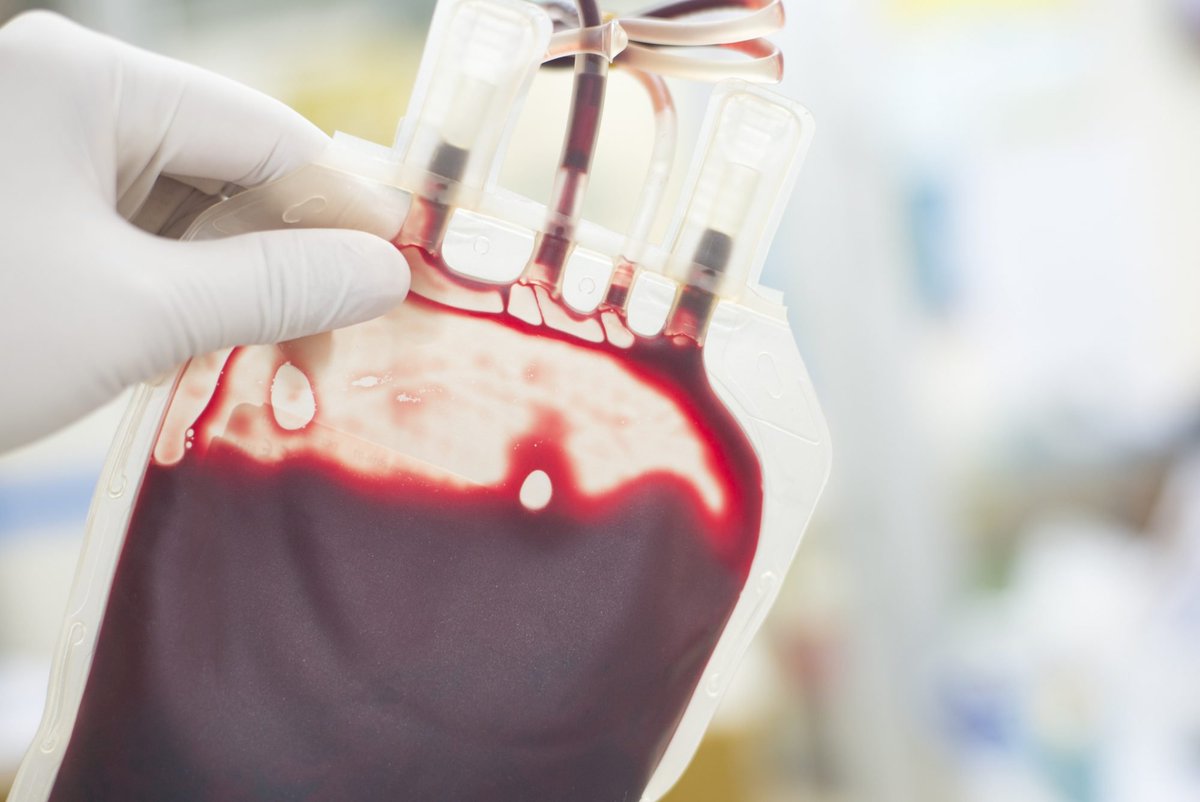
Japanese scientists have created artificial blood that works for ANY blood type! This could be a game-changer for transfusions, especially for rare types.
It's made using hemoglobin from expired donor blood, encased in a shell.
After success with small doses, they're now testing larger amounts on volunteers. Mild side effects reported so far.
If trials confirm safety and effectiveness, it could be in practical use around 2030. Other teams are also developing similar artificial oxygen carriers.
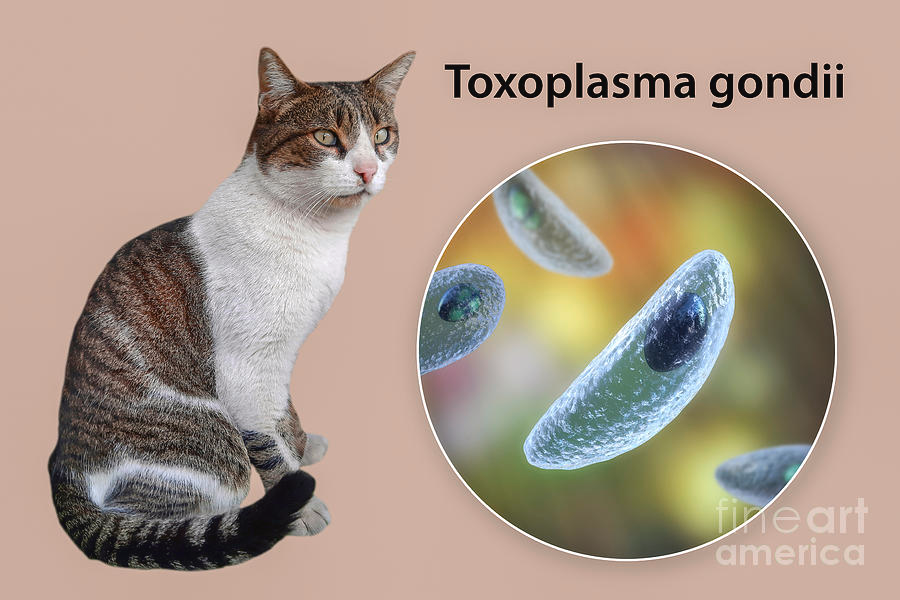
Male infertility rates are soaring, up nearly 80% in recent decades. Now, a common parasite is under scrutiny for literally decapitating sperm.
The parasite is Toxoplasma gondii. It's incredibly common, infecting up to half the world's population. 🧵
But avoiding Toxoplasma is key: it’s risky in pregnancy, for low immunity, and a top cause of US foodborne illness deaths.
Protect yourself: cook meat properly, thoroughly wash produce, be careful with cat litter (especially if high-risk), and always wash your hands well.