WERC teaches, reaches, and inspires people to protect the wildlife, mainly wolves. Wolves face certain threats. Our team faces similar obstacles as their ambassadors. Please follow this link to learn more - https://t.co/32DtCNKIcZ
Recovery plans and proposals of listing have been made for these species by the U.S. Fish and Wildlife Service. Check out more about these species and the recent news surrounding them: https://t.co/YIWiCx5uTt
Two indigenous communities banded together to put conservation efforts in place for this sacred animal. They began their efforts in 2008, and it paid off! Read more: https://t.co/e0TqNflan8
Although they weigh only four pounds, they have a hunting success rate of 60% – making them the best hunters in the cat family. Read more: https://t.co/5HcQ0IEGhy
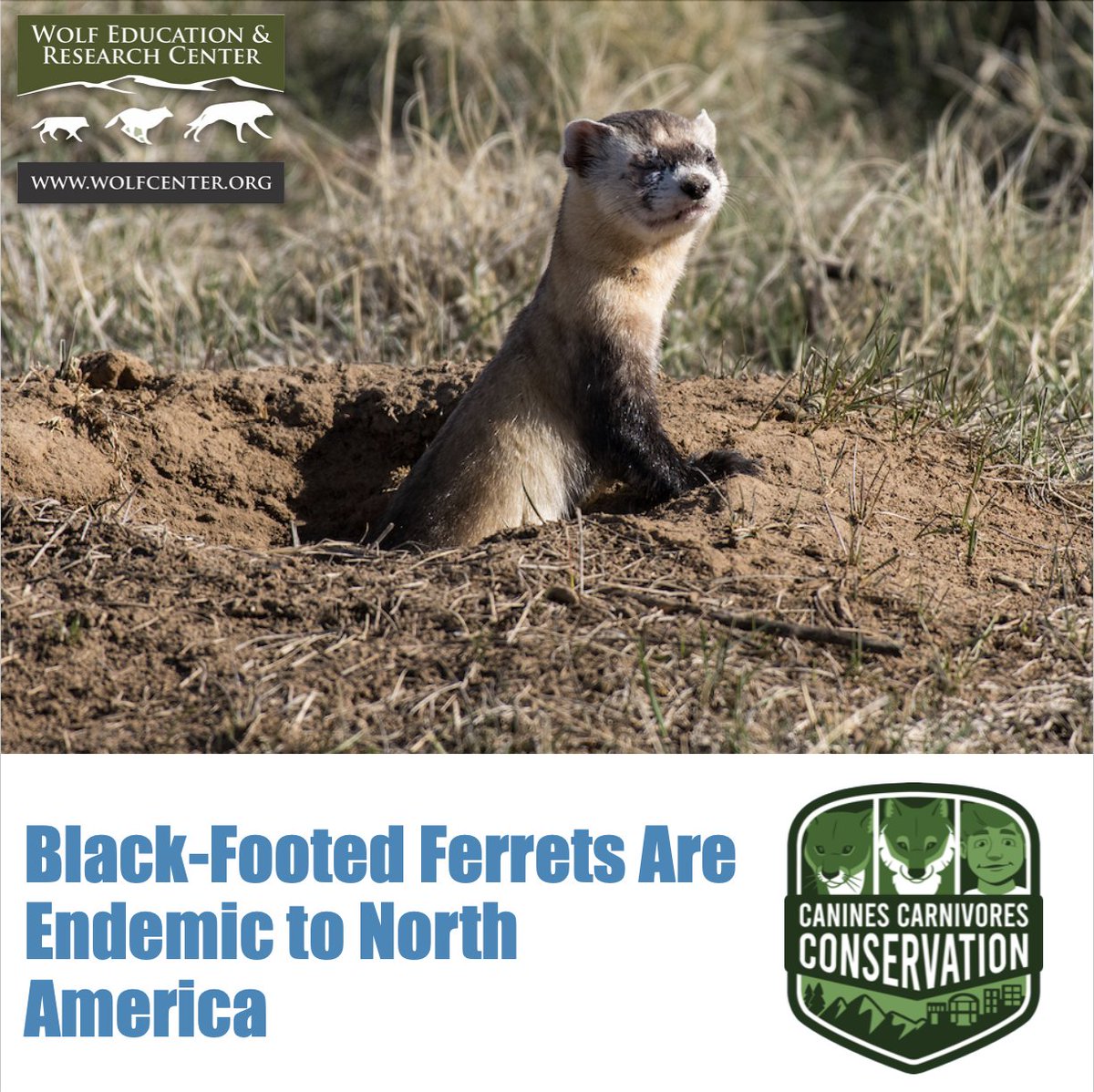
There used to be up to a million of these ferrets, but now there are only a few hundred. Read more about these native carnivores: https://t.co/m5WJ6afdmg
They are found throughout Africa in a variety of habitats. They look similar to North American skunks and have the same ability to spray predators! They are carnivores that help control pest populations near farms. Read more: https://t.co/SxjVB1Odir
They only exist in a small region of the Andes in South America. This recently discovered species is the smallest tree-dwelling mammal. Read more: https://t.co/yIaF8IJTxf
They get their name because their mouths have a similar shape to a hawk’s beak. You can find them in tropical waters and they love to eat sponges. Read more: https://t.co/b21YScjkPu
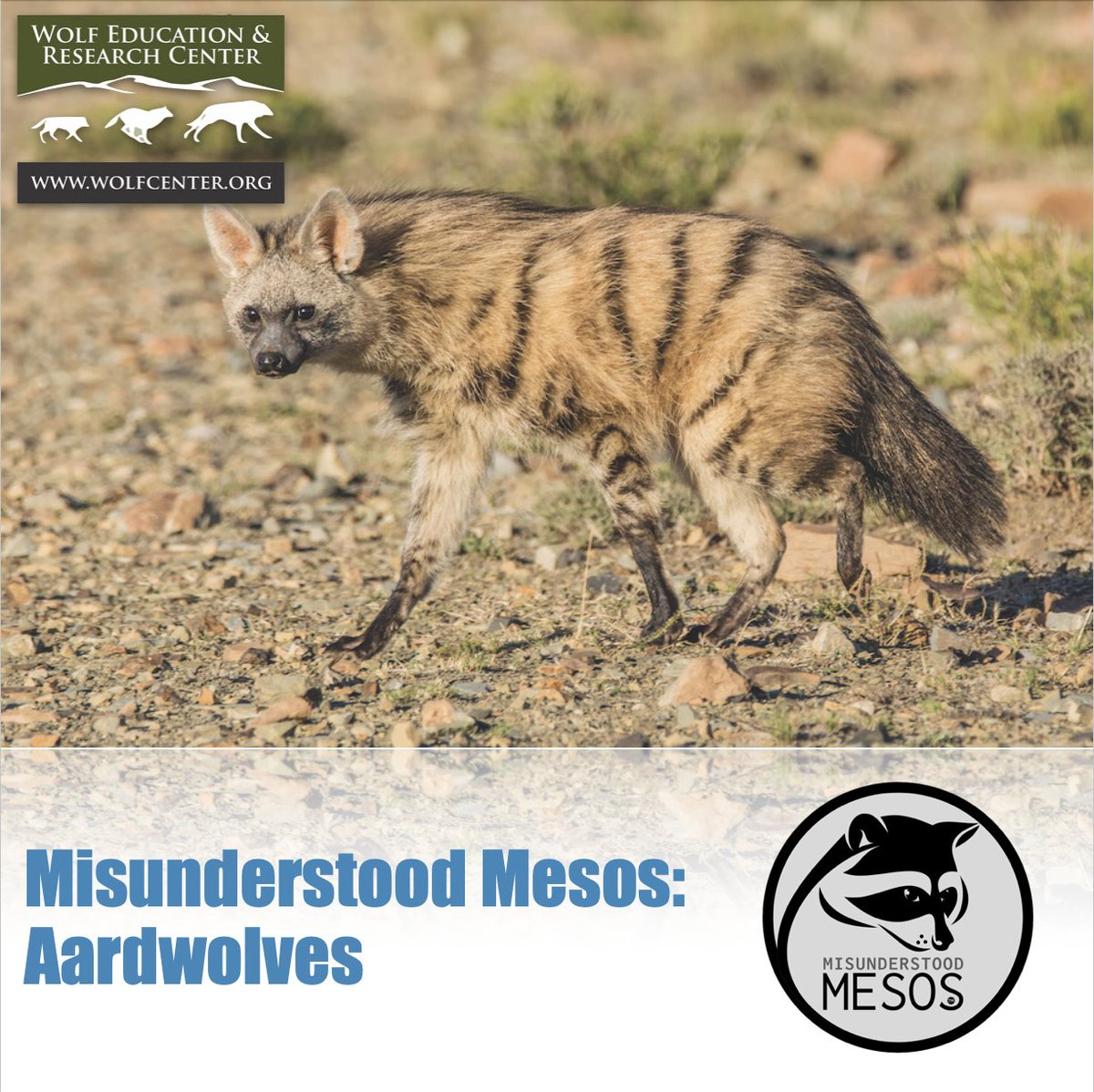
These guys are the longest-living member of the hyena family. They are nocturnal and almost exclusively feed on termites. Read more: https://t.co/87klHhLr6O
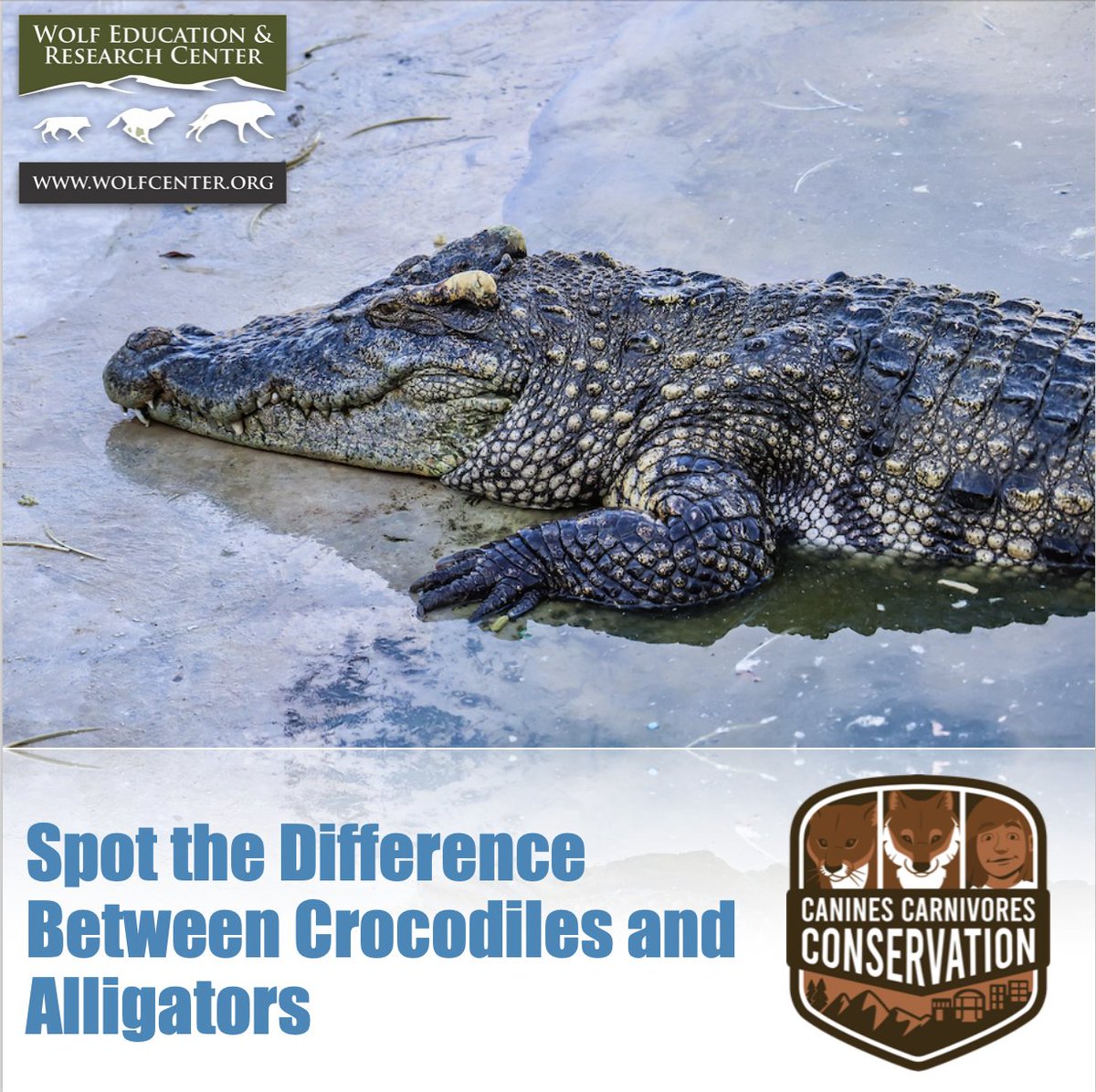
They may look similar, but check out some important differences between the two to help you recognize which is which. Read more: https://t.co/VOMxpPOHZK
California recently captured two gray wolves, put satellite collars on them, and then released them back into the wild. The information they collect can help protect wolves. Read more about this and Wildlife Telemetry here: https://t.co/FZnG1oVnNk
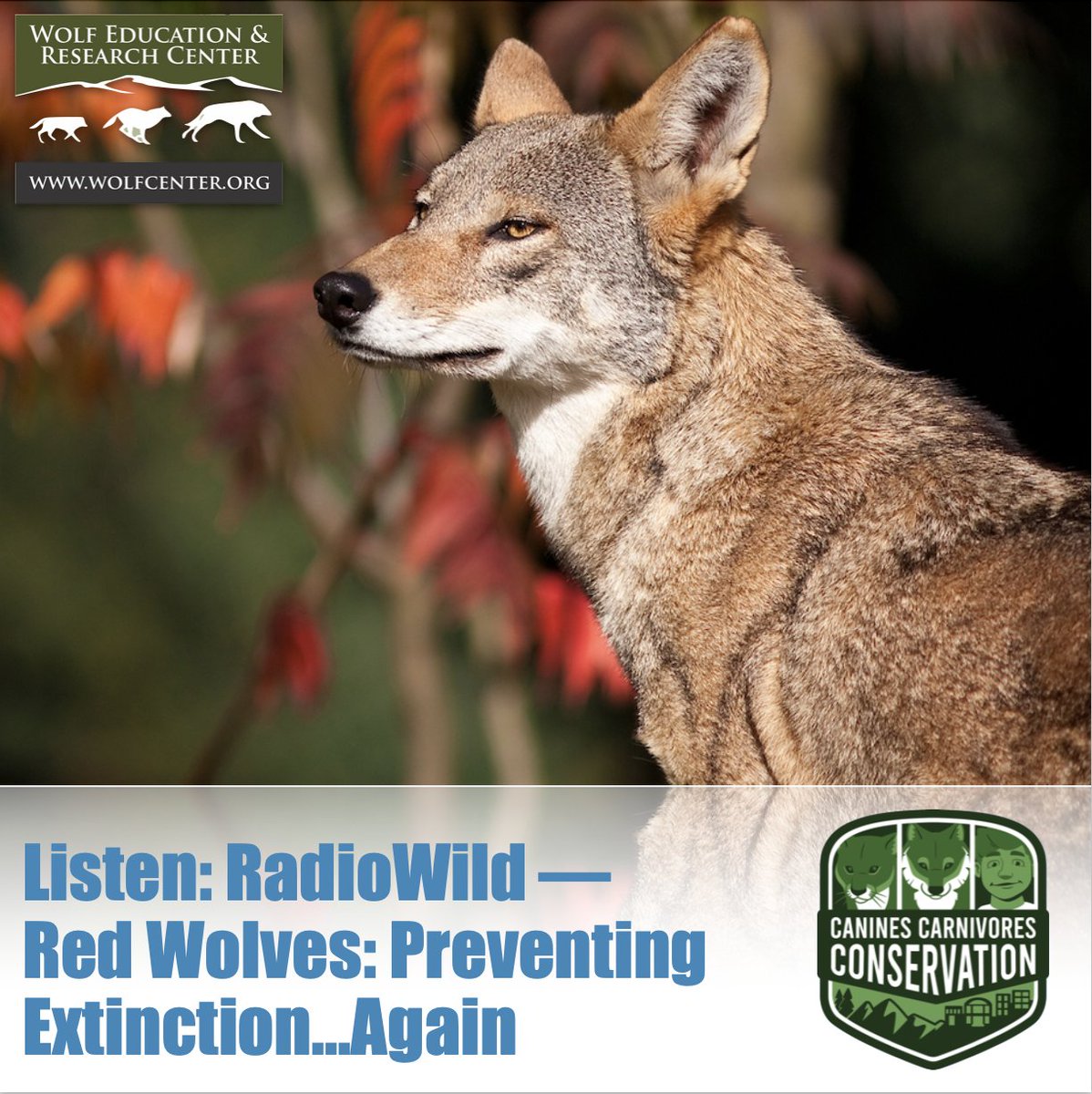
Listen to this conversation with Regina Mossotti from the Endangered Wolf Center in this throwback episode of RadioWild. We discuss what’s special about the red wolf, whether they’re a threat to livestock, and how politics affect them. Listen: https://t.co/IVfpI79lM5
According to a 2022 study by the IUCN, many reptiles face the threat of extinction. Using the information they found, scientists can begin to help conserve them. Read more: https://t.co/ZQjTvogxZn
Check out this throwback episode of RadioWild with Darrell & Lorna Smith from Western Wildlife Outreach! They discuss important wildlife-related subjects in the Pacific Northwest including grizzly bears, black bears, cougars, and gray wolves. Listen here: https://t.co/gTUtrS0Lmr
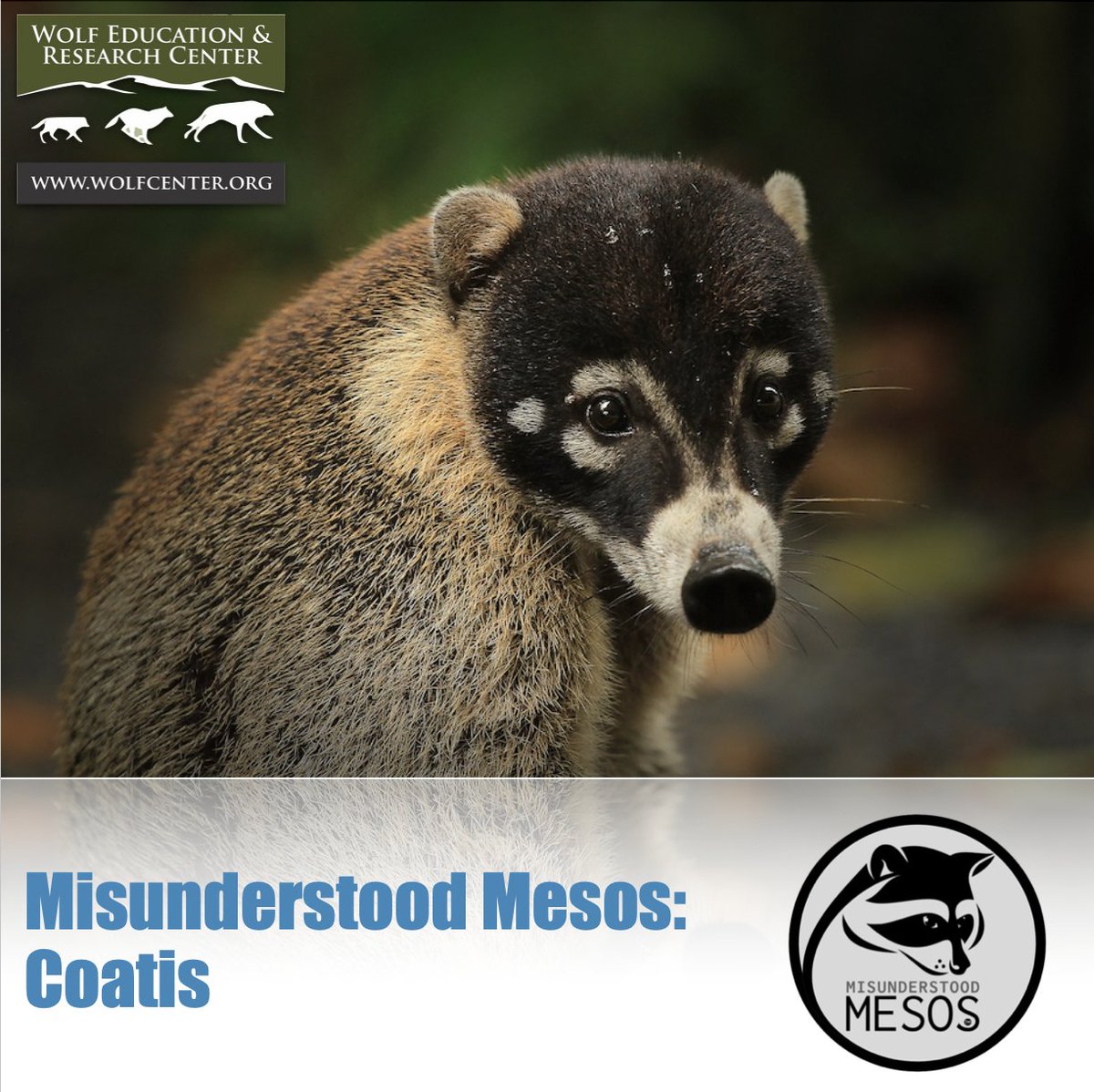
Coatis hold an important mesocarnivore niche in the Americas. They control rodent, invertebrate, and small reptile populations. They also help with nutrient absorption. Read more: https://t.co/iGjl5KxRPj