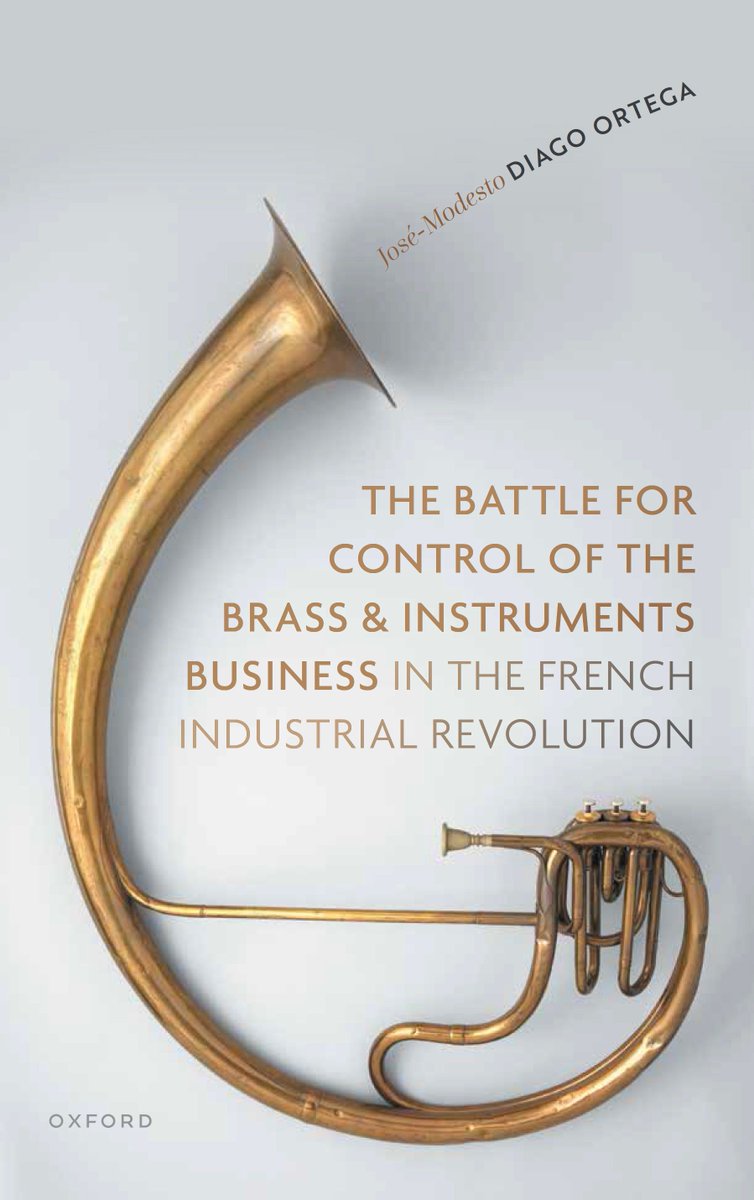
Do you want to know about the biggest and most merciless judicial battle in culture and industrial property in 19th century, the echoes of which still ring today? Please, check my 📘 The Battle for Control of the Brass and Instruments Business in the French Industrial Revolution
And what about Boston? What was Elise Hall’s connection to the city?
This 1906 photo of Tremont Street captures Boston at the very moment when Hall was actively performing & championing the saxophone there.
𝐸𝑙𝑖𝑠𝑒 𝐻𝑎𝑙𝑙, 𝑡ℎ𝑒 “𝑆𝑎𝑥𝑜𝑝ℎ𝑜𝑛𝑒 𝐿𝑎𝑑𝑦” 🎷📖🏙️
𝗪𝗵𝗮𝘁 𝘄𝗮𝘀 𝗘𝗹𝗶𝘀𝗲 𝗛𝗮𝗹𝗹’𝘀 𝗰𝗼𝗻𝗻𝗲𝗰𝘁𝗶𝗼𝗻 𝘁𝗼 NYC?
The city appears repeatedly throughout her story, but did she actually live there?And if so, for how long?
To uncover: 𝐸𝑙𝑖𝑠𝑒 𝐻𝑎𝑙𝑙, 𝑡ℎ𝑒 “𝑆𝑎𝑥𝑜𝑝ℎ𝑜𝑛𝑒 𝐿𝑎𝑑𝑦” and start with Chapter 1. 📖🎷🗽
Since we’re on the subject of ships—and even though this one dates from 1918—I thought it was significant:
A military band performs on deck of HMS 𝑄𝑢𝑒𝑒𝑛 𝐸𝑙𝑖𝑧𝑎𝑏𝑒𝑡ℎ, while ships of the German High Seas Fleet appear in the background.
HMS Crescent, 1898.
While midshipmen perform physical drill on deck, another group stands behind them holding brass band instruments.
A fascinating reminder that music formed part of naval discipline, education, and daily life at sea in the late 19th century.
Today, one of my favorites: 𝗼𝗻𝗲 𝘁𝗵𝗲 𝗲𝗮𝗿𝗹𝗶𝗲𝘀𝘁 𝗸𝗻𝗼𝘄𝗻 photos of a civilian band with brass and wind instruments, ca. 1860.
Taken on the deck of a ship, the image captures cornets, horns, low brass... at a fascinating moment in the history of modern band culture.
Would there have been child labour in 19th-century wind instrument factories?
Unfortunately, yes.
This 1848 engraving of Sax’s factory shows a child working beside cornets; a reminder that child labour was still relatively common in many industrial workshops of the period.
14 May 2026. Even today, brass instruments (and saxophones) remain central to state ceremony and political symbolism.
Military bands continue to provide grandeur, discipline, and sonic power to diplomatic rituals — much as they did in the 19th century.
To conclude this small series on the Zouaves, here is the full band in 1867.
Brass instruments everywhere— joined by woodwinds and even saxophones—offering a fascinating glimpse into the rich sound world of 19th-century military music.
Another remarkable photograph of the Zouaves, 1857.
Beside the regimental standard, a drum and bugle stand quietly among the rifles — reminders of how deeply music was woven into 19th-century military life.
9 May 2026: Happy Europe Day! 🇪🇺
By the way, also today, the inauguration of Péter Magyar in Hungary. Brass instruments once again gave solemnity and ceremonial weight to a major political event—just as they did in the 19th century and long before. 🎺
1857. Zouaves of the French Army in the field.
They seem to be playing a game… yet beside them rest an imperial drum and bugle.
Between war and music, a moment held still.
🎷 ¿Puede un saxofón despertar un fantasma?
En 𝑺𝒂𝒙 𝒆𝒍 𝒇𝒂𝒏𝒕𝒂𝒔𝒎𝒂, de Mónica Rodríguez, un antiguo saxofón de 1846 creado por Adolphe Sax cambia la vida de Simon y lo lanza a una aventura llena de música, misterio y emociones.
https://t.co/Wy2WqAiplD
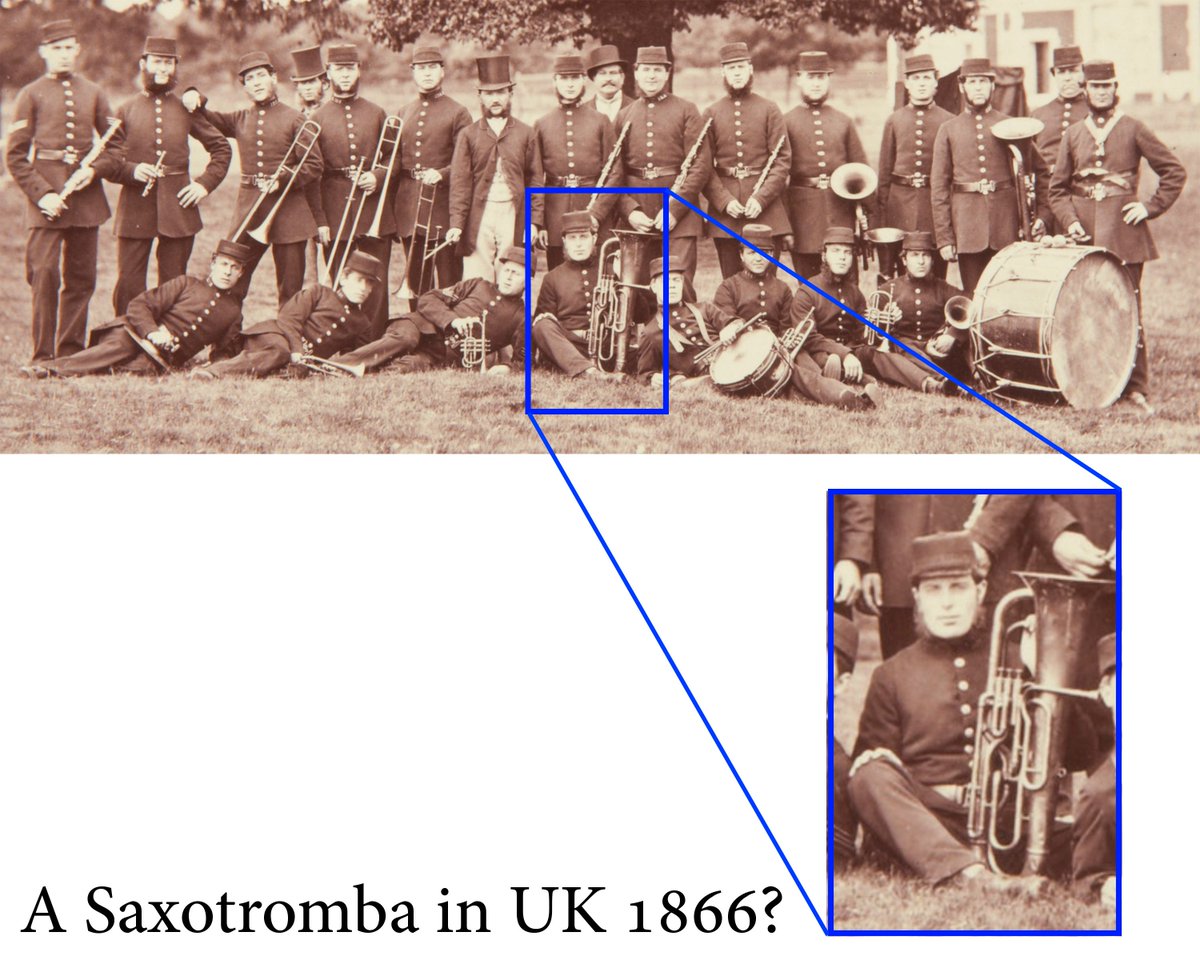
Photograph of a brass band with flutes, trombones, trumpets, French horns, and drums, standing in the grounds of Sandringham House (1866). The centrally placed instrument would be a saxotromba? 🤨