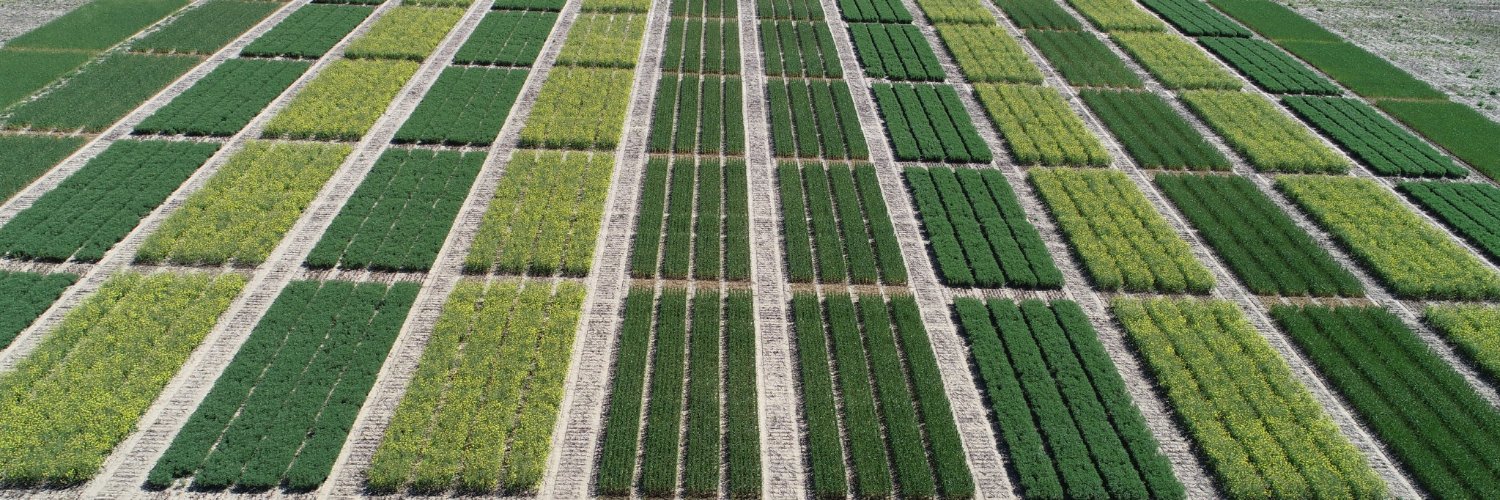
Take a closer look at how soil compaction constrains plant root growth in this animation 👀
Simulation model shows a comparison of roots in compacted and non-compacted subsoil 🌾
Explore more in our Soil Quality: 10 Plant Nutrition ebook 📗 Video produced by @fz_juelich 📹
Soil Quality: 10 Plant Nutrition is full of videos, animations, illustrations and case studies so readers can explore plant nutrition topics that are relevant to them 🌾
Learn from nutrition experts, grower and industry perspectives alongside a range of guest contributions 📝
Is Colwell K an appropriate test for plant-available K on heavy-textured soils? In a word, yes.
The rundown of K in WA makes soil testing crucial to gauging crop responses to fertiliser #NPKproject
New paper published in Soil Research (open access) ➡️ https://t.co/apz2fqXOkc
Another animation - soil water content in top 40 cm for mouldboard higher than untreated repellent sand in winter. Conductivity profiles show how quickly MOP was dispersed this year. Can see preferential flow event in untreated soil late Oct @DPIRDbroadacre@SoilsWest@mywildeye
Our soil water measurements show biggest differences between deep ripped and untreated subsoils late Aug and Sept. Can clearly see leaching events in the animation. Site was a deep yellow sand near Tammin @DPIRDbroadacre@GRDCWest@SoilsWest@MurdochUni@ORG_WA@andrew_irv
A 5-year survey of crop management in 184 paddocks in WA showed mostly more N and K removed in grain than applied as fertiliser. P application was greater than removal in all paddocks. 2 legumes in 5 years gave +ve N balance. @DPIRDbroadacre@SAgE_UWA https://t.co/iU4XzHyxeW
Deep ripping treatments done for a new site looking N use efficiency in year of, and year after deep ripping. Hardpan at 30 to 40 cm. Ripped, rolled and ready to sow.