"‘They’re a private company, run for profit!’: fury in Kent at South East Water’s outages."
Cam someone please explain to me why South East Water are still in business, how they still have an operating licence and why the public are still be asked to put up with this nonsense?
https://t.co/K6HRsH9UAD
SHE SAW PATIENTS DYING IN SOILED SHEETS AND REPORTED IT. HER COLLEAGUES THREATENED HER. THE RCN TOLD HER TO SHUT UP.
Helene Donnelly (@DonnellyHelene) was an A&E nurse at Stafford Hospital. What she witnessed was not a bad day at work. Patients denied food. Patients denied pain relief. Patients lying in their own urine and excrement, left there.
She raised the alarm. Repeatedly.
Her reward was physical threats from colleagues. She was so scared she couldn't walk to her car alone after a shift. And when she turned to the Royal College of Nursing for support, their rep told her to keep her head down.
Keep. Her. Head. Down.
While patients were dying around her.
She didn't. She kept raising concerns from 2007 to 2013. She gave evidence to the Francis Public Inquiry.
That inquiry exposed what may be one of the worst care scandals in NHS history, with estimates of avoidable deaths at Mid Staffordshire NHS Foundation Trust ranging from 400 to 1,200.
No nurses were struck off. No managers prosecuted. The NHS chief executive at the time, Sir David Nicholson, who oversaw the period of the worst failings, resigned in 2013 with his pension intact.
Helene got an OBE.
She's now head of safety culture at Nuffield Health (@NuffieldHealth) and advises the government on whistleblower protection. She helped produce a national guide on preventing whistleblower victimisation. The guide that might have saved lives if it had existed at Stafford Hospital when she needed it.
The institution that threatened her for speaking up gave her an award and asked her to consult on how not to threaten people for speaking up..
Sources: @DonnellyHelene@NuffieldHealth@BBCNews@Channel4News@NursingTimes@WhistleUK
In a real-life rags-to-riches story, Woman of the Day Mary Reibey, born OTD 1777 in Bury, Lancashire, was transported to Australia as a convict in 1792. Less than twenty years later, she was a prosperous businesswoman in her own right in New South Wales, with interests in trading vessels and property.
Women who have done time are usually featured as Not-the-WOTD but I’m making an honourable exception for Mary. When she was convicted of stealing a horse at Stafford on 21 July 1790, she was just 15 years old, an orphan living with her grandmother. She had been dressed as a boy when she was arrested but her identity was disclosed at trial and she was sentenced to be transported to Australia for seven years.
Seven years for a 15 year old girl. That’s harsh.
Mary was one of 49 female convicts transported on the Royal Admiral, the last ship of the Third Fleet, when it set sail from Torbay on 30 May 1792. They were outnumbered by the 299 male convicts, and by the time the ship docked at Port Jackson on 7 October, two women and ten men had died during the voyage and four children were born.
The day after her arrival, Mary wrote to her Aunt Penelope in Blackburn:
“My Dear aunt
We arrived here on the 7th and I hope it will answer better than we expected for I write this on Board of ship but it looks a pleasant place. Enough we shall but have 4 pair of trowser to make a week and we shall have one pound of rice a week and 4 pound of pork besides Greens and other Vegetaibles. They tell me I am for life wich The Governor teld me I was but for 7 years wich Grives me very much to think of it but I will watch every oppertunity to get away in too or 3 years. But I will make myself as happy as I Can In my Pressent and unhappy situation…”
At first, Mary was assigned to nursemaid duties in the home of the Lieutenant-Governor but in 1794, she married Thomas Reibey, a junior officer who had returned to Sydney on the Britannia earlier that day.
He was a go-getter and built up an import and trade business, acquiring property and boats, including the schooner Mercury. However, he died in 1811 after an illness thought to have been caused by severe sunburn suffered during a trading trip to India. His business partner died a month later.
Thirty-four year old Mary was left with seven children and sole control of numerous businesses.
She wasn’t a novice. She’d managed her husband’s commercial interests while he was absent for long periods of time on business but now she was in sole charge. She was also no pushover when it came to debt collection; in May 1817 she was convicted of assault on one of her debtors.
By 1817, Mary had opened a new warehouse in George Street, Sydney, bought two more ships, including the brig Governor Macquarie, and with extensive farming properties, was said to be worth £20k (about £1.5 million in today’s money).
When she paid a triumphant return visit to Lancashire with two of her daughters in 1820, she held 1000 acres of land, and by 1828, she had erected 'many elegant and substantial buildings in Macquarie Place, near the King's Wharf, and in the centre of George Street', and was turning her attention to Castlereagh Street.
Mary more or less retired in 1828 and turned her attention to charitable works, especially those concerned with the church and education. She was appointed one of the governors of the Free Grammar School in 1825, and died in 1855, aged 78, a wealthy and respected member of the community.
Mary is featured on the obverse of the Australian $20 note. I think she’d be quite pleased with that.
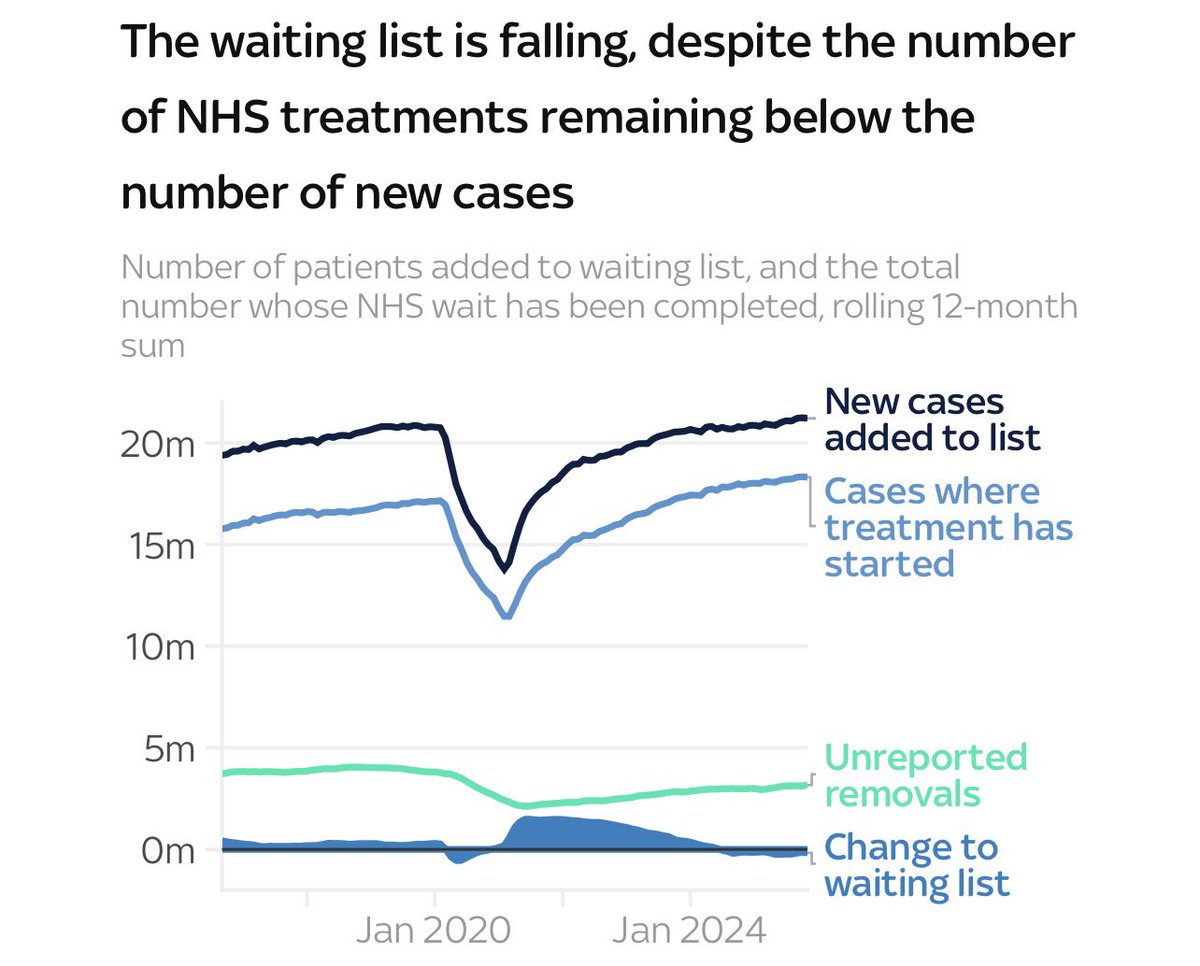
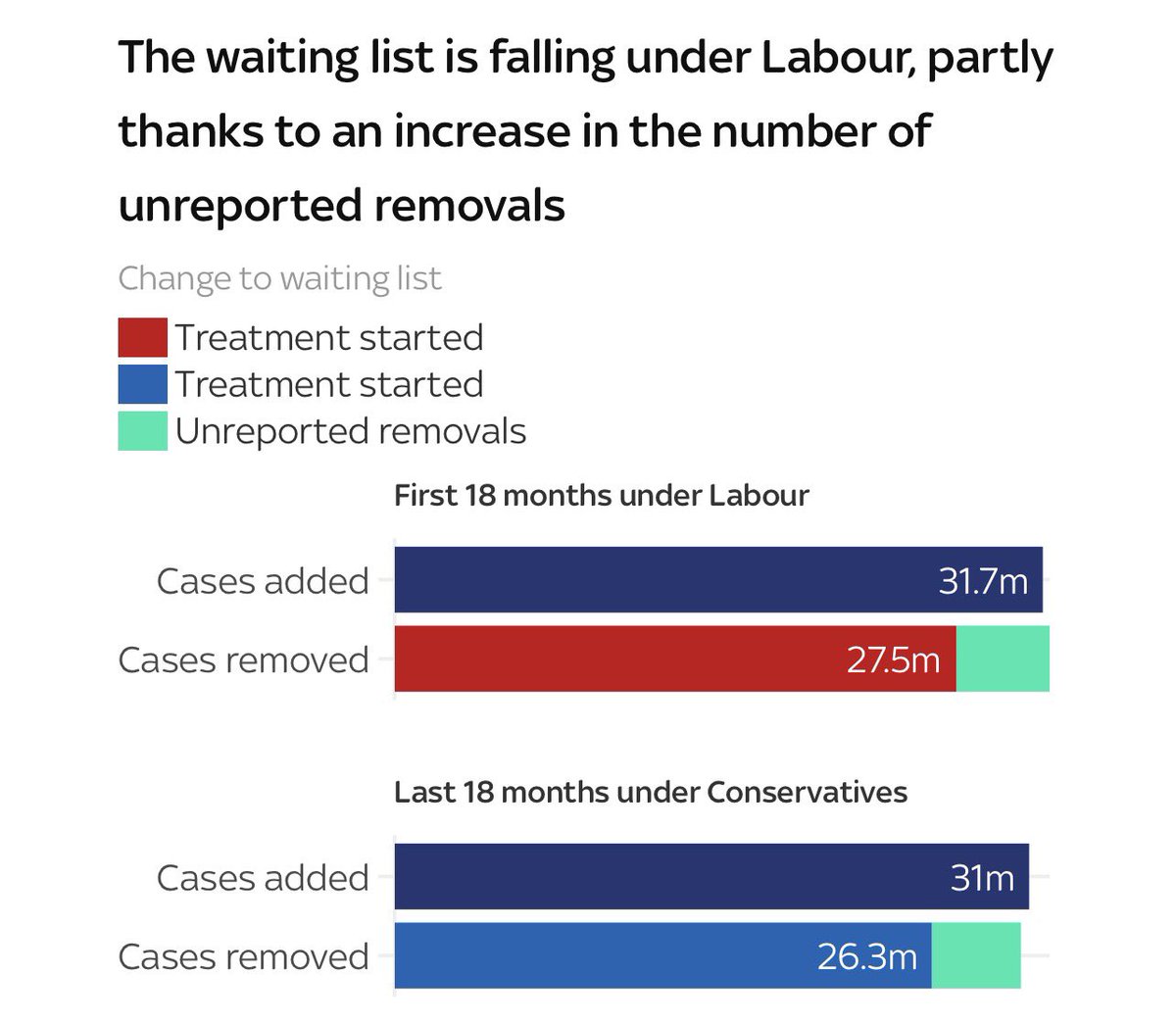
Waiting lists - the facts behind the headlines
The main reason for a fall in waiting lists is removal from waiting lists
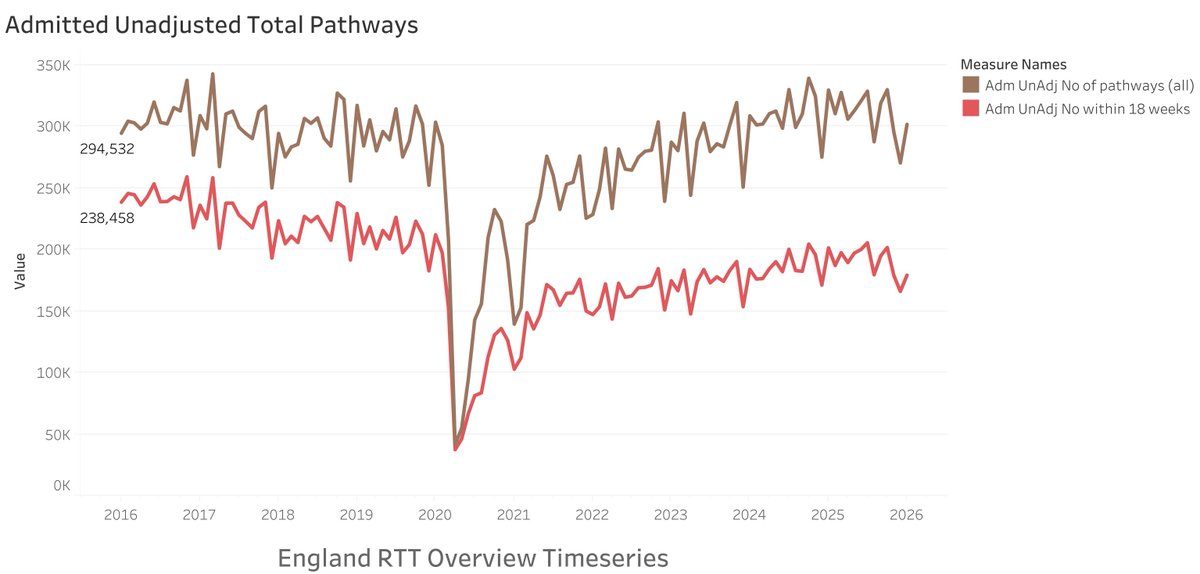
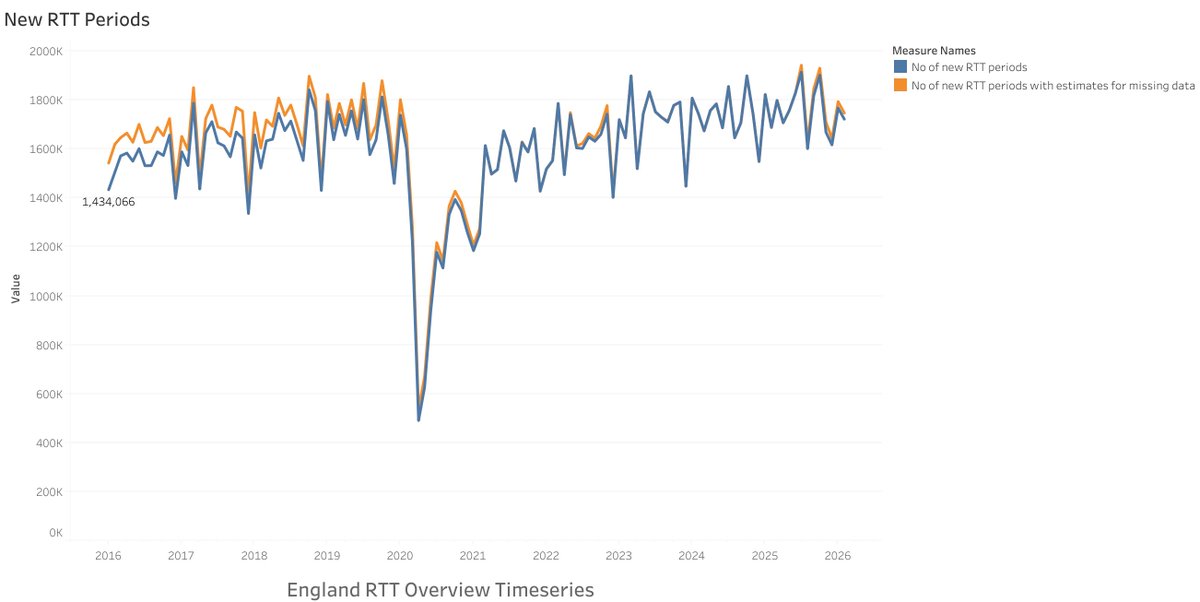
The number of treatments/operations etc is still lower than pre-pandemic & is less than new referrals
If this happens to you:
1. Contact the hospital immediately (PALS team or the specific department). Many hospitals will put people back on a waiting list if challenged promptly.
2. Complain formally via the NHS complaints process. This creates a paper trail and can force reinstatement + an investigation into your complaint.
3. Update your contact details. Tell your GP & hospital and sign up for the NHS App.
4. Request digital communication going forward (email/text where available) to avoid postal issues.
This motorcyclist records everything on his GoPro and has shared just a glimpse of what he sees on British roads each day.
Total craziness to be on a video call and checking Facebook behind the wheel.
But they seem oblivious that they’re breaking the law.
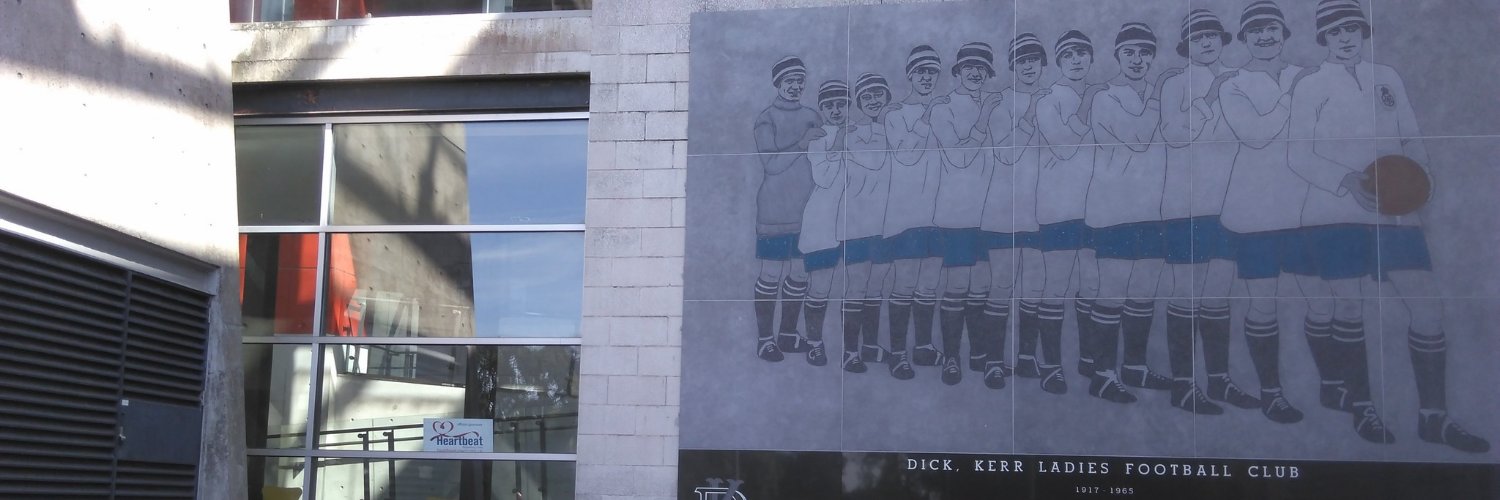
Thinking of Jessie Walmsley who passed away on this day in 1935. Taken too soon, she was only 40 years old. Jessie was a popular member of the team and regarded as one of the best midfielders in women's football during her career with DKL. Never forgotten 💖⚽️🥅
My village stopped #MayDay celebrations a decade ago. Too Pagan for the incoming city folk. This year it's been revived by locals 🥰. That's the same May pole i danced around 40 years ago, and indeed the same skirts! Not at our 7th century village cross, but hopefully one day 😀
NHS PAID £680K TO DESTROY THE DOCTOR WHO TRIED TO SAVE YOUR LIFE
Dr Jasna Macanovic was a kidney specialist with 20 years of excellent NHS service. She noticed that a needle technique being used on dialysis patients was causing complications. Bleeding. Clotting. Deaths.
She raised it internally. Nothing happened. So she went to the Care Quality Commission, then to the General Medical Council. That is literally what doctors are supposed to do.
Portsmouth Hospitals University NHS Trust @PHU_NHS responded by sacking her for serious misconduct.
The misconduct? Telling the regulators. They called her aggressive and intimidating.
The tribunal called it a predetermined act of unfair dismissal. There was no contributory fault on her part. Zero.
She spent five years fighting them. The trust spent £680,000 of public money on lawyers to defend the indefensible. She was awarded £219,000.
The people who ran the disciplinary process against her, the tribunal described it as a counter-offensive, were later promoted.
The medical director who launched the action against her moved on to a board role elsewhere.
The CEO got a bigger job covering two NHS trusts.
Nobody was struck off. Nobody was held accountable.
The CQC investigated the medical director and found no breach. The same CQC that had texted Dr Macanovic in 2016 to tell her she was protected and could not lose her job.
Raise a concern, get destroyed, win at tribunal five years later, watch everyone responsible get promoted.
@NHS has a Freedom to Speak Up policy.
It is largely decorative.
Source: protect_advice.org_uk / Employment Tribunal Case 1400232/2018 /
Resident doctors told us that advanced practitioners were used on their rotas.
Our data shows this is the case, appearing to be in breach of NHS guidelines in England. NHSE says APs “should not replace the roles of doctors”, yet here we are.
https://t.co/PIQNFZSswU
NHS FINGERPRINTED A DOCTOR FOR REPORTING A COLLEAGUE WHO WAS INJECTING DRUGS ON DUTY
Dr Patricia Mills was an anaesthetist at West Suffolk Hospital. In 2017 she saw a colleague injecting himself with drugs while looking after patients. She raised the alarm. The NHS's response was to investigate her.
Management hired handwriting experts and fingerprint analysts to work out who had been tipping off a grieving family about a potentially botched operation.
They narrowed the suspect list down to seven doctors. Four of them had one thing in common: they had all previously raised concerns about the self-injecting colleague.
Dr Mills was among them. She was off sick for six months. She said she thought she was going to lose a 30-year career.
The drug-injecting doctor continued to practice for years after her original disclosure.
When Dr Mills turned to the National Guardian's Office, the body specifically set up to protect NHS staff who speak up, she said its response was, in her words, literally useless.
The CEO who ordered the fingerprinting resigned when it became public.
An independent review in December 2021 fully exonerated Dr Mills. It called the fingerprinting incendiary and extremely ill-judged. It said the treatment she received verged on victimisation. It said her concerns were well-founded from the start.
So to recap. Doctor raises a patient safety concern. Hospital spends public money trying to unmask her. She gets sick. The wrongdoer keeps working. The regulator does nothing.
And three years later a review says yeah, she was right all along. Sorry about that.
Sources: The Guardian, BBC @BBCNews, The Telegraph @Telegraph, Patient Safety Learning @PSLearning, NHS England independent review by Christine Outram, December 2021