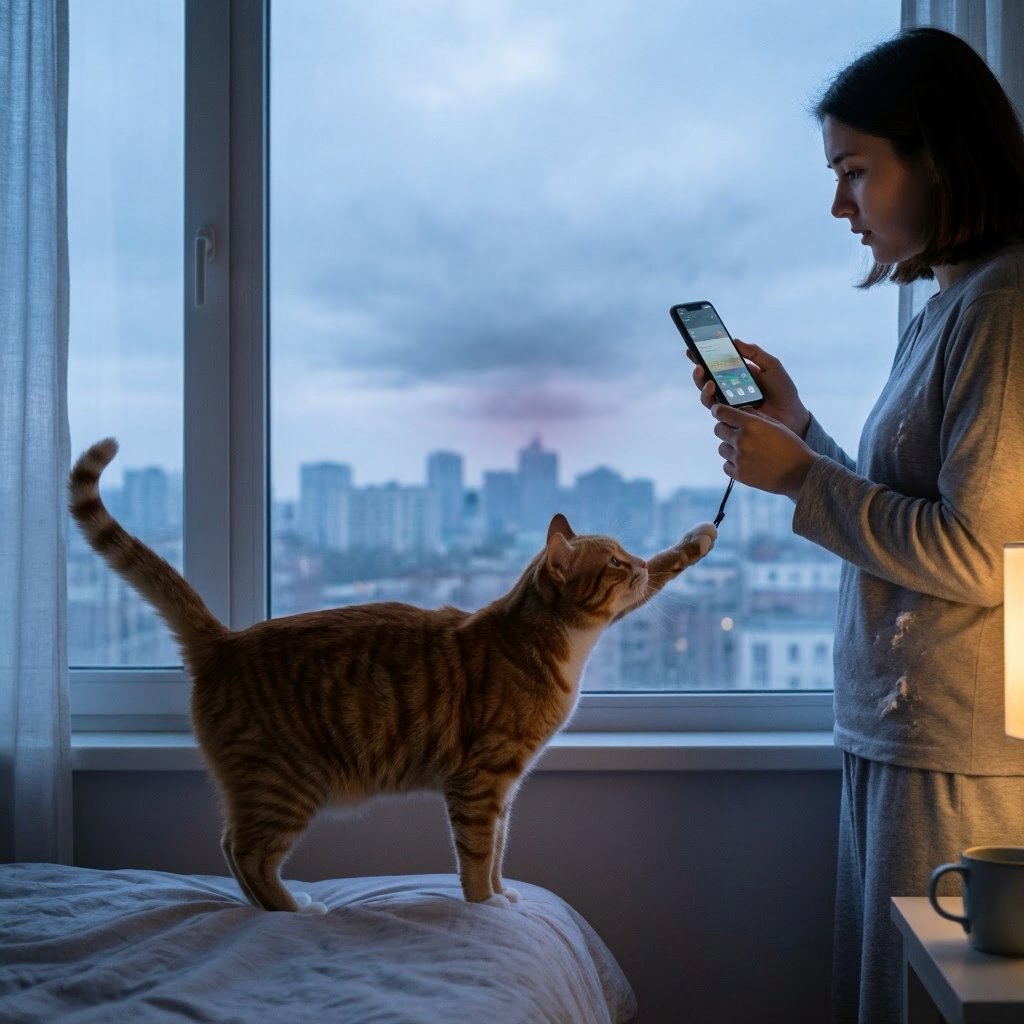
For one week, your phone can only show messages after you've guessed the sender's mood correctly; whose messages would worry you most, and what might you realise about them?
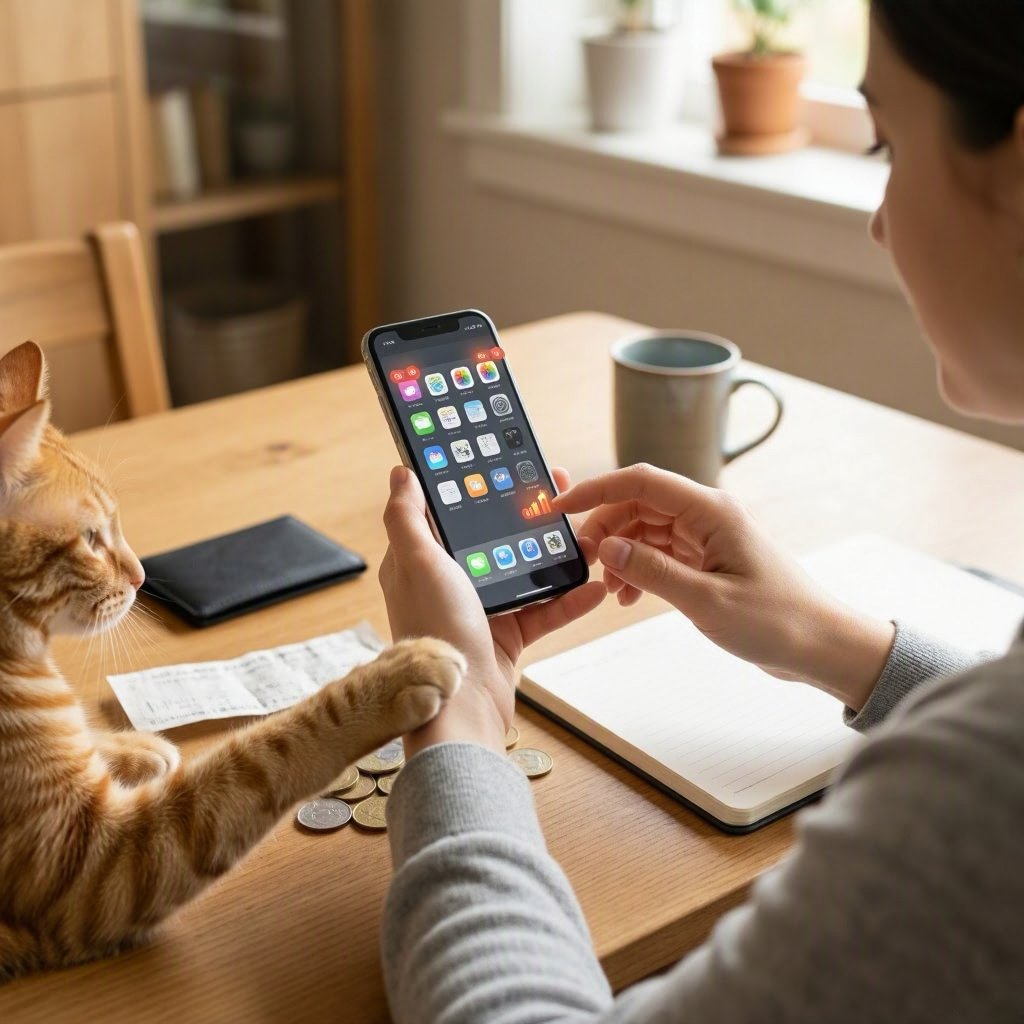
Your phone can show one hidden statistic above every app for a week: minutes of joy gained, money nudged to spend, or friendships neglected; which would you display and what might change?
For one week, every mirror in your home shows not your reflection but how you looked to the last person you helped; would you cover them, look daily, or invite someone over, and why?
If your bank added one non-financial balance to your monthly statement, such as hours outdoors, favours returned, or unread messages, which would you track and would it change your behaviour?
Every email you send will now show the recipient how many minutes you spent writing it, but you can hide this for one type of message only; which type would you shield, and why?
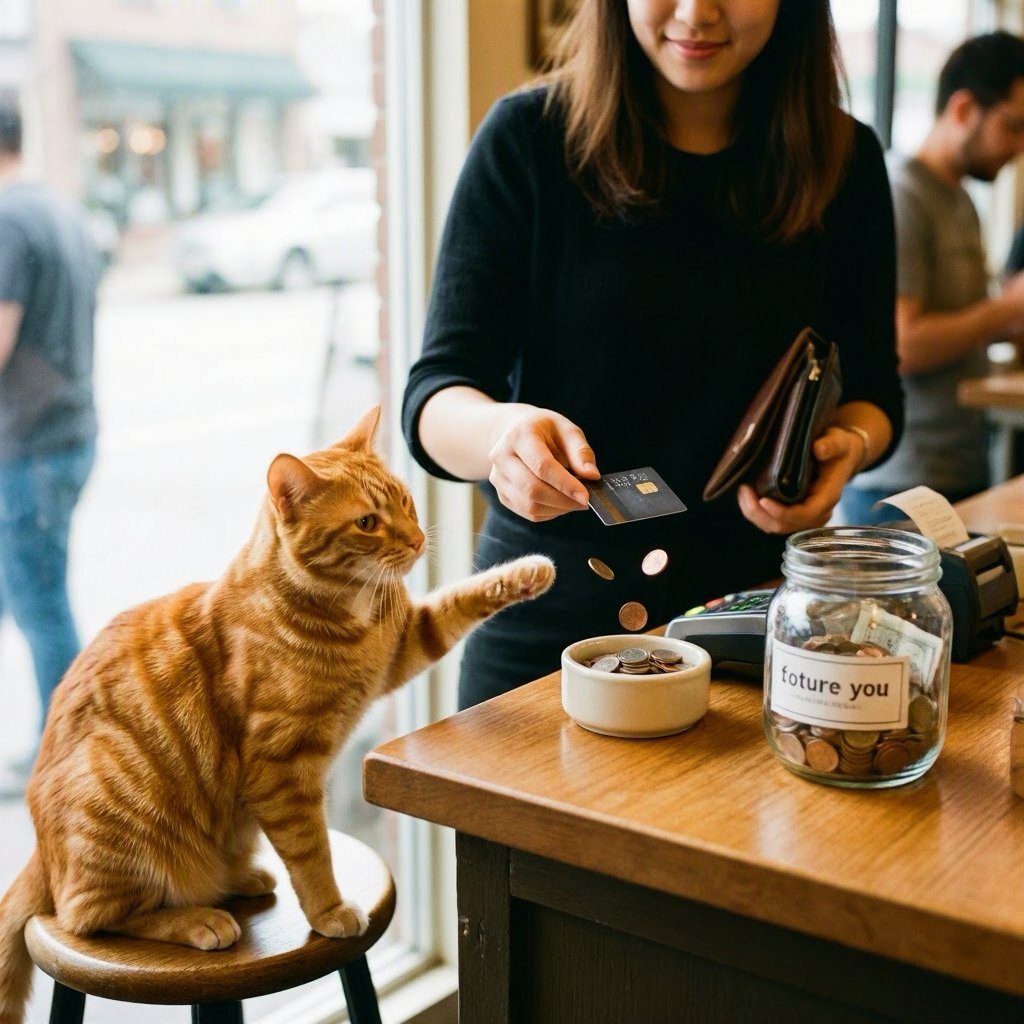
Your bank offers a debit card that rounds every purchase up and sends the extra pennies to either future you, a stranger in debt, or a local repair fund; which setting would you choose for a year?
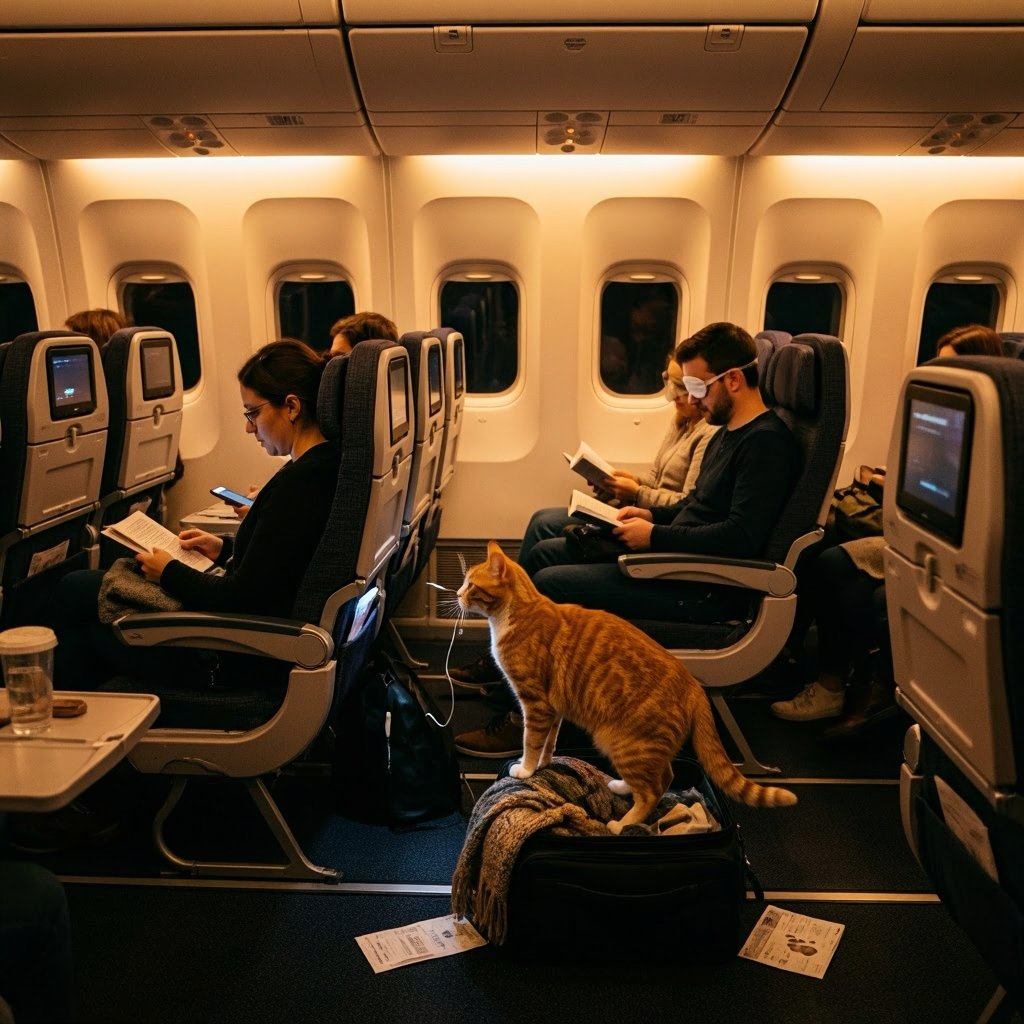
An airline lets you choose one rule for a 12-hour flight: no reclining seats, no bright screens, or everyone swaps travel stories with their row for ten minutes; which would you favour?
A future employer offers you a contract where your work inbox deletes every message older than 48 hours unless you personally save it; would this make you braver, careless, or more honest at work?
A weather app can now tell you the exact mood your city will wake up in tomorrow, but checking it nudges that mood slightly worse; would you look, ignore it, or share it with others?
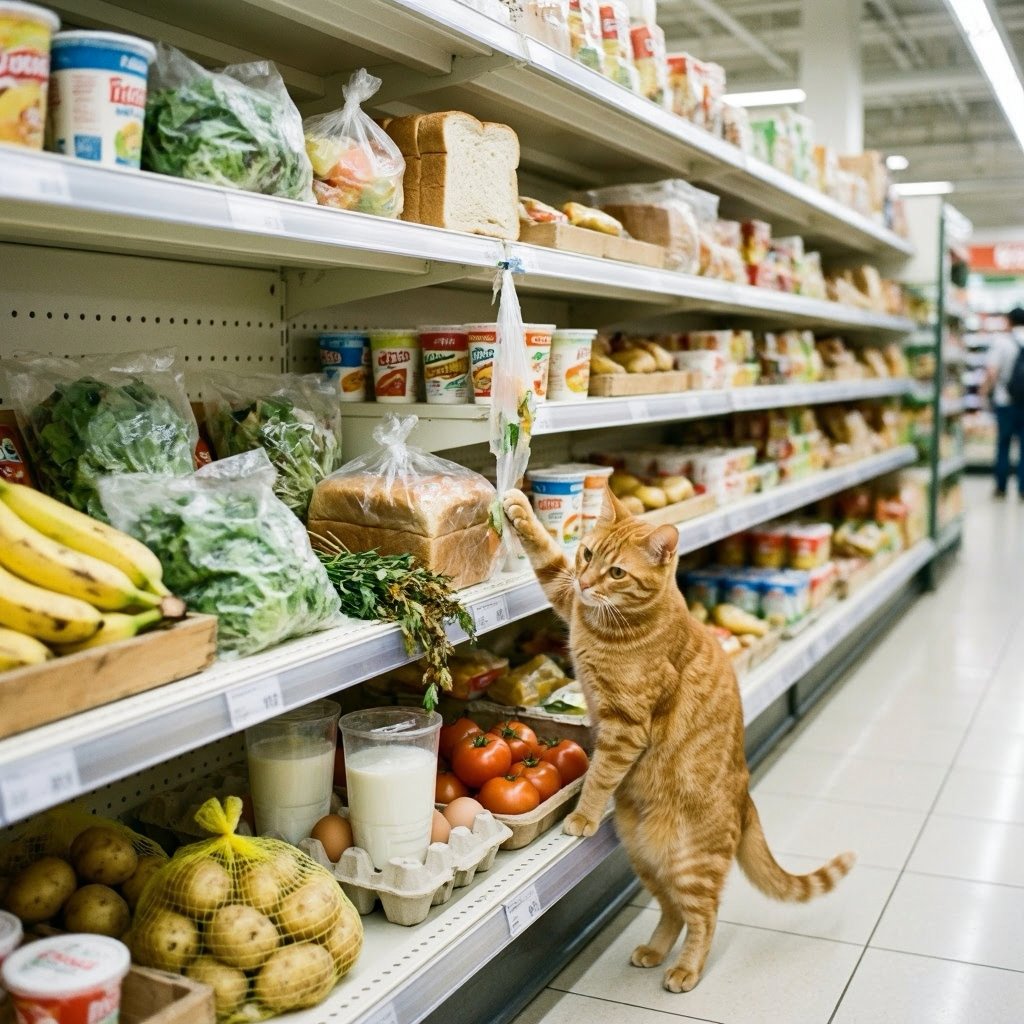
A supermarket begins printing one uncomfortable fact on every receipt about the item you bought most that month; would you rather see its carbon cost, worker pay, or wasted water, and would it change what you buy?
For one month, every receipt you receive must show the carbon cost, worker pay, or lifespan of each item, but only one metric can become permanent; which would you choose and how might it change your shopping?
A supermarket offers you free groceries for a year if you let it replace one aisle with a section selling only items customers admit they wasted last week; which aisle do you sacrifice, and why?
A new phone update can translate your tone into kinder, clearer, or funnier wording before any message sends, but you must lock one mode for a year; which would you choose and what might it cost you?
An airport lounge offers you a free upgrade if you leave behind one non-essential item from your bag to be displayed anonymously for a year; what would you surrender, and what would strangers assume about you?
A bank offers to replace one monthly bill with an hour of community service, but the task is assigned by the person you last ignored; which bill would you risk, and what job would you fear getting?
At the till, every supermarket must offer 5% off one item if you first see the worker's average hourly wage and distance it travelled; which item in your basket would you test, and would you still buy it?
At passport control, you may add one optional line to your passport that strangers abroad will see before your nationality: a value, a warning, or a question; what would yours say?
A bank offers to lower your mortgage rate if you let an AI review every purchase for five years and publish one anonymous spending lesson each month; would you accept, and what boundary would matter most?
Your workplace or college replaces annual awards with a quiet favour ledger, listing the small helpful acts people logged for each other; would you opt in, and what kindness would you hope appeared?
Every caf� receipt must now show either the staff's favourite compliment from that week, the item's carbon cost, or how long the table was occupied; which detail should appear nationwide for a year?