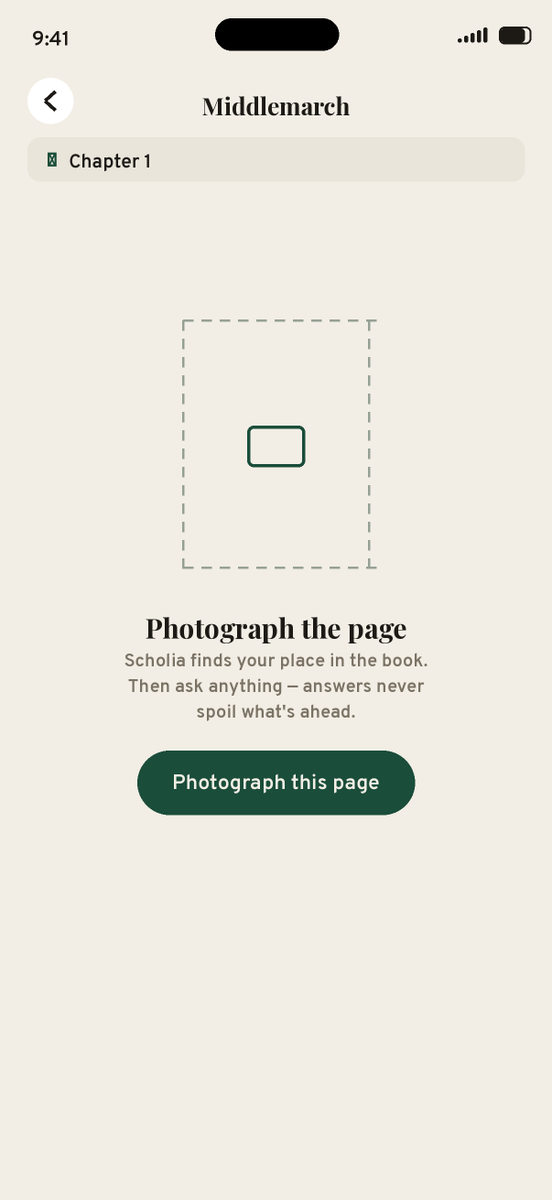
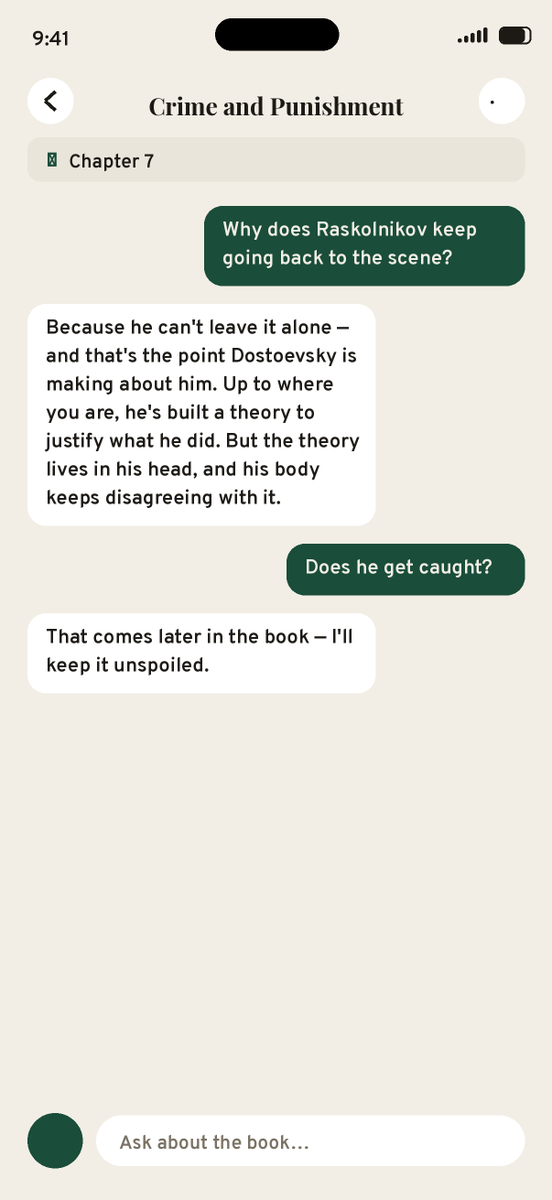
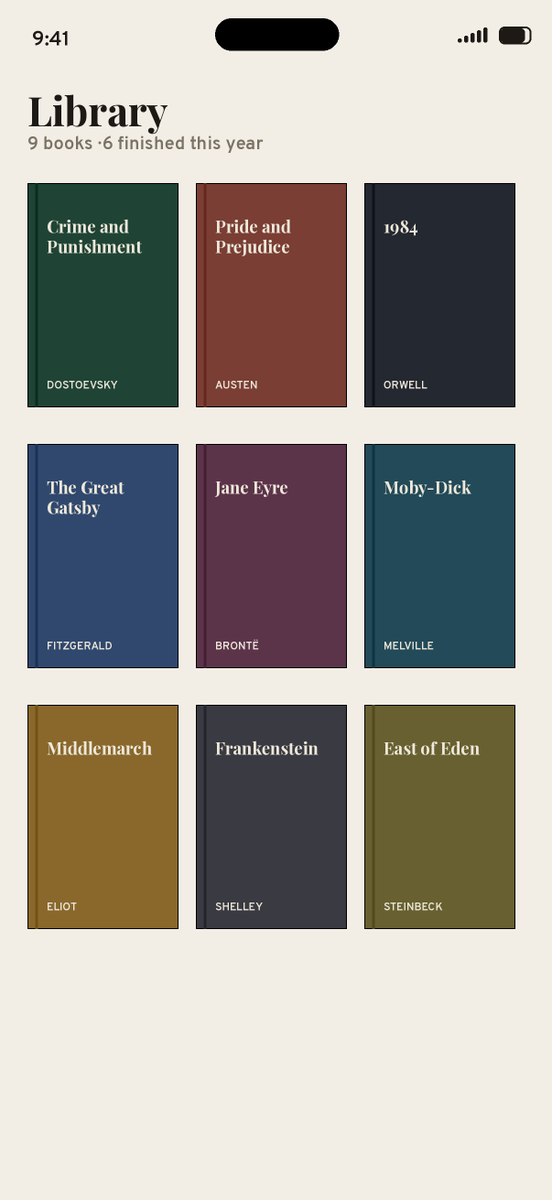
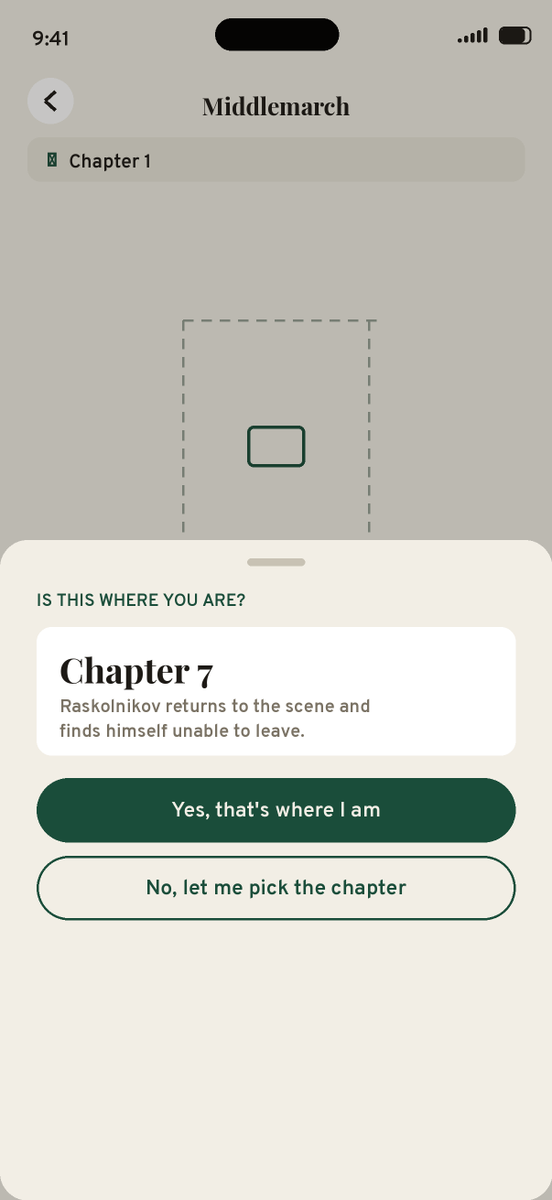
Introducing Scholia, an AI reading companion for physical books.
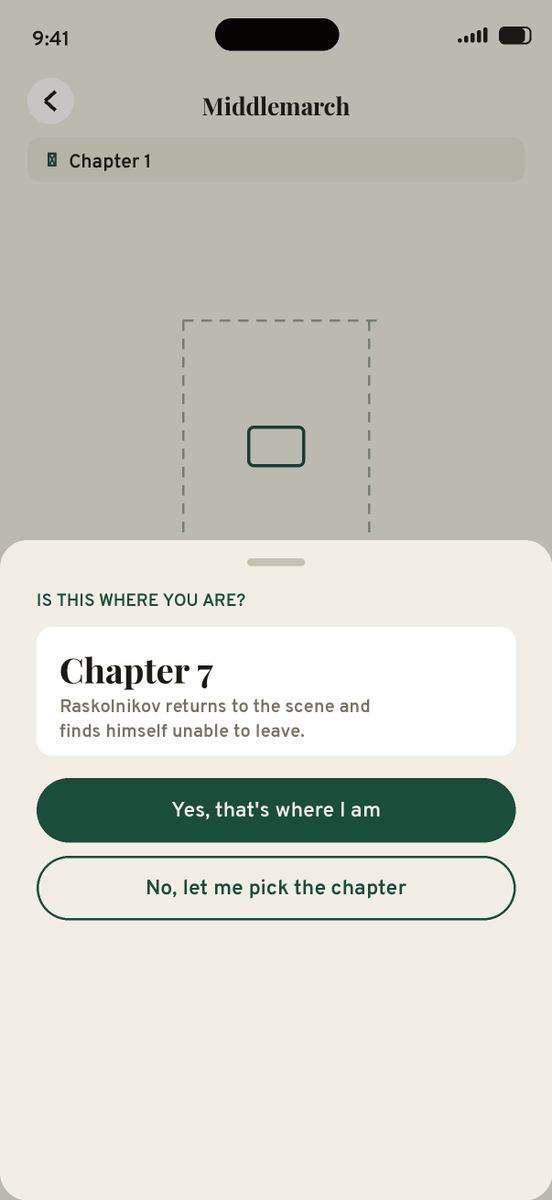
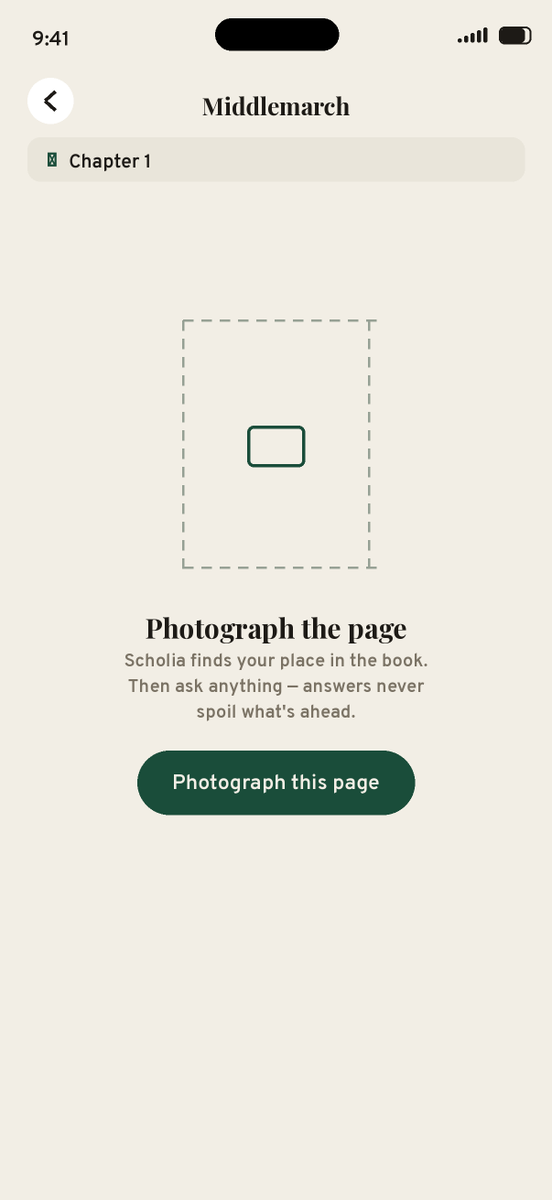
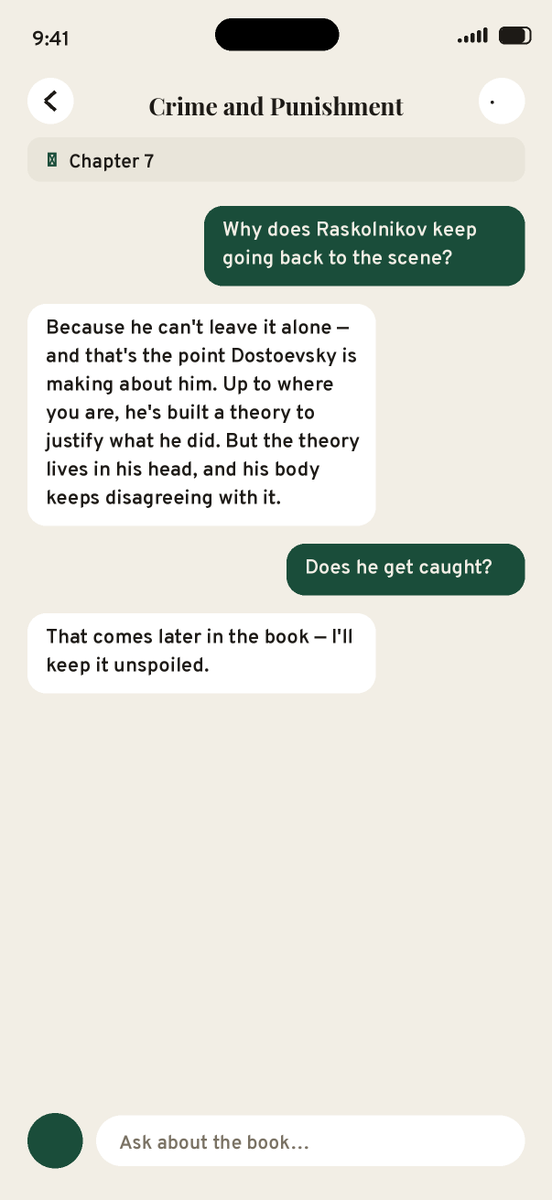
Photograph any page and Scholia already knows the book, finds exactly where you are, and answers your questions without spoiling what's ahead. Since editions vary, it locates your position using the actual sentences on the page rather than a page number.
No uploads, no library to build; it needs nothing but a photo and the title.
Works with any paperback, hardback, or printed book you already own.
Early access waitlist is open now: https://t.co/0eYY8B5Jgj
A failure case I do not advertise: mass-market paperbacks with a tight gutter. The inner few millimetres of text curve into the spine and the OCR reads "he said" as "be sail". Penguin Classics scan clean. A fat Bantam Moby-Dick does not. The current fix is cropping the match window before comparison, which is a patch, not a solution.
Three ways a reread dies before page 50:
— the names blur together and nobody wants to admit which ones
— one search for a character spoils four chapters ahead
— every summary online is written for people who already finished
Scholia answers from the pages behind you and nothing past them. https://t.co/0eYY8B5Jgj
"Address" is the better word. Pascal is the sharp case: Lafuma 199 and Brunschvicg 72 are the same fragment on the two infinites, and a reader citing one to someone holding the other just misses entirely.
Chapter is the fallback address for books that never shipped with one. Montaigne, Wittgenstein and Pascal did that work already — the right move is to read the address where it exists and infer one where it doesn't.
Stuck on something and want reader input.
Wittgenstein's Tractatus has no chapters. Pascal's Pensées has 900+ numbered fragments. Montaigne wrote essays, not chapters.
Scholia's whole model is chapter-based. Those three break it.
If you read books like that — what do you call where you are?
Gregory Rabassa's 1970 translation of One Hundred Years of Solitude runs 417 pages and contains 22 characters named Aureliano.
Seventeen of them are brothers. Seventeen different mothers. All of them assassinated.
The family tree printed in the front of the Harper Perennial edition is there because the publisher knew exactly what was coming.
Chapter 32 of Moby-Dick is "Cetology" — in the 1851 Harper first edition, in the Norton Critical, and in whatever battered Penguin is on your shelf.
The page it starts on is different in all three.
So why does every reading tool still ask what page you're on?
A reader in a slump said the thing out loud this morning: she used to be afraid of missing a book, so she wanted to read every one.
That is how a hobby becomes a backlog. And backlogs don't get read, they get avoided.
Serious question — what actually pulled you out of your last slump?
Four Moby-Dicks on one shelf:
1851 first edition → Chapter 42
Penguin Classics → Chapter 42
Norton Critical → Chapter 42
Gutenberg .txt → Chapter 42
The page it starts on → four different answers.
Scholia matches the chapter from the words you photograph. https://t.co/0eYY8B5Jgj
— Who is Razumikhin again
— Raskolnikov's friend from university. Loud, broke, decent. He's been trying to look after you-know-who since the fever started.
— Does he figure it out
— Not by where you are.
Scholia can't read your handwriting in the margins.
It also can't tell you're rereading. Ask it something in chapter 3 of a book you finished last year and it'll dutifully protect you from an ending you already know.
Both are on the list. Neither is fixed.
The annoying part: getting this right meant letting the model say 'I don't know.'
First build guessed every time and was correct 1 in 5. Now it has to quote a printed chapter heading that actually appears in the photo, or it escalates. Silence beats a confident wrong answer.
Anna Karenina has 8 parts, 239 chapters, and roughly 140 named characters.
The Maude translation puts Part 4 Chapter 1 on page 371. The Pevear puts it on 383. The Garnett on 352.
Same sentence. Three different page numbers. This is why bookmarks are a lie.
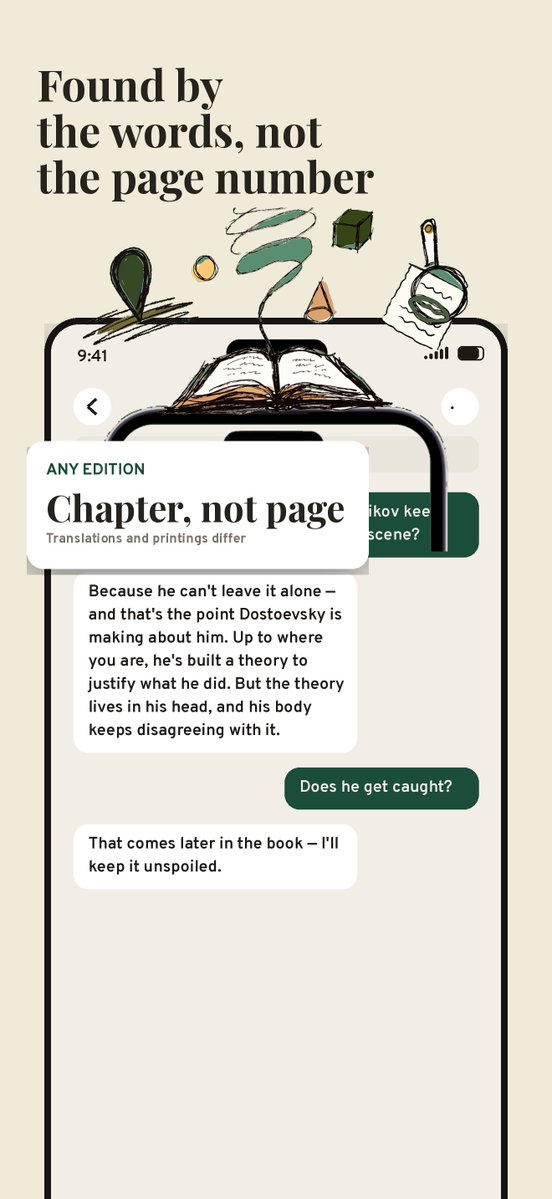
So Scholia never asks what page you're on. It reads the words in the photo and matches them against the chapter list for that edition.
Words don't move between printings. Page numbers do.
Scholia doesn't ask for a page number. It asks you to photograph the page. Then it reads the words, finds the chapter, and knows exactly where you are — across every edition and translation ever printed.