Original articles on issues and trends in science ed
Eds: Sherry Southerland & John Settlage
Impact factor (2021):6.000
15/267 Education & Educational Research
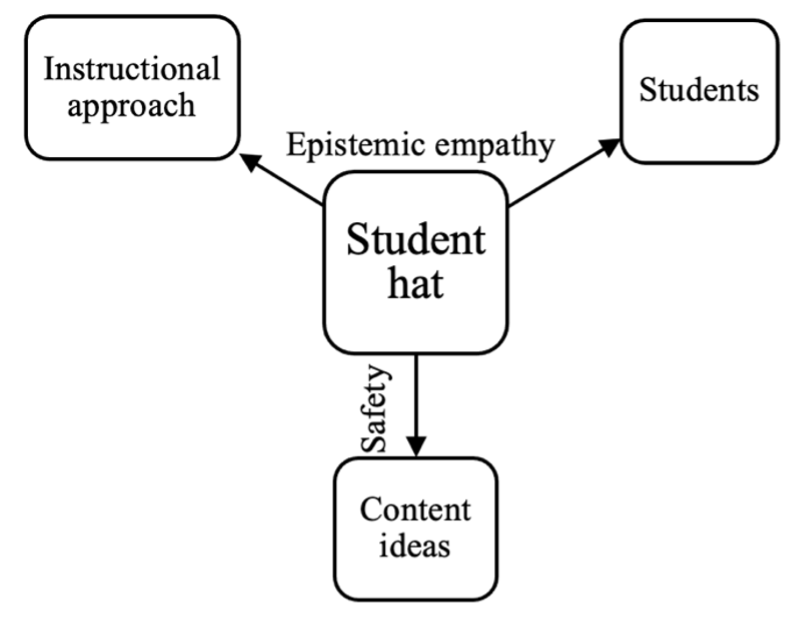
It's publication day in @SciEdJournal for my first solo-authored article! Proud of this one. I define and investigate "student hat" in teacher PD and find that it can help teachers to feel safe to be wrong and develop epistemic empathy for their students. https://t.co/sZWCxeFSX6
📚Misconceiving Merit gives a look at the realities of science as a meritocracy. Findings provide scientists and science educators with insights into how the systems they occupy may perpetuate inequities for students and colleagues across race, gender, and sexual orientation.
🌍 New study alert! Explore “Student Reasonings and Cognitive Biases in Climate Change Predictions” 🌡️https://t.co/ofyem7rZam. This study describes student thinking about the processes involved in climate change and perception of the degree of change.
#climatechangeeducation
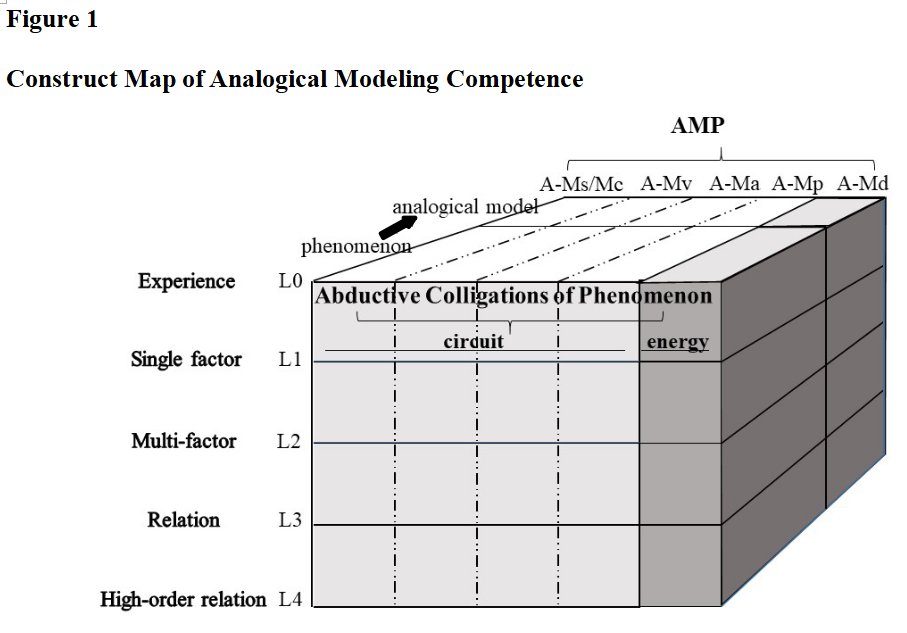
New research 📊 Check out @NTUEJwlin work "Developing an Instrument to Examine Students’ Analogical Modeling Competence ," https://t.co/6a8BwSk77v. New self-generated analogical modeling instrument diagnoses students’ competence to construct a model de novo!
🚨 New pub! Excited to share @DavidPerl28183 work, https://t.co/mXO89fQhkK. Empowering out-of-field teachers to express their perspectives and enhance disciplinary discourse.
🚨Excited to share Dr. Kerr et al. (2023) research, https://t.co/QT9kMqYC9N.
Results of fixed effects show that science achievement is primarily affected by home educational resources, attitude toward learning, and school composition by student background.
Looking for ways to say “thank you” to the teachers in your school?
Consider nominating them for a Presidential Award at https://t.co/t8UeJPwuR4.
#backtoschool#STEMEducation#PAEMST
🚨Check out, Spatio-temporal relationships in science lessons, https://t.co/CuWV3To5j8. Findings suggest that space-time connections were an epistemic tool that provided articulations between the conceptual, epistemic, and social domains of scientific knowledge in science lessons
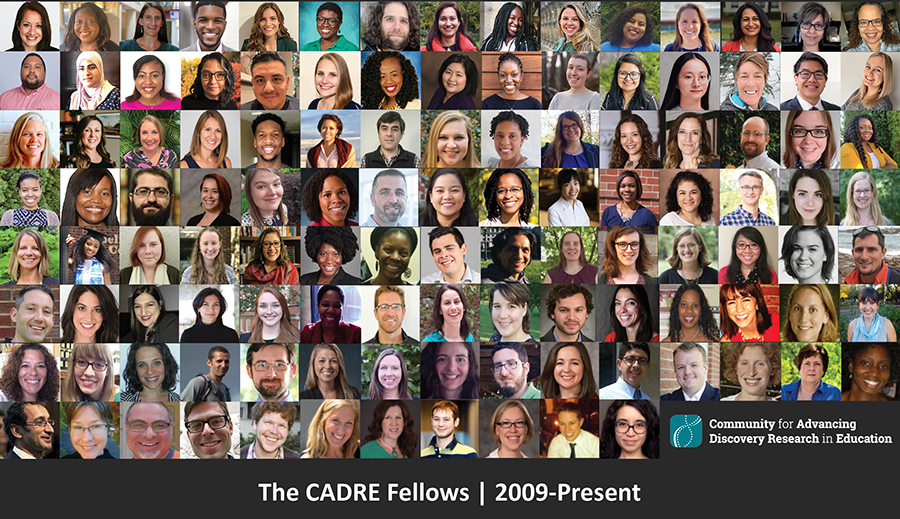
Are you an early career #STEMEd researcher whose research interests & career goals contribute to diversity, equity, inclusion, & justice in preK-12 STEM education and the field of STEM #EdResearch? Apply for the 2024 CADRE Fellows Program! https://t.co/DZdFnfyFQR @NSF#NSFfunded
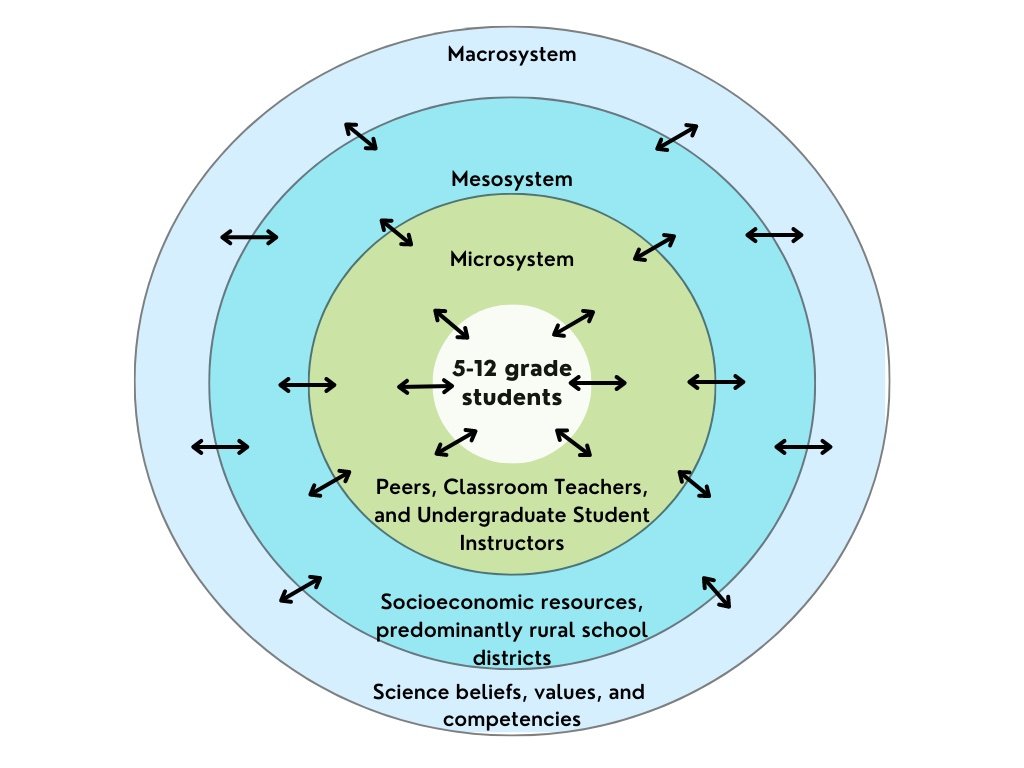
🚨Excited to share @slbunnell work, Learning by Doing, https://t.co/Kjoe985ine. Findings ➡️ increased engagement in science for rural K12 students and their undergraduate instructors in a multilevel citizen science education program.
#citizenscience#scientificidentity#K12
🚨New pub! Check out @SebbKilL work, “Rolling balls or trapping ions?, https://t.co/UCXn2u3msJ. Authors demonstrate how students can use a mechanical model of a Paul trap to learn about the limitations and usefulness of models and particle trapping.
#Physicseducation
There's still time to register for our #NARST virtual event happening Wednesday from 4:30-6pm pacific time. Hear from junior & established API scholars about successes & challenges faced during their research journeys.
For more info and registration: https://t.co/6q2KYZWT0N
🚨Check out, @VA_Ferrell & @JK_Garner Urban School District Case Study, https://t.co/BqkBoyFzXD
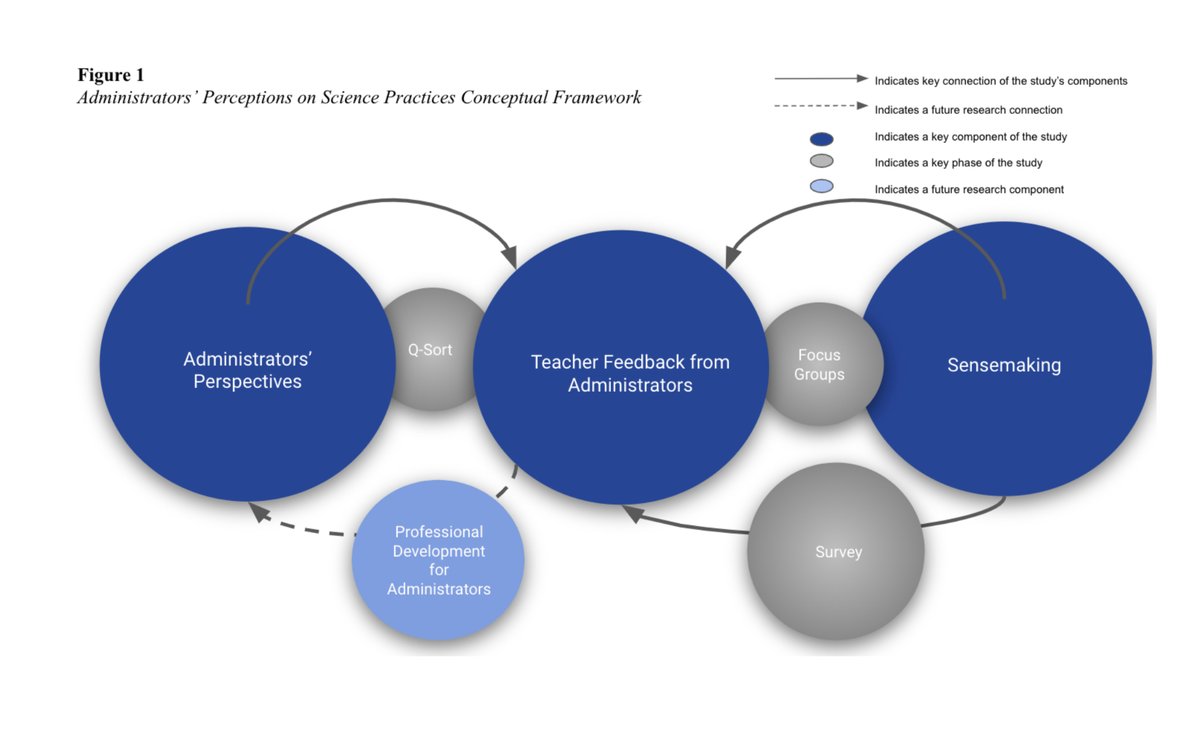
Administrators with science backgrounds implement specialized science instructional strategies, while their nonscience counterparts prioritize general pedagogical techniques.
NARST GSC announces the 7th Annual Research Symposium at the 2024 NARST Conference. Encourage graduate students with research in progress to submit an abstract by Oct 2, 2023.
A great opportunity to refine research projects with experienced mentors!
https://t.co/GXzvhhuKdl
🚨New pub! Excited to share @osnat_atias@YaelKali@ayelet_bt work “Meaningful participation of schools in scientific research through contributory citizen science projects” https://t.co/LJC1HhqhTW. Contributory citizen science can foster reciprocity and meaningful participation.
New pub🚨“Misfits or Misrecognition? Exploring STEMM degree students’ concerns about non-completion" https://t.co/emcHFWmsxk Survey data show that over 25% worry about not completing their degree. Findings revealed that noncompletion is structural & shaped by social inequalities.
New Pub Alert 🚨about braiding feeling, practice, and sensemaking in a 6th grade STEM classroom as they learn about and care for guppies in a biosphere jar 🐠 Check out, Emotional configurations in STEM classrooms, https://t.co/bThcWvRGRn
#STEM#ScienceEd
🚨New pub! "Understanding Student Use of Epistemic Criteria in Engineering Design Contexts" https://t.co/7K5H1XJ72V. New framework for understanding student engineering work. With @ArgumentDriven Engineering, students take up goals for sensemaking & designing solutions👩🔧