What's free these days? This museum in Old City: @SciHistoryOrg
We got a sneak preview on @FOX29philly of their new Fire & Gold exhibit that opens tomorrow.
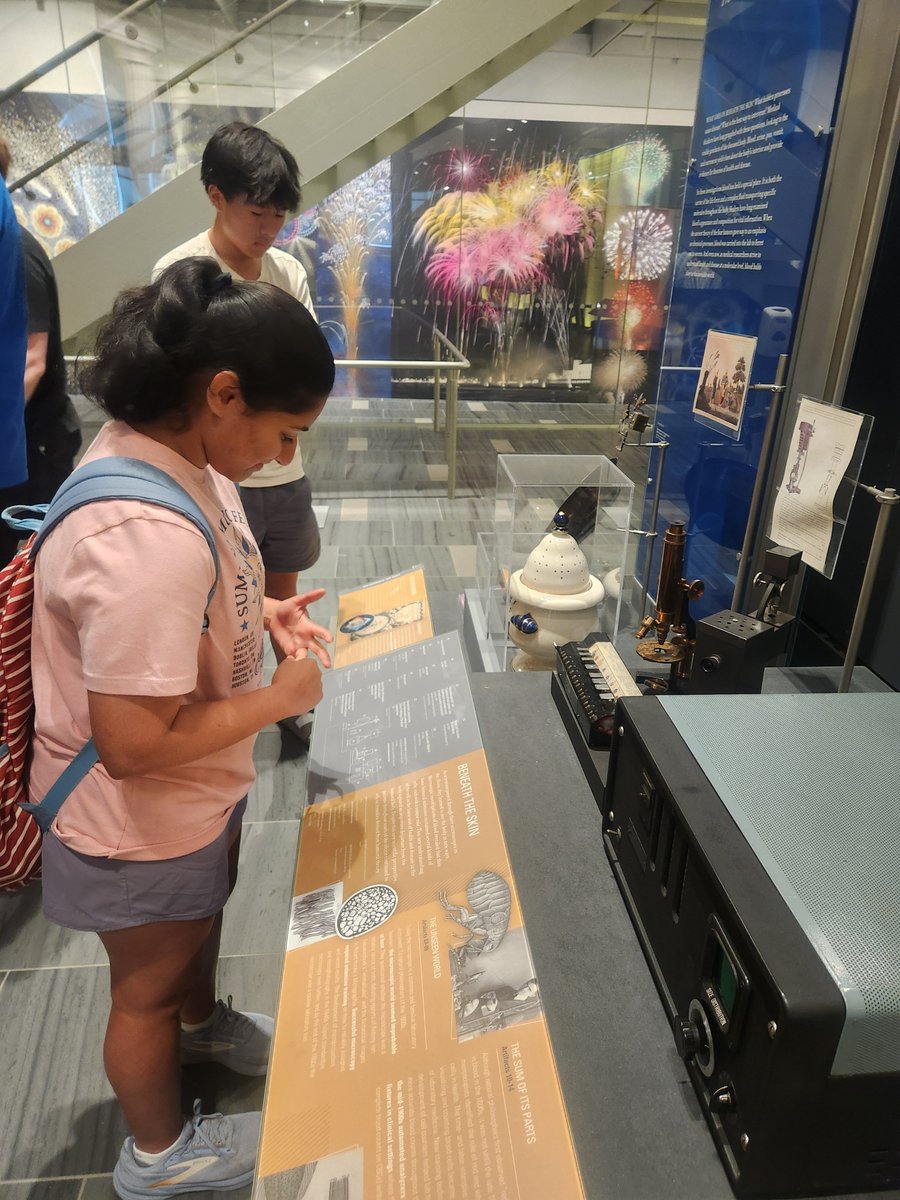
They also have a fascinating exhibit on the history and science of fireworks.
Exclusive: “The instant I saw the picture my mouth fell open and my pulse began to race.” So wrote James Watson in The Double Helix: A Personal Account of the Discovery of the Structure of DNA, his controversial account of how he and Francis Crick deciphered the structure of DNA in 1953.
The image, now known as photograph 51, showed an elegant, symmetrical pattern of spots formed by x-rays diffracted from strands of DNA—the fingerprint of the molecule's helical structure.
Rosalind Franklin, an x-ray crystallographer, had produced the image in the spring of 1952. But Watson's 1968 book, amid other slights and sexist language directed at Franklin, implied the flash of insight was his alone.
Popular accounts still routinely suggest Franklin missed the significance of the photo. She never had a chance to challenge Watson's dismissive narrative; she died of cancer in 1958, a decade before his memoir was released and became a bestseller.
But a new analysis of her notes on another x-ray image, which she made just days earlier using the same DNA sample, offers a firm rebuttal.
Learn more: https://t.co/GelhBz9Sb5 @NewsfromScience
Paper by the Science History Institute’s Alistair Sponsel and King’s College London’s Brian Sutton uncovers the significance of Rosalind Franklin's previously captured Photo 49. Learn more about their research here: https://t.co/mS8BgSEuvN
Travel back to the time of Uranium Mania...when beauty queens won piles of ore and prospectors combed the West for a Mesa miracle. Dig into the latest Distillations story written by Philadelphia-based freelance journalist Ben Seal. ☢️
https://t.co/zRWdK6Z6oY
ALSO, if you’re in the Philly area, be sure to register for the launch event of a new Distillations podcast season, American Vice, which @scihistoryorg is hosting on 10/29:
https://t.co/UEp536GUfu
In July 1976, as Philadelphia celebrated the U.S. bicentennial, a mysterious outbreak sickened more than 220 people and claimed 34 lives. Fifty years later, Sarah Everts revisits the race to identify Legionnaires' disease. #Distillations has the story ⬇️
https://t.co/xtT3HBJCLr
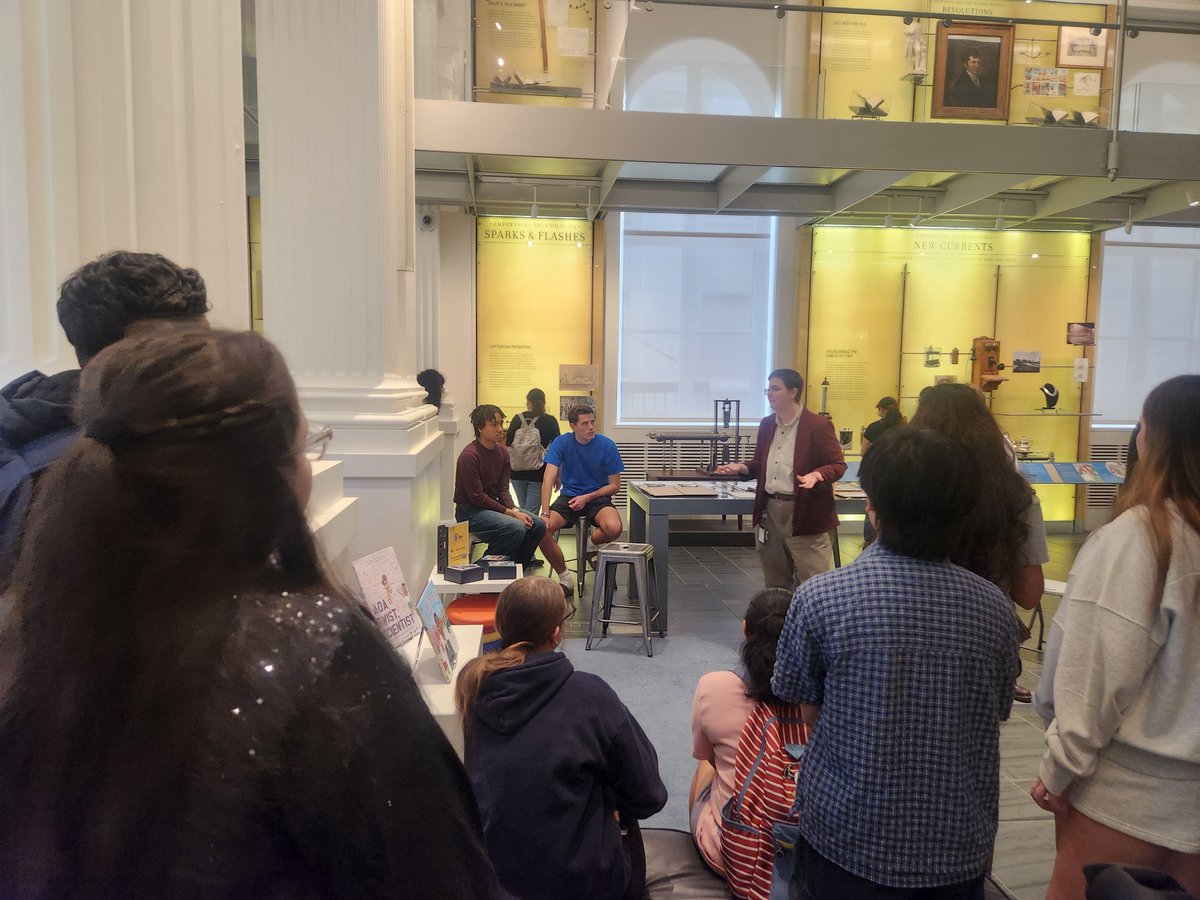
Students from the high school's AP Chemistry class visited Philadelphia's Science History Institute where they took part in a Women in Chemistry tour. One of the tour guides was 2025 UMAHS graduate Liz Cooke who is interning at the institute!
Sandalwood has been prized for millennia, but empire, industry, and scarcity turned it into an illicit commodity. In the latest #Distillations story, former fellow Nikhil Dharan traces how sandalwood smuggling became a crime.
https://t.co/7CXayYKGE7
From ancient China to the Fourth of July, the Science History Institute is lighting up the history of fireworks in a new exhibit. "Flash, Bang, Boom: A History of Fireworks" runs through July 2026 at the museum.
Listen 🎧https://t.co/dIK84XQbmA
UConn's Dr. Cato T. Laurencin has been named the winner of the 2026 Othmer Gold Medal by the Science History Institute, recognizing his extraordinary contributions to chemical and materials sciences and the impact he has made on society.
https://t.co/7qtBOqZzAE
See rare and modern treasures, support the library by adopting a collection item, enjoy our annual book-themed cake, and take home a souvenir!
Click here for more info: https://t.co/LcuMd9uhvb
📚️ #NationalLibraryWeek is quickly approaching! Celebrate with us on April 22, as we host our annual Othmer Library After Hours!
🎟️ Register for FREE ⬇️ https://t.co/LcuMd9uhvb
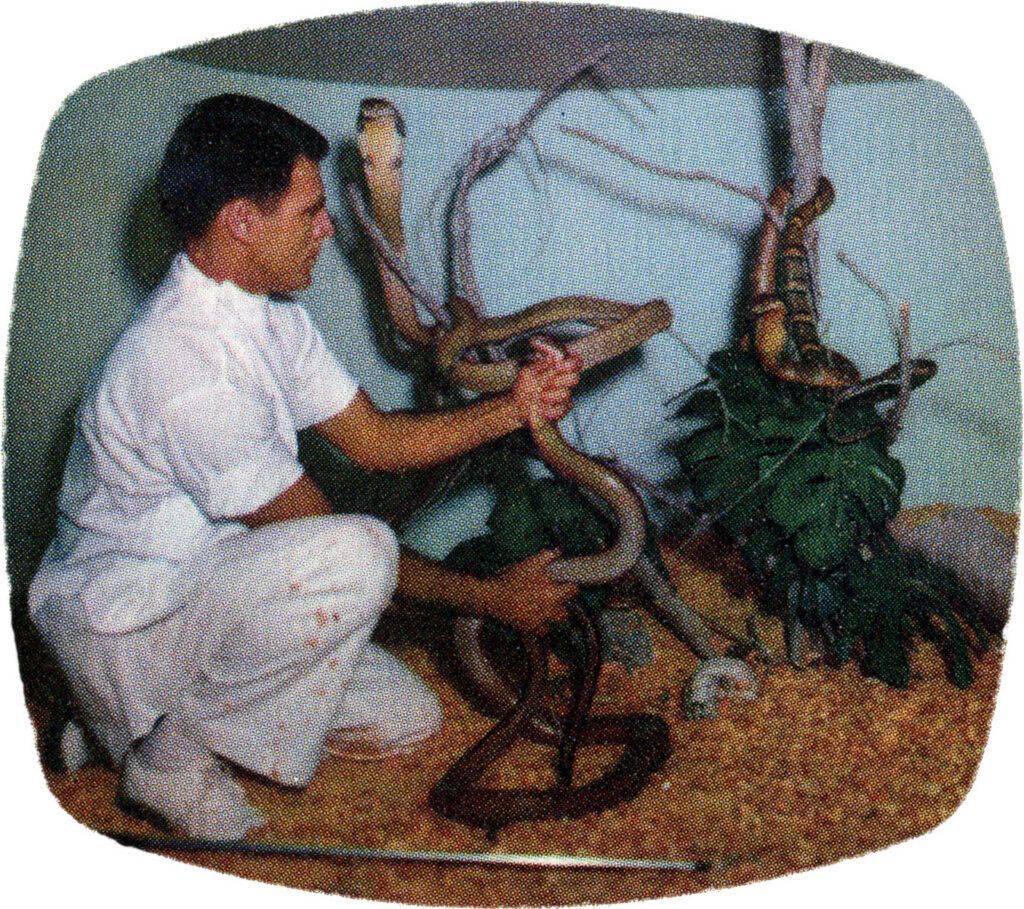
"Every Sunday for more than 30 years, Bill Haast would release one of his king cobras on his lawn so that he could 'fence' with it." —@goraladka for @scihistoryorg https://t.co/aRM6HEtasJ
🎆Opening as part of America’s 250th anniversary, Flash! Bang! Boom! reveals rare designs, cultural histories, and what’s inside a firework. Join us for a FREE opening celebration on April 10, 5–8 pm. Visit https://t.co/VzFJ9Oa1lR for more info!
🧨 An explosive new exhibition is coming to Philadelphia! Opening April 10, 💥 Flash! Bang! Boom! A History of Fireworks explores the chemistry, craft, and global stories behind dazzling displays! https://t.co/xtRFXI0fFG