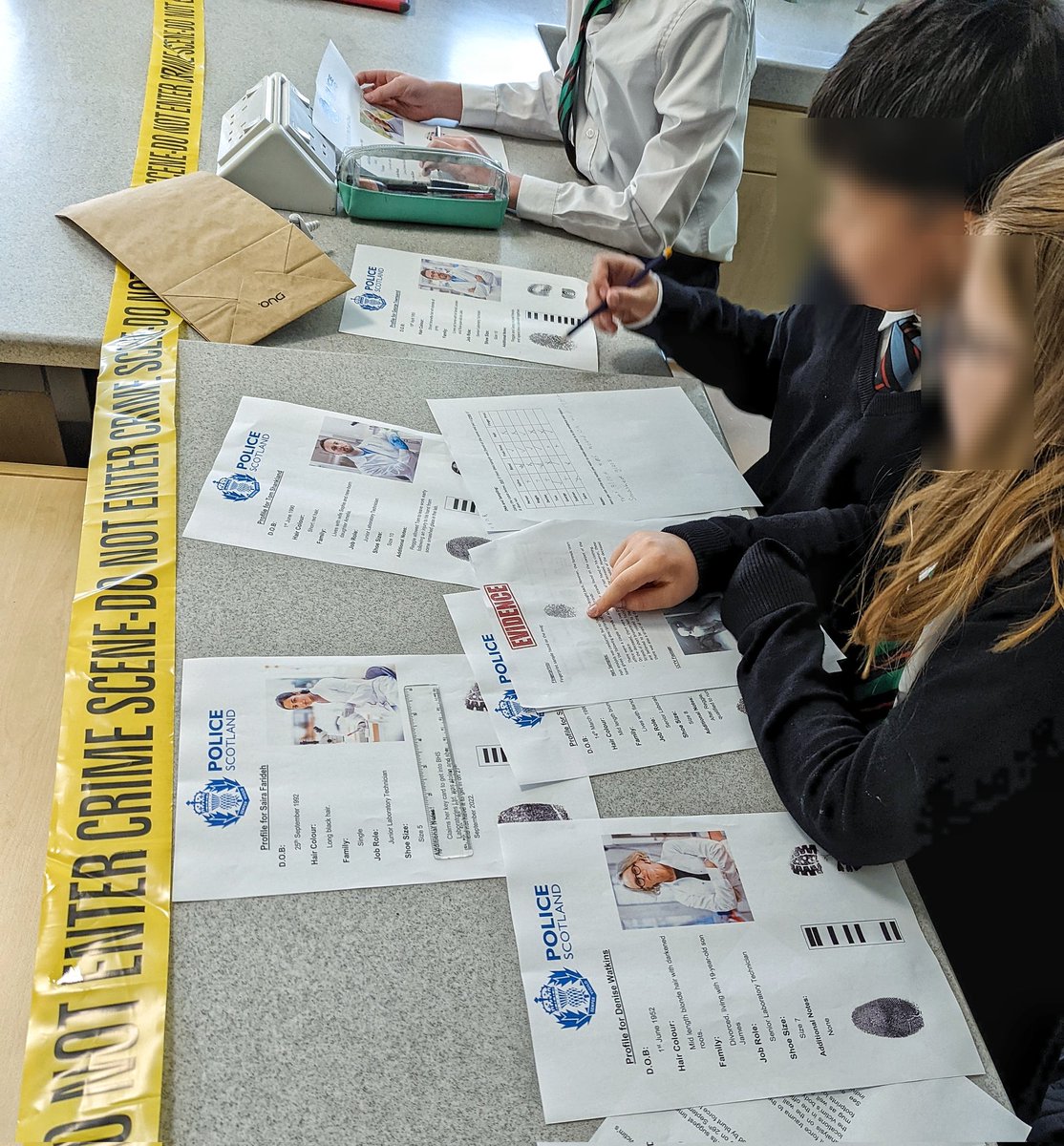
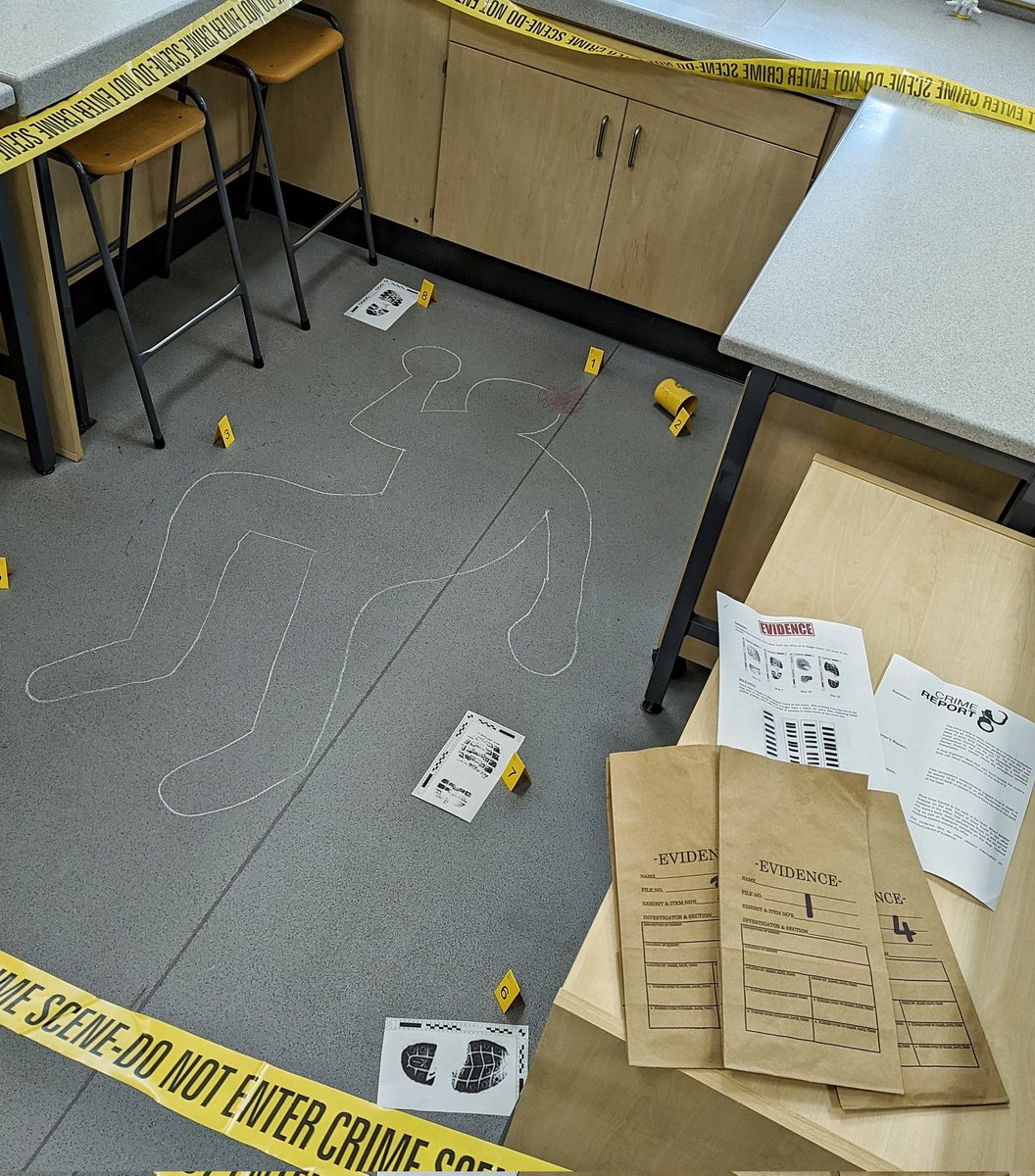
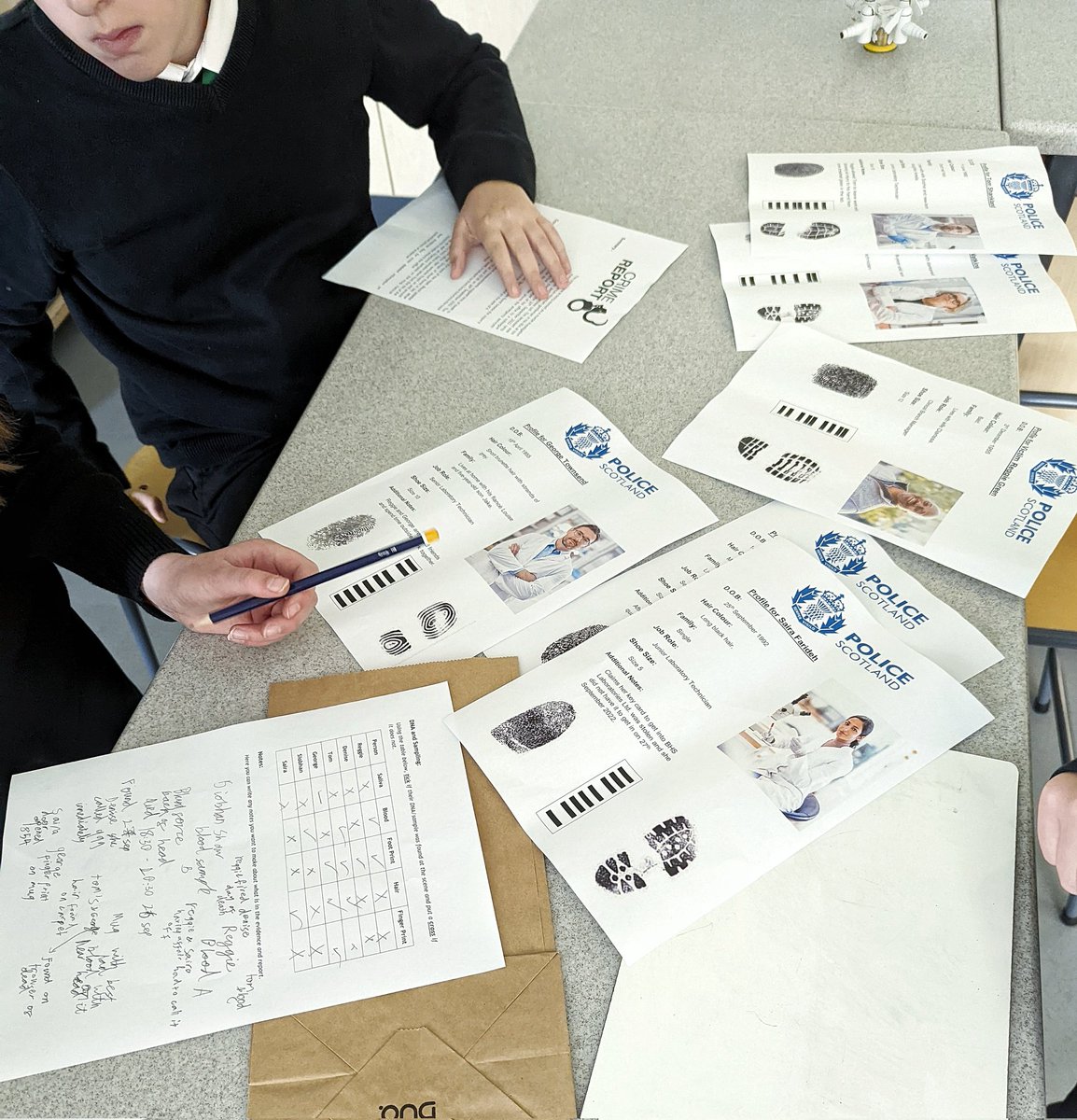
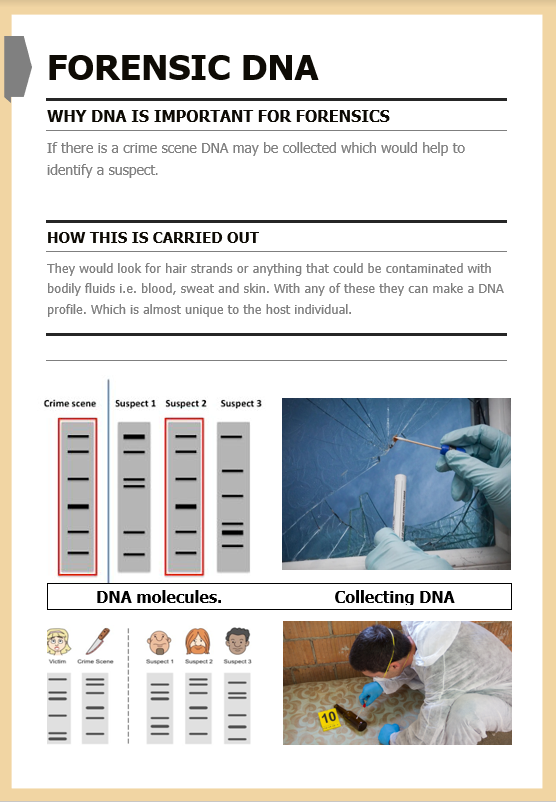
My S1s really enjoyed putting on their detective hats today to identify who the suspect of a crime was. They used loads of skills, such as communication, literacy, problem solving, but most importantly their knowledge of DNA profiling to correctly identify the correct person 🕵🏻🩸
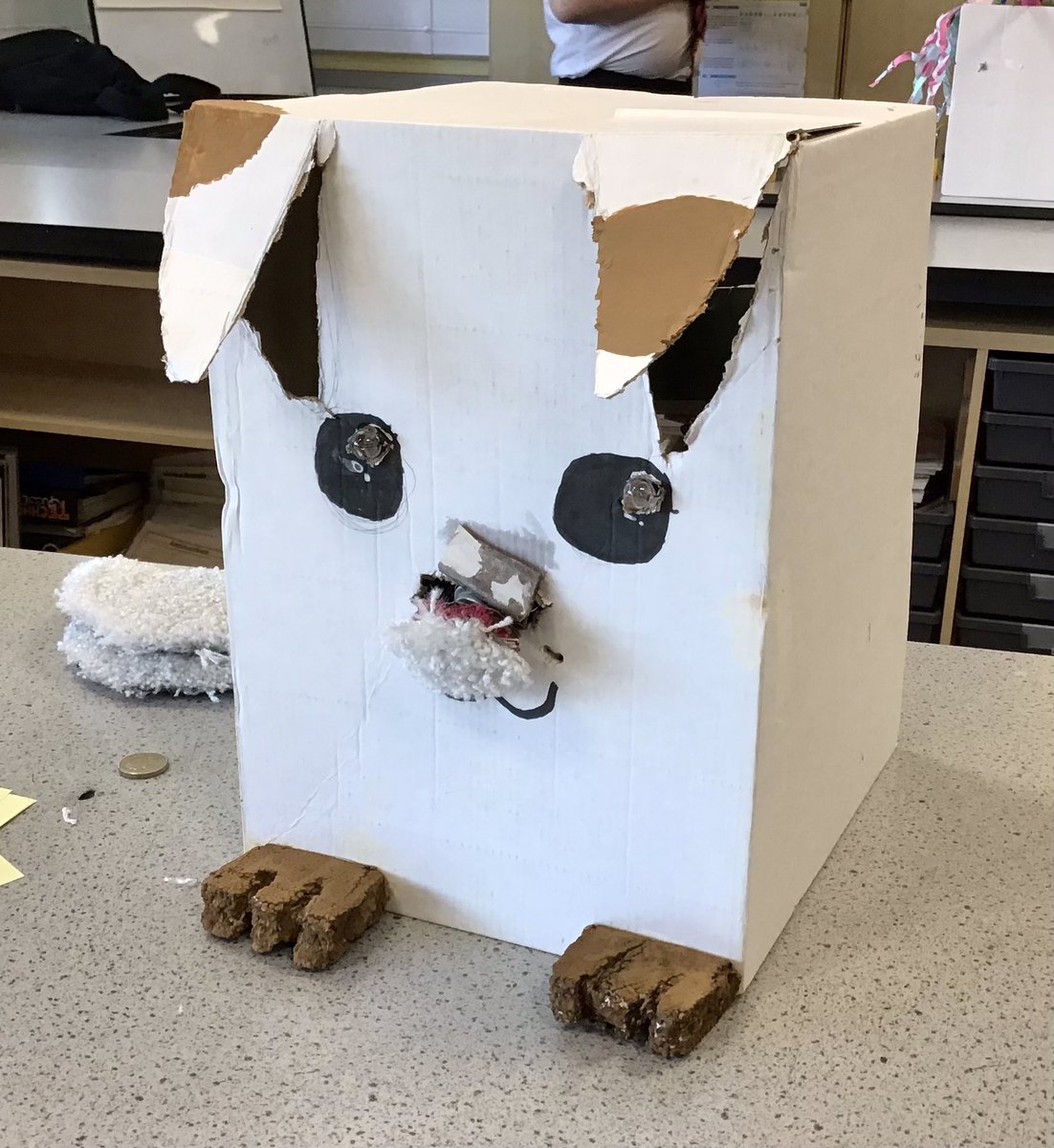
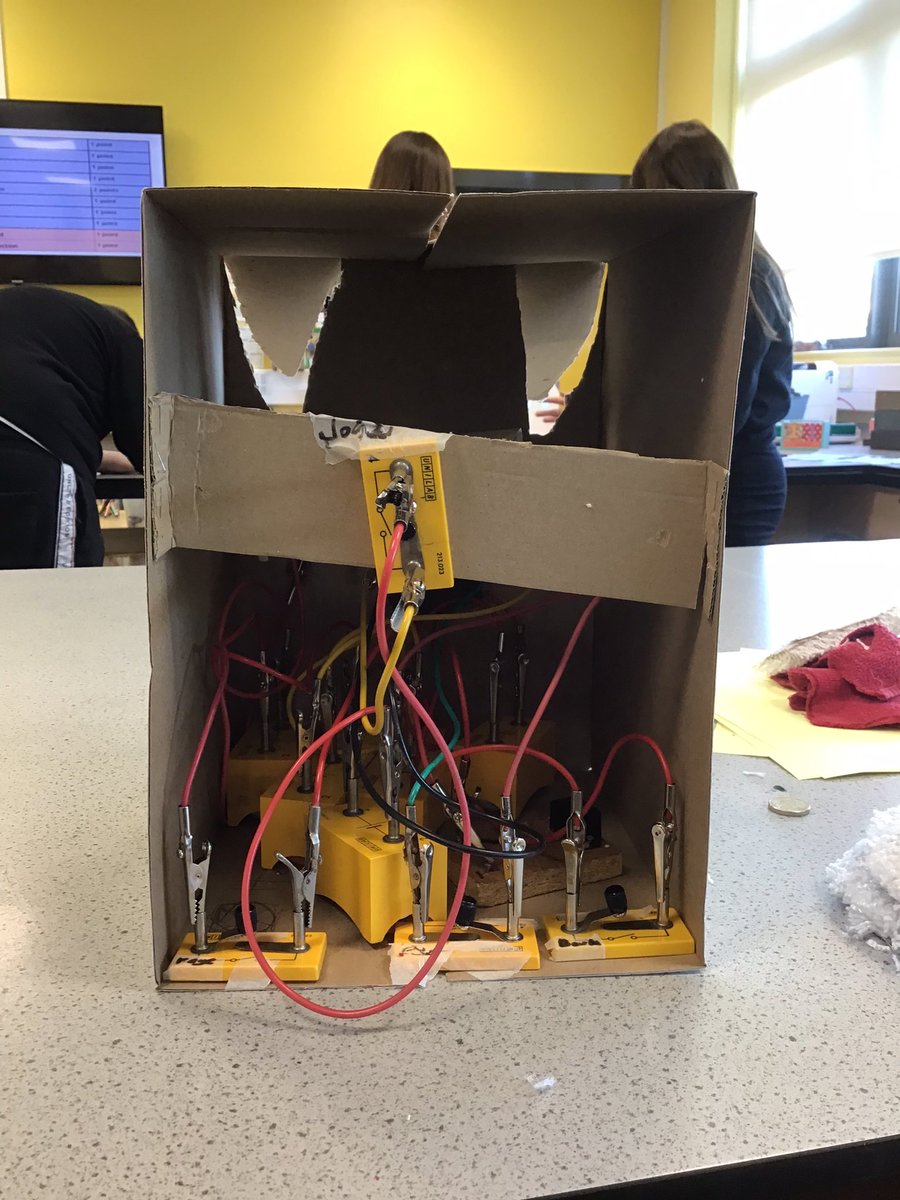
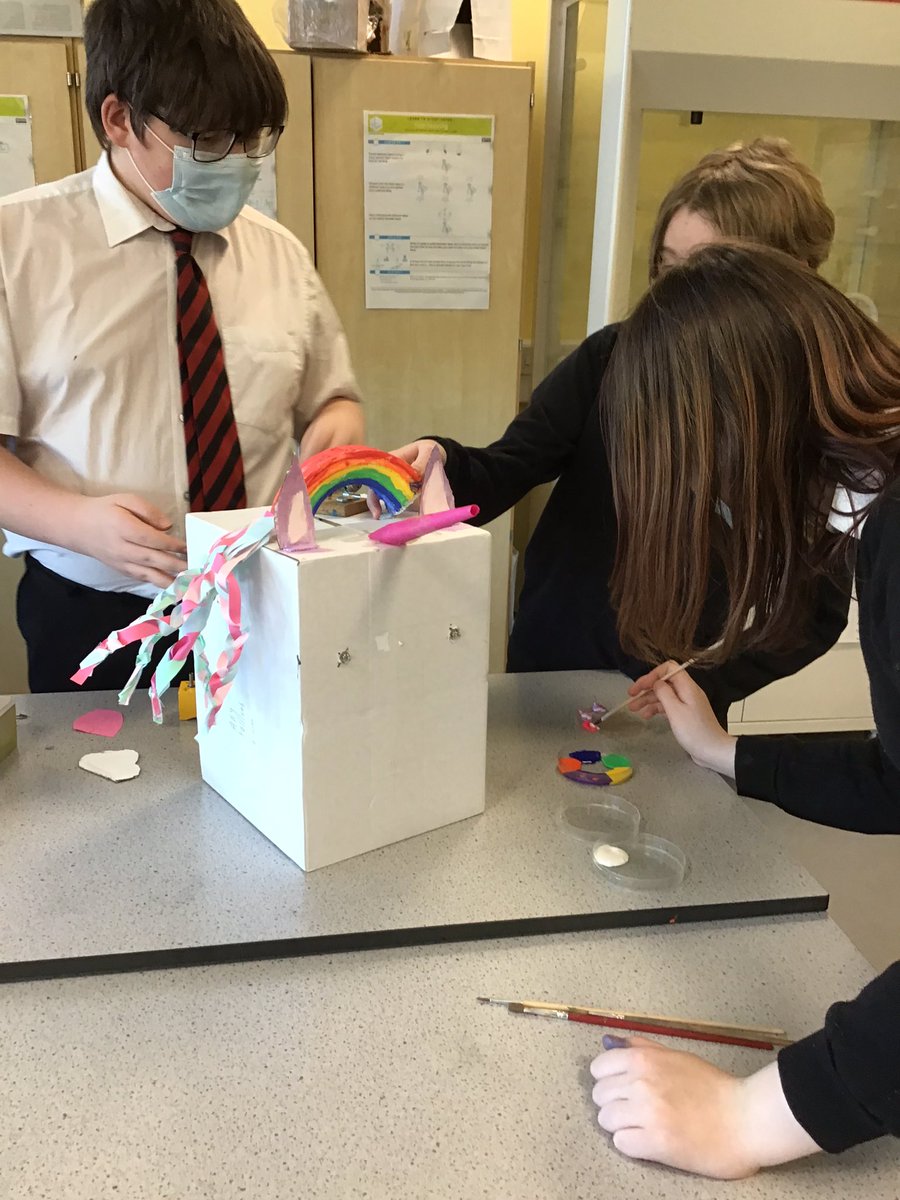
@Sci_BHS My S2 Scientists have had a great week planning and building their Robot Heads. The checklist of features include winking eyes, a spinning nose and a plan of their circuits. I’m loving the light up unicorn horn. One group is even making a Mrs Addie robot head! #STEM
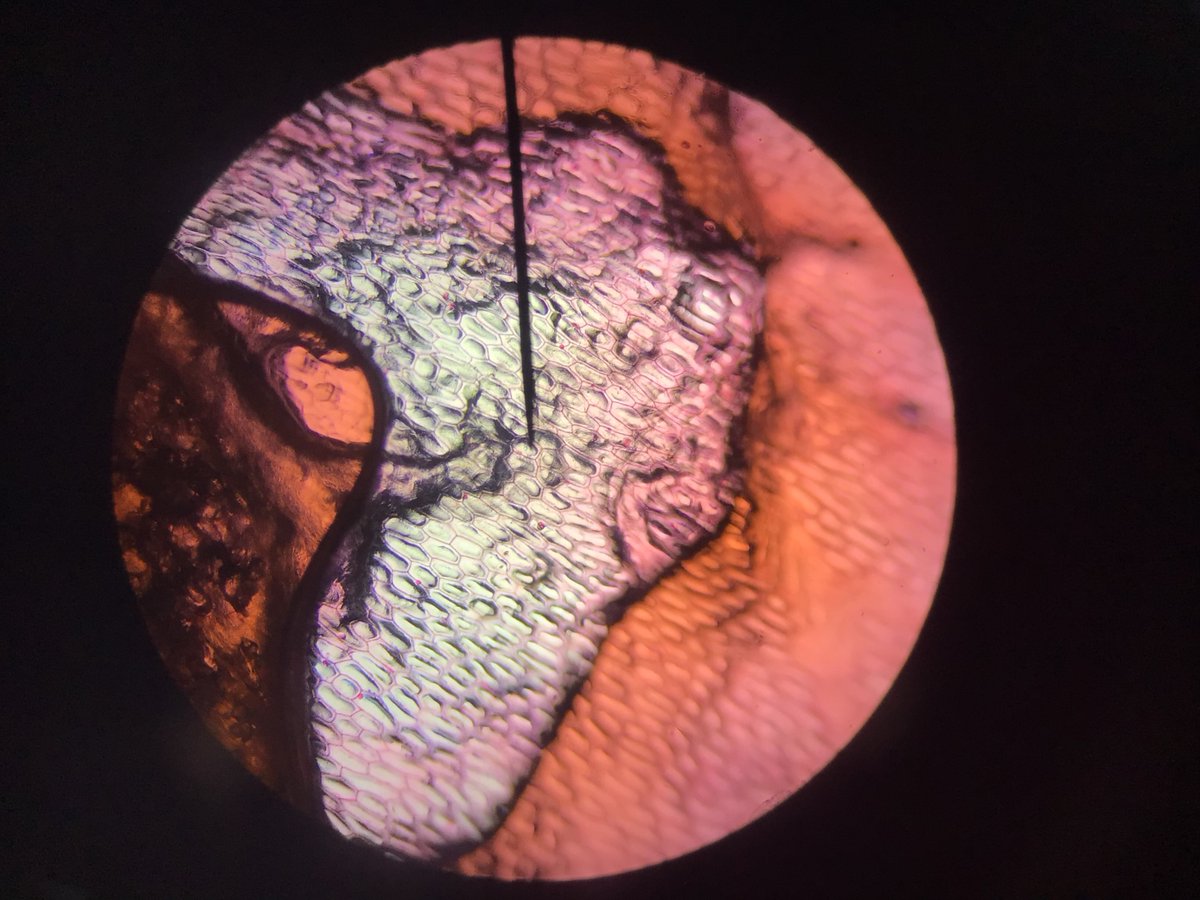
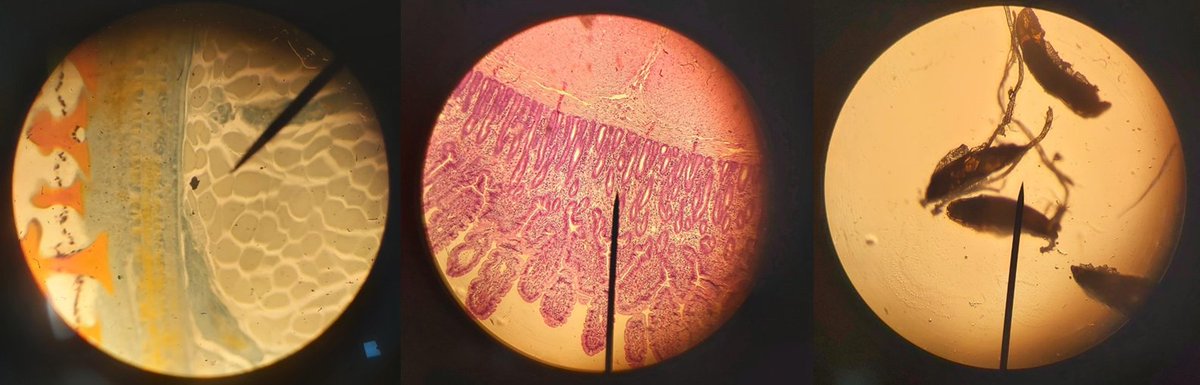
Who would had thought an onion would look so cool under a microscope? 1P3 were amazed by what they could see now that they're experts on using the microscope!
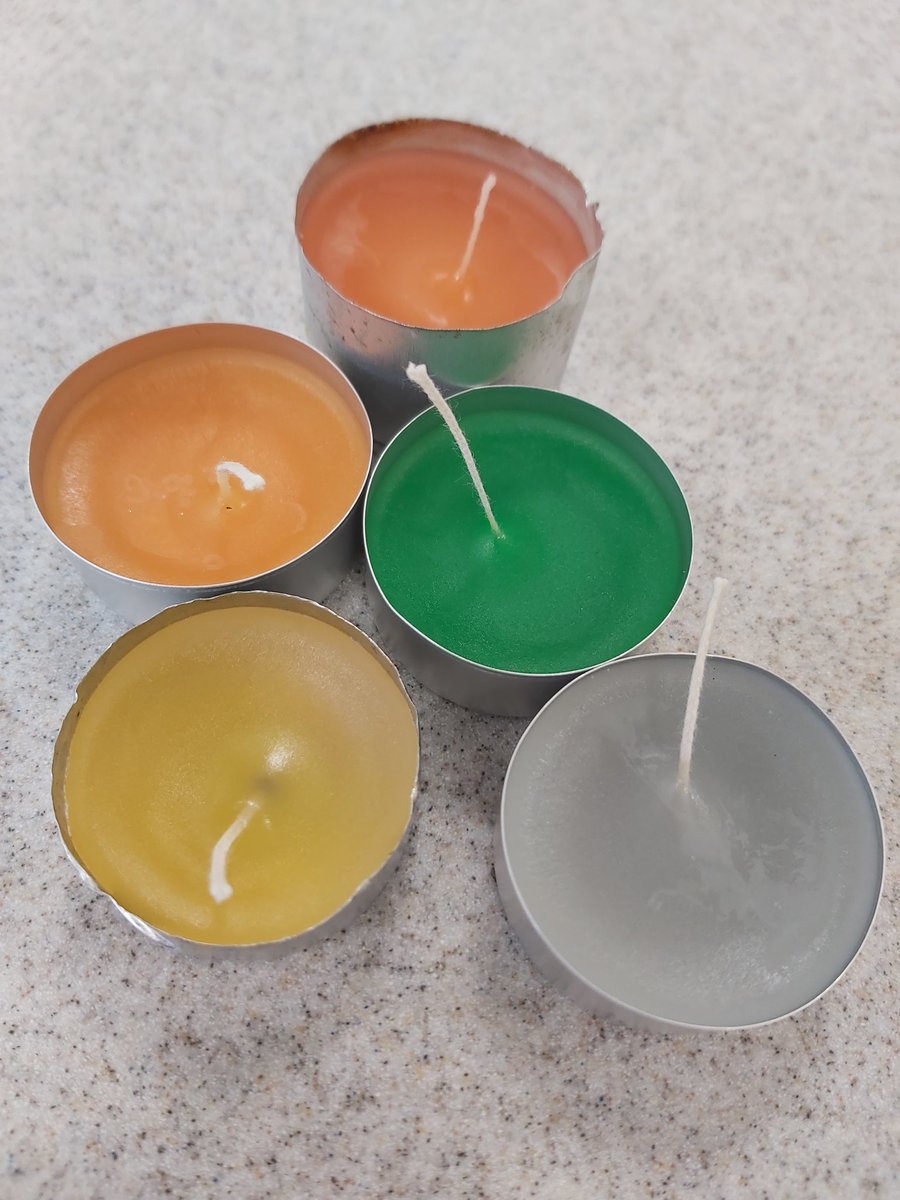
Students made their own colourful tea lights this morning when looking at changing of states from solid to liquid and back to a solid. Nice wee end to a hectic year!🕯
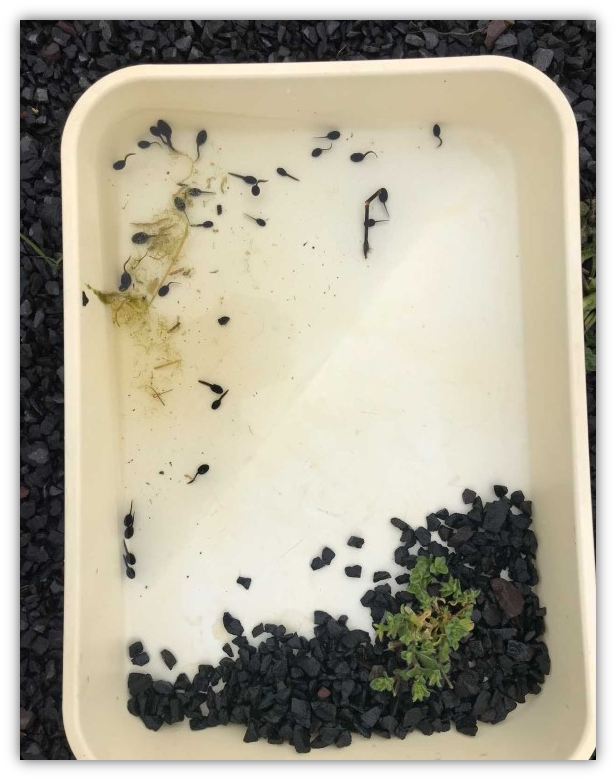
S1s were out between rain showers yesterday to the school pond to see what we could find. There was a few invertebrates, such as water spiders and boatman, but the main highlight was seeing loads of tadpoles (returned safely afterwards) 🐸
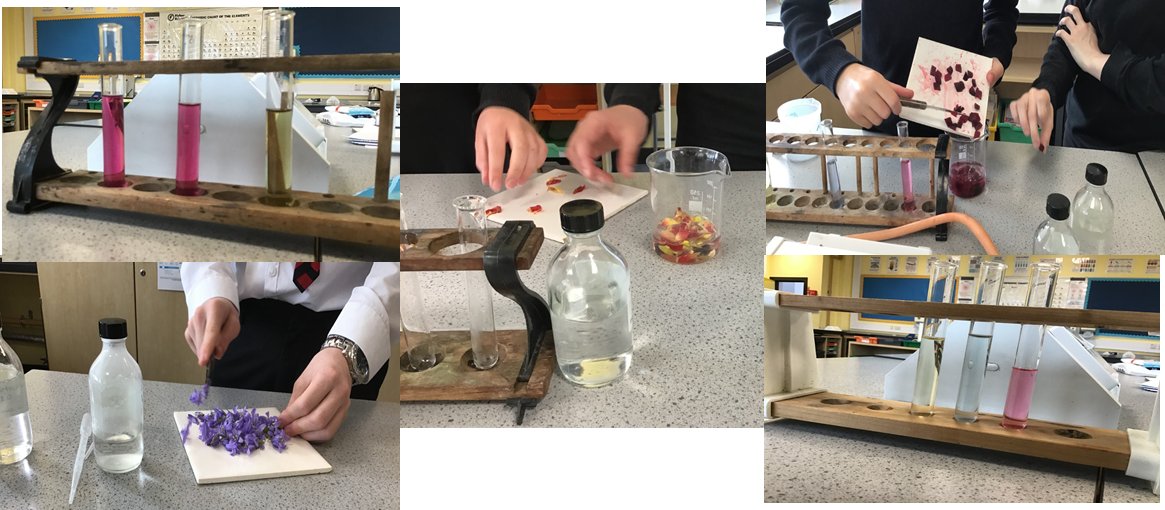
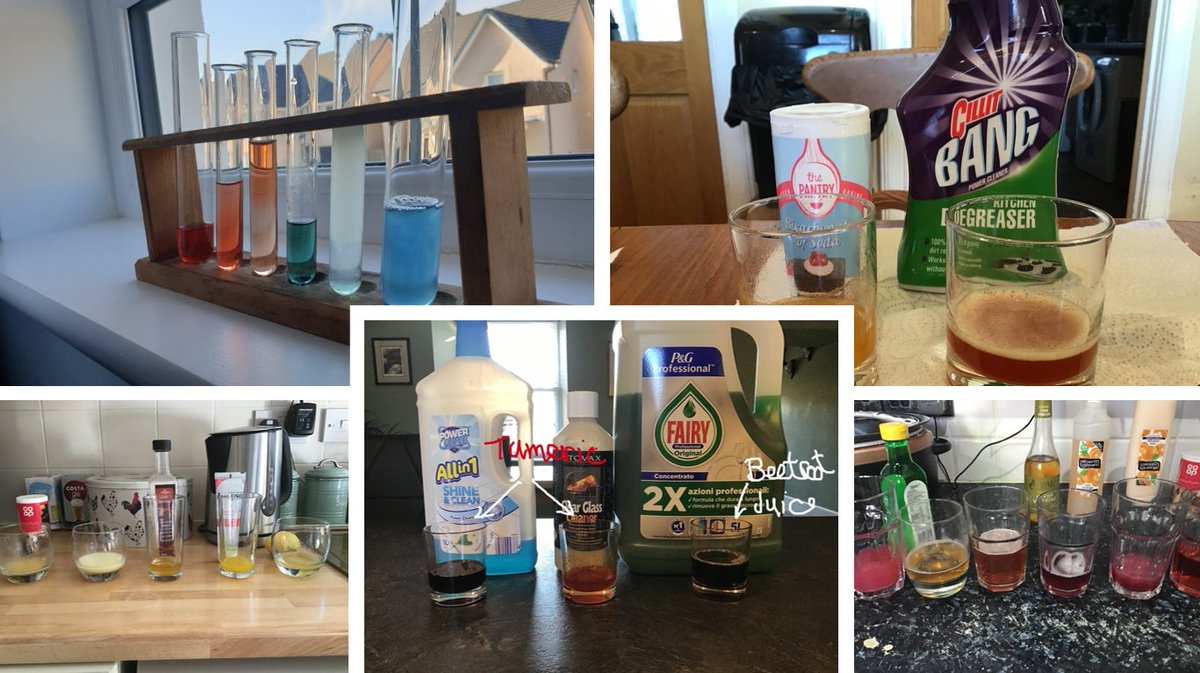
S2s have been making their own indicators. They investigated using petals, bluebells, beetroot and red cabbage. The results for beetroot (the picture with two tubes the same) and bluebell (the pic with three distinctive colours) are shown.
Some of our S1s today were using microscopes for the first time where they were looking at certain tissues up close. They picked up the essential skills very quickly too; experts in the making!🔬
Brilliant to see some our students engage in some kitchen science through investigating the different pH of household solutions. To detect these solutions, beetroot juice, turmeric or cranberry juice was used as an indicator🧪
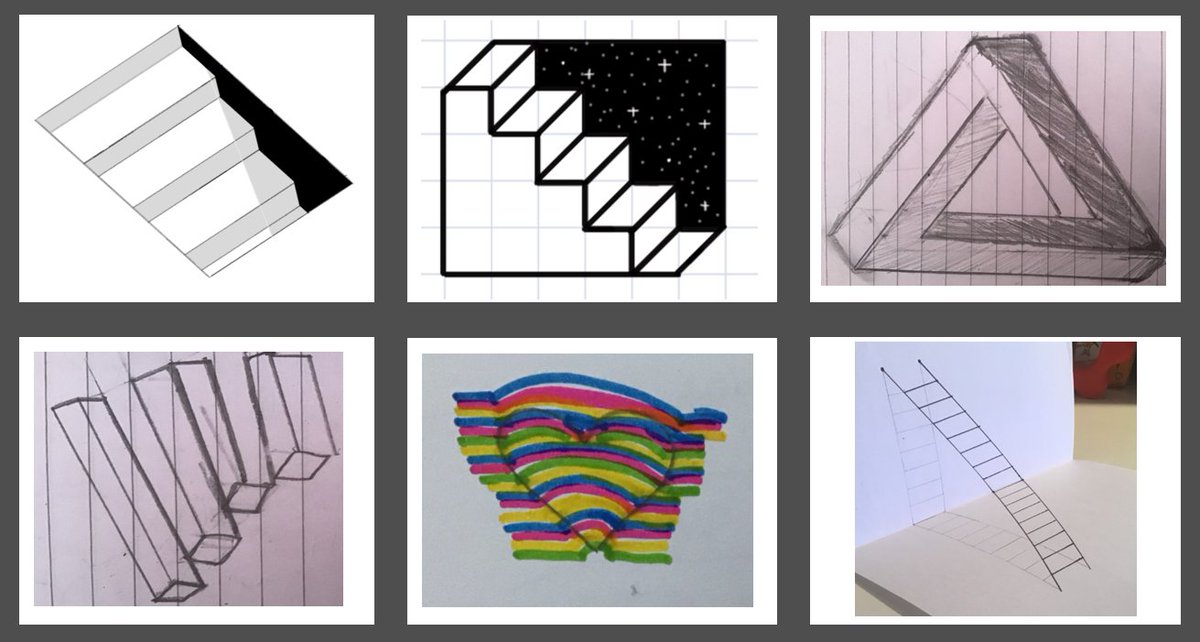
Following a lesson with S2s finding out how the eye processes information differently between different people, they attempted their own optical illusions (even those tech savvy on their iPads!).
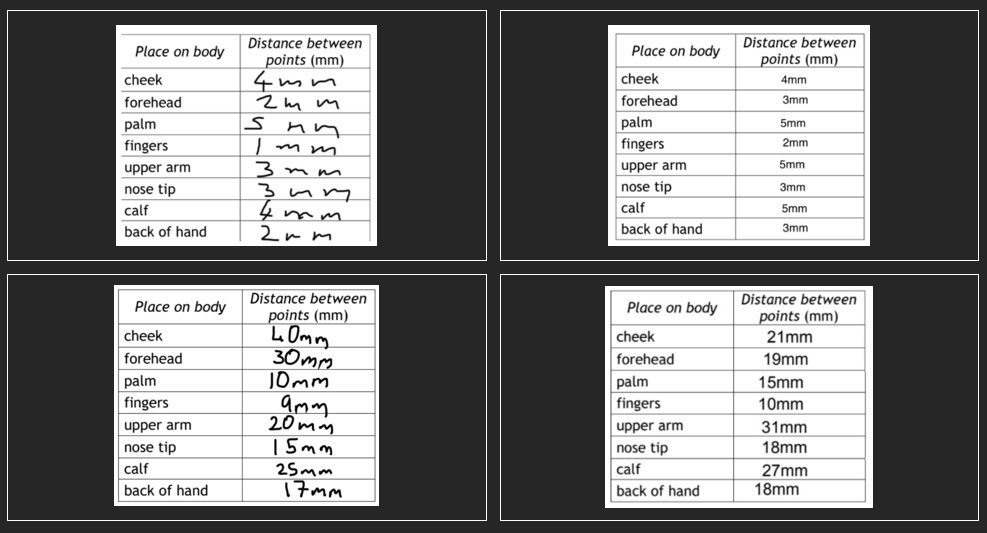
During our body systems topic, students inestigated the aim: "to find out if the sense of touch is the same all over the body". Here are the results to answer that aim. What part of the body had the better sense of touch?🤘🏼 🤙🏼✌️🏼
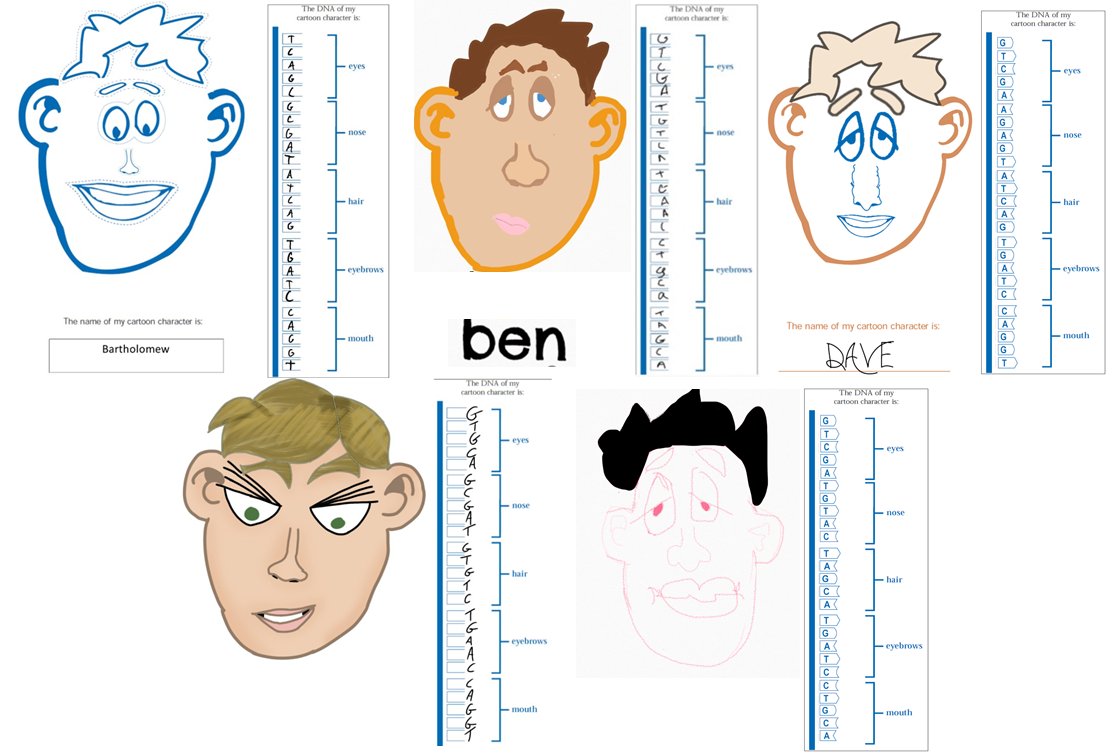
Thanks to @BBSRC for this! The S1s had fun being creative, as well as learning about how different base sequences can result in different physical characteristics and ensuring variation!
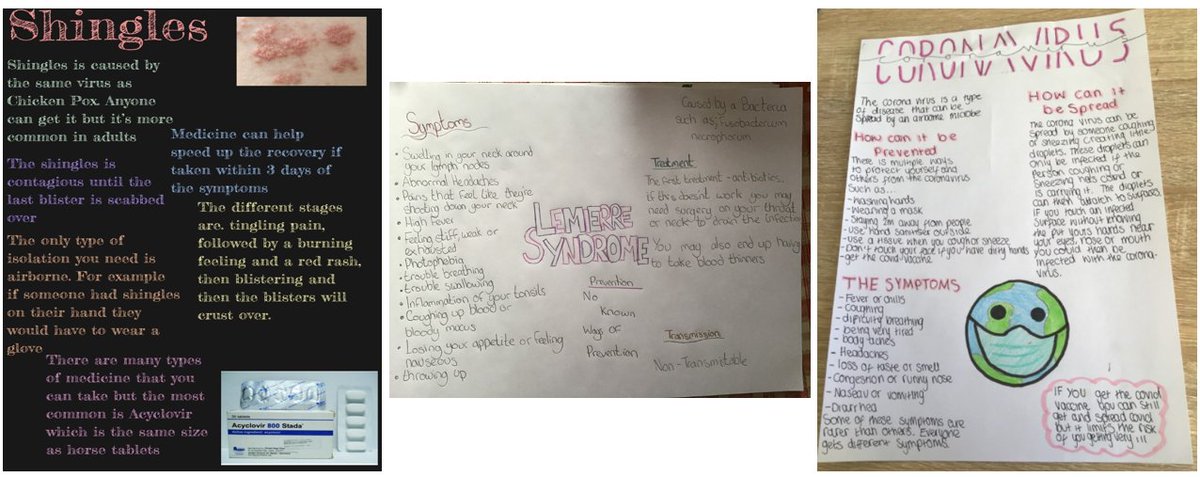
Below is a sample of some of the work produced by our junior geneticists:
Superb!🧬👍
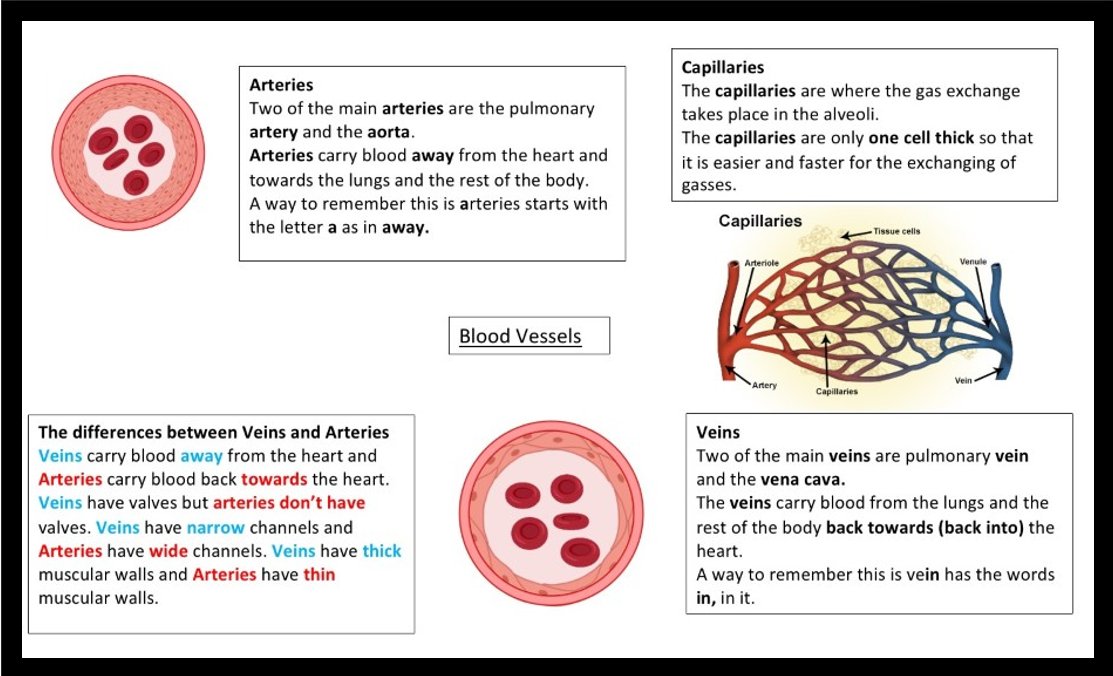
The S2s are becoming more and more an expert on the human body with the next installment: our blood vessels.
This an example of one of the summary posters produced to show the main differences between the three different blood vessels🩸