ChemLab Glassware from Ancient Times!
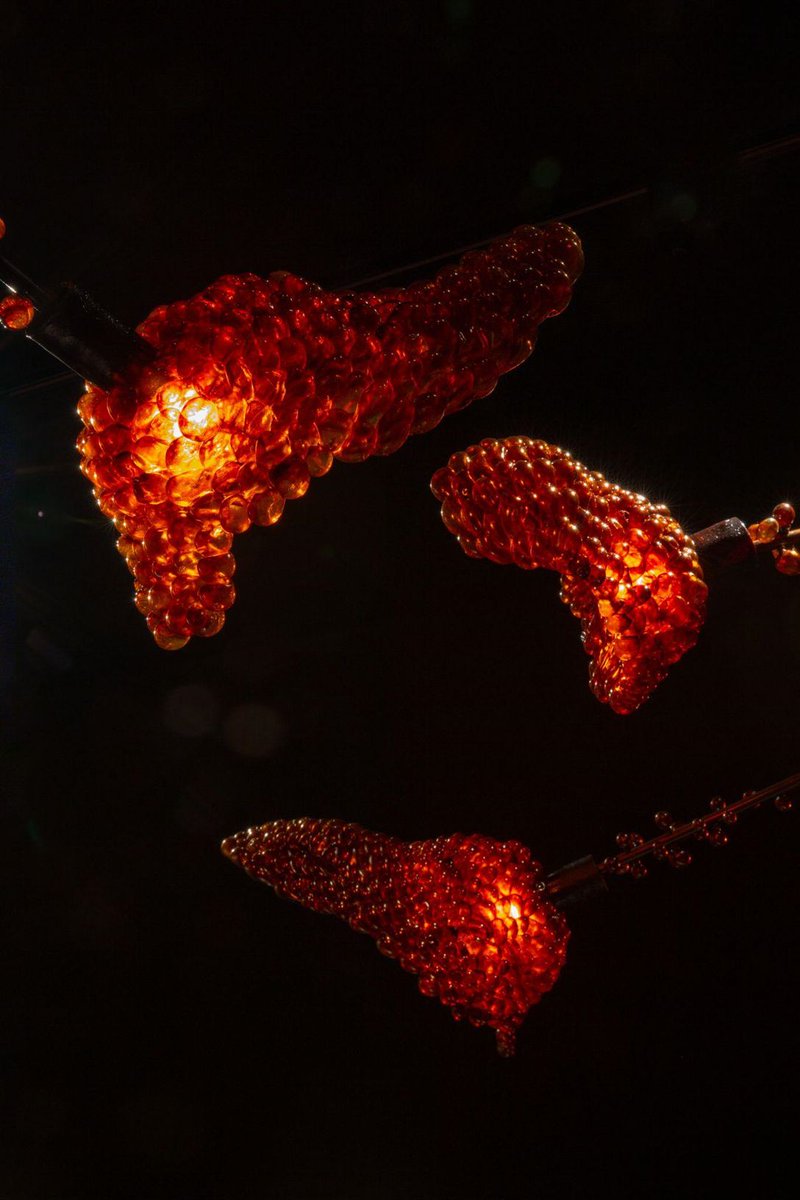
Guess what Reaction was Brewing in this 2,000-Year-Old Roman Glass Flask?
Murano Glass Museum, Venice, Italy.
Image by @MINDlabpt#glass#sciart#chemistry#scicomm
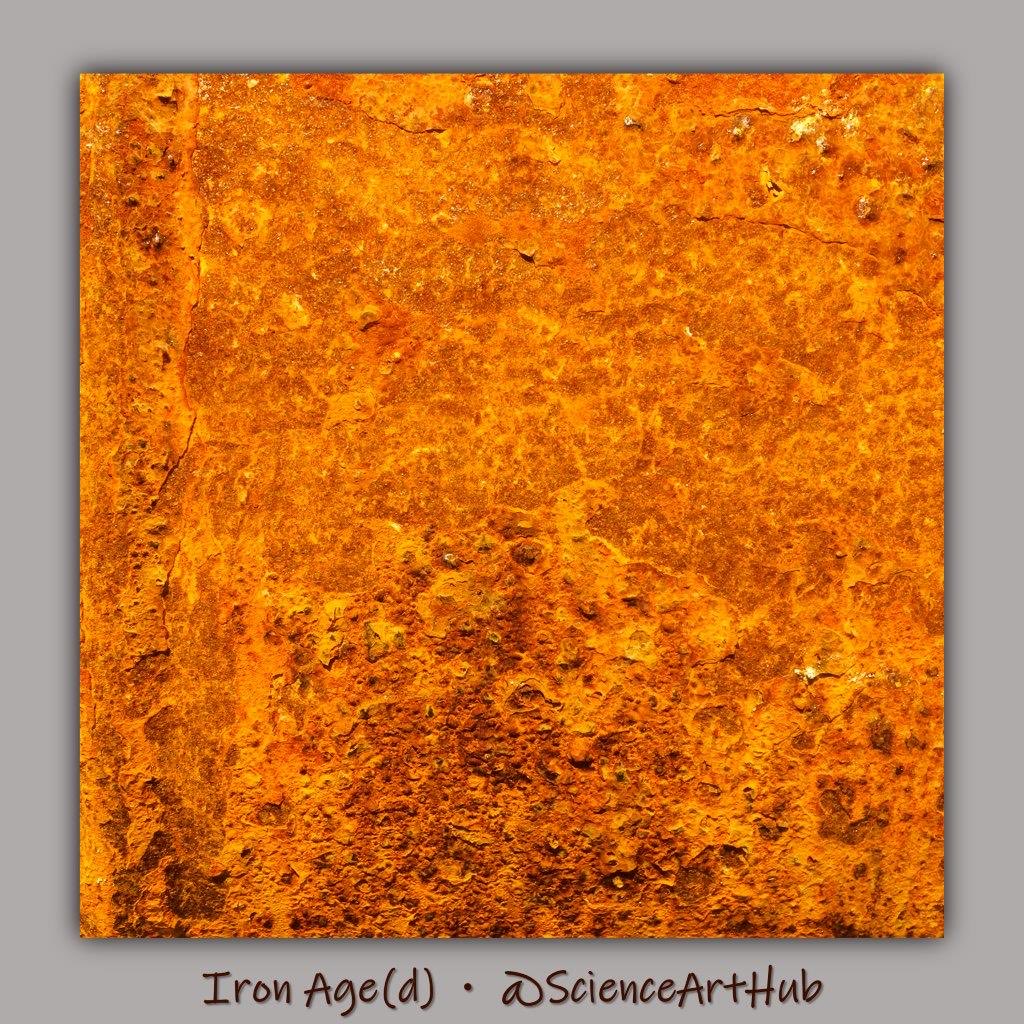
Iron Age(d): Where Imperfections Become Art.
“Just as iron rusts from disuse, even so does inaction spoil the intellect.” - Leonardo da Vinci
#sciart#scicomm#rust#chemistry
Rust is a corrosion product of iron and its alloys. Rusting occurs when iron or steel react with oxygen (air) and water (moisture) to form hydrated forms of iron(III) oxide and oxide-hydroxide. As a result of this process, there is gradual deterioration (oxidation) of iron, producing typical reddish-brown or yellowish-brown rust colors.
Several factors influence the rate of rust formation, such as the presence of moisture, oxygen concentration, temperature, pH level, and the type of iron or alloy (steel). Higher moisture levels, salty water, increased exposure to oxygen, and acidic environments accelerate the rusting process.
Various methods are employed to prevent the corrositon or minimize the formation of rust, including the application of a protective coating, such as paint or a layer of zinc (galvanization). Rust can have detrimental effects on iron and steel structures, causing the loss of strength, structural damage, and potential safety hazards.
In art, rust and corrosion are explored intentionally to achieve unique aesthetic effects and highlight concepts related to time, decay, and transformation. Rust can be used as a medium, where iron oxidation is promoted to create textures, patterns, and aging effects. Rust and corroded objects can also be incorporated into mixed media artworks and collages.
Rust is often associated with industrial landscapes and urban decay. Some artists integrate rusted elements to depict urbanization, deindustrialization, and the transformation of urban spaces. A fragment of rusted metal surface is shown herein. Image by @ScienceArtHub
Iron Age(d): Where Imperfections Become Art.
“Just as iron rusts from disuse, even so does inaction spoil the intellect.” - Leonardo da Vinci
#sciart#scicomm#rust#chemistry
Rust is a corrosion product of iron and its alloys. Rusting occurs when iron or steel react with oxygen (air) and water (moisture) to form hydrated forms of iron(III) oxide and oxide-hydroxide. As a result of this process, there is gradual deterioration (oxidation) of iron, producing typical reddish-brown or yellowish-brown rust colors.
Several factors influence the rate of rust formation, such as the presence of moisture, oxygen concentration, temperature, pH level, and the type of iron or alloy (steel). Higher moisture levels, salty water, increased exposure to oxygen, and acidic environments accelerate the rusting process.
Various methods are employed to prevent the corrositon or minimize the formation of rust, including the application of a protective coating, such as paint or a layer of zinc (galvanization). Rust can have detrimental effects on iron and steel structures, causing the loss of strength, structural damage, and potential safety hazards.
In art, rust and corrosion are explored intentionally to achieve unique aesthetic effects and highlight concepts related to time, decay, and transformation. Rust can be used as a medium, where iron oxidation is promoted to create textures, patterns, and aging effects. Rust and corroded objects can also be incorporated into mixed media artworks and collages.
Rust is often associated with industrial landscapes and urban decay. Some artists integrate rusted elements to depict urbanization, deindustrialization, and the transformation of urban spaces. A fragment of rusted metal surface is shown herein. Image by @ScienceArtHub
Science & Design: The Art from Insect-Produced Polymers.
#sciart#scicomm#bioart
O.O. Merhav: The Beauty and Possibility of an Insect-produced Polymer. w/k–Between Science & Art Journal. 2025, https://t.co/YxKuf87eyf
Recent Collaborative Research by MINDlab: Chemistry for Inspiring Minds.
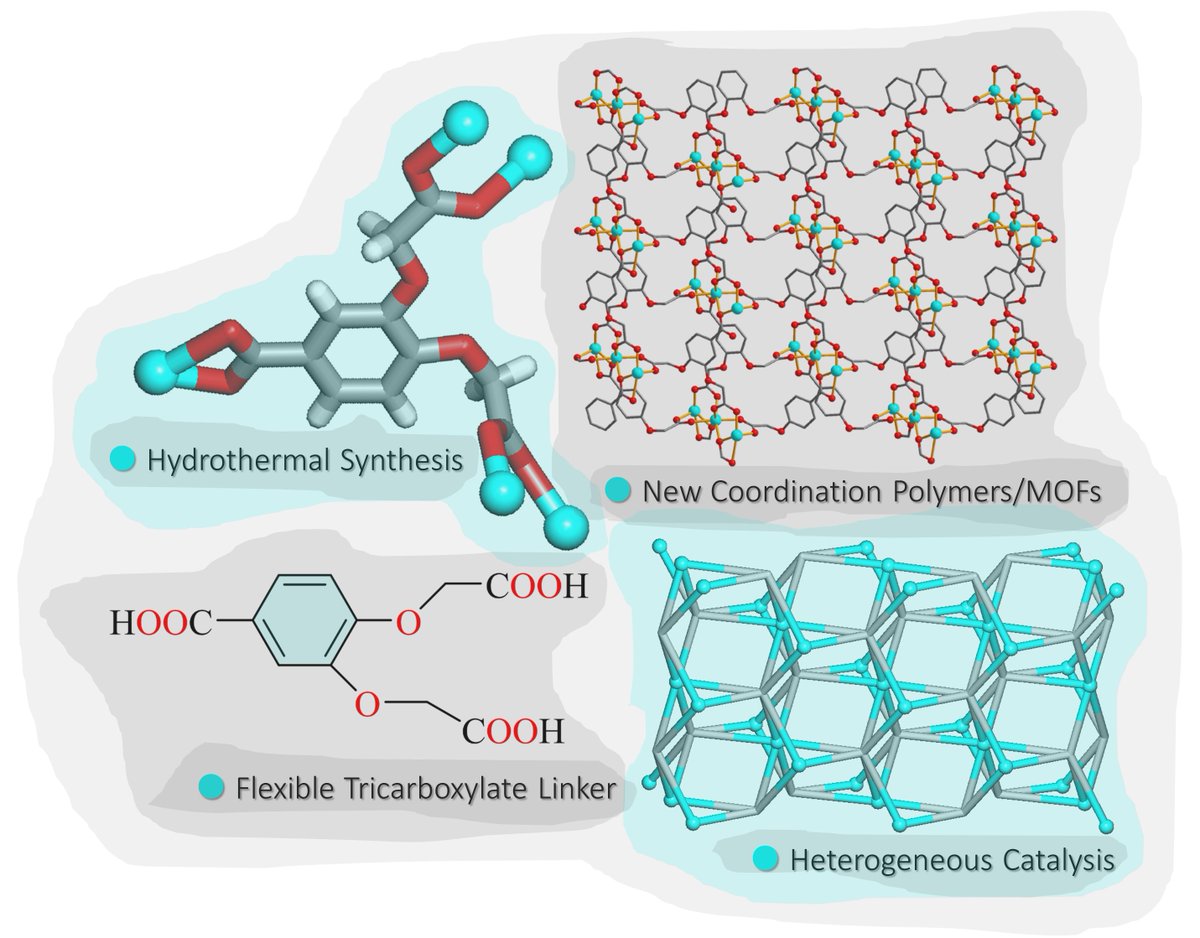
New Metal-Organic Frameworks for Catalysis.
Inorg. Chem. 2026, https://t.co/66KNRnEdSn
@ACSPublications#scicomm#chemistry#catalysis#MOFs
The Beauty of Mineral Skeletons.
Historical Science Art from 1904.
Radiolaria (Zooplankton). Ernst Haeckel, Art Forms in Nature.
#sciart#scicomm#bioart#ocean