Aggressive lung cancers often resist standard treatments because of a genetic flaw where tumor cells duplicate a specific segment of their own DNA, known as chromosome 3q. While scientists have long recognized that this extra DNA fuels rapid tumor growth and spread, finding a way to target and shut down the genes inside this region has remained a major hurdle in cancer research.
A new study published in the Proceedings of the National Academy of Sciences by researchers at UTHealth Houston has uncovered the hidden mechanism behind these stubborn tumors. Led by Dr. Xiaochao Tan, the team found that the duplicated DNA causes cancer cells to mass-produce an enzyme called phospholipase D1. This enzyme hijacks the cell's internal post office, the Golgi apparatus, forcing it into overdrive so the tumor can continuously pump out growth-promoting signals into the surrounding tissue.
While this hyperactive shipping system helps the cancer thrive and spread, it also creates a fatal weakness because the tumor becomes completely addicted to it. To exploit this dependency, the researchers designed a targeted therapy that acts like a biological guided missile, locking onto a surface protein abundant on these lung cancer cells to deliver an enzyme-blocking drug directly inside the tumor. In preclinical models, this precise strike shut down the rogue shipping process and halted tumor growth, offering a promising new strategy for treating some of the most difficult lung cancers.
Citation details: Xiaochao Tan et al., PLD1-driven oncogenic secretion creates a therapeutic vulnerability in chromosome 3q–amplified NSCLC, Proceedings of the National Academy of Sciences (2026). DOI: 10.1073/pnas.2532484123
Bamboo is famous for its rapid growth and versatility, yet its most impactful role might soon be powering the vehicles on our roads. Chemical engineers led by Worcester Polytechnic Institute have demonstrated that this fast-growing grass can be transformed into a clean, liquid transportation fuel for just $2.75 per gallon, making it directly competitive with traditional gasoline and diesel.
For years, efforts to make affordable biofuels from crops like corn stalks and switchgrass have struggled with high costs and chemistry problems. Those plants grow relatively slowly, forcing refineries to spend heavily on trucking raw material from far away. They also contain high levels of natural mineral ash, which clogs refinery equipment and ruins the chemical reactions needed to make fuel. Bamboo naturally solves both issues. Growing up to three times faster than corn stalks on poor soil that is unsuitable for food crops, bamboo contains less than one percent ash and is rich in a woody plant compound that converts directly into high-energy fuel.
Using a high-tech pressure-cooking method involving superheated water, the researchers broke down wet bamboo stalks into a rich bio-oil in just ten minutes at 300 degrees Celsius without needing expensive chemical additives. Because bamboo grows so densely, a full-scale refinery could source all its plants from within a 30-mile radius. A single facility operating on this model could produce nearly 300 million gallons of fuel annually at that $2.75 price point, while cutting carbon emissions by over 95 percent compared to petroleum.
Paper Reference: Timothy M. Woodard, Charles M. Cai, James Walters, and Michael T. Timko. "Bamboo as a cost-effective feedstock for production of low carbon transportation fuels." Sustainable Energy & Fuels (2026). DOI: 10.1039/d6se00296j
Sudden cardiac death claims hundreds of thousands of lives every year, often striking people who feel completely healthy. Unlike a typical heart attack caused by blocked blood flow, sudden cardiac arrest happens when the heart's electrical system unexpectedly malfunctions. While implanted defibrillators can easily save lives, doctors have long struggled to predict who actually needs one. Standard screening tests measure how well the heart pumps blood, an approach that unfortunately misses the vast majority of people who eventually suffer a fatal cardiac arrest.
In a new Nature study, researchers Ziad Obermeyer, Alexander Schubert, James Ross, Sendhil Mullainathan, and Markus Lingman used artificial intelligence to solve this medical blind spot. By linking a massive Swedish database of routine electrocardiogram recordings directly to death certificates, their deep learning model learned to spot hidden electrical warning signs on its own. Remarkably, the algorithm identified high-risk patients across Sweden, the United States, and Taiwan, catching over 86 percent of vulnerable individuals who had been completely overlooked by standard heart tests.
Even more exciting, the scientists translated the computer's findings into a clear visual signal that doctors can actually see with the naked eye. In high-risk patients, a specific part of the ECG tracing loses its normal sharp downward dip and instead shows a slow, slurred wave. The team traced this unusual pattern back to microscopic scarring inside the heart muscle that quietly delays electrical signals at the end of each heartbeat. Because standard ECGs are cheap, painless, and performed millions of times every day, spotting this hidden warning sign during routine checkups could help doctors protect vulnerable patients long before their heart suddenly stops.
Article: Obermeyer, Z., Schubert, A., Ross, J., Mullainathan, S. & Lingman, M. An ECG biomarker for sudden cardiac death discovered with deep learning. Nature 655, 210–218 (2026). DOI: 10.1038/s41586-026-10674-6
Scientists have long assumed that the stumbling, sedation, and long-term brain damage caused by heavy drinking are the direct result of alcohol chemically poisoning nerve cells. However, a landmark 2026 study published in the journal Immunity by researchers at the Cleveland Clinic reveals that the brain's own immune system is the hidden culprit behind these effects.
Using real-time brain imaging during episodes of binge drinking, the team observed that specialized immune cells called microglia abruptly abandon their normal caretaker duties within minutes of alcohol exposure. Turning aggressive, these immune cells begin engulfing and digesting the extracellular matrix, a vital web of proteins and sugars that acts as the physical scaffolding holding neural connections together.
As this structural support dissolves, communication junctions between neurons break apart and overall brain activity drops sharply. When heavy drinking is repeated over time, this ongoing destruction leads to permanent cell death in the frontal cortex, a destructive pattern the researchers also confirmed in human brains affected by alcohol use disorder.
Remarkably, the researchers discovered that they could completely halt this damage by switching off a single immune signaling protein called MyD88 inside the microglia. When mice lacking this immune switch were given heavy doses of alcohol, their microglia ignored the alcohol entirely, leaving the brain's structural scaffolding and neural connections completely unharmed.
Even more surprisingly, despite having high blood alcohol levels, these protected mice kept their motor coordination and avoided falling into a sedative stupor. This proves that the classic physical symptoms of severe intoxication and long-term brain damage are heavily driven by an immune attack on the brain's structural matrix rather than alcohol acting on neurons alone, opening the door to entirely new treatments to protect the brain from alcohol abuse.
Paper Reference: Paouri E. et al., Microglia-mediated extracellular matrix disruption drives neuronal dysfunction, motor impairments, and sedation following alcohol abuse. Immunity (2026). DOI: 10.1016/j.immuni.2026.09.011
Antibiotics have saved millions of lives by turning dangerous bacterial infections into easily treatable illnesses, yet scientists are discovering that repeated exposure during our growing years can leave a lasting mark on our digestive health. New research presented at United European Gastroenterology Week 2026 in Barcelona reveals that taking antibiotics during late childhood and adolescence is closely linked to a higher risk of developing irritable bowel syndrome in young adulthood.
Researchers at the University of Gothenburg and Sahlgrenska University Hospital in Sweden tracked the health and prescription records of nearly three thousand individuals from age nine to twenty-four. By their mid-twenties, ten percent of the participants had developed irritable bowel syndrome, a common chronic condition that causes ongoing abdominal pain, cramping, bloating, and irregular bowel habits.
The team found that young people who had taken at least one course of antibiotics faced a fifty percent higher likelihood of developing the disorder compared to those who had never used these medications. The risk climbed steadily with every additional prescription a person received, and three or more courses of certain broad-spectrum medications increased the odds by up to six times.
The likely reason behind this connection lies deep inside the gut, where trillions of friendly bacteria help digest food, support the immune system, and communicate directly with the brain. Because antibiotics cannot tell the difference between harmful bacteria causing an infection and the helpful microbes protecting our stomach, repeated treatments during youth can wipe out beneficial species and leave the digestive tract permanently sensitive.
While antibiotics remain vital and life-saving medicines when treating real bacterial infections, this study serves as an important reminder to only use them when truly prescribed and necessary, rather than for everyday viral colds or flu.
Source: Sjölund, J. et al. Antibiotic use from childhood and risk of adult irritable bowel syndrome: findings from a prospective birth cohort. Presented at UEG Week 2026; 19 October 2026; Barcelona, Spain.
Sometimes, an unexpected solution can make a remarkable difference in an animal’s life.
In December 2017, two female black bears suffered severe burns to their paws after surviving California’s devastating Thomas Fire. Their injuries were so serious that even walking became painful.
Veterinarians at the University of California, Davis, turned to an unusual treatment: sterilized tilapia fish skin stitched onto the bears’ burned paws.
Why fish skin? It is rich in collagen, a protein that supports tissue repair. Acting as a biological dressing, the fish skin helped protect the wounds and support healing. Within weeks, new skin had grown over the bears’ damaged paw pads, and their mobility improved.
But their rescue didn’t end with medical treatment. The wildfire had destroyed their original habitat, leaving them without their usual shelters. California wildlife officers stepped in, building separate forest dens using logs, branches and other natural materials in Los Padres National Forest.
In January 2018, after recovering sufficiently, both bears were released back into the wild, equipped with tracking collars so wildlife officials could monitor their movements.
This extraordinary rescue shows how veterinary innovation and wildlife conservation can work together to give injured animals a second chance at life.
Source: UC Davis — Bears Burned in California Wildfires Healed With Fish Skins, Released to Wild
Standard antidepressants typically take weeks to begin lifting the weight of major depression, leaving many patients in a difficult waiting game. A clinical trial from the Karolinska Institutet in Sweden, published in JAMA Network Open, shows that a single supervised dose of psilocybin can cut that waiting period down to just two days while delivering relief that lasts for months.
The study followed thirty-five adults with moderate-to-severe depression who were randomly given either a single 25-milligram capsule of synthetic psilocybin or a vitamin placebo that mimics the physical warmth of the drug. Every participant also completed five guided therapy sessions over seventeen days to ensure psychological support before, during, and after the dosing day. Within forty-eight hours, those who received psilocybin reported a sharp drop in depressive symptoms. Independent doctors confirmed this rapid recovery at day eight, noting that the benefits peaked at two weeks and stayed strong for over three months from that single session.
Following the patients for a full year also clarified the boundaries of a one-time treatment. By twelve months, the gap between the psilocybin and placebo groups had faded, suggesting that lasting remission for chronic depression may eventually require periodic booster sessions. Additionally, while most side effects were mild and brief, two patients experienced persistent anxiety afterward that needed medical care, underscoring why strict clinical supervision is vital as researchers continue studying how psilocybin heals the depressed brain.
Citation: Yngwe H, Plavén-Sigray P, Ekman CJ, et al. Short-Term and Late-Term Effects of Psilocybin on Symptoms in Major Depression: A Randomized Clinical Trial. JAMA Netw Open. 2026;9(5):e2612589. DOI: 10.1001/jamanetworkopen.2026.12589
Kidney cancer becomes exceptionally dangerous when the tumor grows into the body's largest vein, the inferior vena cava. This major vessel carries blood from the lower body back to the heart. Removing the kidney and this vein blockage requires a complex, high-risk surgery. Sadly, the cancer often returns because tiny tumor fragments can break loose into the bloodstream during the operation. For decades, doctors believed kidney cancer resisted standard radiation, leaving patients with no pre-surgery treatment to prevent this spread.
Researchers at UT Southwestern Medical Center have found a powerful solution. In a clinical trial published in JAMA Oncology, Dr. Raquibul Hannan and his team tested a highly concentrated form of radiation on the vein tumor before surgery. They delivered pinpoint, intense radiation in just a few short sessions. This focused energy disables the fragile tumor cells inside the vein. As a result, any cells that shed during surgery cannot survive or grow into new tumors.
The trial delivered remarkable results. One year after surgery, over 71 percent of treated patients remained completely cancer-free, compared to the historical average of 56 percent with surgery alone. Furthermore, more than 95 percent of the patients were alive at the one-year mark, with no severe radiation side effects. Lab tests confirmed that the radiation successfully stopped tumor cells from dividing and lowered cancer DNA in the blood. By disarming the tumor before surgery begins, this safe strategy offers a vital new lifeline for patients with advanced kidney cancer.
Publication Source: Raquibul Hannan et al., Neoadjuvant Stereotactic Ablative Radiotherapy Before Inferior Vena Cava Thrombectomy for Renal Cell Carcinoma, JAMA Oncology (2026). DOI: 10.1001/jamaoncol.2026.4172
Taking a short afternoon nap is more than just a way to beat midday fatigue; it may actively protect the aging brain. A landmark study led by researchers from University College London and the University of the Republic in Uruguay found a direct link between habitual daytime napping and a larger total brain volume. Because our brains naturally shrink with age, a process that accelerates in people with cognitive decline and dementia, maintaining brain size is a key marker of long-term neurological health.
To look past lifestyle habits or underlying illnesses that often cloud sleep studies, the team analyzed genetic data and brain scans from nearly 379,000 UK Biobank participants aged 40 to 69. They focused on 92 genetic markers that naturally predispose people to daytime napping. Because these genes are set at birth, comparing people with and without them allowed scientists to isolate the true biological effect of daytime sleep.
The results showed that people genetically wired to nap regularly had a total brain volume 15.8 cubic centimeters larger on average than non-nappers. This preserved brain tissue is equivalent to slowing down normal age-related brain shrinkage by 2.6 to 6.5 years.
While nappers did not show differences in specific memory test scores, reaction times, or the size of the brain's memory center (the hippocampus), daytime sleep appears to act as a broad protective shield across the entire brain, likely compensating for poor nighttime rest. According to the researchers, keeping early afternoon naps under 30 minutes is the ideal way to gain this anti-aging brain boost without disrupting nighttime sleep.
Original Reference: Paz V, Dashti HS, Garfield V. Is there an association between daytime napping, cognitive function, and brain volume? A Mendelian randomization study in the UK Biobank. Sleep Health (2023). DOI: 10.1016/j.sleh.2023.05.002
It sounds like science fiction, but quantum physics says you have never actually "touched" anything in your entire life.
Every atom in your body is wrapped in a cloud of negatively charged electrons. When you sit on a chair, hold a phone, or hug someone, the electrons in your skin and the electrons in the other object repel each other, just like two magnets refusing to click together.
At about 10^{-8} meters apart, that invisible force field pushes back against your nerve endings, and your brain translates that resistance as "solid touch."
No real contact. Just trillions of tiny force fields pushing against each other!
As Thanos said, "Reality is often disappointing"... or maybe it just means every hug is actually an epic subatomic force-field dance.
Tag someone you've never technically touched!
Citation: Kaplan, I.G. The Pauli Exclusion Principle and the Problems of Its Experimental Verification. Symmetry 2020, 12, 320. DOI: 10.3390/sym12020320
A widely prescribed medication known primarily for treating erectile dysfunction has been found to directly stimulate the cellular machinery responsible for repairing damaged muscle. In a study published in the journal Molecular Biology Reports, researchers Cristina Antinozzi and Luigi Di Luigi demonstrated that prolonged exposure to tadalafil significantly enhances the healing capacity of muscle stem cells.
Tadalafil works in the body by relaxing blood vessels to improve circulation, but scientists wanted to know if the drug could directly alter muscle tissue entirely on its own. By exposing isolated mouse muscle stem cells to continuous doses of tadalafil for seven days in the laboratory, the research team discovered that the drug acts like a strategic pacemaker for tissue repair. Normally, when a muscle is injured, dormant stem cells wake up, multiply, and quickly fuse together to form new muscle fibers. Tadalafil slowed down that final fusion step while keeping the cells alive and multiplying for much longer, allowing them to build up a massive reserve of repair cells without burning out too early.
Alongside expanding this pool of healing cells, the treatment reshaped the chemical signals that control muscle growth. Tadalafil boosted proteins that support cellular energy while turning down the activity of myostatin, a well-known protein that acts as the body's natural brake on muscle growth, as well as reducing signals that cause stiff scar tissue to form after an injury.
While human clinical trials are still needed to confirm these laboratory findings inside the living body, the discovery points to exciting medical possibilities. Tadalafil could eventually serve as a supportive therapy for patients recovering from severe physical trauma, age-related frailty, or muscle-wasting diseases. At the same time, because the drug directly upgrades the body's natural muscle-recovery system, the study warns that its growing misuse by athletes seeking an unfair recovery advantage warrants much closer attention from anti-doping regulators.
Paper details: Antinozzi, C., Di Luigi, L. Prolonged tadalafil exposure promotes skeletal muscle myogenesis and regulates early myogenic markers activation in C2C12 cell lines. Mol Biol Rep 53, 1701 (2026). DOI: 10.1007/s11033-026-12929-x
Commercial health insurance plans routinely promise policyholders access to broad networks of mental health professionals, yet a landmark study published in JAMA Health Forum reveals that most of these listed doctors and therapists are nearly impossible to reach.
Researchers from The Ohio State University and Stanford University investigated these ghost networks, where insurance directories are filled with outdated or phantom listings that leave insured patients stranded when seeking help.
Posing as everyday patients seeking care for anxiety and grief, the research team placed 5,822 phone calls to in-network psychiatrists and psychologists across five states. More than 61 percent of those calls never reached a human being, ending instead at unanswered voicemails or automated phone trees. Across all 5,822 attempts, only 9 percent resulted in an appointment with the listed provider, rising to just 12 percent when callers agreed to see a different clinician at the same clinic.
Even when a live person answered the phone, 56 percent of those conversations revealed inaccurate directory details, such as disconnected numbers, providers who had moved away, or offices that no longer accepted the insurance plan, while another 22 percent failed because clinicians had full caseloads. The few callers who managed to book a session still faced an average wait of 20.5 days.
For someone already struggling with anxiety or depression, dialing dozens of dead-end numbers often forces them to pay steep out-of-pocket costs or give up on care altogether, highlighting an urgent need for strict regulatory audits and a centralized, up-to-date national provider directory.
Publication: Haeder S, Lou Y, Xu W, Miller BF. Mental Health Ghost Networks in Commercial Insurance Plans. JAMA Health Forum. 2026;7(10):e263746. DOI: 10.1001/jamahealthforum.2026.3746
Commercial health insurance plans routinely promise policyholders access to broad networks of mental health professionals, yet a landmark study published in JAMA Health Forum reveals that most of these listed doctors and therapists are nearly impossible to reach.
Researchers from The Ohio State University and Stanford University investigated these ghost networks, where insurance directories are filled with outdated or phantom listings that leave insured patients stranded when seeking help.
Posing as everyday patients seeking care for anxiety and grief, the research team placed 5,822 phone calls to in-network psychiatrists and psychologists across five states. More than 61 percent of those calls never reached a human being, ending instead at unanswered voicemails or automated phone trees. Across all 5,822 attempts, only 9 percent resulted in an appointment with the listed provider, rising to just 12 percent when callers agreed to see a different clinician at the same clinic.
Even when a live person answered the phone, 56 percent of those conversations revealed inaccurate directory details, such as disconnected numbers, providers who had moved away, or offices that no longer accepted the insurance plan, while another 22 percent failed because clinicians had full caseloads. The few callers who managed to book a session still faced an average wait of 20.5 days.
For someone already struggling with anxiety or depression, dialing dozens of dead-end numbers often forces them to pay steep out-of-pocket costs or give up on care altogether, highlighting an urgent need for strict regulatory audits and a centralized, up-to-date national provider directory.
Publication: Haeder S, Lou Y, Xu W, Miller BF. Mental Health Ghost Networks in Commercial Insurance Plans. JAMA Health Forum. 2026;7(10):e263746. DOI: 10.1001/jamahealthforum.2026.3746
Scientists have engineered a new class of self-renewing immune cells capable of fueling a continuous fight against both blood cancers and dense solid tumors. While modern immunotherapy has transformed cancer care, solid tumors remain remarkably difficult to treat because they build physical and chemical barriers that block standard immune treatments. Researchers have long hoped to overcome this using macrophages, the immune system’s heavy-duty scavenger cells that naturally push into dense tissues and engulf threats whole. Turning fully grown macrophages into medicine, however, has proven nearly impossible because mature cells refuse to multiply in the laboratory, resist genetic upgrades, and quickly get trapped in filtering organs like the liver and lungs after being infused into a patient.
A research team led by Qi-Long Ying at the University of Southern California, in collaboration with scientists at Stanford Medicine, bypassed this obstacle by looking earlier in the immune cell life cycle. Instead of struggling with fully grown macrophages, they targeted their immature parent cells, known as progenitors. By pinpointing a precise laboratory growth formula, the researchers discovered how to make these young parent cells multiply extensively in the lab while staying in their youthful, adaptable state. Because these young cells are easy to work with and can be frozen for long-term storage without losing their strength, they can be manufactured in large batches well in advance.
Infusing these immature parent cells transforms a short-lived treatment into a lasting internal defense system. Once inside the body, the cells travel straight to the bone marrow, settle in, and continuously generate fresh waves of mature macrophages and infection-fighting white blood cells. To aim this living factory directly at cancer, the team equipped the parent cells with synthetic tracking sensors that act like a molecular GPS, locking onto specific proteins found on tumor surfaces. They also built in a signaling feature that acts like an immune flare, recruiting the body’s own surrounding scavenger cells and killer T cells to join the assault.
In preclinical studies with mice, an infusion of these upgraded parent cells provided a steady supply of tumor-hunting macrophages that successfully suppressed both leukemia and solid breast tumors. Crucially, the treatment worked effectively even when the donor cells were not a genetic match to the recipient. Although human clinical trials are still required to ensure these self-renewing cells remain safe and controllable over the long term, the ability to mass-produce and freeze universal immune parent cells lays the foundation for off-the-shelf living medicines that could one day offer durable protection against hard-to-treat cancers and severe immune disorders.
Article Reference: Shi Yue, Zheng Guo, Crystal Pan, et al., Qi-Long Ying. Expansion and CAR engineering of granulocyte-monocyte progenitors for cellular immunotherapy. Cell, 2026; 189 (17): 5378 DOI: 10.1016/j.cell.2026.05.043
Medications like Ozempic and Wegovy were originally developed to manage blood sugar and support weight loss, yet patients across the country are experiencing an unexpected benefit that goes far beyond the scale. According to a national survey published in JAMA Psychiatry, nearly half of the adults who begin taking GLP-1 medications naturally start drinking less alcohol.
For years, doctors have heard anecdotal stories from patients who suddenly lost interest in their evening glass of wine or weekend cocktails after starting treatment. To find out how common this experience really is, researchers led by Lori Uscher-Pines surveyed more than 2,000 adults across the United States. They discovered that 44.2 percent of people who initiated a GLP-1 drug reduced their alcohol intake. Even more remarkably, among heavier drinkers whose habits put their health at risk, over half - 54.1 percent - reported cutting back after starting the medication. For many, this shift happened effortlessly, not through a struggle of willpower, but because the urge to drink simply faded away.
The explanation for this phenomenon lies in the powerful connection between the gut and the brain. In addition to slowing down digestion and helping the body feel full after a meal, GLP-1 medications interact directly with the brain's reward center. This neural network uses a chemical messenger called dopamine to create feelings of pleasure and craving when we consume rich foods or alcohol. By turning down the volume on that reward signal, the medication makes alcohol feel less satisfying and quiets the craving before a person even reaches for a drink.
Because these findings come from self-reported everyday experiences rather than a controlled laboratory test, scientists are now running rigorous clinical trials to see if these medications can be officially prescribed to treat alcohol use disorder. Still, this real-world evidence highlights just how deeply connected our appetite and addiction pathways truly are, showing how a breakthrough for metabolic health could also transform the way we understand and treat human cravings.
Publication reference: Uscher-Pines L, Sousa J, Busch AB, et al. Patient-Reported Changes in Alcohol Use Following Glucagon-Like Peptide-1 Receptor Agonist Initiation. JAMA Psychiatry. Published online October 14, 2026. DOI: 10.1001/jamapsychiatry.2026.3242
Recent breakthroughs in medical research are offering renewed hope for patients facing one of the most challenging forms of breast cancer. Triple-negative breast cancer has historically been difficult to treat because it grows quickly and lacks the usual cellular targets that doctors rely on for traditional therapies. This aggressive nature often leads to the cancer spreading rapidly to other parts of the body, making the disease much harder to control and treat effectively.
Scientists from Adelaide University and the Olivia Newton-John Cancer Research Institute have recently mapped the exact molecular network that acts as an accelerator for this rapid spread. By identifying a specific genetic imbalance that allows these cancer cells to migrate, researchers found a critical vulnerability. They discovered that this aggressive spreading can actually be intercepted using a class of targeted drugs known as CDK4/6 inhibitors, which are already safely used in treating other types of advanced breast cancer.
Adding to this promising momentum, a separate research team at Oregon Health & Science University has developed a novel compound that attacks the cancer from a completely different angle. This new molecule targets a key enzyme that triple-negative breast cancer cells use to fuel their unusually high-energy metabolism. In early laboratory models, disabling this cellular power supply successfully shrank tumors and significantly slowed their ability to spread to other organs.
The parallel development of these targeted strategies marks a profound shift in how the scientific community approaches aggressive tumors. By pinpointing the exact mechanisms that allow the cancer to both energize itself and migrate, researchers are paving the way for highly precise therapies. These discoveries represent a major step forward in creating specialized treatments that could dramatically improve long-term patient outcomes and turn the tide against this complex disease.
Citation: Arnet, V.K. Johnstone, C.N. Redvers, R.P. et al. Metastasis of triple negative breast cancer is regulated by a targetable miR-342-E2F network. EMBO Mol Med (2026). DOI: 10.1038/s44321-026-00496-4
Medical researchers have uncovered a surprising new weapon against one of the most stubborn forms of lung cancer, and it comes from an ordinary pharmacy staple. An inexpensive, widely available medication traditionally used to treat parasitic worm infections is showing remarkable potential to strip away the defenses of drug-resistant tumors. This discovery offers a highly accessible way to give existing cancer treatments a powerful second life.
A major challenge in modern oncology is that lung tumors often evolve to outsmart standard targeted therapies, allowing the disease to aggressively spread once again. However, a recent study published in PLoS One reveals that pairing a common deworming pill called mebendazole with these standard treatments creates a devastating dual attack. While resistant cancer cells can easily brush off the targeted cancer drug on its own, adding a small dose of the anti-parasitic medication causes their survival rate to plummet.
This combination works by fundamentally destabilizing the internal physical scaffolding of the cancer cells. When the tumor attempts to divide and multiply while its core support system is collapsing, it suffers catastrophic DNA damage and essentially self-destructs. The dual therapy overwhelms the cancer's ability to cope with structural stress, effectively shutting down the disease's ability to replicate.
Laboratory models have proven this approach to be both highly effective and incredibly gentle on the rest of the body. The combined treatment dramatically slowed tumor progression, quadrupling the time it takes for a mass to grow without causing harmful side effects to healthy tissues. By looking beyond traditional oncology drugs, scientists are finding innovative ways to turn everyday medications into potential breakthroughs for patients facing limited options.
Journal Article: El-Tanani M, Satyam SM, Prabhakar S, El-Tanani Y, Safaii E, Rabbani SA, et al. (2026) Dual targeting of EGFR signaling and microtubule dynamics enhances replication-associated cellular stress and suppresses tumor growth in gefitinib-resistant non-small cell lung cancer. PLoS One 21(10): e0360164. DOI: 10.1371/journal.pone.0360164
For generations, science has painted menopause as a slow, gradual biological transition, but a groundbreaking new study reveals it is actually a sudden, systemic switch. By analyzing an unprecedented dataset of 300 million laboratory tests from over a million women, researchers have uncovered a steep physiological cliff that occurs precisely at the final menstrual period. Because medical records rarely track the exact date of this final cycle, the true timeline of these changes has long been hidden by the varying ages at which women experience them. To solve this, scientists borrowed complex mathematical frameworks from astronomy to filter out the noise and align the biological data perfectly.
The reconstructed timeline shows that rather than a gentle decline, female physiology undergoes an abrupt multi-organ disruption. Critical systems governing bone density, liver function, kidney health, and blood fats shift dramatically all at once. Interestingly, the underlying biological groundwork for this sudden event begins quietly more than a decade before the final period even happens. When comparing the data, researchers found no such multi-organ drop in men of the same age, confirming this is a uniquely menopausal event.
This new perspective fundamentally changes our understanding of human biology and the aging process. Viewing this transition as a sudden multi-system event highlights the profound potential of menopausal hormone therapy. The data clearly shows that hormone treatments significantly smooth out this biological cliff, offering crucial protection to multiple organ systems during a highly vulnerable window. This research not only rewrites the medical textbooks on menopause but also provides scientists with a powerful new computational tool to map other hidden biological transitions in the future.
Research Paper: Pridham, G., Hayut, Y., Lavi-Shoseyov, N. et al. Population-scale reconstruction of menopause dynamics reveals a physiological cliff at the final menstrual period. Nat Med (2026). DOI: 10.1038/s41591-026-04614-0
The United States is currently experiencing a significant public health shift as confirmed measles cases have surged past 4,000 for the year 2026. This marks the highest number of infections recorded in the country since the early 1990s, highlighting the rapid spread of a highly contagious virus that was officially declared eliminated domestically in the year 2000. Public health data indicates that ninety-five percent of these recent cases are occurring in individuals who are either unvaccinated or whose vaccination status remains unknown.
This resurgence is largely attributed to national immunization coverage dropping below the critical threshold required to maintain community-wide protection, leaving susceptible populations vulnerable to sudden outbreaks.
Pennsylvania has emerged as the epicenter of this nationwide surge, reporting over a thousand confirmed cases and facing its most severe outbreak in thirty-five years. Lancaster County has been particularly impacted by the spread, with the state recording hundreds of hospitalizations and several associated fatalities affecting both infants and adults. Alongside Pennsylvania, areas in South Carolina, Texas, Ohio, and New York are also managing major clusters of the virus.
The unprecedented scale of the current situation has prompted international health officials to schedule a review later this year to determine whether the United States will officially lose its long-held measles-elimination status.
Because of the prolonged and widespread nature of the current spread, a regional verification commission is scheduled to meet in November 2026 to officially review whether the United States will be stripped of its long-held elimination status. Reversing this trend and protecting the most vulnerable populations will depend entirely on restoring and maintaining the high levels of immunization coverage that successfully kept the virus at bay for decades.
Source: U.S. Centers for Disease Control and Prevention (CDC) — Measles Cases and Outbreaks
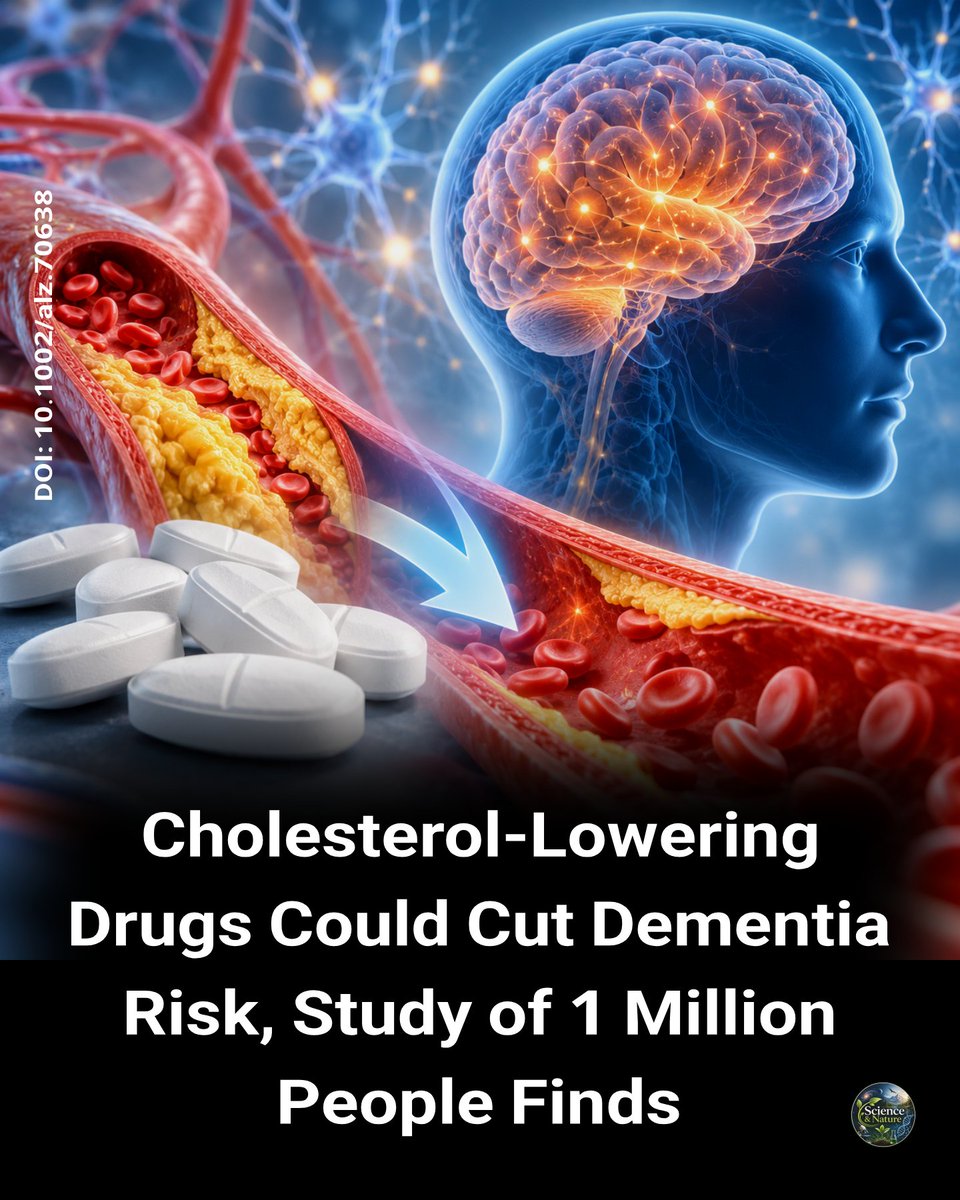
A massive new study involving over one million individuals has uncovered a powerful link between everyday heart health and long-term brain protection. Researchers have found that maintaining low cholesterol levels over a lifetime could significantly reduce the risk of developing dementia, offering a promising look at how preventative cardiovascular care doubles as cognitive armor.
Scientists analyzed genetic data to understand how natural variations that mimic the effects of common cholesterol-lowering medications, such as statins, impact the brain. Because these genetic traits naturally keep non-HDL cholesterol low throughout a person's entire life, they provide a clear and uninterrupted picture of long-term health. The findings reveal that keeping cholesterol in check prevents the gradual buildup of blockages in the blood vessels that supply oxygen and vital nutrients to the brain, directly supporting neurological resilience.
The magnitude of this protective effect is substantial and suggests that consistent cholesterol management starting in mid-life is a critical component of preserving memory and cognitive function. While short-term treatments in later years have sometimes shown mixed results, this expansive research highlights that early and sustained prevention is the true key to success. By taking proactive steps to manage cardiovascular health today, individuals are essentially building a strong, lifelong defense against cognitive decline in the decades to come.
Publication paper: Liv Tybjærg Nordestgaard et al, Cholesterol‐lowering drug targets reduce risk of dementia: Mendelian randomization and meta‐analyses of 1 million individuals, Alzheimer's & Dementia. DOI: 10.1002/alz.70638