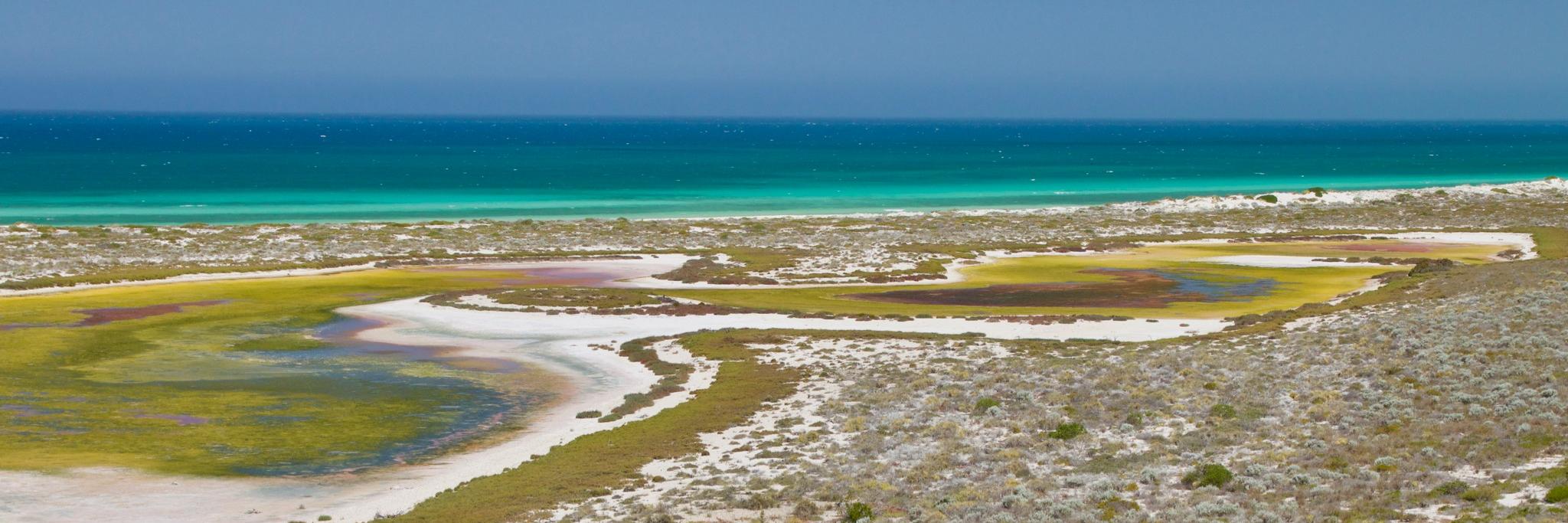
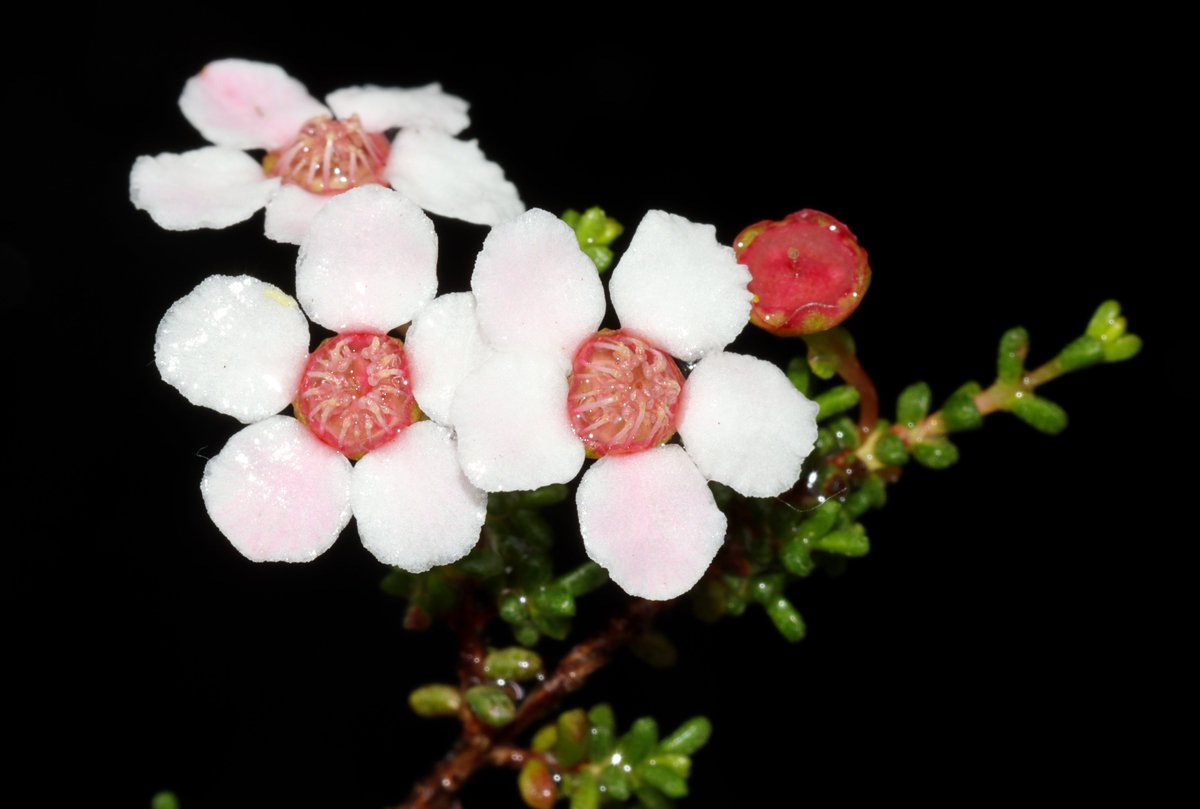
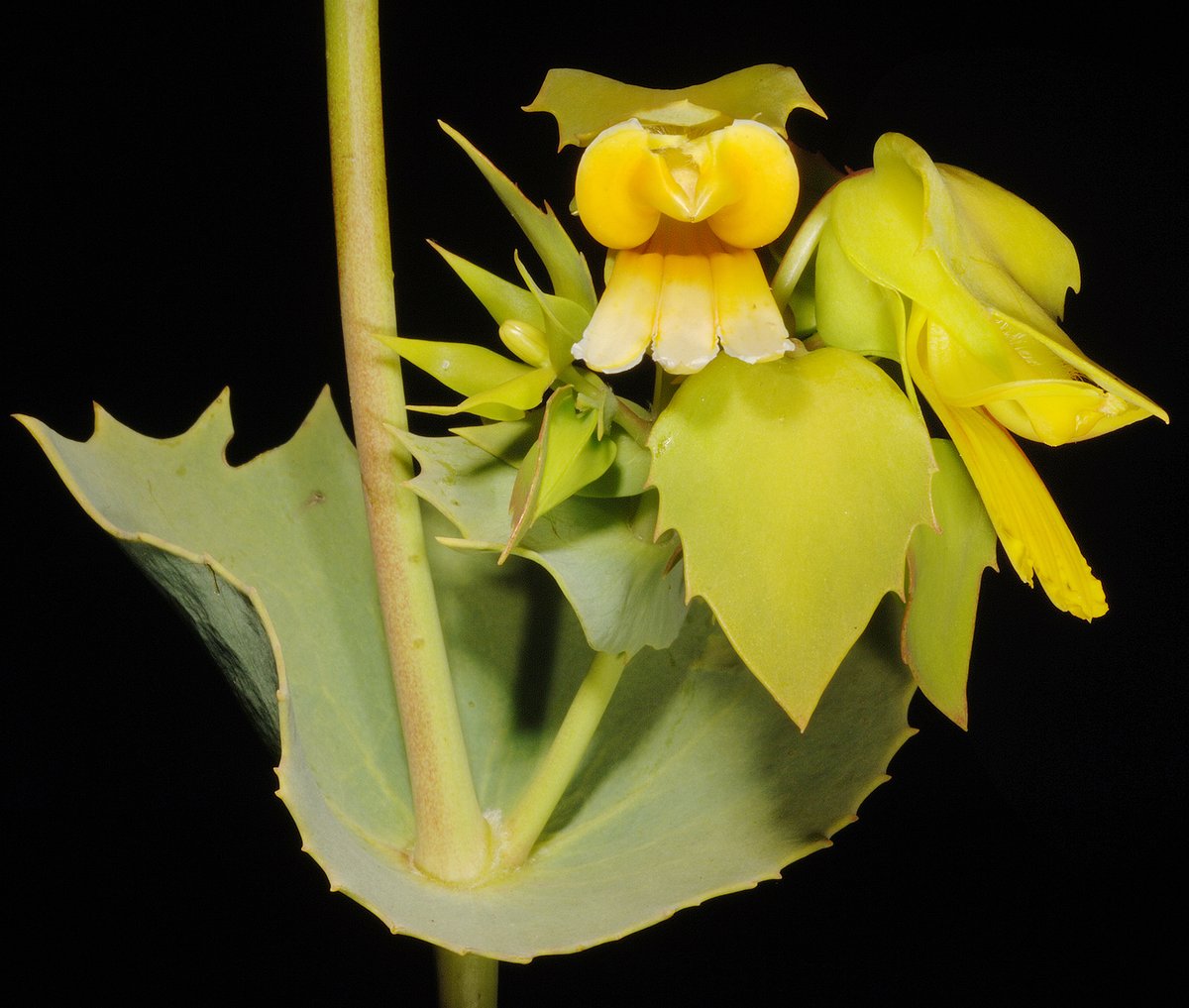
"The Genomics for Australian Plants (GAP) framework initiative – developing genomic resources for understanding the evolution and conservation of the Australian flora." @Science_DBCA Read it on @ResearchGate: https://t.co/UBhcfjgF6m
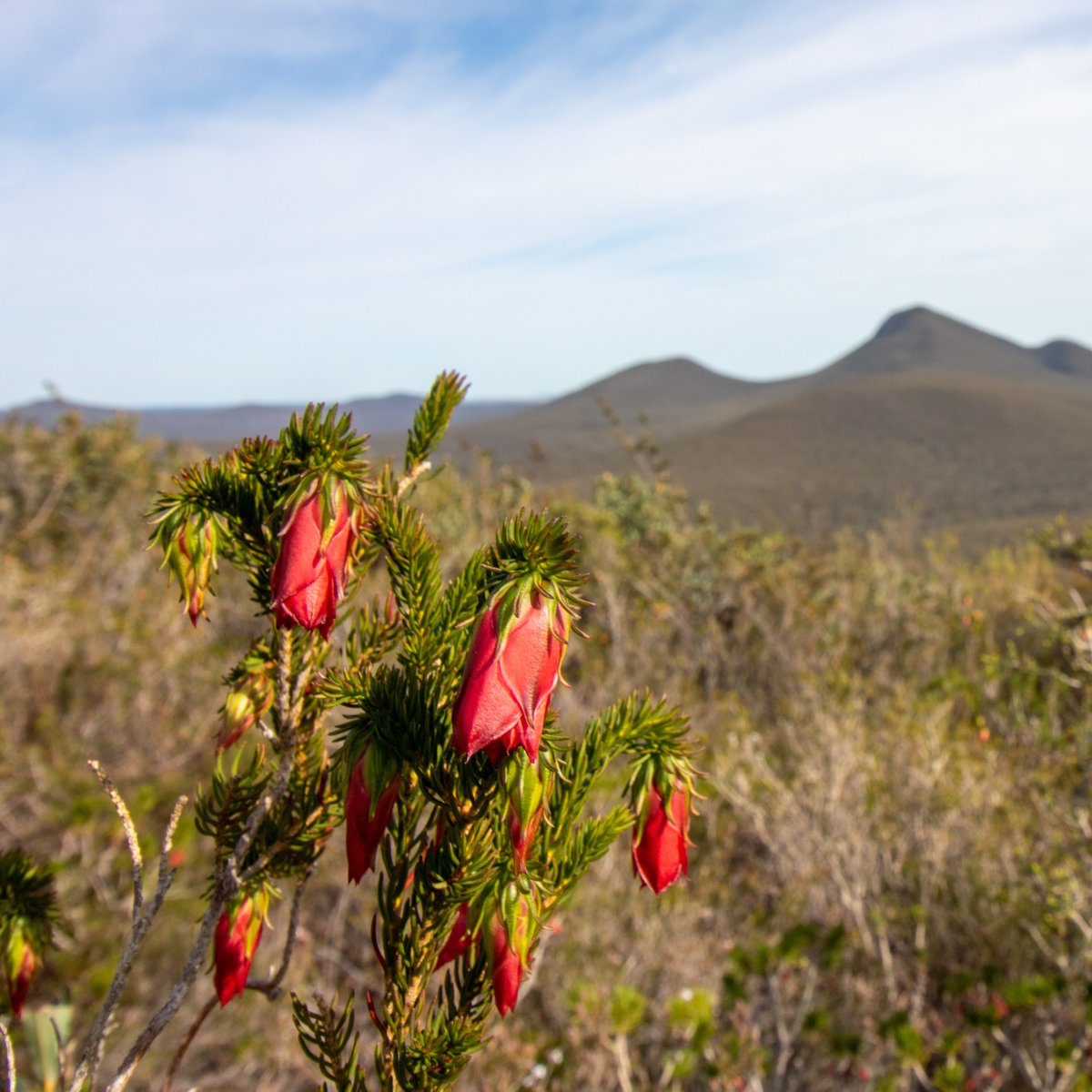
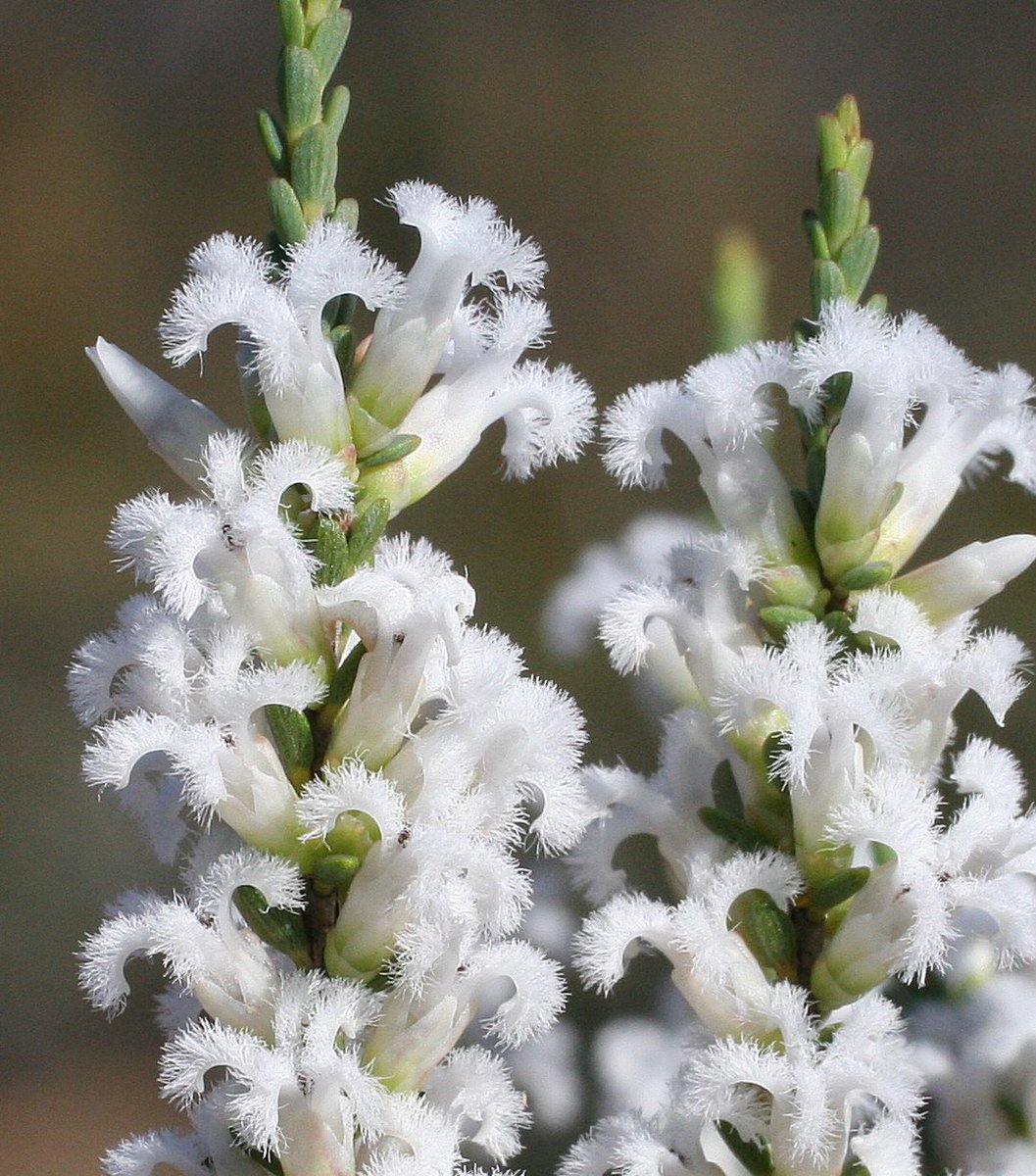
An un-bell-ievable beauty! 🔔✨ Gillam’s Bell (𝘋𝘢𝘳𝘸𝘪𝘯𝘪𝘢 𝘰𝘹𝘺𝘭𝘦𝘱𝘪𝘴) is threatened by dieback and illegal picking. #ProjectPhoenix secured seeds for conservation. @Science_DBCA will germinate them for future recovery. 🌱💚
#Conservation#WildflowerWednesday
📢 New research 📢
Northern quolls appear to take a 'midnight siesta' between two peaks in nocturnal activity that appears unlinked to seasons, moon phases or predator/prey activity.
Read the paper 👉 https://t.co/YDj0rNt5Bu
The 2023 Swan Canning Estuary Fish Community Indices report is out now! This annual monitoring report is a collaboration between DBCA and @MurdochUni to track ecological responses to local-scale environmental changes.
Find it 👉 https://t.co/Li0jFHHpY7
📸 Kurt Krispyn/Murdoch Uni
A great opportunity to join the team at the Western Australian Herbarium (Technical Officer: 2 years, full-time), working with senior botanists on a range of projects. Applications close March 7
https://t.co/P5tTn84O0A
Swan Canning River Protection Strategy provides a master plan to keep the Swan and Canning rivers healthy. We are inviting the community to have their say @Science_DBCA The survey will take about 12 mins & open til 17/01/24 Complete the survey here: https://t.co/tpDdmbDe4j
In a changing climate estuary hydrodynamics are in flux. Read hear how this impact floods supporting the Ashfield Flats salt marsh https://t.co/9Zg7dQLKg9
Read about the return of brush-tailed mulgara to Dirk Hartog Island NP in the latest edition of Wirrawunna News👉 https://t.co/iy3vvUsr2h
This is the 8th species to be translocated as part of the #Returnto1616 Ecological Restoration Project. 🙌
📸 Mark Cowan/DBCA
It's #WorldNumbatDay!
Did you know we have bred and released 294 #Numbats since 1993, as part of a collaborative breeding program with @Science_DBCA to save this native species from extinction?
The new species Goodenia crescentiloba K.A.Sheph. & Lepschi, which occurs in Western Australia and the Northern Territory, is among the taxonomic research published today in Nuytsia #WAHerbarium 📷K. Thiele
https://t.co/rsXPzJhHIe
@PaulineGrierso1 @WAbsi@atlaslivingaust @ThresholdEnv We run #Dandjoo, WA’s whole-of-state biodiversity data platform that hosts data from government, industry and research providers
Access Dandjoo: https://t.co/Rxyx9XicGE
Learn more about it: https://t.co/w1kquWgBbg
Forest on shallow soils are susceptible to drought. Using geophysics we show shallow can be 20 m deep in the northern Jarrah forest of Western Australia @Science_DBCA https://t.co/AtboLHuZmq
Did you know there are thought to be less than 500 Australian sea lion pups in WA? A survey of breeding colonies at Houtman Abrolhos Islands National Park was recently completed. Find out more https://t.co/OULQzPZdiP
‘Biosecurity: It’s up to you!’ is the theme for the Dieback Information Group conference on 30-31 August. The conference will delve into some of WA's most pressing biosecurity threats - check out https://t.co/HAYNXggRXI for more info.
📸: Mia Townsend/DWG
A new slime mould, 3 novel Styphelia species and 2 new fungi records for WA have just been published in Nuytsia along with information on Ferdinand Mueller’s 1877 expedition to WA
https://t.co/yjL4FRuJzN
📷Geoff Byrne: Styphelia planiconvexa
Come join our team! @Science_DBCA is currently recruiting a number of research scientists and technical officers, including a plant ecologist for climate adaptation research 🌱🤓 Apply today! https://t.co/XvlTKY95dW
New paper alert! 'The colonial legacy of herbaria' examines the disparity between where plant biodiversity is found and where it is housed in herbaria. The Western Australian Herbarium's Shelley James is among 31 global contributors.
Paper (paywall) ➡️ https://t.co/e0QwLVMUnL