Researchers from Carnegie Mellon estimated that micromobility options like e-bikes can replace as much as 18% of short car trips and meaningfully reduce traffic congestion. Tell City Hall you want less traffic and more sustainability at https://t.co/16eMxbfPfx
Congratulations Dr. @peichenMD for being selected as the Geriatrics Diversity, Equity and Inclusion (DEI) Champion starting July 1, 2024 for a two-year term. Learn more: https://t.co/foYWsil5cY
Rigorous epi work by Dr. Marvin Langston @StanfordEpiNews investigating cross-sectional and longitudinal associations of lower extremity muscle function with LUTS in older men in BLSA @FriendsofNIA. Fun @CAIRIBU1 collaboration!
Read a unique contribution to the literature that looks at the association of muscle health and performance with lower urinary tract symptoms in The Journals of Gerontology: Series A https://t.co/A3rMRHo5Bh
Awesome work by Alexis Adrian, PhD Candidate in @LabRicke@wiscobrien@UWMadison!! Exciting to see geroscience/aging biology pathways investigated in GU organs given the high burden of urologic symptoms in older adults! With help from @drteresaliu
Read how these authors begin the evaluation of the potential role played by one facet of biological aging - mitochondrial dysfunction - in benign prostatic hyperplasia and related fibrosis. https://t.co/dT7uQn59aw
#WCW2024
Learn about the effects of hypoxanthine on bladder structure and function in rats, and how it assumes the effect is mediated in large part through oxidative stress. https://t.co/SV6qqah6ig #WCW2024
Our new study reveals a clear failure of clinical trials to represent the TRUE population of GU cancer pts. By not adequately including older adults, the efficacy and toxicity of many treatments appears falsely reassuring 👎🏻 read here ➡️ https://t.co/B79UTHCA4J
Today — in partnership with @LondonBreed , westside Supervisors @JoelEngardio and Myrna Melgar, and Supervisors @DeanPreston , @RafaelMandelman and @mattdorsey, we’re thrilled to announce that a permanent oceanfront park will be on the ballot this November!
Urinary incontinence is a serious health concern that is increasing in prevalence across Europe. Up to 45% of Europeans experience incontinence, but it is a taboo subject that few are willing to speak about. This #WorldContinenceWeek help us spread awareness about incontinence!
Urinary symptoms are common and bothersome in US women, yet often left untreated — this underscores the opportunity for treatment and prevention interventions to reduce the burden of urinary symptoms @arianasmith23 @PlusConsortium https://t.co/roiYAJr1wy
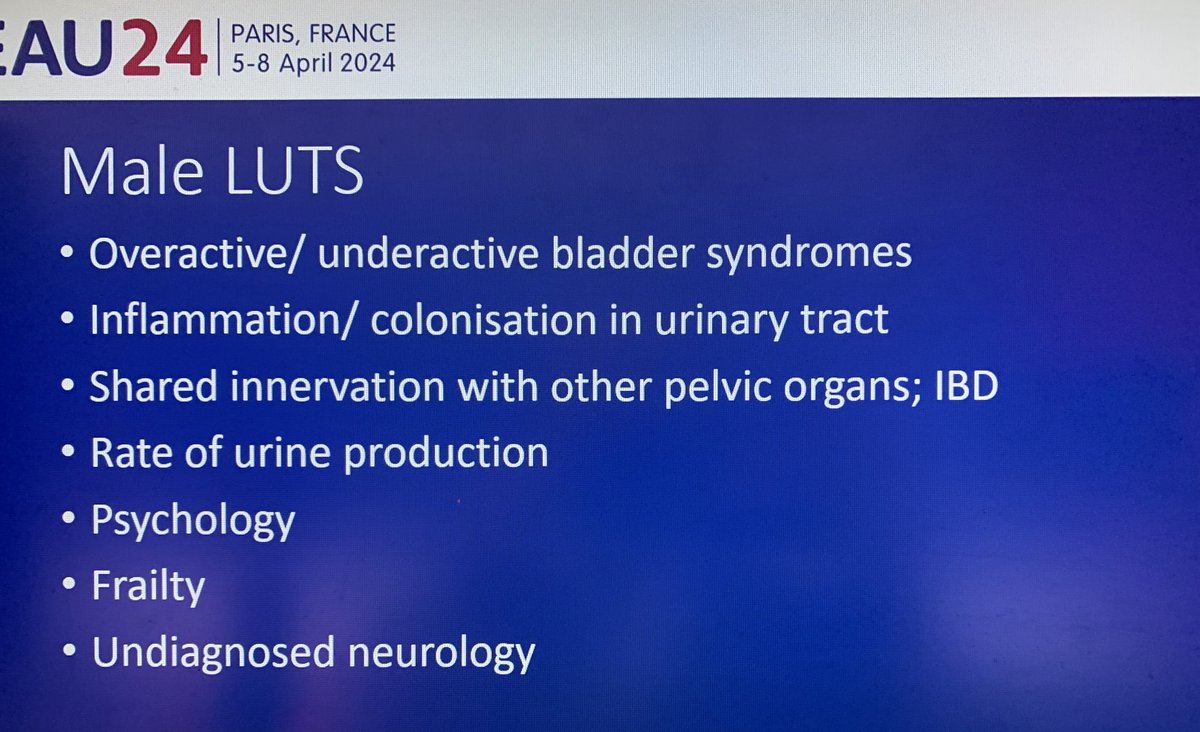
In the final edition of EAUTV at #EAU24 our experts discuss Male LUTS. Moderator Prof. Jean-Nicolas Cornu, Prof. Marcus Drake and Prof. Thomas Herrmann cover the distinctions between prostate symptoms and LUTS, storing and voiding issues, and more.
https://t.co/bpgkfJHeB0
I changed my handle to @ScottBauerMD a couple years ago but appreciate the shoutout @geronsociety! Lots of interesting work across the #geriuro translational spectrum in this special issue guest edited by @george_kuchel
It's World Continence Week. Read an update on research that addresses the pathophysiology of voiding disorders of aging and urinary continence in the June issue of The Journals of Gerontology, Series A. https://t.co/ZhL2ozUZQy #WCW2024@george_kuchel @scottryanbauer
Thanks to Professor @MarcusDrakeUrol for pointing out what is essential : Male LUTS are more than prostate ! More than ever! thanks to enlarged views and growing knowledge @Uroweb @cgratzke
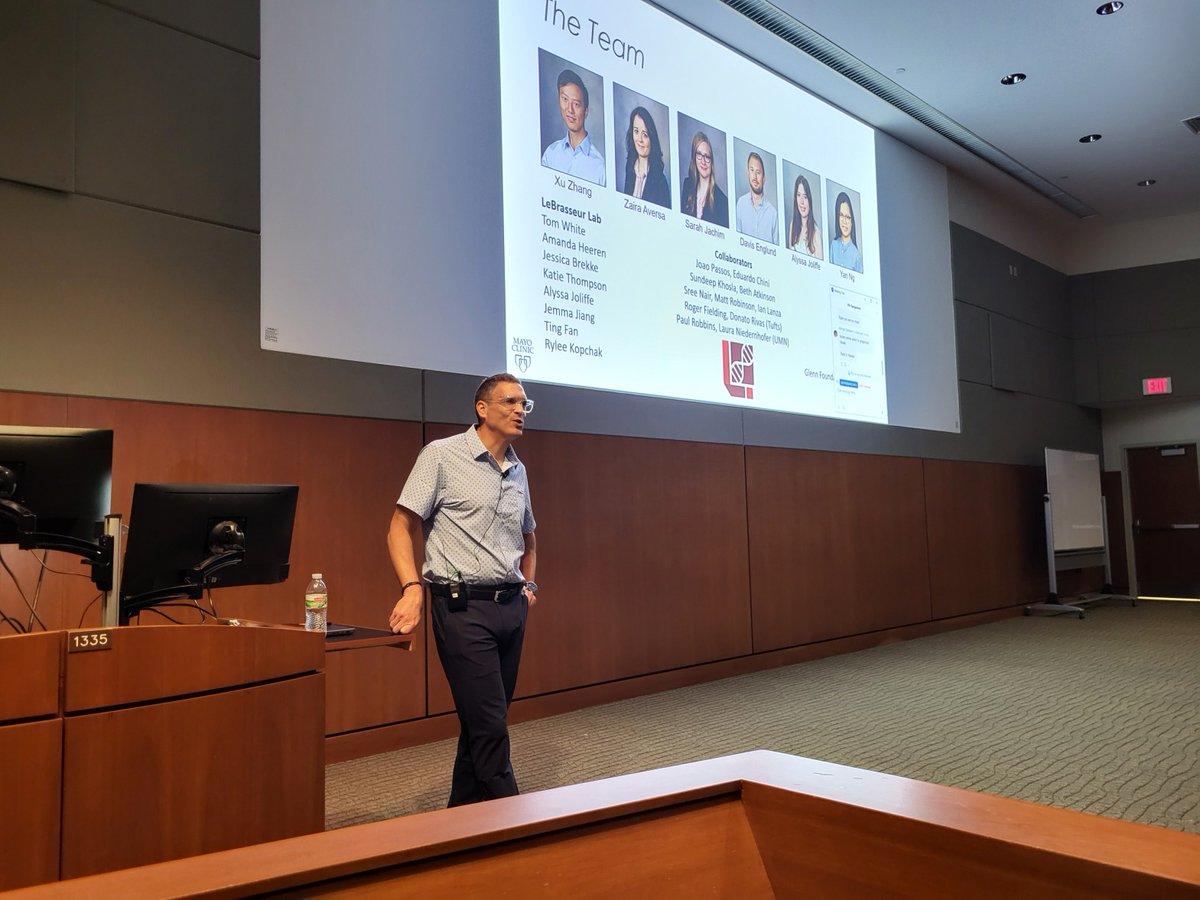
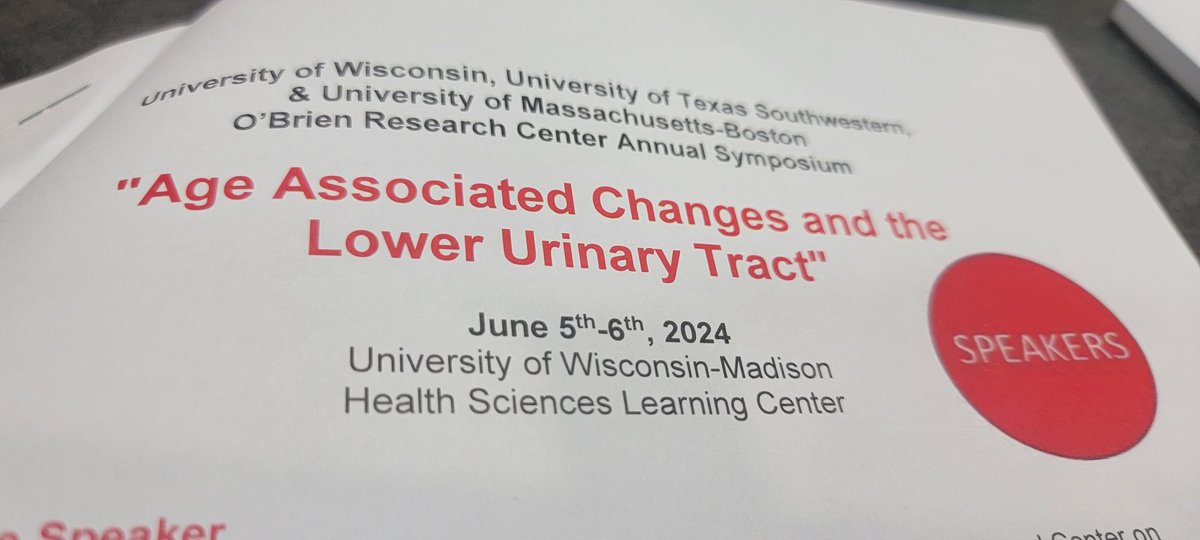
Thank you @NKLeBRASSEUR for your engaging and insightful talk entitled “Targeting Senescent Cells for Healthy Aging” that was presented at our annual symposium last week.
New publication from @NASEM_Health! A January workshop reviewed gaps in #WomensHealth research and related NIH processes, programs, and structures. Read the proceedings now: https://t.co/9kzXePS5lU #WomensHealthResearch
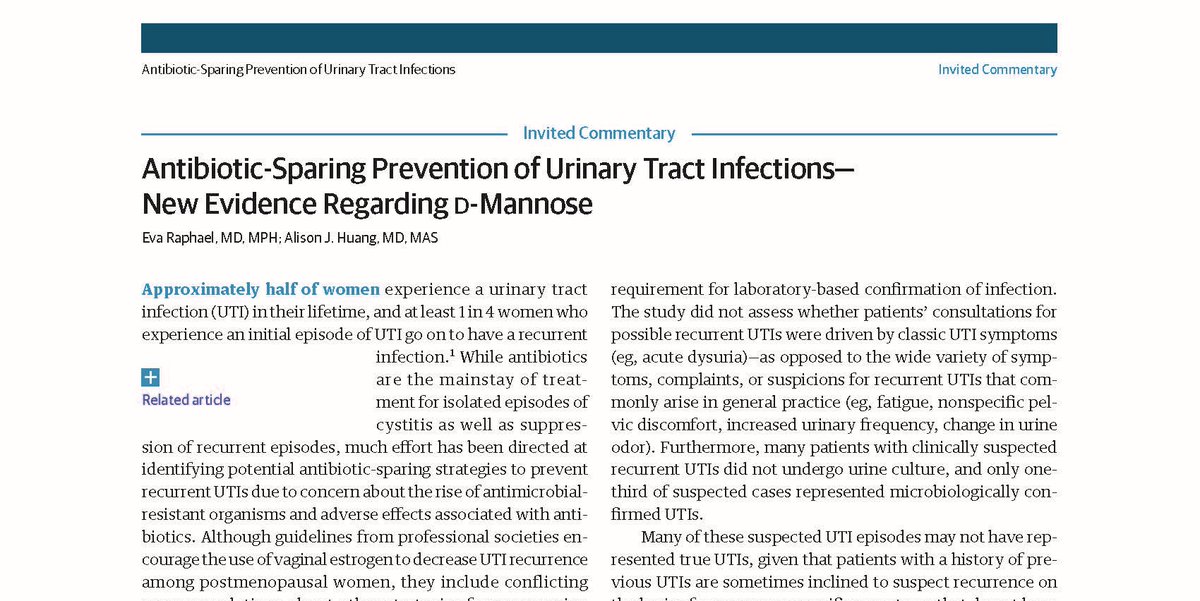
Recurrent UTI is one of the most challenging outpatient urinary problems in older women, with many complexities in everyday diagnosis and management, frequent overlap with other genitourinary syndromes, and many gaps in knowledge--which cries out for more high-quality research.
As we note in @JAMAInternalMed, these RCT findings raise an intriguing question: even if D-mannose were highly efficacious, how much impact could it have on antibiotic overuse for UTI so long as other aspects of diagnosis and treatment are so problematic? https://t.co/ce8glkz3p7