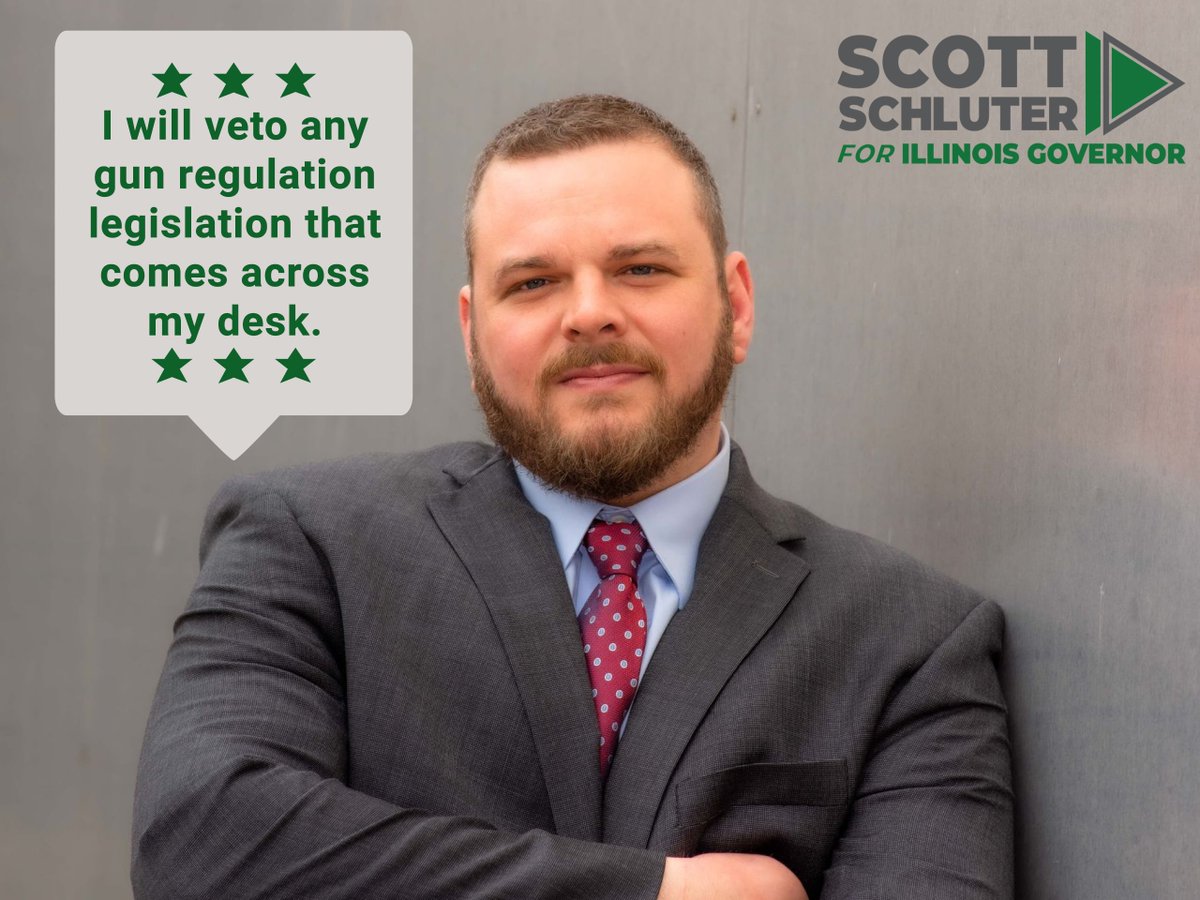
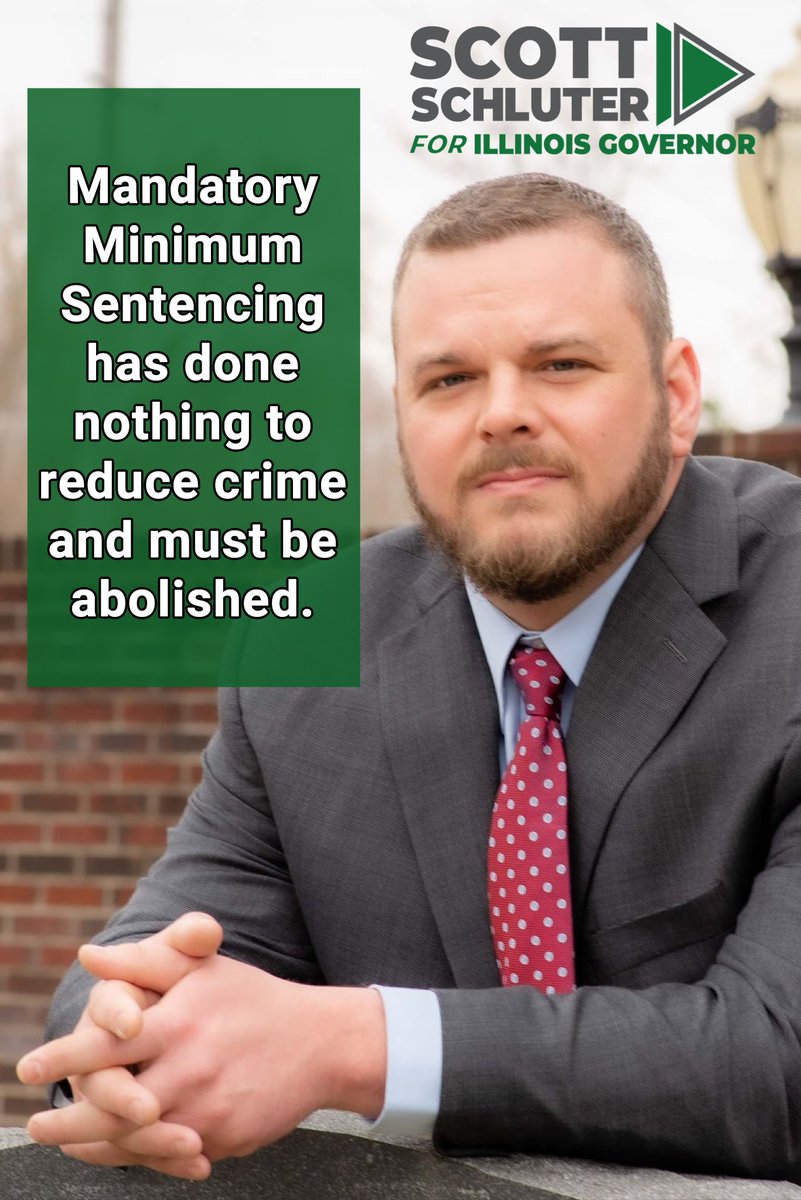
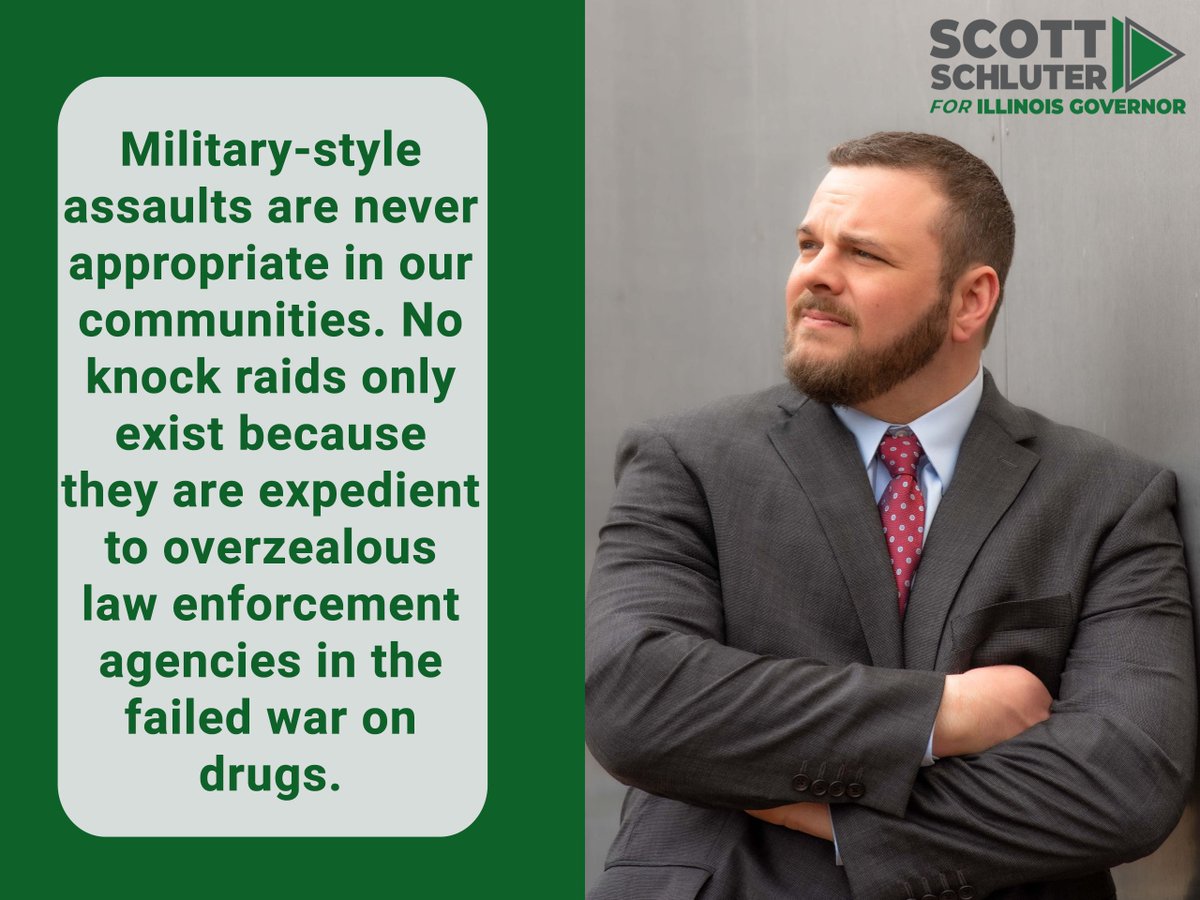
Our elected officials have forgotten who they work for and what their job is. Their duty is to preserve our individual liberties and to only legislate with that goal in mind. Instead, we have been sold out for money and power. #Scott4IL#Libertarian#Governor#Illinois#LP
There’s no legal basis whatsoever for the claim that President Trump had the authority to strike Iran this past weekend. There are just various excuses being concocted and parroted by those who would stand with the president regardless of his actions and others who would strike Iran regardless of the law.
The Framers of the Constitution gave Congress the exclusive power to declare war. It’s no secret what they meant by this phrase because we have the notes of the debates in the federal convention of 1787.
A prior draft of the Constitution gave Congress the sole power to “make” war. The Framers further deliberated on the matter and agreed that the word “make” was too limiting on the president—that it might imply he doesn’t even have the independent “power to repel sudden attacks.”
They replaced “make” with “declare” to ensure that the commander in chief could unilaterally defend against sudden attacks while still prohibiting him from otherwise making war. They stated that by using the word “declare” only Congress would have the power to “commence” military hostilities.
The War Powers Resolution of 1973 reflects this understanding. The 48-hour notification and 60-day (up to 90-day) timeline pertain to situations in which the president has acted without Congress to repel sudden attacks—true, time-sensitive emergencies that don’t allow for pre-response congressional consideration.
In no sense does the War Powers Resolution confer any new authority on the president to take offensive military action (i.e., to commence acts of war) without congressional approval—nor could it under our Constitution.
James Madison wrote about the dangers of ignoring the constitutional division of war powers and, as he explains here, of accepting bad precedents and creating new ones:
“Nor will it be denied, that precedents may be found, where the line of separation between these powers has not been sufficiently regarded; where an improper latitude of discretion, particularly, has been given, or allowed, to the executive departments. But what does this prove? That the line ought to be considered as imaginary; that constitutional organizations of power ought to lose their effect? No—It proves with how much deliberation precedents ought to be established, and with how much caution arguments from them should be admitted. It may furnish another criterion, also, between the real and ostensible friend of constitutional liberty. The first will be as vigilant in resisting, as the last will be in promoting, the growth of inconsiderate or insidious precedents, into established encroachments.”
Mr. Madison was correct. A real friend of constitutional liberty does not strive to diminish and undermine the text and genuine meaning of the Constitution.
I swore an oath to support and defend the Constitution of the United States against all enemies, foreign and domestic. Those enemies include members of Congress who purposely or carelessly mislead Americans about the proper workings of our constitutional system.
Under the Constitution, the president has the power to repel sudden attacks on the U.S. but otherwise can’t make war unless Congress votes to approve a military campaign.
Within an approved campaign, he commands the operations.
Those operations may be covert.
It’s that simple.
One of the most frequently misrepresented federal statutes—often falsely used to justify unconstitutional presidential war powers—is the War Powers Resolution (or Act) (50 U.S.C. §§ 1541-1550).
If only more people would read it.
Contrary to what you may have heard about the War Powers Resolution, it does not allow the president to take military action for any reason for 60-90 days without congressional approval so long as the president notifies Congress within 48 hours.
Section 1541(c) of the War Powers Resolution states clearly:
"The constitutional powers of the President as Commander-in-Chief to introduce United States Armed Forces into hostilities, or into situations where imminent involvement in hostilities is clearly indicated by the circumstances, are exercised only pursuant to (1) a declaration of war, (2) specific statutory authorization, or (3) a national emergency created by attack upon the United States, its territories or possessions, or its armed forces."
Of the three cited authorities, not one indicates a presidential power to take unilateral (without Congress's approval) offensive military action.
The first two authorities allow the president to take offensive military action but only with Congress's express approval (Article I of the Constitution grants Congress the exclusive power to declare war). The third authority allows the president to take defensive military action without Congress's approval in the event of a specific type of national emergency, a sudden unforeseen attack on the United States (happening too quickly for Congress to meet) necessitating immediate action to protect Americans.
It's for this last situation (or for situations in which the president introduces forces into hostilities unlawfully) that the War Powers Resolution provides for the oft-mentioned 48-hour report to Congress (§ 1543) and 60-day (up to 90-day) timeline (§ 1544). If there's an attack in progress on the United States (i.e., currently happening), we expect the president to respond swiftly to neutralize the attack and protect Americans—and then we will hold the president to account.
The Framers of the Constitution agreed at the debates in the federal convention of 1787 that the president should have the "power to repel sudden attacks" but not the power to otherwise introduce forces into hostilities without congressional approval.
The War Powers Resolution does not confer any new authority on the president to take offensive military action without congressional approval—nor could it under our Constitution. It instead checks the president when, as the Framers contemplated, the president introduces our Armed Forces into hostilities to repel a sudden attack.
I'm a #Libertarian at heart. Generally the best candidate on any ballot is the Libertarian. But if you vote for the best candidate you may help elect the worst candidate instead. The system is rigged. Therefore, the best a Libertarian can do is hold his nose and vote #Republican.
Cast your Vote - in what is a 100% certainty
There is no 3rd outcome today.
JB will be IL Gov -- OR -- @DarrenBaileyIL will be IL Gov
There is no other outcome. This is a stone cold fact.
#VoteRed -- and then focus time/energy/money into developing the Libertarian Party
Have to counterpoint Scott. The LP stands for very important, Constitutional values - I acknowledge that.
Today it's purely leverage. Today is a day of Only 2 possible outcomes. JB or @DarrenBaileyIL
JB Pritzker is a danger to the future of IL.
Libertarians - vote Bailey