One of the hardest calls as CEO is saying no to a candidate who has the money and the excitement to sign. Growth pressure is real, but a weak fit risks their investment and drags down every owner in the system. Quality over quantity is how franchises last.
“We win together” isn’t just on our walls. It’s how we run the business. Real collaboration happens when people share what works, help each other succeed, and get recognized for it. That’s how a system grows stronger, not from slogans or short-term wins.
Ten years ago, homeowners handled chores themselves. Today they open an app. They pay for convenience, reliability, and simplicity. For franchise owners, the demand is real. The winners in home services won’t outspend competitors, they’ll out-execute them, one visit at a time.
One of the hardest things in franchising is knowing when to step in and when to step back. Too much support creates dependency. Too little leaves owners stranded. The standard is simple to say and hard to do. Stay close enough to help. Disciplined enough not to take over.
One thing I underestimated about building a portfolio is how much the brands sharpen each other. What works in one gets tested across others fast. That only happens when leaders share openly. Our owners tap into collective experience. That’s hard to replicate.
Before Conserva Irrigation was a franchise, it was a strong local business with real demand and proven unit economics. That is what I look for. Founders who know the work and customers already saying yes. Then we build the system to scale it without breaking what works.
Customers have changed. Most franchise systems haven’t. They expect fast booking, clear timing, and follow up that feels human. Miss that and you’re out. Brittany Hodak said it best. Loyalty starts with experience, not ad spend.
Confirmation day beats signing day every time. It is the moment someone looks you in the eye and says they are all in. By then they have done the work, asked the hard questions, and chosen to trust the system and the people behind it. That is what real commitment looks like.
The next opportunity in home services is already here. Younger homeowners want fast, reliable service they can trust and they care about efficiency. The brands that spot real problems early and execute well will win.
Marketing is one of the hardest parts of running a franchise. The landscape shifts and most owners do not have time to chase it. Strong systems win because they give operators the edge without reinventing the wheel.
I sat with an owner six months in. Smart, capable, stuck. He said going from a team of 30 to making every decision alone hit harder than expected. We connected him with two peers who had lived it. Ninety days later, everything changed. The network is the advantage.
When I was a franchisee, what wore me down fastest wasn't a bad month. It was waiting. Four days for a simple answer. A deal going cold in someone's queue. That stuff stacks up. I've lived the stall. I don't want our owners to.
If I were starting Empower Brands today, I would prioritize leadership depth, operator-first systems, and decisions grounded in the field. Chasing growth without that foundation creates gaps later. Real scale comes from building something solid enough to hold when markets shift.
Validation calls tell part of the story, not the whole one. Top owners make any playbook look flawless, but real insight comes from average operators. Ask about turnover, ramp time, and how support lifts performance. Fewer great fits beat more surprises every time.
Connection, momentum, and growth all depend on execution. Chris McChesney shared how focus, lead measures, clear scoreboards, and weekly accountability turn ideas into results. We’re already applying it at Empower. What’s your wildly important goal this quarter?
Post-acquisition integrations rarely fail from bad strategy—they fail from speed. Franchisees are running live ops, not starting fresh. Slow 90 days, stabilize, land one quick win, then layer change. Trust first, systems second. That’s how scale sticks.
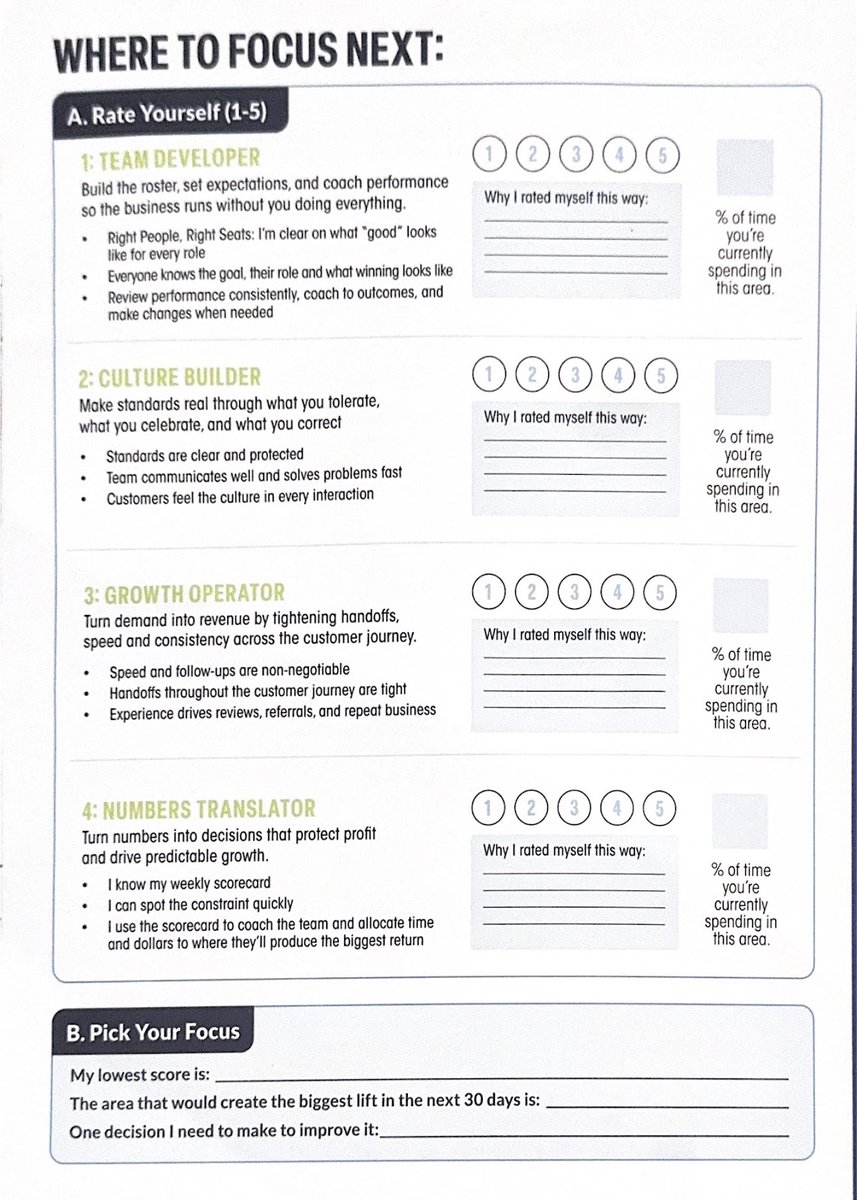
As business owners, we track everything except our own time. At Ignite, I asked franchisees to rate how they spend their week across culture, strategy, operations, and execution. Try it yourself, audit your time, and make one shift toward the work that truly moves the business.
The same independence that drives someone to buy a franchise can make them push back on the system. Real ownership takes discipline. Run your territory your way, but within the lines that keep the brand strong. That’s how independence actually scales.
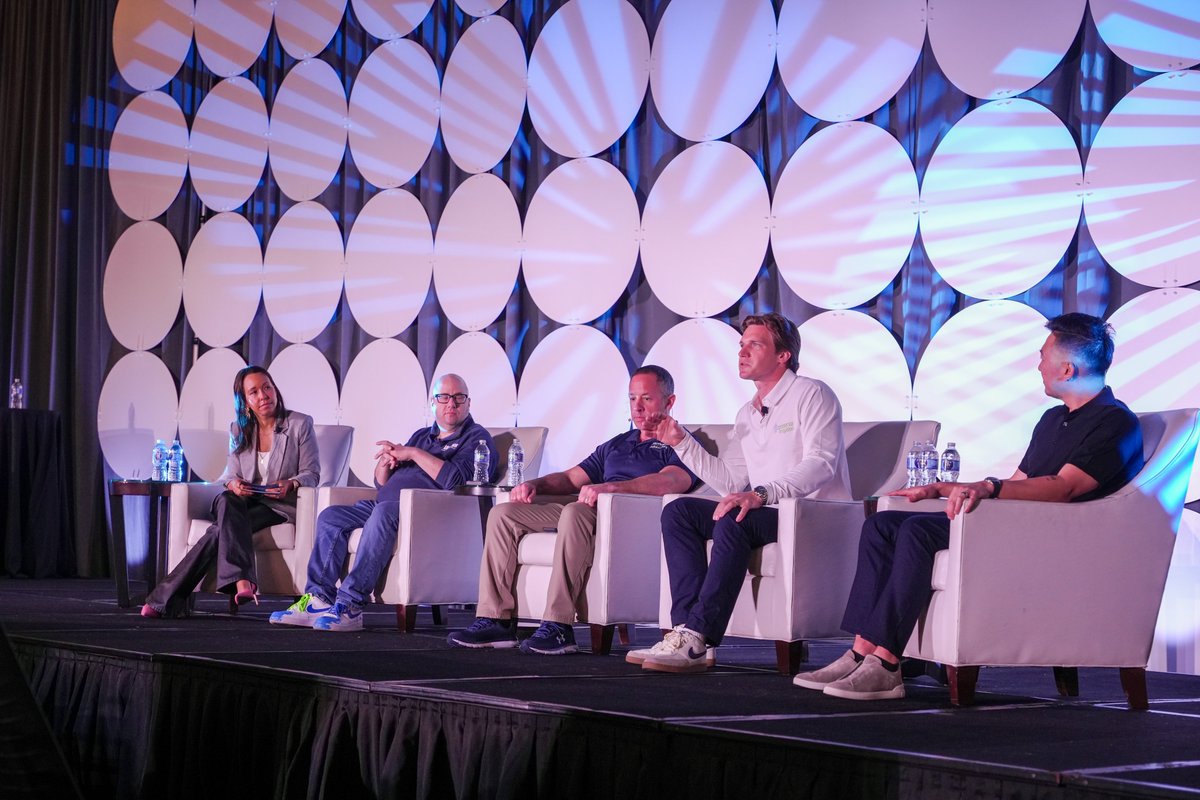
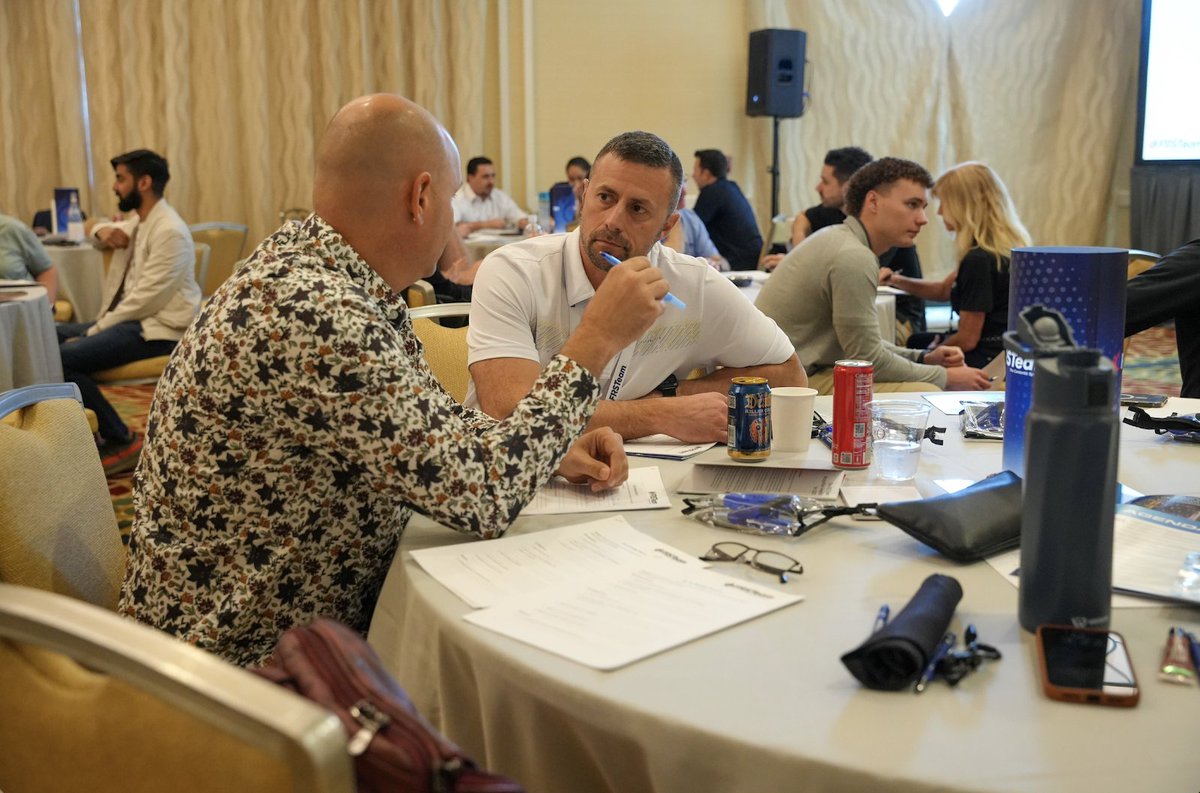
We did something special at IGNITE this year. Alongside our franchise owners and teams in Orlando, we hosted new candidates for E‑Day, giving them a front row seat to the culture, support, and community that make this system work. Grateful to everyone who made it happen.
A best practice in one market can be a dead end in another. What wins in dense suburbs can stall in rural areas, and what clicks for one owner’s style can miss entirely for another. Frameworks beat templates. Adapt, refine, and build what fits your market to truly scale.