Trauma survivors can struggle to acknowledge a good day-- because in our experience, letting ourselves feel happy or satisfied is just BEGGING the universe to swoop in and kick us in the face.
This makes making progress in trauma recovery...complicated.
When you decide to go back and read your tweets from the past couple of years and realize how often you've just come on Twitter to #anonymously#vent about #depression, #loneliness, and #heartache...
Responses from reaching out: "Try to get some rest." "Just feel your feelings. You know it's a process."
Yeah...none of that was helpful at all. Thanks. #depressed#alone#onmyown#heartbroken#lonely
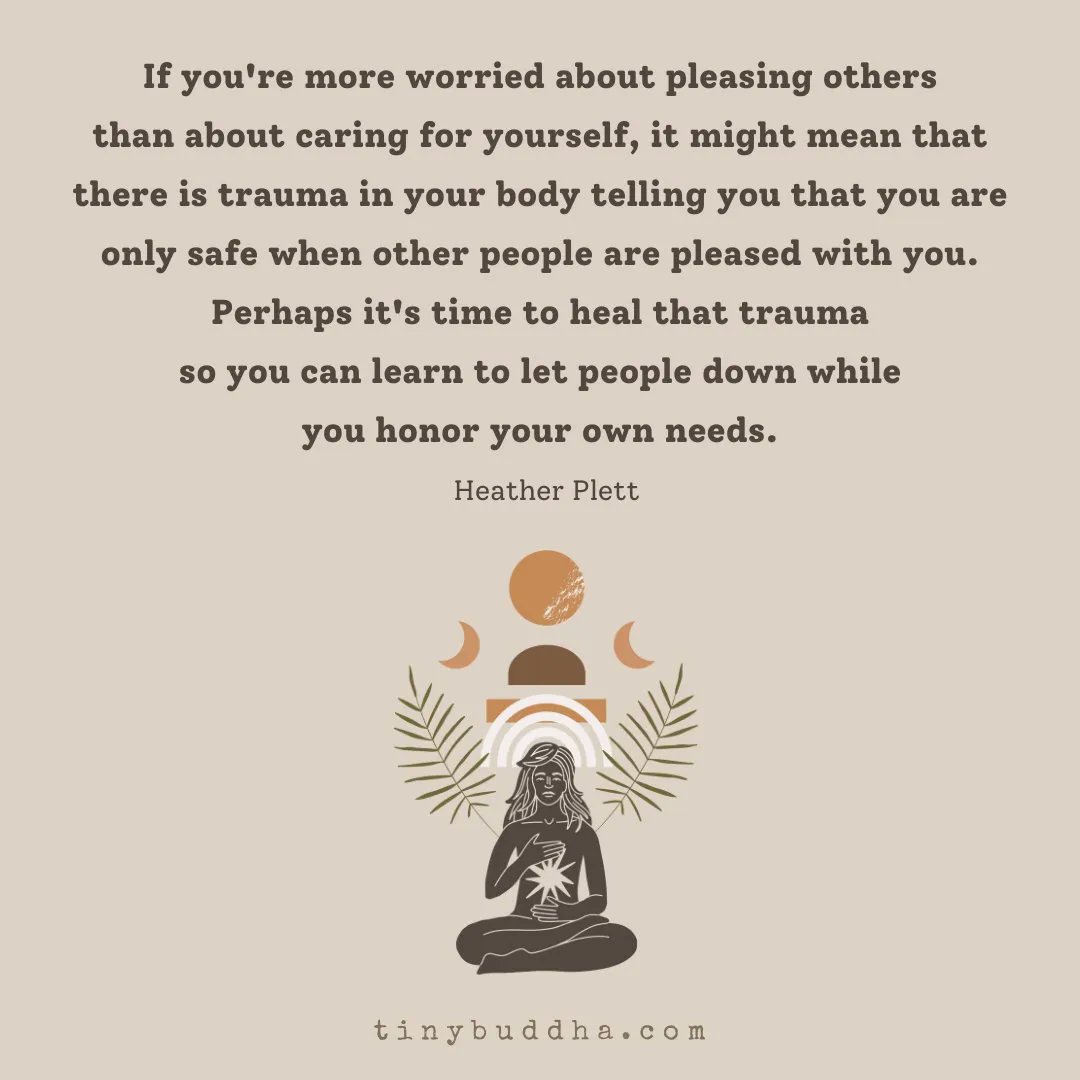
"If you're more worried about pleasing others than about caring for yourself, it might mean that there is trauma in your body telling you that you are only safe when other people are pleased with you...."
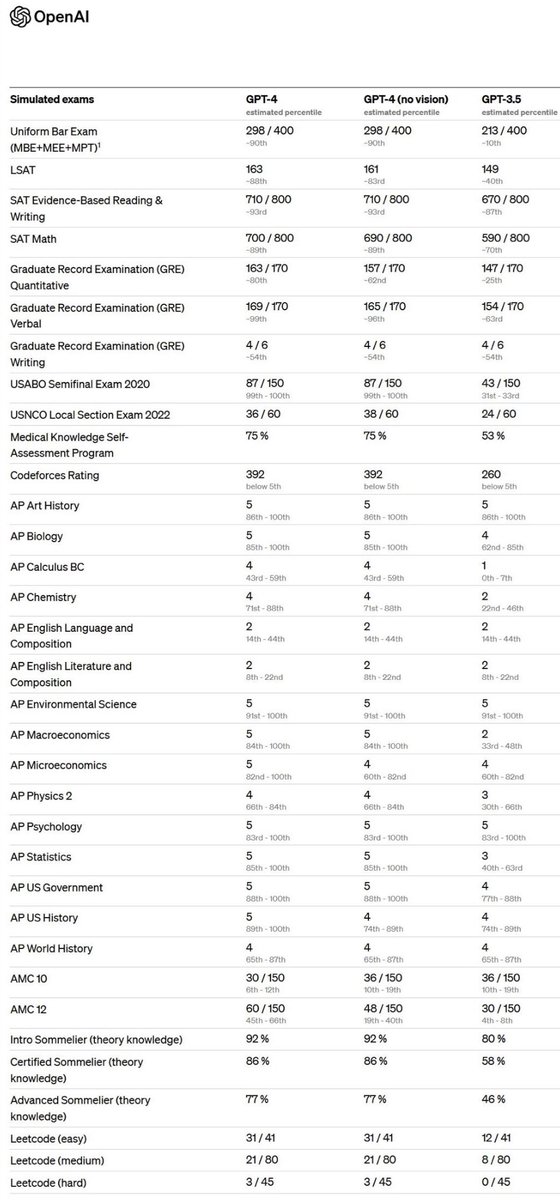
GPT-4 already passes most standardized tests — including the LSAT, SAT, most AP exams, and the Bar exam.
When AI is poised to automatically do all the thing s we expect from students, it is time reevaluate what we teach, how we teach, and how we assess student learning.
Did you know? When Bill Clinton banned assault weapons in 1994, mass shootings dropped by 43%. After George W. Bush and the GOP let the assault weapons ban expire in 2004, mass shootings increased by 245%. — These numbers tell a story.
Yes, complex trauma survivors do "take things personally"-- because we've often been told, over & over again, that EVERYTHING is their fault & EVERYONE is their responsibly.
We were CONDITIONED to "take things personally"-- specifically so we could be controlled by guilt.
Maybe you don't have a "short attention span."
Maybe intrusive trauma symptoms have made it viscerally uncomfortable to stay w/ certain thoughts for long-- so much so that we preemptively jump from thought to thought or behavior to behavior, trying to stay ahead of the feels.