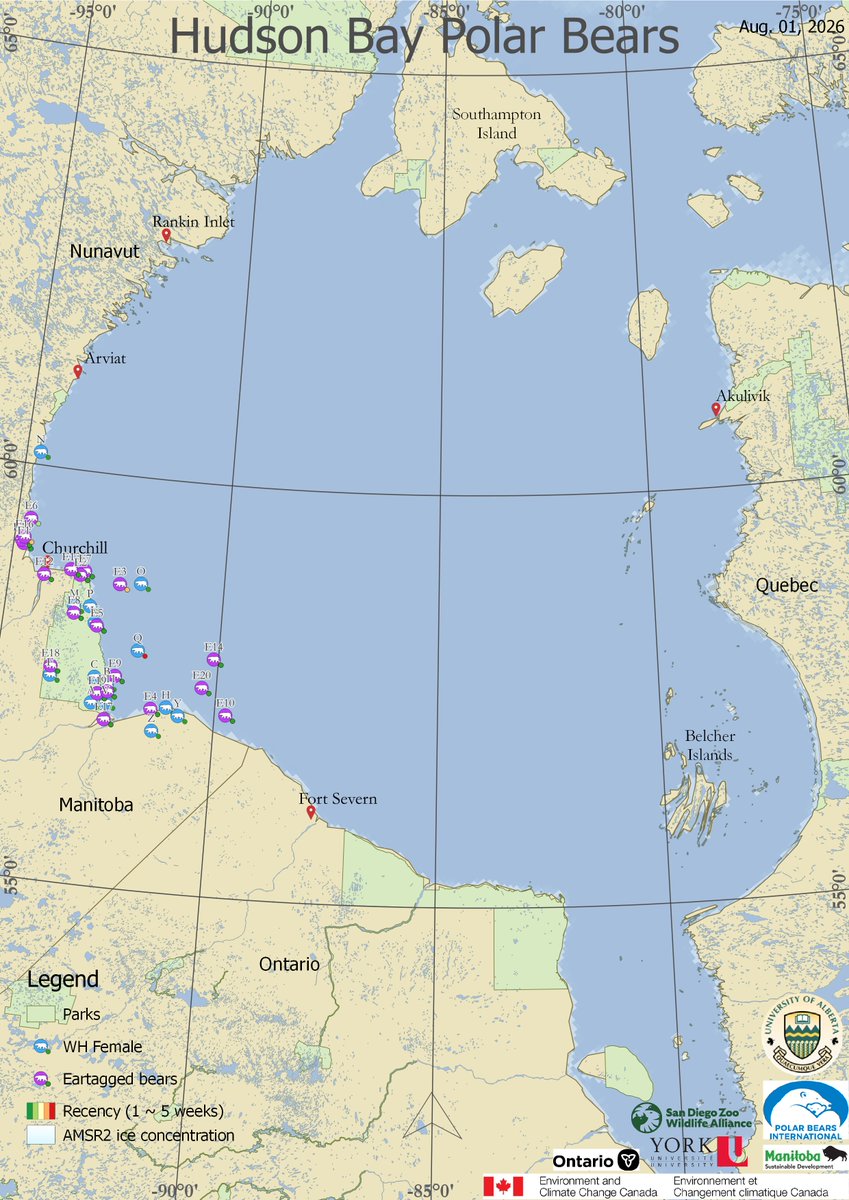
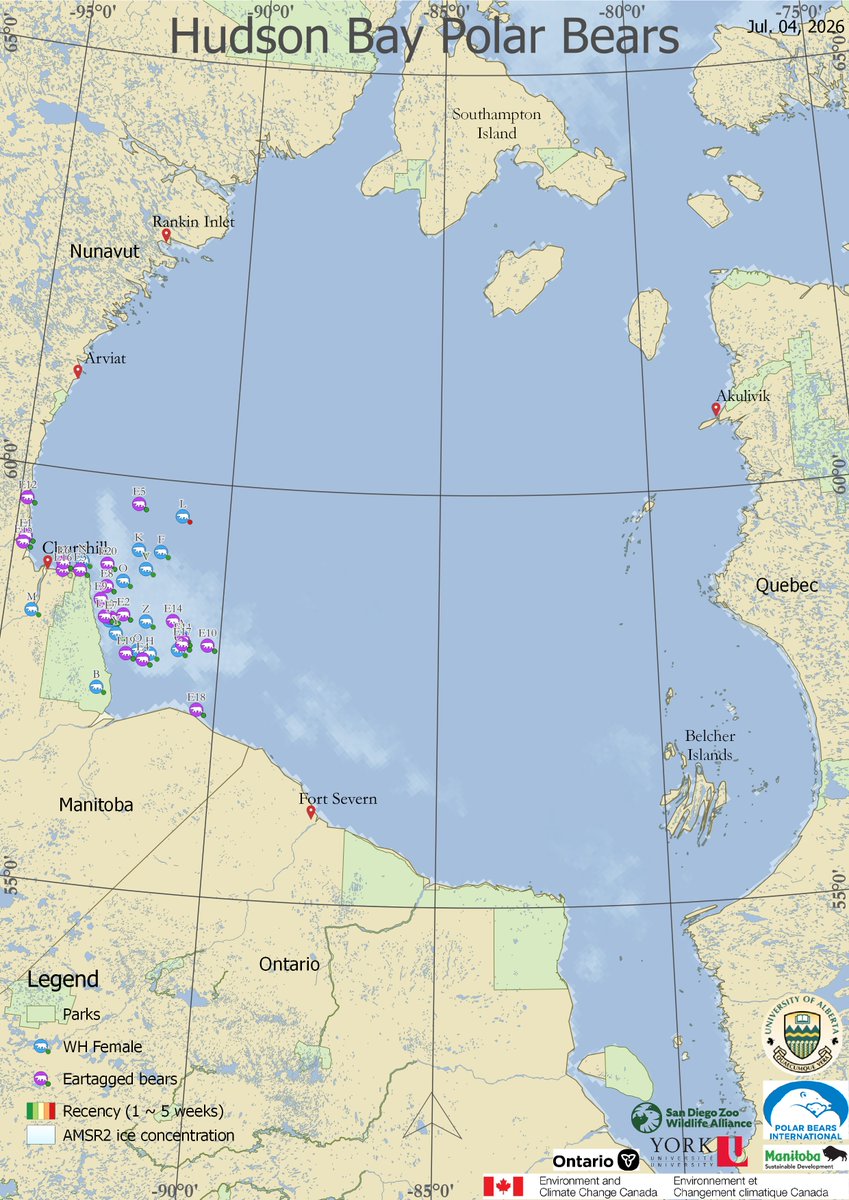
Almost all western Hudson Bay polar bears are ashore now but it's unusual to see some still out on the last bits of sea ice. It's getting clearer that some bears have changed their behaviour to stay offshore longer. Necessity or choice?
The glacial glass squid 🦑🦑(Galiteuthis glacialis) is a rare, transparent cephalopod native to the Southern Ocean. Growing up to 50 cm, it lives in the mesopelagic zone (twilight zone) and is famous for its see-through body and bioluminescent organs.
#sundayspecies#antarctica@UNOceanDecade@SchmidtOcean
The last sea ice in Hudson Bay is rapidly melting. Polar bears are starting to show up on land now. We won't know the condition of the bears until monitoring occurs in August-September. I hope they fattened up after my work in April-May because they were pretty lean.
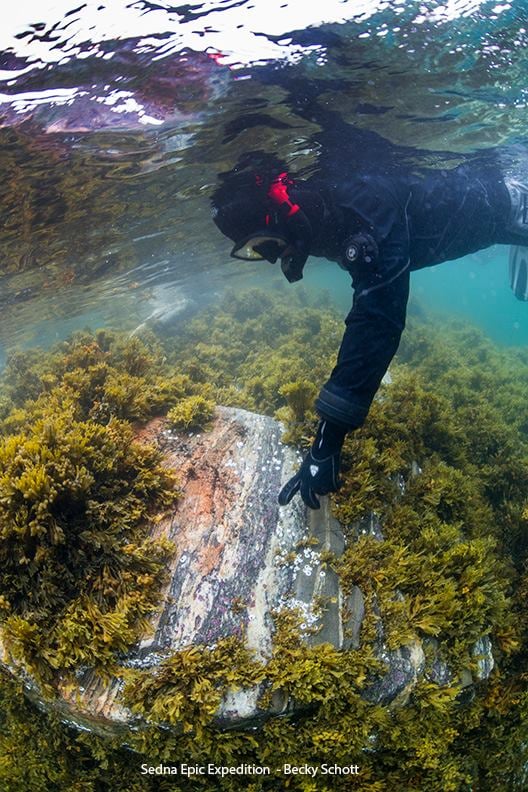
Ever heard of #snorkelgeology? Water plus geology equals my happy place... During an ocean science and dive & snorkel expedition to SW Greenland with @seawomenexpeds, I discovered this beautiful "gneiss" rock chock-a-block full of snowball garnets.
#oceans #geologist @UN@UNOceanDecade
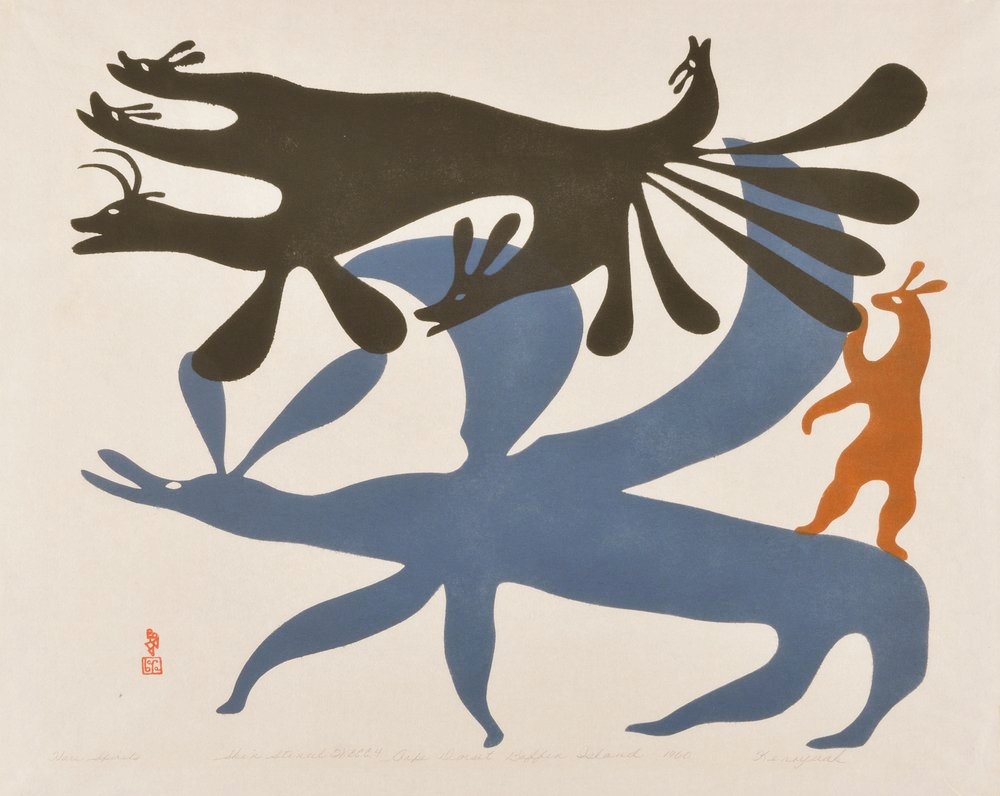
We’re celebrating National Indigenous Peoples Day across Canada! From the Arctic to Antarctica, #SeaWomen creates opportunities for Indigenous women and gender-diverse people to participate in polar ocean research and dive and snorkel expeditions.
#Inuit#Metis#FirstNations
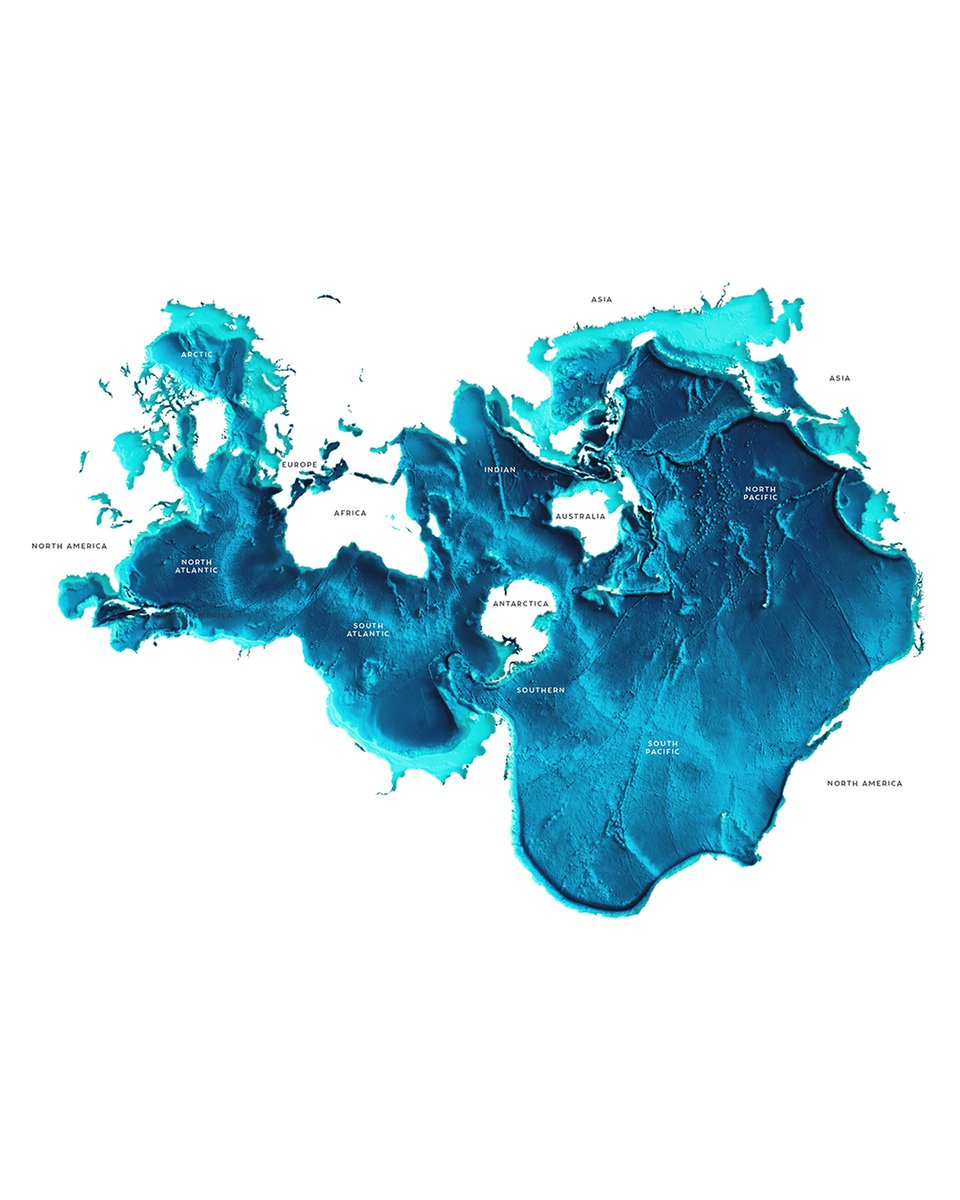
Most of our planet is ocean, and most of that is still a mystery! 🌊
Dr. Sylvia Earle shows us how GIS and Esri software are helping scientists uncover powerful patterns hidden deep below the surface.
#WorldOceanDay
Following weeks of single digit temperatures, ice roads are closing across the Northwest Territories. North of 60, ice roads form seasonal transportation corridors to isolated Indigenous communities, mining operations, and infrastructure projects.
@spectacularNWT@CanGeo
The longest bridge in northern Canada, this 1.045-kilometre bridge spans the Deh Cho (which is Dene for “big water”) near Fort Providence. It's also the only bridge that crosses the Deh Cho.
I never tire of crossing Canada’s longest river, the mighty Mackenzie, which drains 20 percent of Canada's landmass and flows through the Northwest Territories to the #Arctic Ocean. Spring is in the air: Although still frozen, the Mackenzie River has developed a couple of open water channels.
#spectacularnwt #dehcho #northof60 @spectacularNWT@CanGeo@polareducators
Scientists spotted this Greenland shark in waters off Canada, offering a rare glimpse into their world!
The oldest Greenland shark studied is estimated to have lived nearly 400 years, making the species the longest-lived vertebrate. Learn more: https://t.co/3bQiebVk7M
Wow. Foraminifera! ROV pilots carefully zoomed in to collect footage of these single-celled microorganisms, or protists, at 843 m during #OBVI#LivingBioreactors expedition w/@schmidtsciences. Read the full caption: https://t.co/2B2oD9oz4T
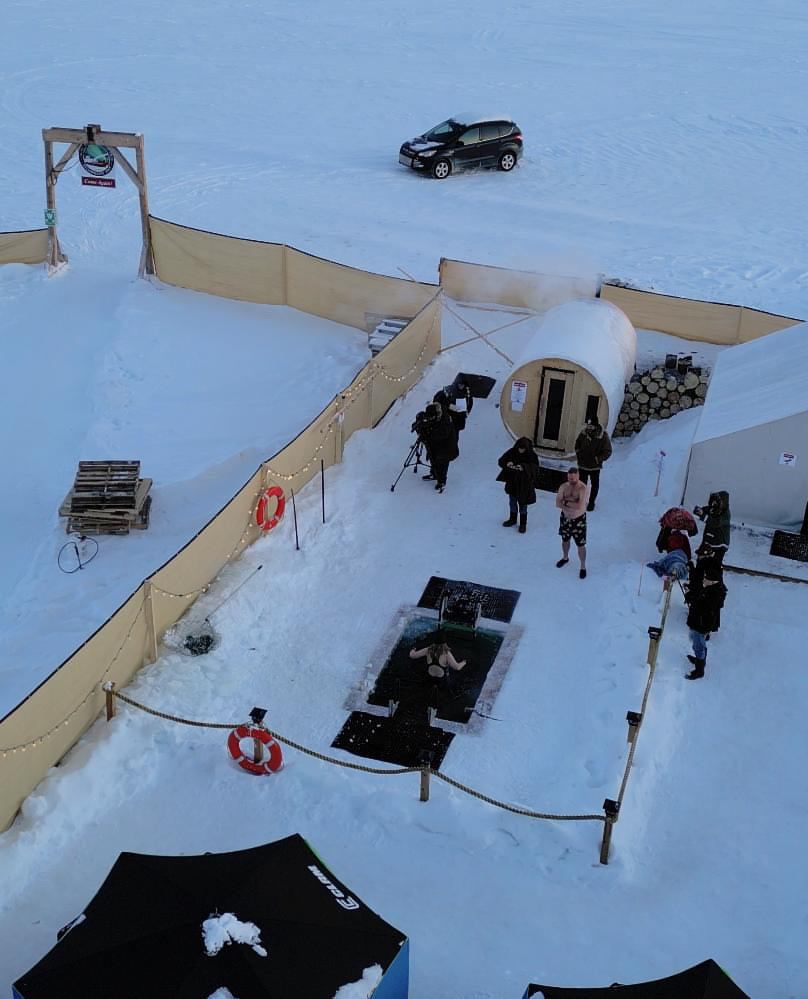
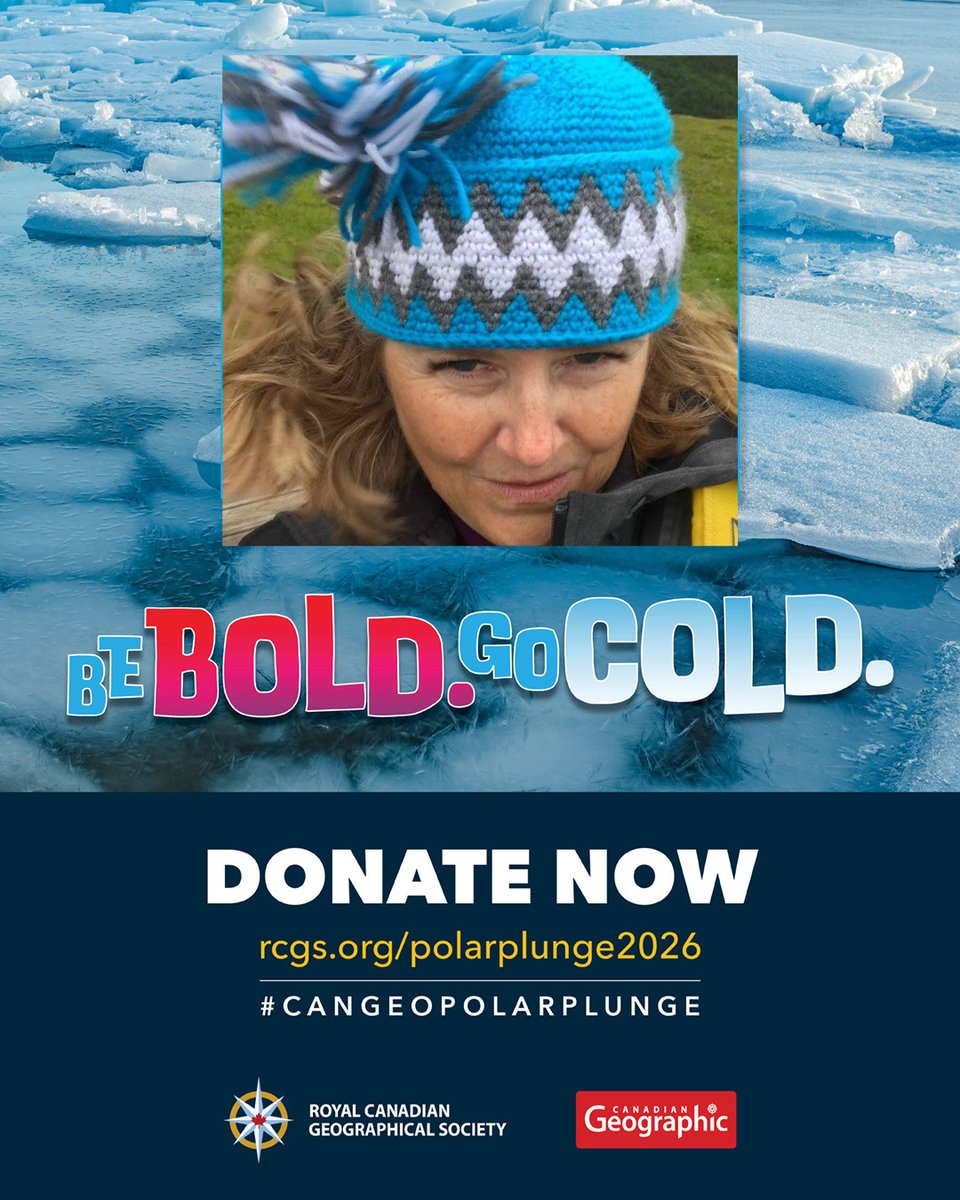
Proud supporters of the #PolarPlunge@CanGeo, we're fundraising for the education and expedition programs at #CanadianGeographic and the @RCGS_SGRC. Consider supporting this 2026 #BeBoldGoCold team led by Sea Women's founder and polar explorer @SusanREaton_Geo. On March 8th, cheer them on as they brave the elements and plunge into Great Slave Lake, Northwest Territories.
https://t.co/jZfHKOesjh
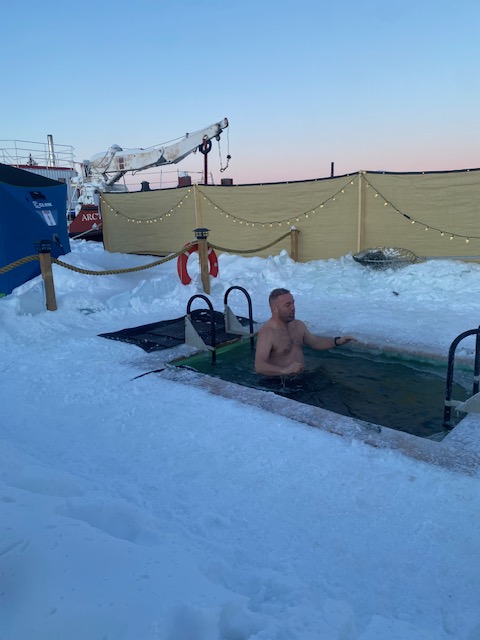
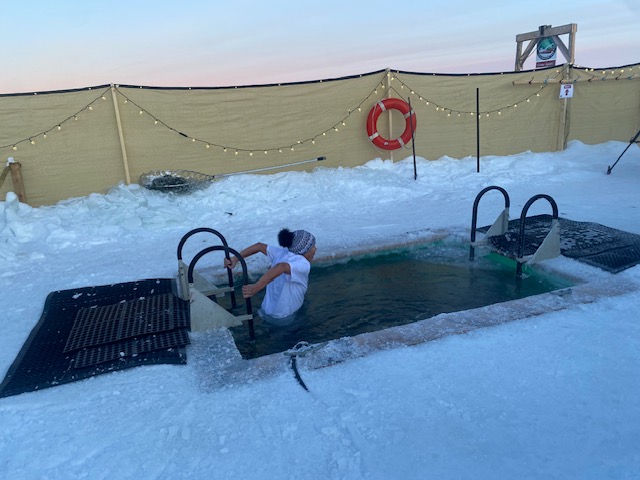
Reflections on my 2024 @CanGeo#PolarPlunge in Great Slave Lake, Northwest Territories (air temp was -37 degrees C). Consider donating to my March 8th, 2026 Arctic Polar Plunge to support #CanadianGeographic's education and expedition programming.
@RCGS_SGRC@spectacularNWT #BeBoldGoCold #Northof60 #Exploration #Geography
https://t.co/DxK9TF4brk
Join me as I embrace the cold and take the 2026 @CanGeo Polar Plunge into #GreatSlaveLake, joining intrepid Canadians from the Atlantic to Pacific and Arctic oceans. Please donate to my fundraiser to support education & expedition programs @RCGS_SGRC. #BeBoldGoCold #CanGeoPolarPlunge #Geography
https://t.co/DxK9TF4brk