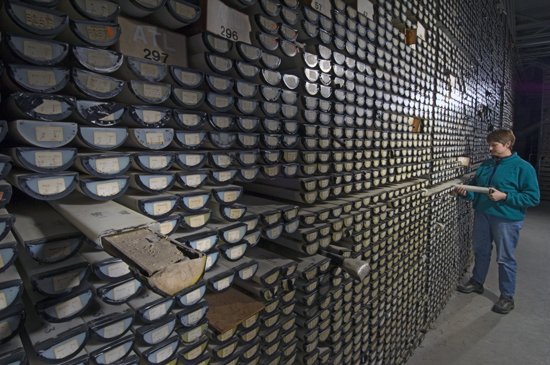
SFSL's collection is global and the 100’s of tons of archived material at @WHOI have allowed scientists to undertake research on topics as varied as plate tectonics, climate change, mass extinctions, and the processes that lead to the evolution of chemosynthetic communities.
I know I promised dad jokes while live-tweeting #SinkingCitiesPBS, but my brain was less like a hurricane tonight and more like a slowicane. Stay safe and good night everyone!
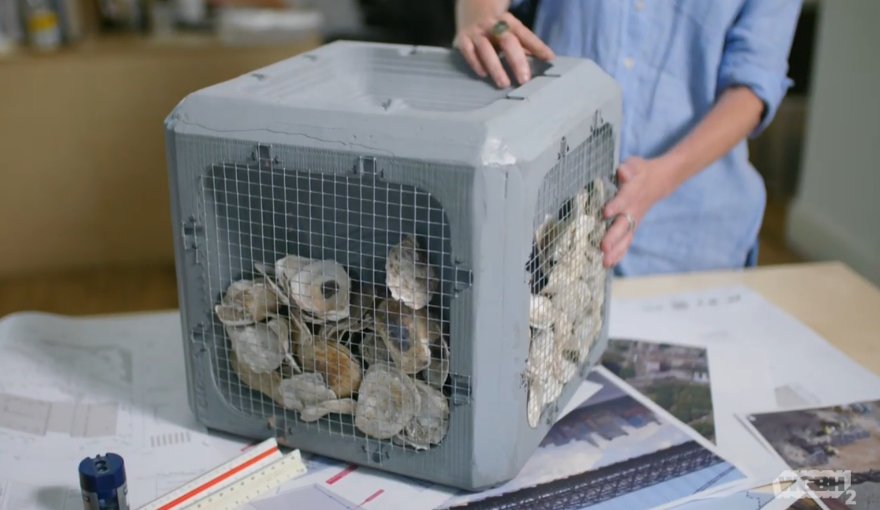
‘If we're really going to adapt to #climatechange, it's about behavior change, it's about us all thinking about living with water differently. And being willing to change and adapt over time.”
- Pippa from @scape_studio#SinkingCitiesPBS
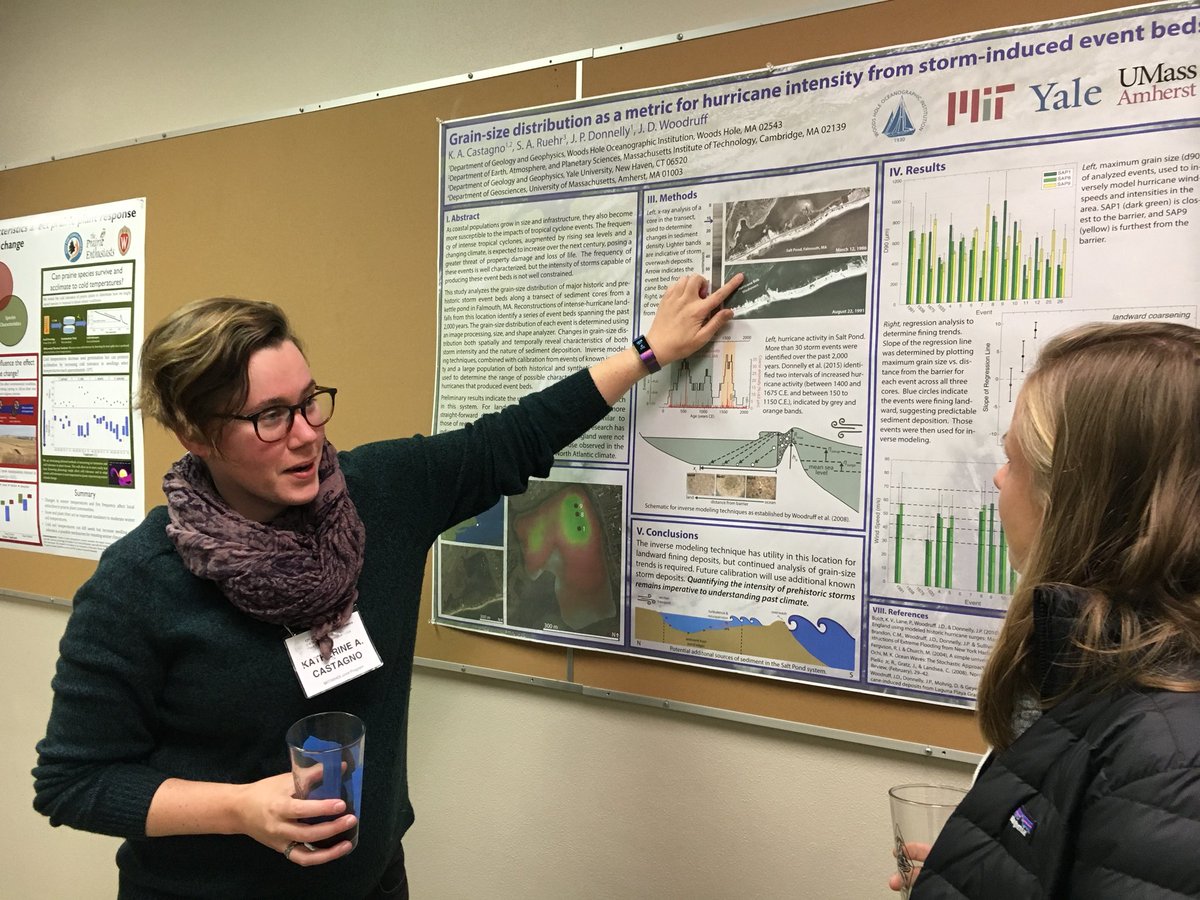
@ElsiethePM @WHOI We have sediment that is older than just 1721! Just from New England, we've used coastal sediment cores to reconstruct hurricane landfall frequency over at least the past 2000 years. Some of our deep sea cores provide useful data on the state of the ocean even further back!
#SinkingCitiesPBS efficiently condensed many conversations surrounding hurricane risk and mitigation. Breadth of the material covered was surprising. Props to @PerilandPromise team. Glad we had the chance to contribute. @NSF_GEO #NSFfunded
It sounds like developers in NYC are preparing for the next Harvey as well as Sandy. Large parks with porous surfaces help mitigate flooding from high precipitation (rate and absolute amount) during slow-moving hurricanes.
Big infrastructure projects, like the Big U massive seawall are attractive for their ambition and brute effectiveness. But there are tradeoffs with e.g. waterfront access. These are conversations we need to be having! Thanks, #SinkingCitiesPBS, @PerilandPromise!