Seahawk Aerospace Systems is a space program built around a Spaceflight Simulator save, focused on developing launch systems and orbital hardware.
Payload requests are open — if you have a satellite, station module, or concept, send it in.
MECO and stage separation confirmed. The second stage engines will have to perform a 5 minute burn to fully enter the desired orbit. After that, it will perform a perigee raise maneuver in order to set its orbital period correctly.
Payload processing and integration activities for the Terracom Low 1 for TSC (@TimWrede2) mission have been successfully completed.
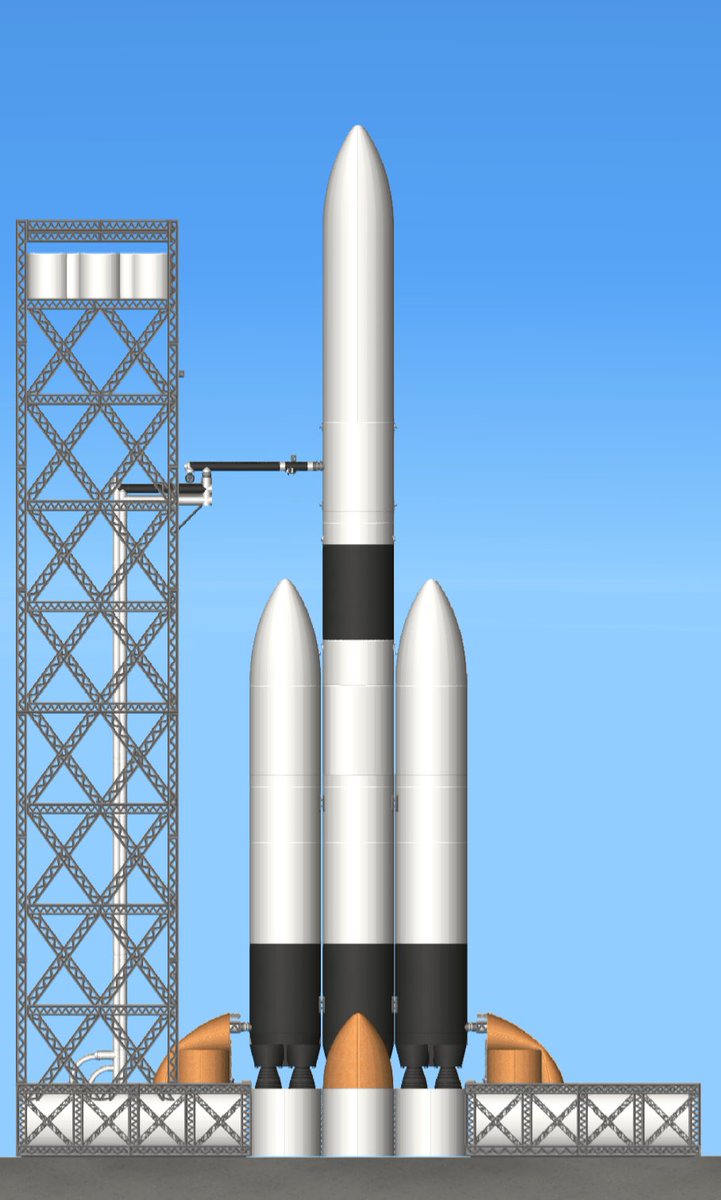
The Apogee Block II launch vehicle has rolled out to the launch pad, where final launch campaign operations are now underway ahead of liftoff.
We are honored to have been awarded the largest contract in our company's history.
We recognize that The Science Company's confidence in Seahawk Aerospace Systems may not be at its highest following previous mission outcomes, and we fully understand those concerns.
We from the „The Science Company“ is looking forward to getting their new satellite constellation launched, as the first one, by @SeahawkAeroSys as eventhough they where incapable of following a simple order of operations list they did replace any damage they did.
These missions have provided critical data and insight that strengthened our procedures and mission assurance process.
Mission anomalies are unacceptable to us. For this campaign, all integration, verification, and launch readiness procedures will undergo multiple reviews.
The sixth and final piece of debris has been deorbited. DeOrb-3 has proven itself to be one of the most successful missions ever launched by us! In the last two photos, you can see a simulation of LEO before the DeOrb missions and after that simulation of the low earth orbit.
@Alex_Dinu11 Look, man... Shit happens. Maybe if you would get up from that smelly ass chair in which you stood for the past 6 hours and overlooked your god damned company, our quality would exponentially increase.
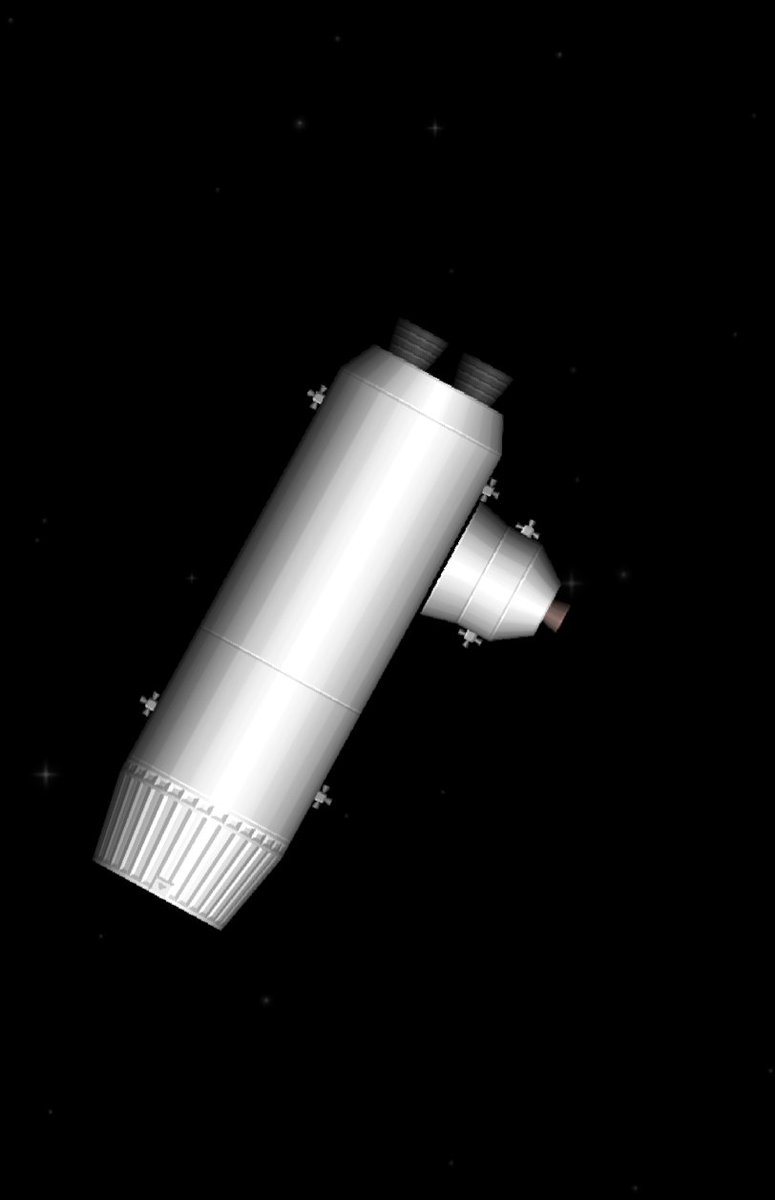
DeOrb-3 attached to its second target and deorbiting it. This was one of its primary targets, as in 3 weeks predictions show that it would have collided with Salyut. This upper stage has been identified as being part of the moon flyby mission launched earlier this year.
DeOrb-3 attached to its second target and deorbiting it. This was one of its primary targets, as in 3 weeks predictions show that it would have collided with Salyut. This upper stage has been identified as being part of the moon flyby mission launched earlier this year.
Only 1 hour after deployment, DeOrb-3 performed a rendezvous with the first target. Due to the incredible precision of Perigee, DeOrb-3 had to adjust its trajectory only by around 5 m/s. This was a small enough correction that it didn't even have to start its engine.
Only 1 hour after deployment, DeOrb-3 performed a rendezvous with the first target. Due to the incredible precision of Perigee, DeOrb-3 had to adjust its trajectory only by around 5 m/s. This was a small enough correction that it didn't even have to start its engine.
Payload deploy! DeOrb-3 is now free flying! The upper stage will perform a deorbit burn after an orbit to ensure that the payload will not get damaged.
DeOrb-3 has launched from Site 2! This one is one of the most important of the series, as its targets include 2 spent stages in high energy orbits around the Salyut space station. This presents a threat to the station because of the high risk of impacts and the debris sizes.