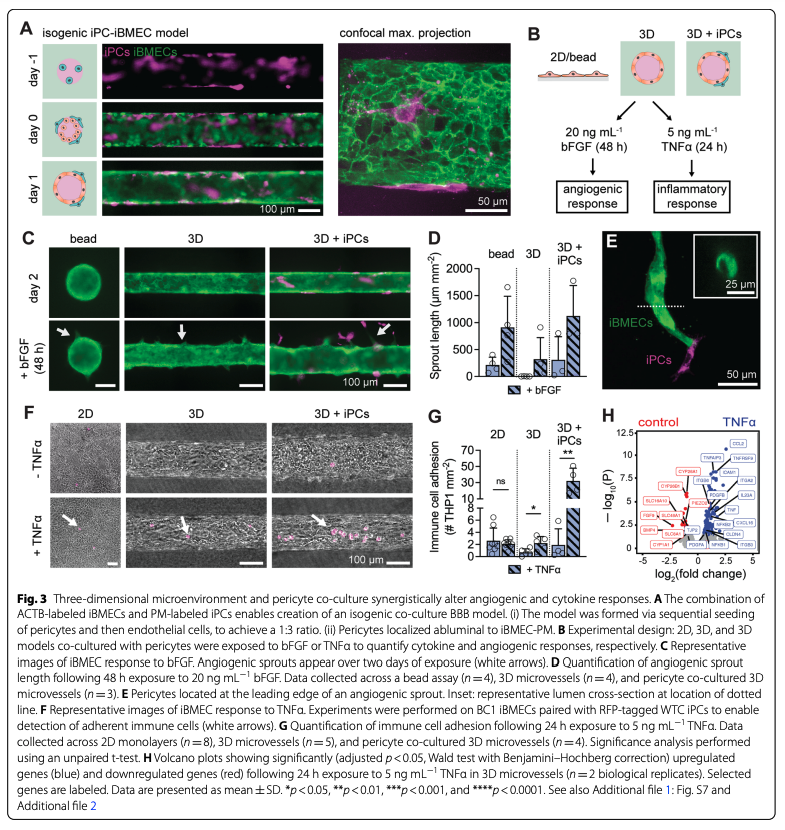
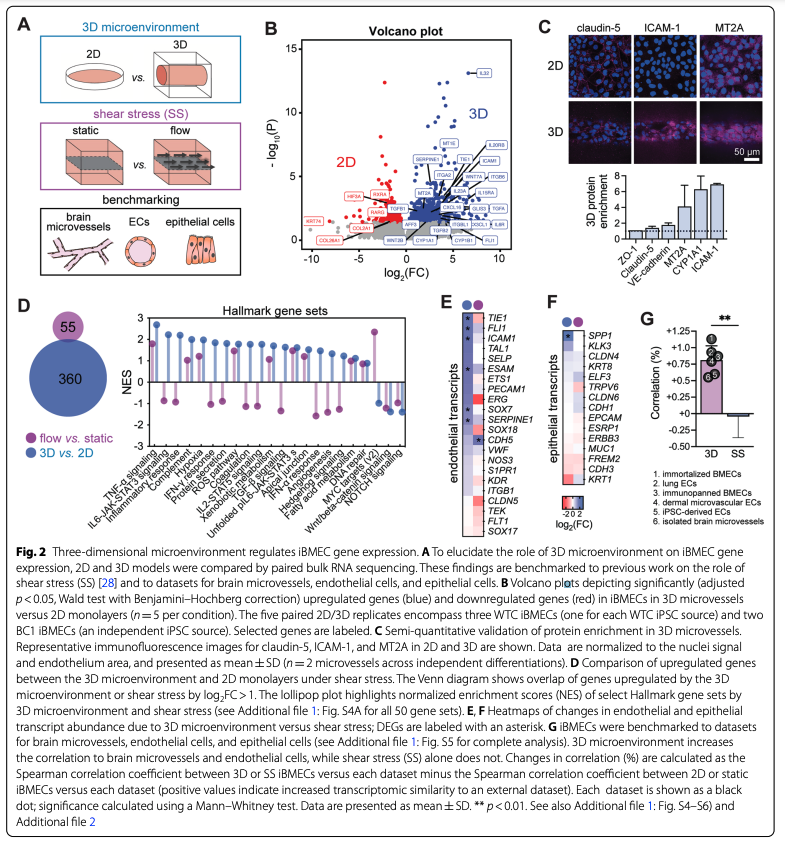
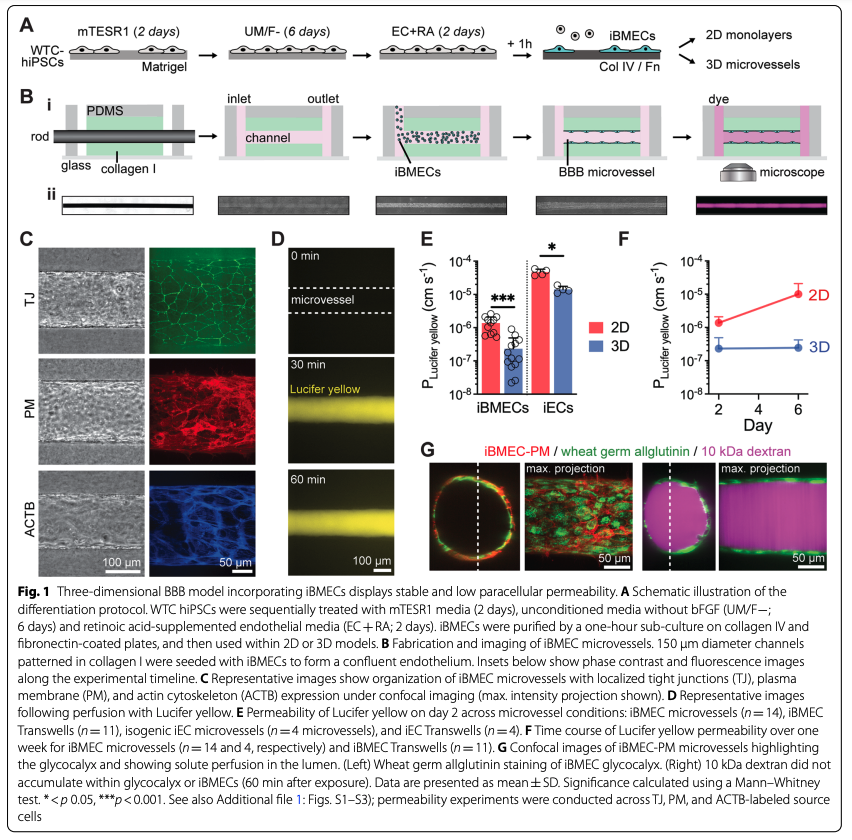
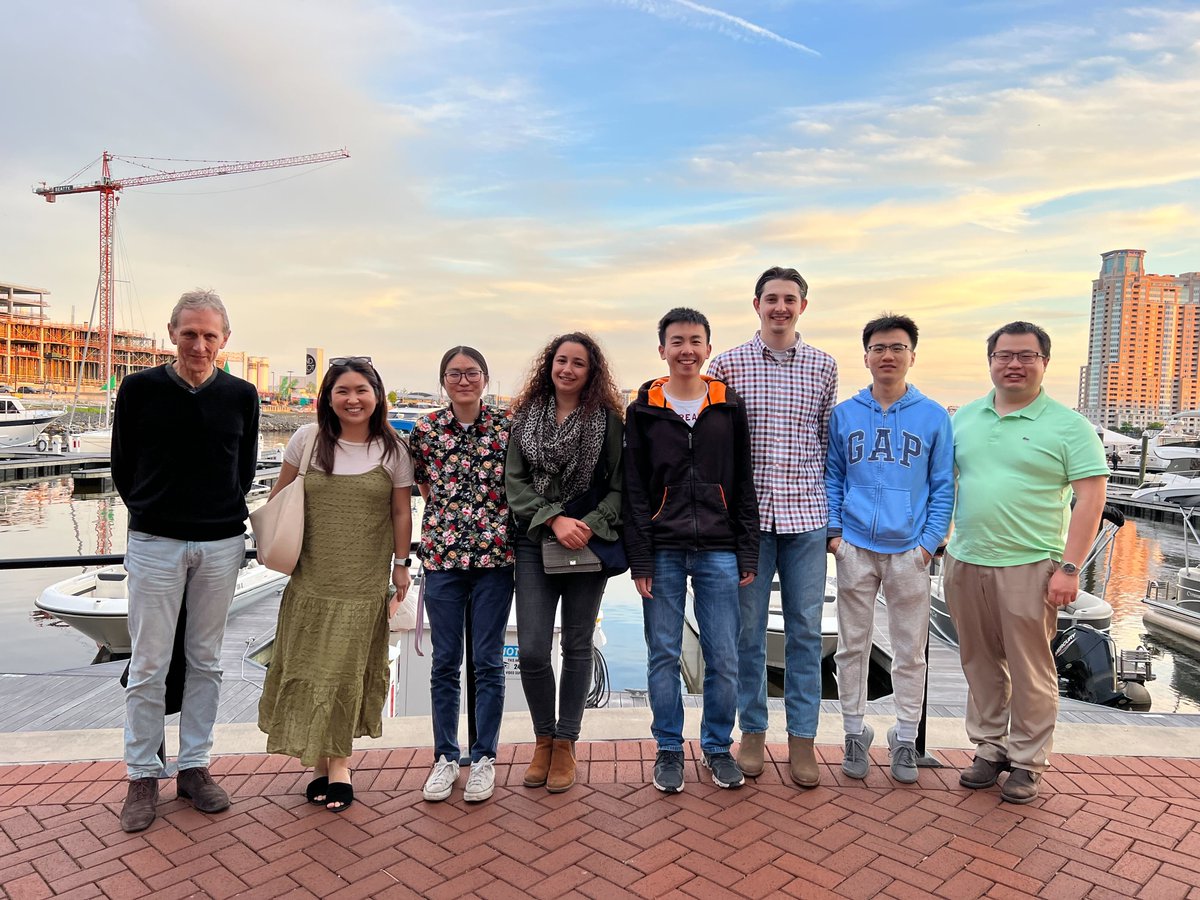
Nan's paper on angiogenesis in the brain was published today in Angiogenesis (co-authors: undergrads Sarah K, Sophia Z, and Danielle N. along with Raleigh, Tracy, Zhaobin, John, Lily, and Alex)
The paper also made the front cover!
https://t.co/iBSoARRIeh
https://t.co/KYtrLfHvxO
Was just online with ChatGPT - who says that for assessment of the scientific literature "I typically rely on the abstracts or key findings sections to provide a summary of the main results and conclusions of the study." Now we have another way to distort scientific discovery.
Interesting artwork?
from the Percy Skuy Collection on the History of Contraception the Dittrick Museum of Medical History at Case Western Reserve University
AI can't provide explanations. Great article by Noam Chomsky and colleagues on AI and the challenges in going beyond description and prediction to providing explanations.
https://t.co/2lM8H524Tc
Pedantic Friday
Are "upregulated" and "cross-link" hyphenated? Is "Lucifer yellow" capitalized? When to use en dash (-) or em dash (–)? If you think about these things, here are some resources:
• NCBI style guide https://t.co/MiLPfOK66a
• Diabetologia preferred spelling/usage
As an alternative to using plant protein in fake meat, tissue engineers at GOODMeat are creating sustainable meat from cultivated animal cells - an interesting application of tissue engineering
https://t.co/YTyLGt6zpE
https://t.co/PAV0XprbhR
Came across this article while prepping for a biomaterials lecture:
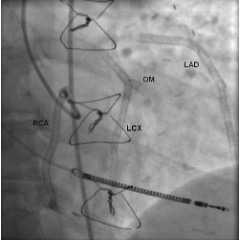
56-year-old male with 67 Stents
Khouzam et al., “A Heart With 67 Stents,” J Am Coll Cardiol (2010). 10.1016/j.jacc.2010.02.077
Commercial wearable devices can provide insights into an individual's daily activities, which support clinical care, Peter Searson (@SearsonGroup) writes in the Nature Portfolio Health Community. https://t.co/o3vBnA5aB9
Gina's story on our Lyme disease paper was picked up by the American Society for Microbiology and https://t.co/ZKmgkpFR90
https://t.co/tVMZGSMdOT via @physorg_com
Our work on using a tissue-engineered vascular model to visualize invasion and intravasation of Borrelia, the bacterium that causes Lyme disease, is featured in the Hopkins Hub
https://t.co/546g7sVTIk
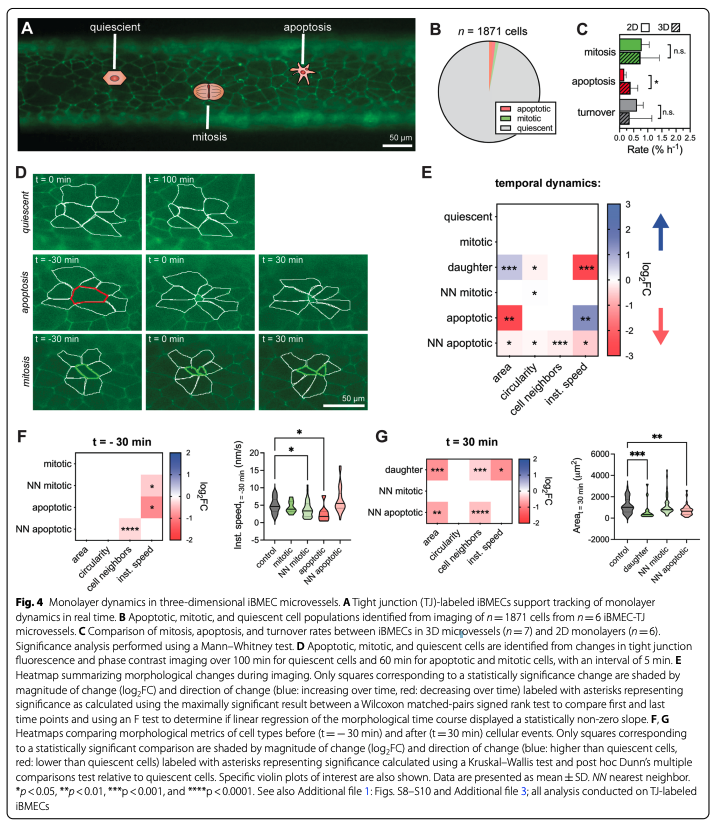
Check out our new work "Three-dimensional microenvironment regulates gene expression, function, and tight junction dynamics of iPSC-derived #bloodbrainbarrier microvessels" published at Fluids and Barriers of the CNS | @SearsonGroup@INBT_JHU 🩸🧠🛠️ https://t.co/aEaXL33iTM
To understand Lyme disease, scientists @SearsonGroup modeled the dissemination of the bacterium that causes it.
The model visualizes the migration and invasion of fluorescently-labeled pathogens into blood vessels.
Read the #OpenAccess article: https://t.co/Jug4yIEglT