Do You Really Understand Bitcoin? 🧐
After the overwhelming response to my post on the structure of a Bitcoin address (linked), I’ve decided to start something new:
“Understanding Bitcoin: A 21-Day Tweet-a-Day Journey.”
For the next 3 weeks, I’ll post one tweet a day, covering Bitcoin’s most fascinating topics—from the role of nodes in the network to why there will only ever be 21 million bitcoin. By the end, you’ll know more than 99% of people about how Bitcoin truly works.
Attached are my initial thoughts on topics. But, I’d love to hear from you—is there a specific Bitcoin topic you’d like me to include? Let me know below! 👇
#21DaysOfBTC – Check the comments below tomorrow for Day 1!
https://t.co/ZjxuCdOsKy
Sending Bitcoin Still Feels Nerve-Wracking? You’re Not Alone.
That moment of doubt—“Will it actually arrive?”—is real. But here’s the good news: Bitcoin addresses have built-in safeguards. When I learnt this, it greatly reduced the stress of sending Bitcoin.
A Bitcoin address isn’t just a random string of characters—it’s structured to prevent errors. Each address contains three key parts that tell the network where to send your BTC (Image below):
1️⃣ Version Number – Identifies the type of address (Legacy, SegWit, Taproot) and ensures compatibility.
2️⃣ Public Key Hash – A shortened, more secure version of your public key. This acts as the unique identifier that determines the recipient of the funds.
3️⃣ Checksum – A built-in error detector. The last 4-6 characters verify the version number and public key hash to ensure the address is valid.
Why This Matters: If you accidentally miss or mistype a character, the checksum catches it—and your wallet shouldn't send the transaction. This built-in safety net prevents you from sending your Bitcoin into the ether.
That said.... here are a few pro tips for error-free transactions:
✅ Always copy & paste addresses (never type manually).
✅ Use QR codes whenever possible to avoid manual entry mistakes.
✅ Double-check the first & last 5-6 characters before hitting send.
Did this help? Let me know if you have any questions or curiosities!
Today we're announcing the Bitcoin Security Consortium @BTCconsortium: a group of leading financial institutions and Bitcoin companies supporting the long-term security of the Bitcoin network.
Members have pledged $15 million toward this work over the next three years.
@jyn_urso Couldn’t agree more. I’ve noticed since using various models to assist with writing, it takes me longer to write per thousand words with AI than it did when I wrote pre AI.
I think it’s vital we don’t lose our writing muscle.
@Cole_Walmsley Not necessarily a creator, but Tank Man, the guy who stood in front of the tanks in Tiananmen Square is another interesting anonymous person. Stood up for what he believed in.
👀 First Silent Auction item revealed!
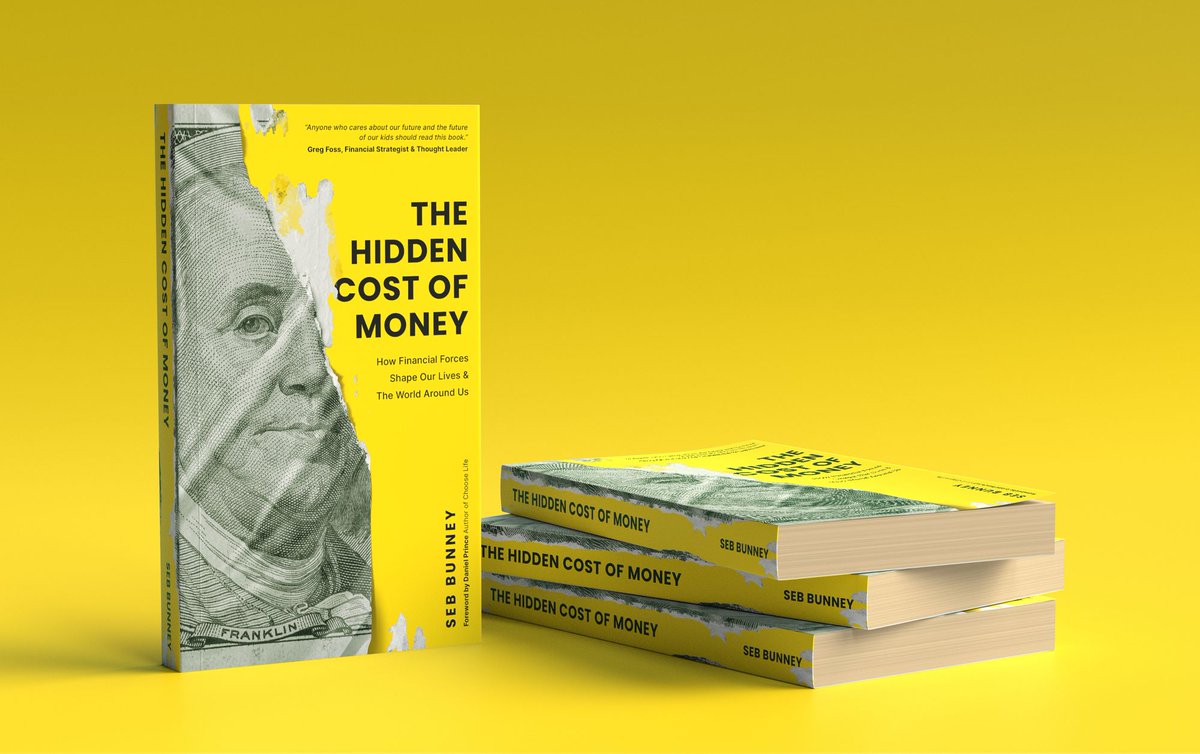
We’re excited to offer a book bundle from @sebbunney at Learning Bitcoin 2026 in Vancouver on August 22:
📚 The Hidden Cost of Money
📚 B is for Bitcoin
Thank you Seb for this generous donation to support our mission of advancing global bitcoin education 🙏
More incredible items dropping SOON…
If you or your company would like to donate to our silent auction, please DM us!
@TXMCtrades@hodlonaut …although they can get more revenue in the short term through such transactions, the economic incentive is to narrow transaction scope and focus on non-monetary transactions.
@TXMCtrades@hodlonaut Lastly, there are short-term and long-term economic incentives for the miner. If a miner believes that non-monetary transactions are bloating the Blockchain which could impact bitcoins long-term liability and thus future miner revenue…
@TXMCtrades@hodlonaut Miners have one set of economic incentives: maximize fee revenue. Holders, businesses, and node operators have another: preserve the properties that make Bitcoin worth holding in the first place. Those incentives won’t always align.
👇