PhD student at Uni of Leeds. I study urban plants, urban freshwaters, and nature-based solutions. Currently on remote placement at @thebotanics. He/him
Our new exciting #planteducation paper is out in @Ecol_Evol🌾🌵🌱!
“The botanical education extinction and the fall of plant awareness”
You can read the full paper here:
https://t.co/MOLRSQk4CN
🧵 For a summary of content:
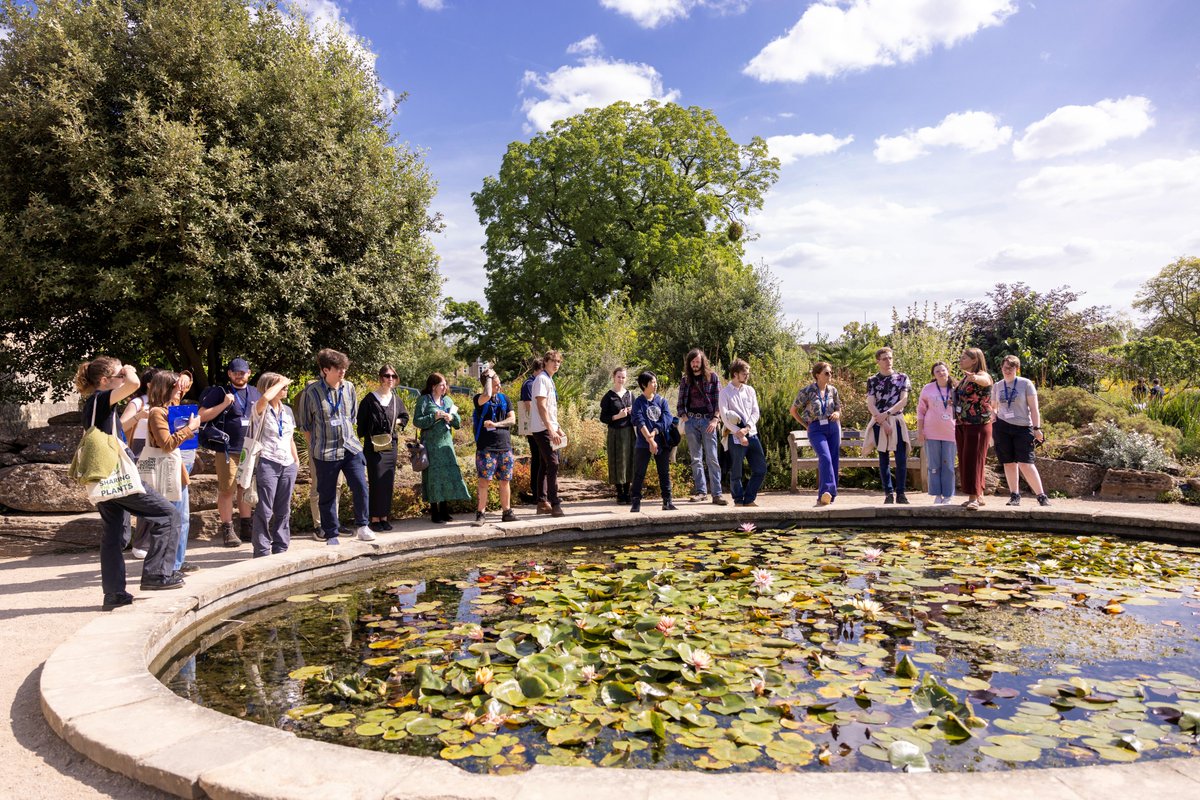
Photos: @AGeijerSimpson
Only 11 days to go! Let's see how far we can get with the Botanical University Challenge Crowdfunder to support this year's Student Botany Festival in August. Read all about it at:
https://t.co/9Wh3A6eBp6
Issue 15 The Thymes, newsletter of Botanical University Challenge, now out. 22 page issue - Feb online contest result, team accounts, 10 years of BUC, fave plants, book reviews, interviews ...
#BUC2026
Oh, just go and download it!
https://t.co/v9v6BAabo0
Mega exciting contest yesterday in Botanical University Challenge #BUC2026, finding the 4 semifinalists - teams from Aberdeen, Cambridge, Edinburgh & Anglia Ruskin Universities. Competition for best team names by public vote still open. Use QR code to go and vote.
Need more preparation for Botanical University Challenge #BUC2026 ? Think about rainforests. Not all are tropical. Some types are rare; where would you find temperate rainforest? Five suggestions on the picture but which is correct?
More teams and their amazing names for Botanical University Challenge #BUC2026. See 'I kissed a Burl, and I liked it' (Anglia Ruskin), 'Top of the Poplars' (Bristol) and 'Durham Dendrons' (Durham)! @ARU_Biology@BristolBioSci@DurBiol
More teams Botanical University Challenge #BUC2026. Pennywort Lane team Liverpool (past runner-up, had a few years rest!), We Havn't Got A Clusia from Portsmouth, You Betula Believe It Royal Holloway (for 2nd year) & Not-So-Hot Potatoes from Southampton (also past runner-up).
Who will be asking the questions in Botanical University Challenge #BUC2026 in February? Dr Martin Barker, Aberdeen (team #BUC2025 winners !), Professor Yoselin Benitez-Alfonso, Leeds (team new arrival #BUC2025) & Dr Karen Bacon, Galway (first Irish team, #BUC2022)
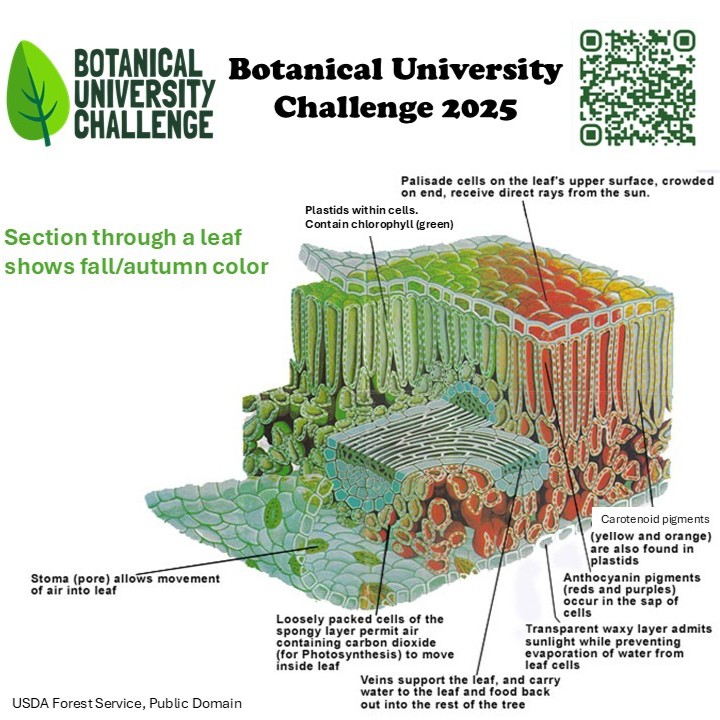
Leaves of deciduous trees change colour dramatically in autumn/fall. How? Why? Leaves contain coloured molecules needed for photosynthesis to capture light and power food supply to tree. Colder weather and shorter day length triggers changes. #BUC2025
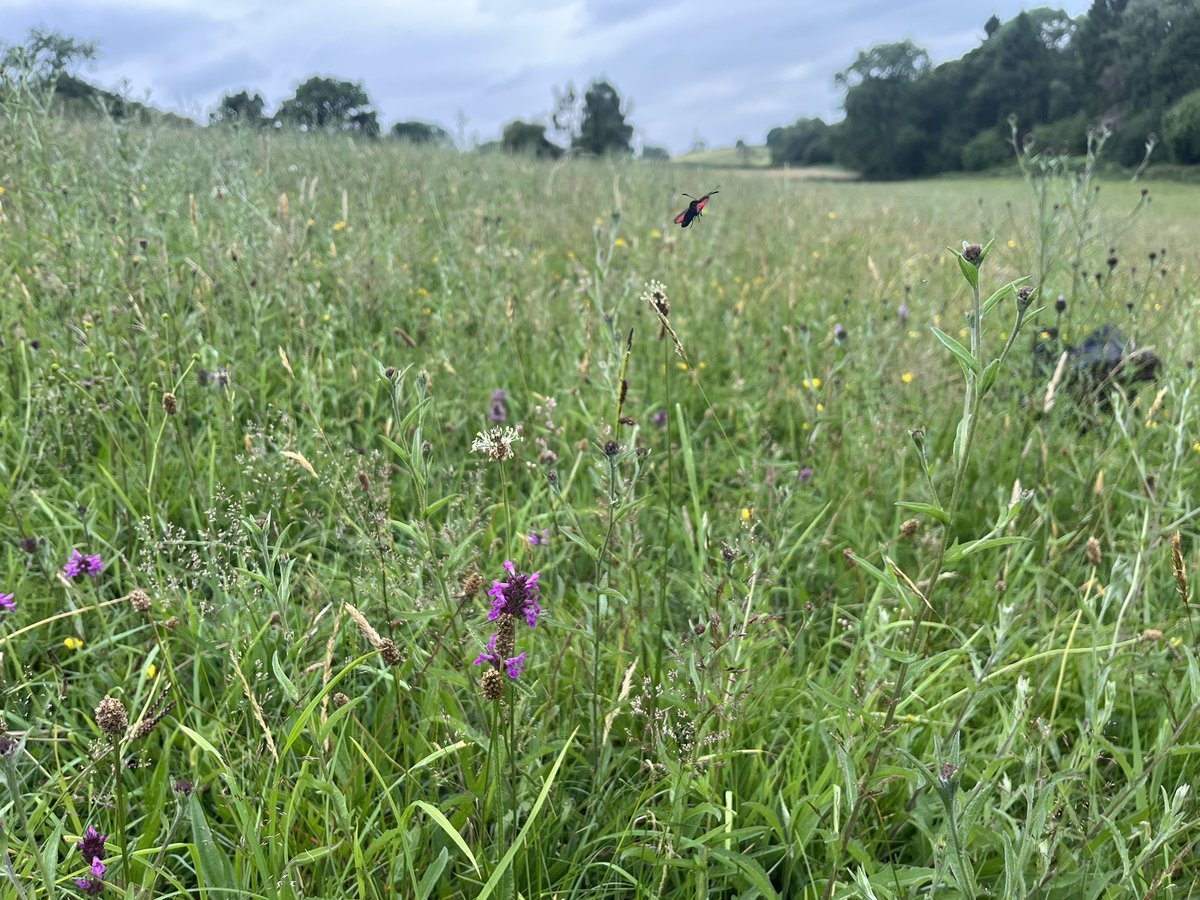
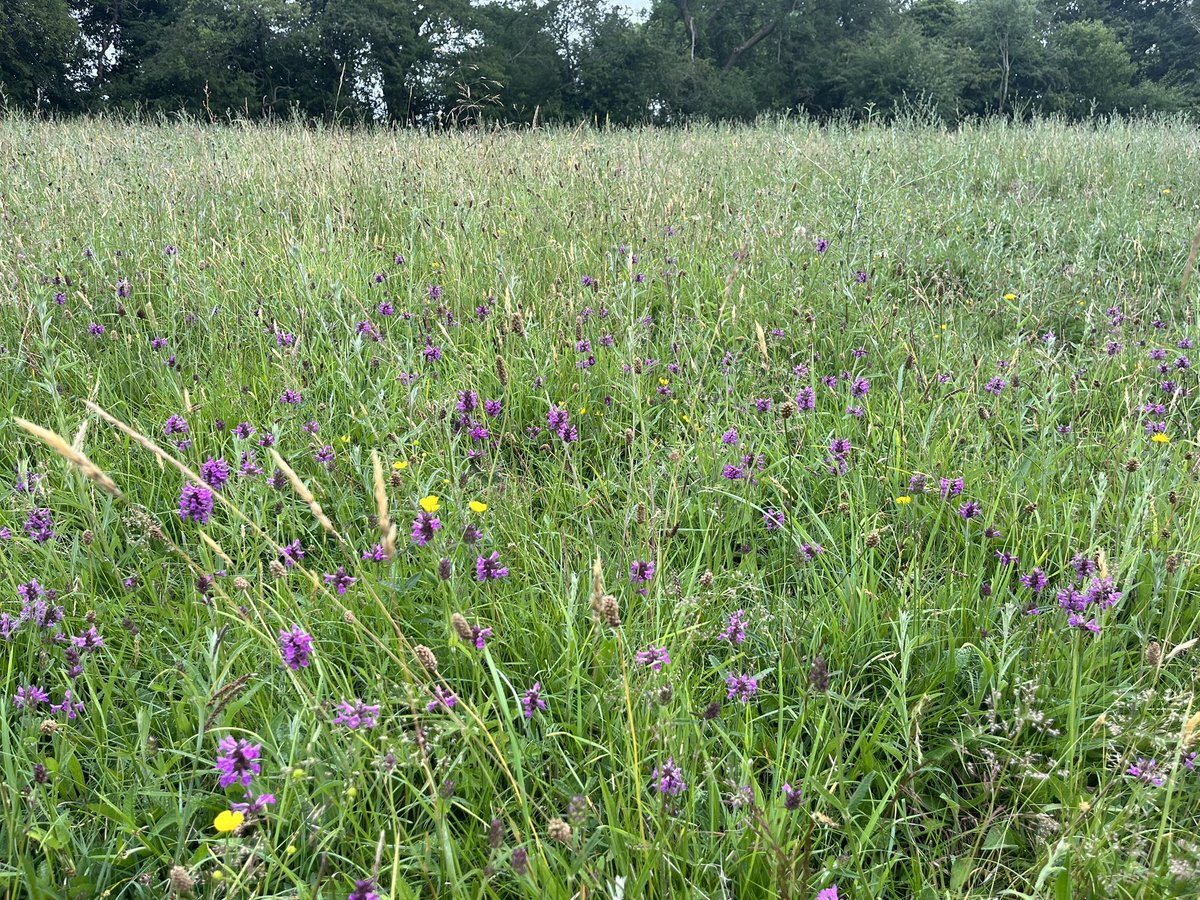
A day early for #NationalMeadowsDay, but just look at this ancient wildflower meadow I stumbled upon in Staffordshire the other day!
Grasslands should be full of life like this beauty, but often fall silent. Restoring them is vital if we want to see nature recover 🌱❤️
Around 70% Earth covered in sea. Some flowering plants live in it (e. g. Neptune grass, eel grass) and not easily seen. Others live at sea edges & disperse their seeds using it (e. g. coconuts, mangrove, sea beans). #SeedDispersal#BUC2025
Seeds monocots include grasses, carbohydrates for most people on Earth. Maize/Corn (Zea mays) cultivated for 9000 yrs started Mexico now worldwide. More produced than other grains. Food for humans, animals; materials chemical industry. Needs humans to scatter seeds. #BUC2025
Come and join us! Great opportunity for a field ecologist to join the UK’s Sustainable University of the Year 2025, host of the CIEEM Higher Education Programme of the Year (2024) MSc Ecological Survey Skills with Placement. https://t.co/DFFG9IbVud...
We have 3 fab #WildFlowerID webinars lined up for you this spring.
Led by national experts.
All absolutely free!
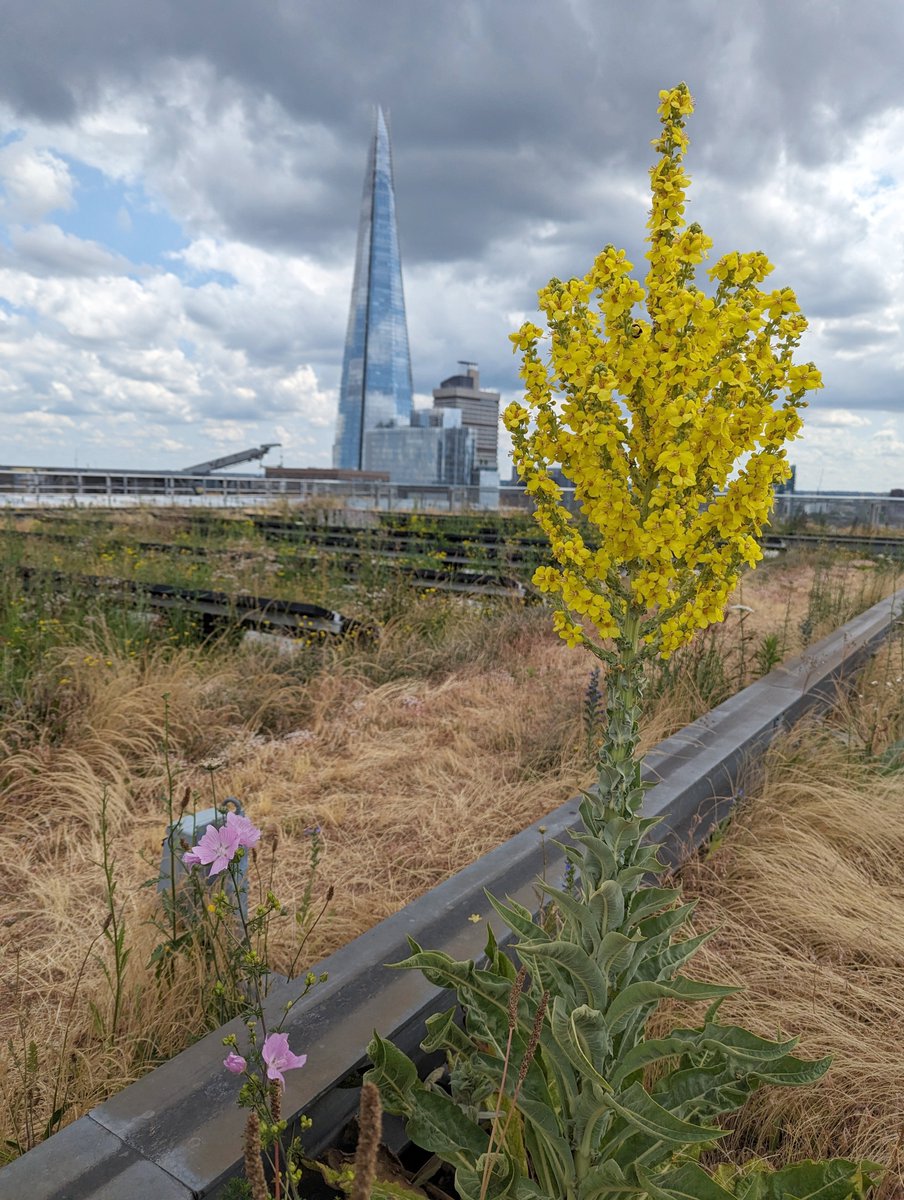
22 Apr: Mulleins with Mike Crewe
7 May: Mints with Ambroise Baker
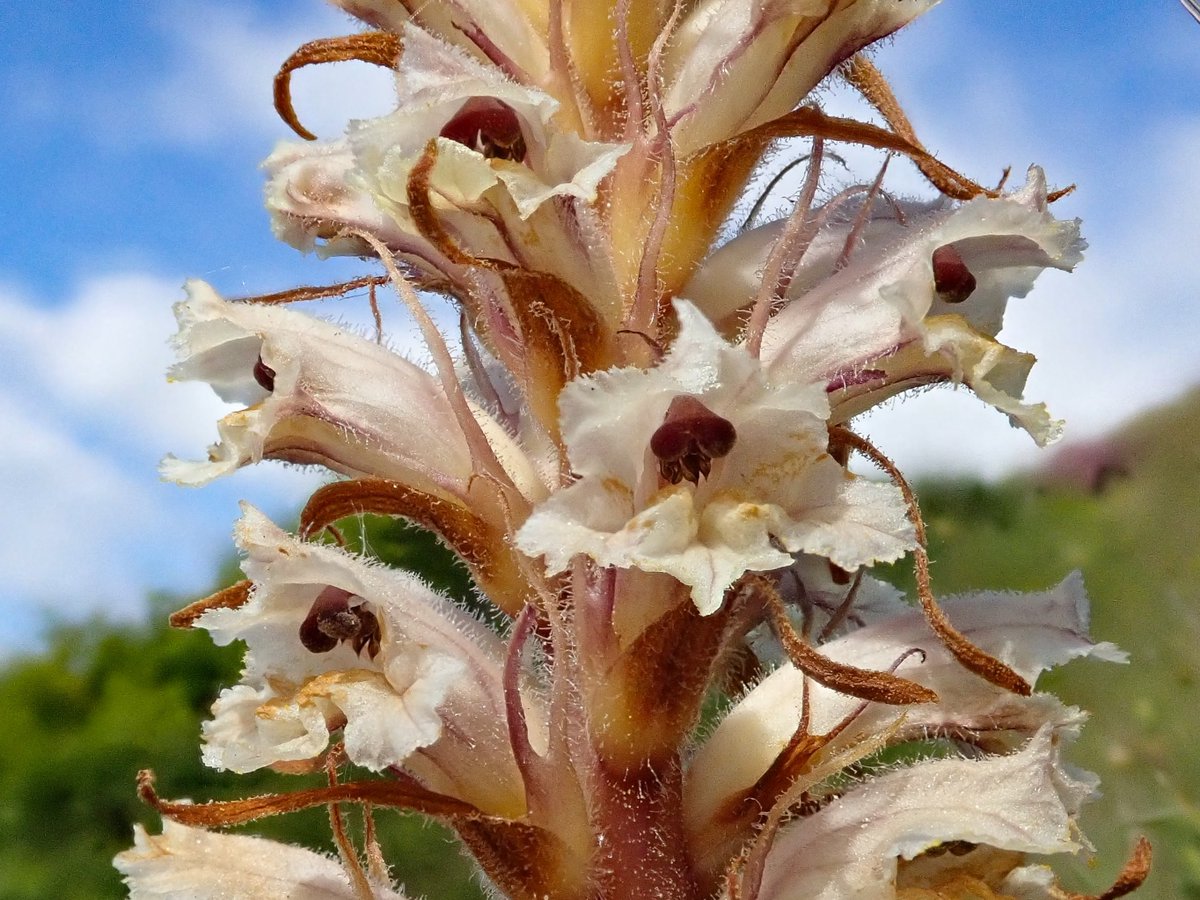
10 June: Broomrapes with @thorogoodchris1
Details & booking links here:
https://t.co/28gnPRc0bU
A new study has explored how we can use competition and engagement to empower plant-aware students and prevent the "ticking time bomb" of botanical skills debt.
The Botanical University Challenge is much more than just a contest (@BUCBotany). Read more
https://t.co/GPB1FHW1Ro
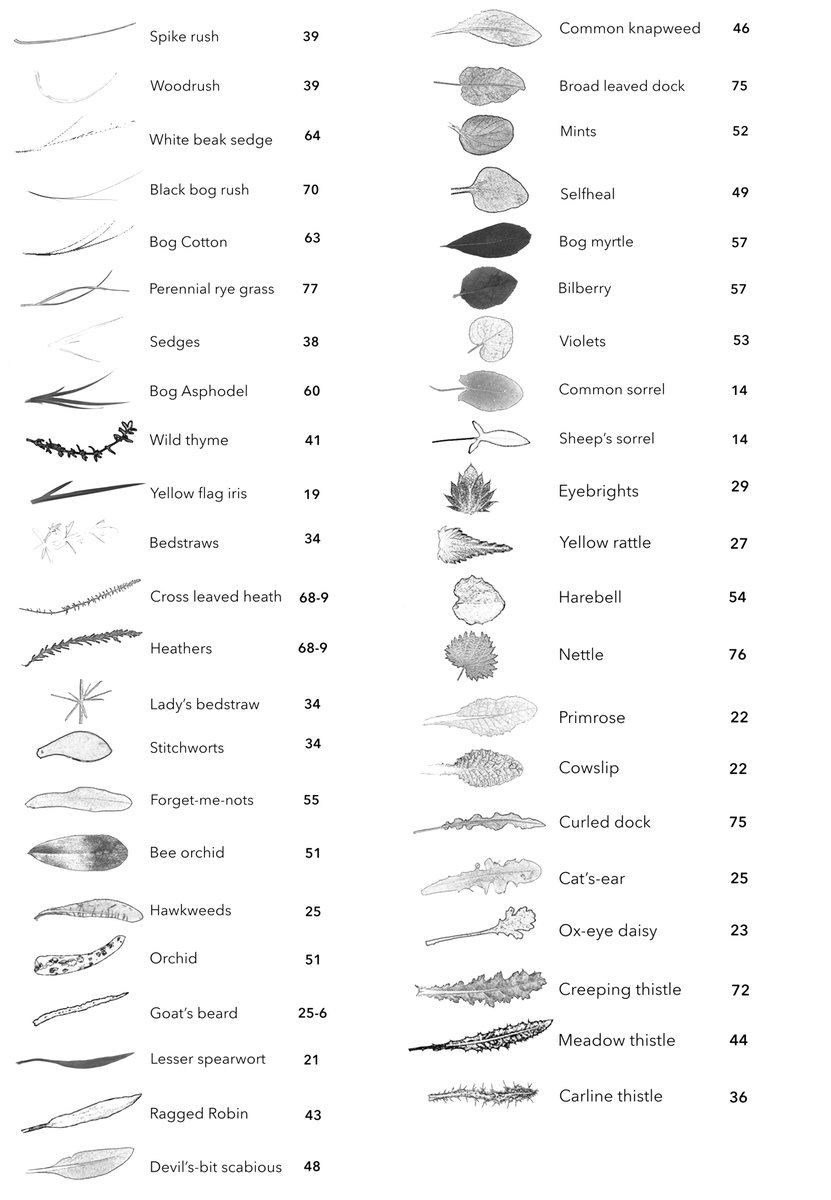
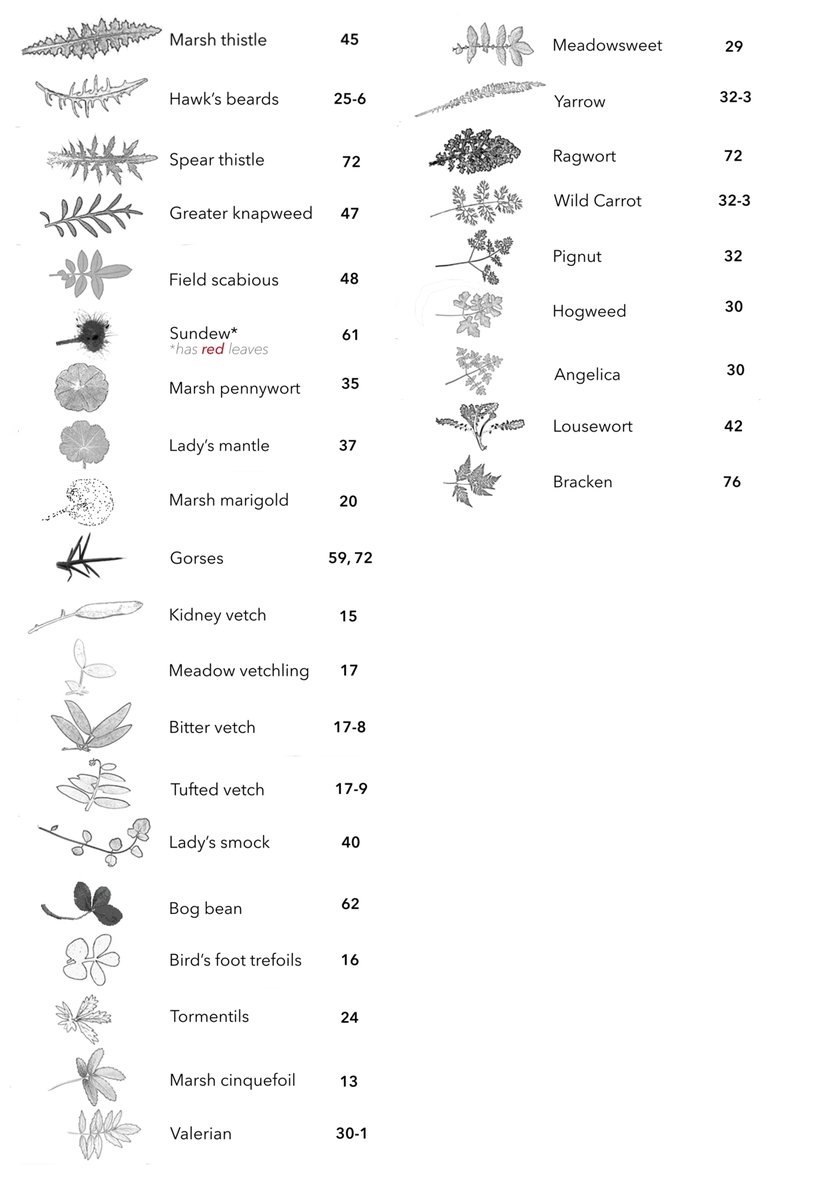
For anyone who tried to identify the #GreatIrishGrassland plants in winter, here's a handy crib sheet from the ACRES booklet. Showing leaves from blades and simple leaves to more toothed and pinnate structures