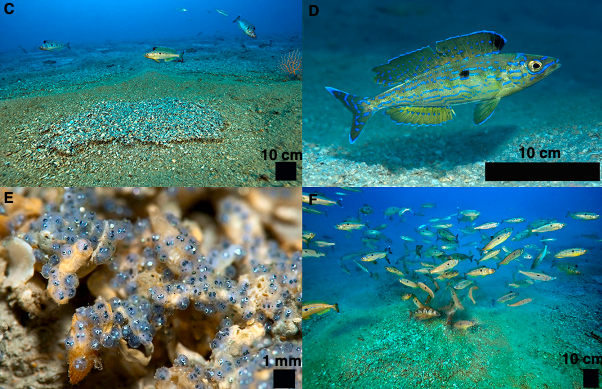
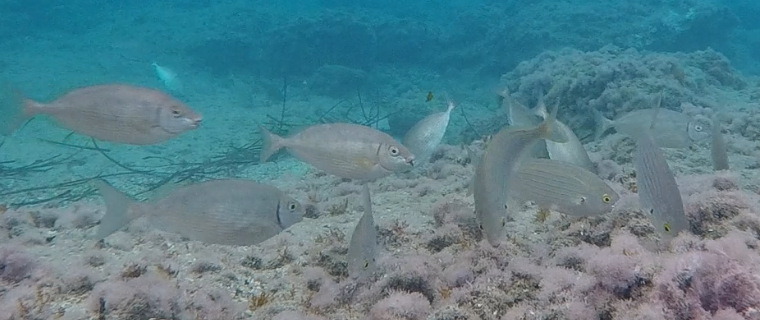
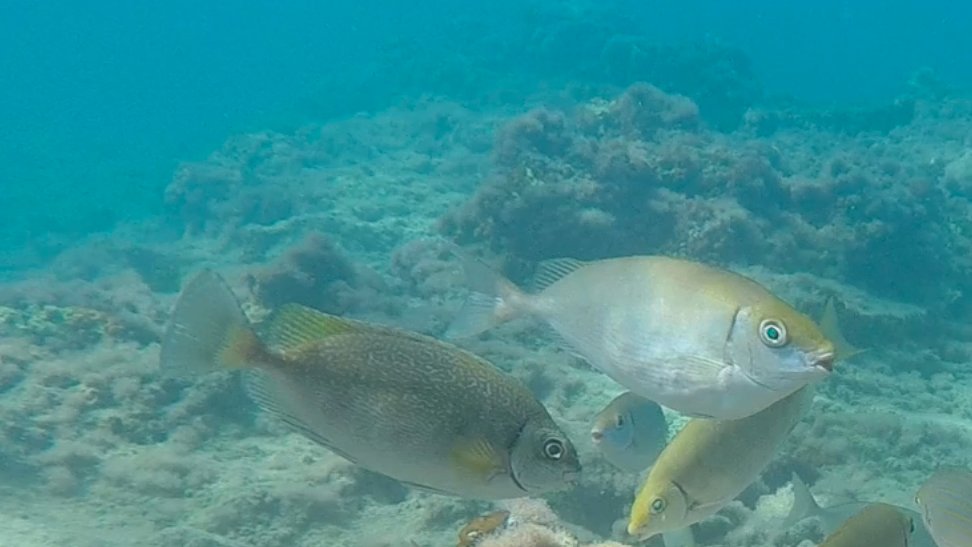
Massive breeding colonies of picarels (Spicara smaris) on the Mediterranean coast (Corsica island) with 18 million nests
https://t.co/NfpOsI6WCP
Attractor of IUCN-Red chondrichthyans like angel shark (Squatina squatina) detected with #eDNA
https://t.co/fzOOxXKVBg
@umontpellier
So happy to see this paper published ! I hope the new SmaxN index we propose to estimate abundance of animals based on synchronised cameras will be useful for many ecologists.
Interested in estimating mobile species abundance using cameras? 🐠🦈🐺
In this paper from my #PhD we propose a new framework relying on a network of cameras to better estimate species abundance! 🎥🎥
➡️https://t.co/C6OuPj4ZTL
🖥️R package & tutorial https://t.co/5Is5BX4WJB
(1/7)
We spent dozens of hours in front of a blackboard to design the SmaxN index, above Mayotte reefs to set up the underwater cameras and between our keyboards and chairs to analyze videos and code the R package. Long but pleasant journey thanks to an amazing team !
Check out the latest paper @GlobalChangeBio
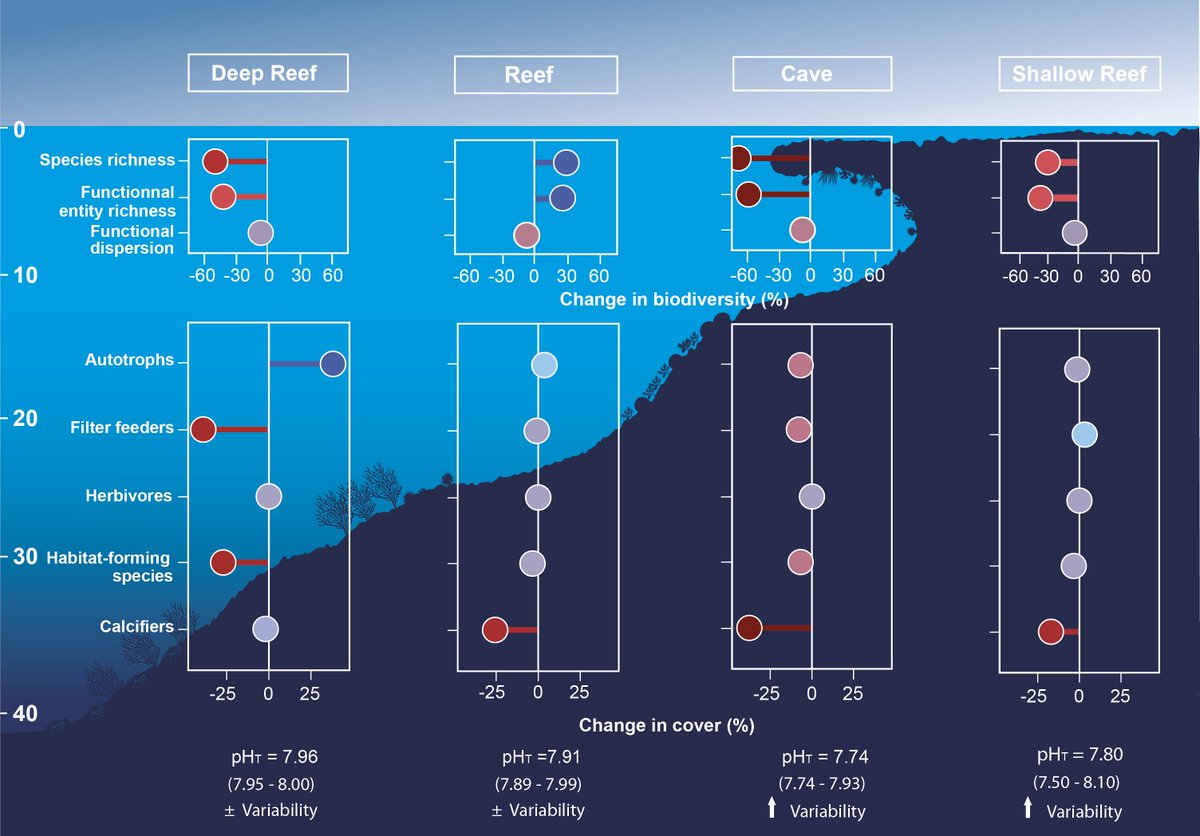
"Functional changes across marine habitats due to ocean acidification (OA)"
We combine biochemical & biodiversity datasets & a great team ‼️
Happy & pleased to see it out‼️
👇
https://t.co/OrgulOxxAY
🧵(1/6)
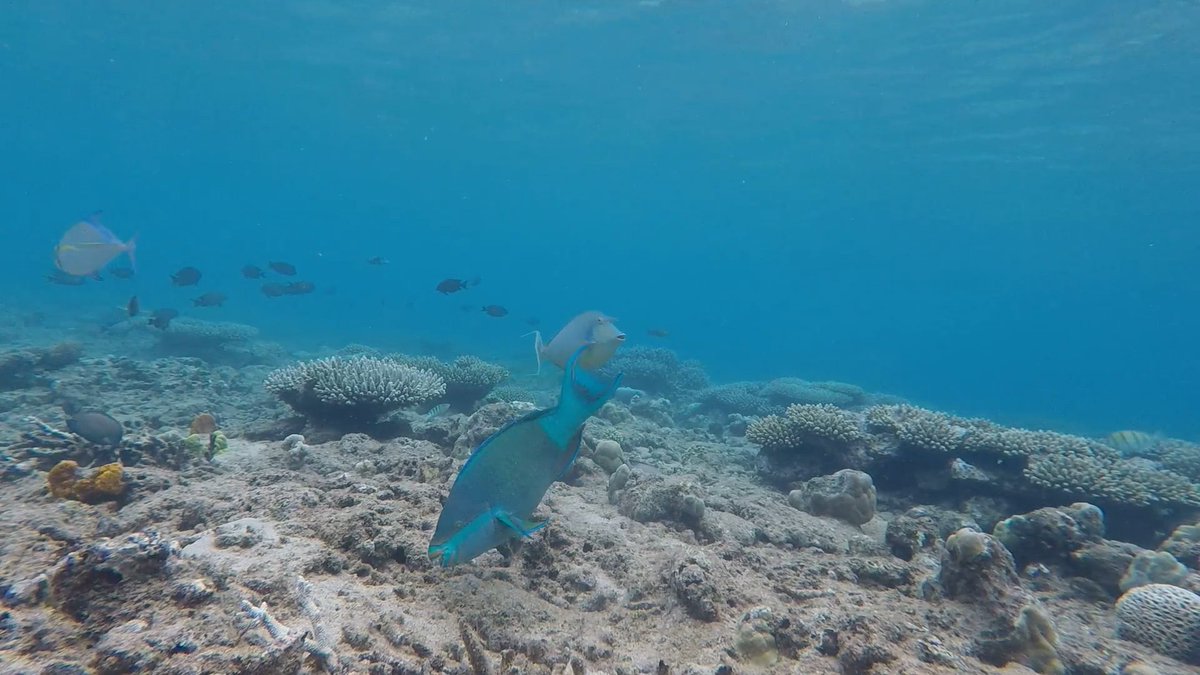
Ever wondered how fish feeding activities change throughout the day? 🌅🐠
Using remote underwater cameras, we studied the diurnal variability of herbivory, corallivory & invertivory on coral reefs 📹🪸Results now online in Coral Reefs !
➡️ https://t.co/F6vYwpvxGK
#PhDChapter
Fish poop more than you think! 🐠💩
Learn more about our new study, underlining the key role of fish feces in nutrient cycling on coral reefs 🧵👇
https://t.co/zY347aj5Tn
(Try spotting the 💩 in the video 👇📽️)
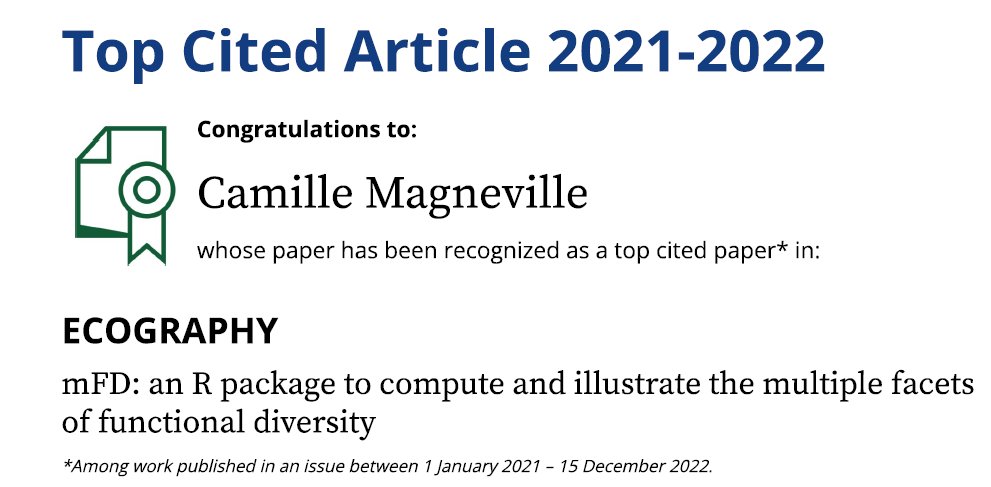
So delighted to read that our paper on the mFD package is one of the Top Cited Articles 2021-2022 in @EcographyJourna 🎉
Since the publication, the mFD package has improved through:
⚠️ new warning messages
🎨a new tutorial on how to plot customized graphs of functional indices!
#Praud n'est pas content, alors pas du tout content, à cause de cette vidéo @Qofficiel et ne veut pas du tout que vous la partagez !!!
Étonnant, il a quand même gagné ce palmarès des réflexions les plus stupides de #Cnews 🏆
'Y a des gens qui ne sont jamais contents ¯\_(ツ)_/¯
How does the grazing activity vary within a day and across days in an invasive context? 🍴🕓
🎥Using remote long-duration cameras in the Mediterranean sea, we focused on this question in the second paper of my #PhD out in @RSECJournal
! 🎉
➡️ https://t.co/QANfINX4In
🧵(1/7)
Crabe bleu, poissons-lapins... Avec le réchauffement climatique, les espèces invasives s’invitent en Méditerranée. Cartes et infographies à retrouver dans @lemondefr en kiosque et en ligne https://t.co/sEPoXESjMp
We also found that those intraspecific shifts were paired with increasing similarity of microbiome between the 2 species in the invaded area. @jcauguet
We report that rabbitfishes that invaded the South-eastern Mediterranean Sea have different gut microbiomes than individuals from the Red Sea for both Siganus luridus and S. rivulatus.