This thread gets everything wrong.
"Prior possession"? Britain seized the Malvinas by force in 1833, expelling Argentine authorities. Britain’s own 1840 parliamentary records prove it, repeatedly citing the Argentine gauchos and settlers under Luis Vernet already living there👇
This Falkland Islands thing is interesting. The British found oil north of the islands and are set to drill. Argentina would naturally like that oil for itself, so it has asked the Tribunal for the Law of the Sea - which sits in Hamburg, Germany, to enjoin the British from drilling. Argentina and Britain are members of the UN Convention on the Law of the Sea - Argentina is trying to claim that the Brits are in unlawful possession of the Falkland Islands (despite the war back in 1982 and prior possession), so therefore this Tribunal in Germany has authority over the water around the islands. This would not happen to the United States, which wisely never ratified the UN Convention.
De la tribuna al alegato británico.
En el caso Sea Lion, la Argentina🇦🇷 recurrió a un tribunal creado por la ONU🇺🇳. En la audiencia, dos discursos de Javier Milei terminaron sirviendo de argumento a la defensa británica. La fiscal general inglesa🇬🇧 citó el pasaje en que Milei descalificó a la ONU.
Abro 🧵👇
Mein letzter Beitrag heute gilt dem Herrn, der diese Woche meinte, meine Heimatstadt Buenos Aires habe keinen deutschen Einfluss, sondern nur französischen und spanischen. Wie erklärt er sich dann bitte die prächtige Architektur des Edificio Otto Wulff direkt in der Innenstadt?
@EdggarDog@BartGonnissen El Tribunal del Mar no puede frenar la explotación pero tampoco le da la razón al Reino Unido sobre la soberanía de Malvinas. Lo que sí demuestra es que la vía judicial marítima tiene un límite y que frenar hechos consumados depende de la presión diplomática.
@EdggarDog@BartGonnissen Np va en contra, porque son planos distintos. El Tribunal del Mar solo puede aplicar la Convención del Mar y no tiene competencia para hacer cumplir resoluciones de la Asamblea General de la ONU (como la 31/49). No la contradice, simplemente no la puede juzgar.
@BartGonnissen A procedural denial of an interim injunction is not a ruling on the merits. Nor does it erase UNGA Resolution 31/49, which urges both parties to refrain from unilateral modifications while the sovereignty dispute remains unresolved.
@BartGonnissen Today’s order only denied temporary provisional measures on prima facie jurisdictional grounds. It did NOT
•Validate UK sovereignty
• Legalize unilateral drilling (Sea Lion)
• End the ongoing Annex VII arbitration initiated in September 2026
@cbuteler Qué tranquilidad saber que nuestros impuestos financian el sueldo y la casa de un director del BICE cuya principal tarea de gestión pública parece ser psicopatear gente en X. Prioridades claras.
El problema es este: los fundamentos para rechazar preliminarmente los cuatro pedidos de Argentina para que se impongan “medidas provisionales”precondicionan a futuro la sentencia del Tribunal Arbitral porque muy probablemente utilicen los mismos argumentos para cuando tengan que resolver más adelante la cuestión de fondo.
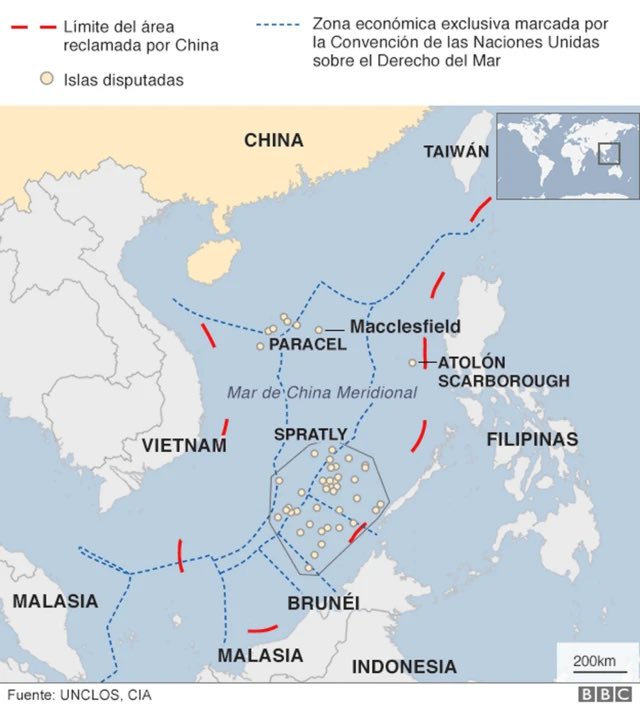
En definitiva, si es un territorio en disputa, no se pueden avalar acciones unilaterales, y menos que menos, por parte de potencias. La explotación de petróleo en la plataforma continental no es una cuestión de vida o muerte para nadie. Es colonialismo duro y puro de parte de 🇬🇧. Si esto avanza en este sentido, el caso puede ser catastrófico para el derecho internacional del Mar, porque avalaría a las potencias a tomar acciones unilaterales sobre espacios marítimos (y sus respectivos recursos naturales) por lo que los países del mundo tendrían este antecedente negativo y estarían indefensos porque no podrían acudir al Tribunal Internacional del Mar. Estemos atentos al Mar de la China Meridional…
🧵1/5
#LegalFactCheck✅🕵🏼♀️⚖️🇺🇳
🎬Ep. "ITLOS/TIDM"
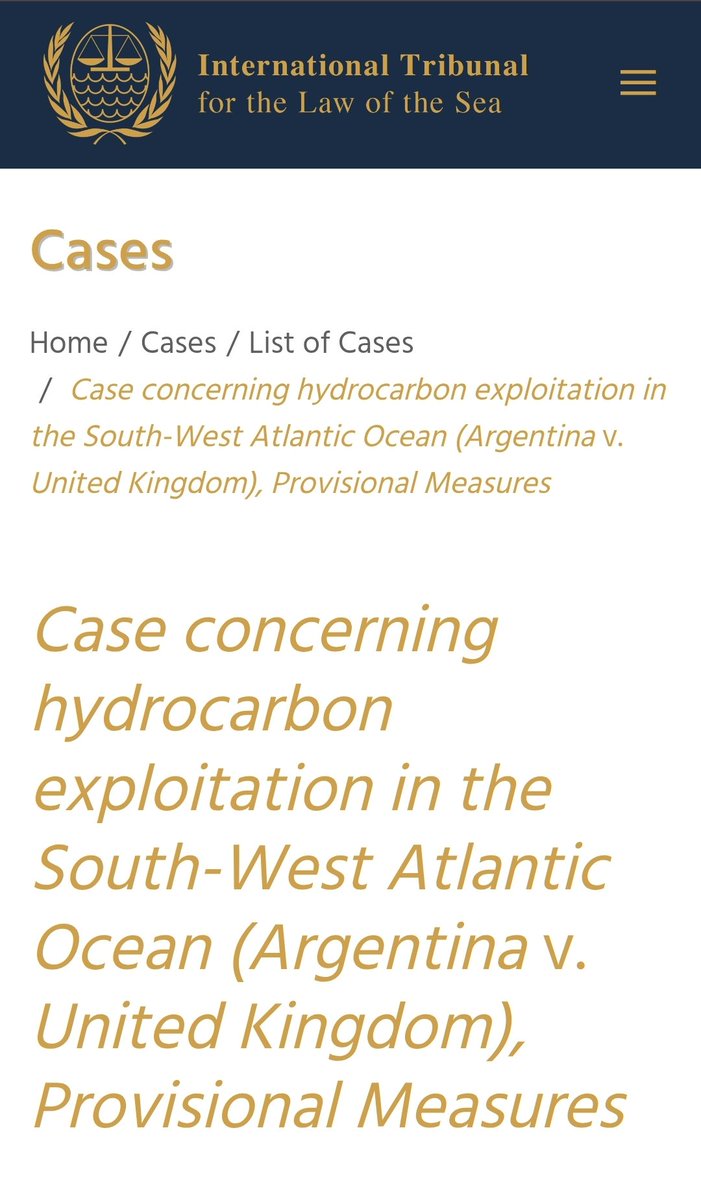
👉🏼Argentina's application does not ask ITLOS to adjudicate sovereignty over the Malvinas.
💁🏼♀️It seeks provisional measures under Article 290(5) of UNCLOS pending constitution of an Annex VII arbitral tribunal.
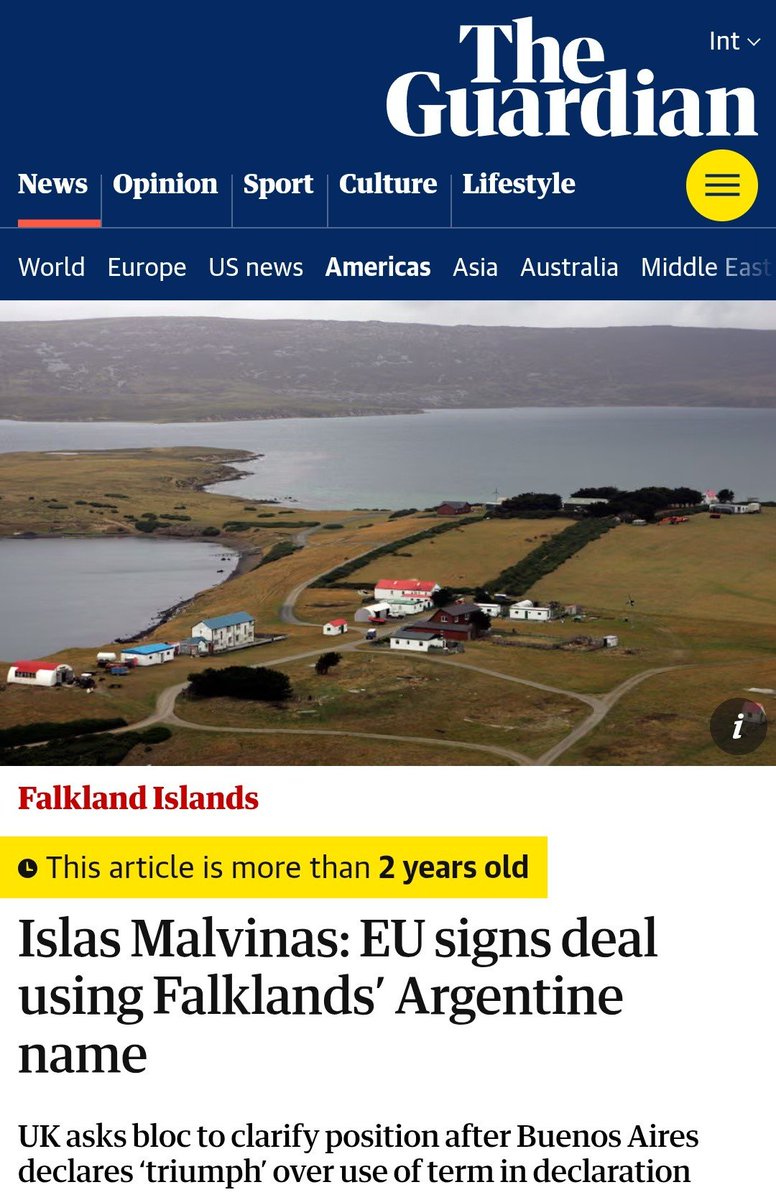
@GibsonArtym Thanks for admitting Britain took them by force. Yet:
1. The UK already renounced settlement rights in the 1790 Nootka Convention (pictured, signed by UK envoy FitzHerbert).
2. Attacking a nation with an 1825 Friendship Treaty in peacetime wasn't "conquest" it was piracy.
This thread gets everything wrong.
"Prior possession"? Britain seized the Malvinas by force in 1833, expelling Argentine authorities. Britain’s own 1840 parliamentary records prove it, repeatedly citing the Argentine gauchos and settlers under Luis Vernet already living there👇
This Falkland Islands thing is interesting. The British found oil north of the islands and are set to drill. Argentina would naturally like that oil for itself, so it has asked the Tribunal for the Law of the Sea - which sits in Hamburg, Germany, to enjoin the British from drilling. Argentina and Britain are members of the UN Convention on the Law of the Sea - Argentina is trying to claim that the Brits are in unlawful possession of the Falkland Islands (despite the war back in 1982 and prior possession), so therefore this Tribunal in Germany has authority over the water around the islands. This would not happen to the United States, which wisely never ratified the UN Convention.
@IthilienFaramir Hola sí, varios autores anglosajones.
"The Struggle for the Falkland Islands" (Julius Goebel, Yale Univ. Press) la biblia histórica.
"The Malvinas/Falklands Between History and Law" (Kohen y Rodríguez, gratis en PDF).
@ashkenazi1984 Una joya. El propio Darwin visitó las islas en marzo de 1833 (dos meses después de la usurpación) y dejó registrado en sus diarios la presencia de los gauchos argentinos allí.