🏦El presidente electo Abelardo de La Espriella prometió un gobierno de los “nunca”: los que nunca han vivido del Estado ni han estado en la rosca política.
💼Pero su gabinete está lleno de exministros, excongresistas y casas políticas tradicionales.
Va 🧵
Morales no es investigadora, ni científica, ni conoce el sector Educación. Es una politica de siempre, enemiga de los derechos de las mujeres y LGBT reconocidos por la Corte Constitucional.
Hoy @ABDELAESPRIELLA le declara la guerra al carácter laico de la educación, a la libertad de cátedra, a la autonomía escolar y al derecho a la libre asociación de docentes.
¡Otra ex embajadora de Duque en el Gobno de ADLE!
La Educación no es un botín para repartir a CIERTAS iglesias que le pusieron votos Sr. De la Espriella.
A Stanford neuroscientist published a paper a few years ago that quietly answered one of the oldest questions in human history, and almost nobody outside his field has heard of it.
The question is why we dream. Not what dreams mean. Why they exist at all. Why your brain spends a third of its sleep hallucinating images instead of just resting like every other organ in your body.
His name is David Eagleman.
He runs a lab at Stanford. The paper is called "The Defensive Activation Theory", and the moment you read it the explanation collapses every other theory you have ever been taught about dreams.
Freud said dreams were repressed desires. He was guessing. He had no brain scans. He had no electrodes. He had a couch and a notebook and a century of credibility that nobody has been able to fully scrub off the subject since.
Modern neuroscience replaced him with the memory "consolidation theory". The idea that dreams are your brain sorting through the day, filing things away, deciding what to keep. That story is partially true. Sleep does consolidate memory. But it does not explain the single strangest thing about dreams, which is that they are almost entirely visual.
You do not dream in pure sound. You do not dream in taste. You do not dream in smell. You dream in pictures. Vivid, detailed, often impossible pictures that activate the back of your brain so hard a scientist scanning you would think your eyes were wide open.
Eagleman started from one fact almost nobody outside neuroscience knows. The brain is territorial. Every region holds its turf through constant electrical activity. The moment a region goes quiet, its neighbors start invading. They take the silent territory and reassign it to themselves.
This is called "cortical takeover", and it is not slow. It is not a long process measured in years. In experiments where adults are blindfolded, the visual cortex starts processing touch and sound within an hour. One hour of darkness, and the territory is already being annexed.
In congenitally blind people, the visual cortex is fully repurposed. It runs language. It runs hearing. It runs touch. The hardware never went unused. It was just reassigned to whoever showed up first.
Now sit with the implication of that for a second.
Every night, when you close your eyes and fall asleep, the sun has set. The planet has rotated. The visual cortex, which takes up roughly a third of your entire cortex, is suddenly receiving zero input. For eight hours. Every single night. For your entire life. And evolution has shaped your brain inside a planet that has been spinning into darkness for billions of years.
If cortical takeover happens in an hour, the visual cortex should have been lost a long time ago. Stolen by hearing. Stolen by touch. Reassigned by morning. Humans should have evolved into a species whose vision works fine during the day and then degrades every time the sun goes down because the territory keeps getting renegotiated overnight.
But that did not happen. Vision works the moment you open your eyes. Which means something is defending the territory while you sleep.
Eagleman's claim is that dreams are that defense.
Every 90 minutes through the night, a precise burst of activity fires from the brainstem into the visual cortex. Pontine-geniculate-occipital waves. PGO for short. They are anatomically aimed. They are not general arousal.
They are a targeted volley of signal launched directly at the back of the brain where vision lives. The cortex lights up as if it is receiving real images, and you experience that artificial activation as a dream. The bizarre narrative your conscious mind invents around it later is just your brain trying to make sense of the noise.
The dream is not the point. The dream is the side effect. The point is keeping the territory occupied.
The evidence for this is the part that should haunt you.
Newborns spend roughly 50% of their sleep in REM. Adults spend twenty. Old adults spend fifteen. The amount of dreaming you do tracks almost perfectly with how plastic your brain is. Newborns have the most plastic brains on earth. Their visual cortex is in the highest danger of being overrun by neighboring senses while it develops.
So evolution gave them an enormous defense budget. As you age, your brain becomes less plastic, the takeover risk drops, and the defense system scales down accordingly.
Eagleman and his co-author ran the same correlation across twenty-five primate species. The more plastic a species' brain, the higher the proportion of REM sleep. The relationship held across the entire primate family tree. Plasticity and dreaming move together. They are two halves of the same evolutionary equation.
A species that ranks higher on flexibility and learning also dreams more. A species that is born ready to walk and survive dreams less. Plasticity is the asset. Dreaming is the insurance premium.
And the prediction the theory makes is the one that quietly closes the case.
Of all your senses, only one is disadvantaged by darkness. You can still hear in the dark. You can still feel in the dark. You can still smelll and taste in the dark. The only sense that depends on light is vision. Which is exactly the sense your dreams are made of. The defense system is targeted at the only territory that is actually vulnerable while you sleep.
Memory consolidation is real. Emotional processing is real. Your brain does do those things at night. But Eagleman's argument is that those functions piggyback on a much older system whose original job was simpler and more brutal. Keep the lights on inside the visual cortex while the planet is dark, or lose it.
For thousands of years, people have asked what dreams mean. Prophets wrote about them. Poets wrote about them. Freud built a discipline on them. None of them had access to the actual answer, which is that dreams may not mean anything in the symbolic sense at all.
They may be the visible flicker of a defense system running in the background, the way a screen saver protects a monitor by keeping the pixels moving even when nobody is looking.
The strangest thing about the theory is how cleanly it explains why dreams feel so real. Your visual cortex cannot tell the difference between a PGO wave and an actual photon. It is the same hardware lighting up the same way. The cortex does its job. It builds an image. Your conscious mind, half-awake, wraps a story around it and calls it a dream.
You are not seeing your subconscious tonight. You are watching your brain defend a piece of itself from being stolen.
Every animal that has ever closed its eyes on this planet has done the same thing.
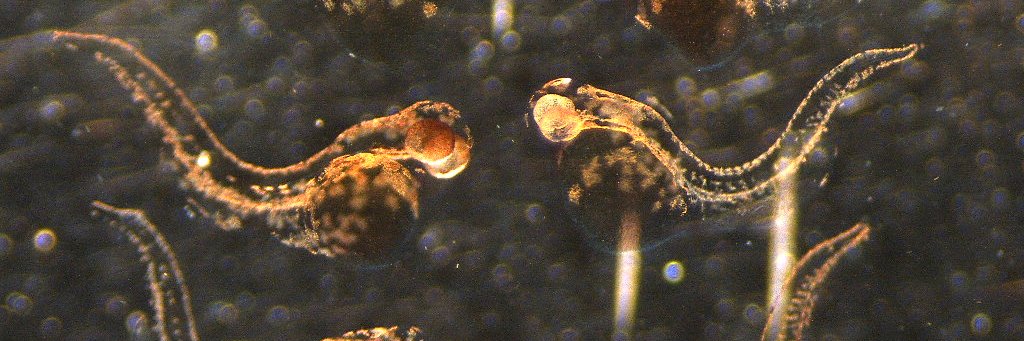
El peligro de pretender manejar la fauna silvestre como si fueran mascotas. La miasis furuncular de estos monos es una afección natural, causada por la larva de una mosca. Claro que les causa incomodidad y en algunos casos posiblemente hasta problemas serios de salud. Pero..
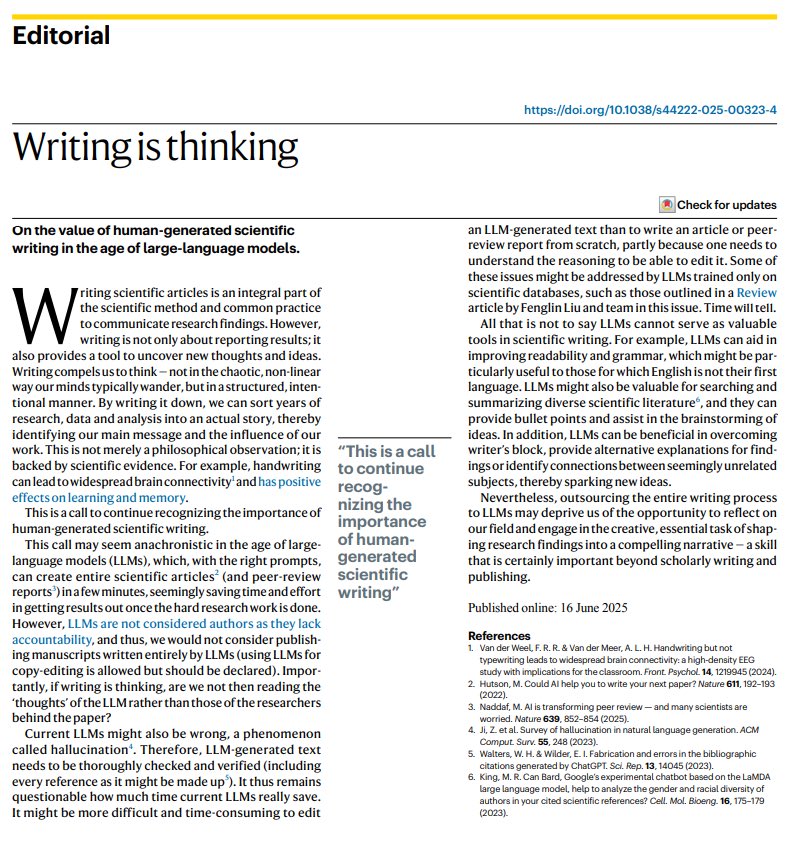
"Escribir es pensar". Escribir nos obliga a pensar, no de forma caótica y desordenada, sino de manera estructurada e intencionada. Es una herramienta para descubrir nuevas ideas. https://t.co/N8o8zVvsnE
¿Cuál es el mayor reto al que se enfrenta la educación superior?
“Mi respuesta corta a la pregunta anterior es que el mayor desafío que enfrenta la educación superior es el colapso de su propuesta de valor. Las universidades deben demostrar de alguna manera -de forma clara, empírica y transparente- que valen la pena en tiempo y dinero, y hacerlo en un mundo donde el flujo de estudiantes se está reduciendo, los precios son altos y la señal del mercado laboral de que “un título = estar preparado” se vuelve cada vez más ruidosa e imprecisa.
Durante la mayor parte del siglo XX, esa propuesta de valor era bastante obvia y las universidades lo hacían excepcionalmente bien. Un título de cuatro años señalaba de manera fiable la preparación para la vida profesional y ofrecía una vía de acceso a la clase media. Las instituciones de educación superior no necesitaban justificar su modelo: ellas eran el modelo.
Los títulos también funcionaban como marcadores de progreso social y político. Ampliar el acceso a mujeres, minorías raciales y étnicas, y estudiantes de primera generación no era solo un proyecto económico, sino también un proyecto de derechos civiles. El crecimiento de la matrícula señalaba inclusión, movilidad y legitimidad institucional. La universidad no era solo un sistema de formación: era una parte vital de la promesa democrática de la posguerra.
Ese momento ha pasado, amigos.”
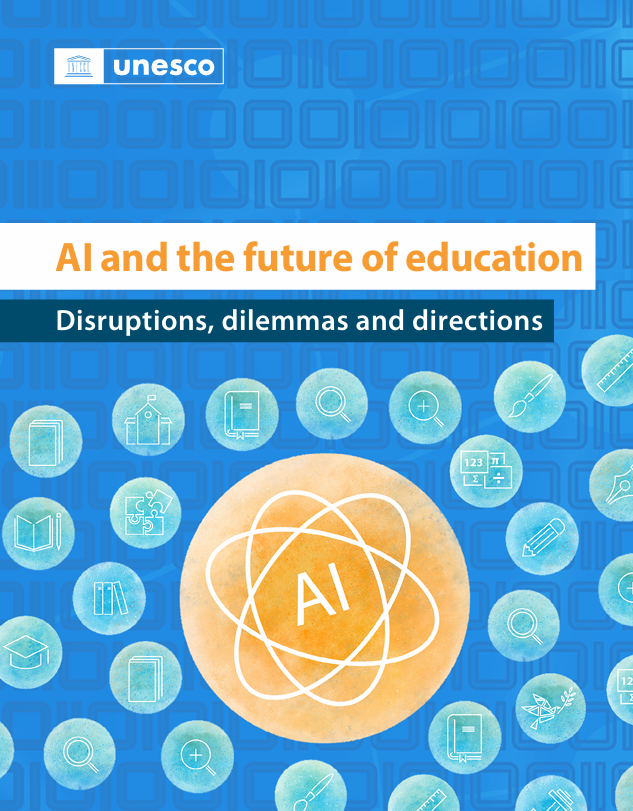
La @UNESCO_es ha publicado el informe AI and the Future of Education. Disruptions, dilemmas and directions (2025).
No es un texto para leer en diagonal ni una lista de recomendaciones rápidas. Es más bien una advertencia tranquila. La IA no entra en educación solo como un conjunto de nuevas herramientas, sino como un amplificador de tensiones que ya estaban ahí y que ahora se vuelven imposibles de seguir ignorando.
El informe insiste en algo que llevo tiempo observando en centros y universidades. El problema no es tanto la velocidad tecnológica como la asimetría entre innovación técnica y capacidad pedagógica para absorberla.
La IA avanza más rápido que nuestra manera de pensar el aprendizaje, la evaluación y la responsabilidad educativa.
Hay varias ideas que merece la pena subrayar.
- La primera es que no basta con formar en el uso de la IA. Si no se rediseñan tareas, criterios y evidencias de aprendizaje, la formación se queda en la superficie y acaba siendo cosmética.
- La segunda es que la equidad no se resuelve simplemente dando acceso a herramientas. Se juega en las condiciones reales de aprendizaje y, sobre todo, en que el criterio pedagógico no se delegue, aunque técnicamente sea posible hacerlo.
- La tercera es quizá la más incómoda. Si no repensamos qué evaluamos y por qué, la IA no va a “romper” la educación, pero sí puede vaciar de sentido muchas prácticas que ya estaban agotadas antes de su llegada.
La UNESCO no propone prohibiciones ni soluciones mágicas. Plantea dilemas. Gobernanza, ética, agencia humana, rol del profesorado, sentido del aprendizaje en contextos cada vez más automatizados. Y ahí está, para mí, el verdadero valor del informe. Obliga a parar y a pensar antes de reaccionar.
Leyéndolo, es difícil no ver la necesidad de marcos que ayuden a tomar decisiones con calma y criterio en los centros. No para decidir por nosotros, sino para ordenar el análisis antes de actuar. En ese plano encaja el SEIA, como una forma de trasladar a contextos reales muchas de las preguntas que el informe plantea a escala global: qué diseñamos, qué evaluamos, qué responsabilidad asumimos y qué decidimos no delegar.
El futuro de la educación con IA no se juega en la herramienta, sino en el diseño. En cómo distribuimos la responsabilidad. En qué seguimos exigiendo al estudiante. Y en qué decidimos no delegar, aunque sea técnicamente posible.
Si quieres acceder al informe completo, escríbeme “UNESCO” en los comentarios y te paso el enlace de acceso.
Leerlo no resuelve el problema. Pero ayuda a formular mejor las preguntas. Y ahora mismo, en educación, eso ya es mucho.
#edtech #UNESCO #IA #AI
Imagina que tu hijo/hija quiere ser futbolista, pero no tiene las habilidades necesarias y no mete goles ni juega bien, así que cada vez le hacen la portería más grande para que meta goles y no “fracase”. Pero entonces llega el día del partido de verdad, la portería es como es y recibe algo llamado realidad.
Es lo que está pasando en la “educación” escolar en España ahora mismo.
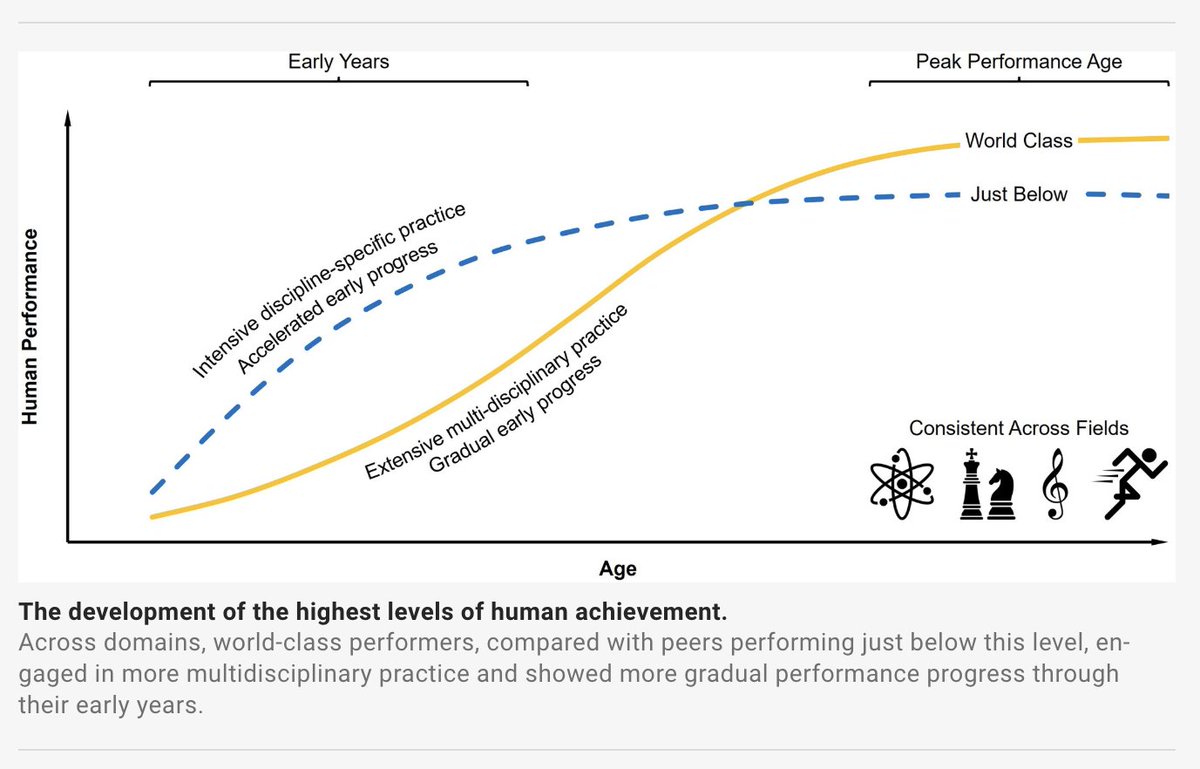
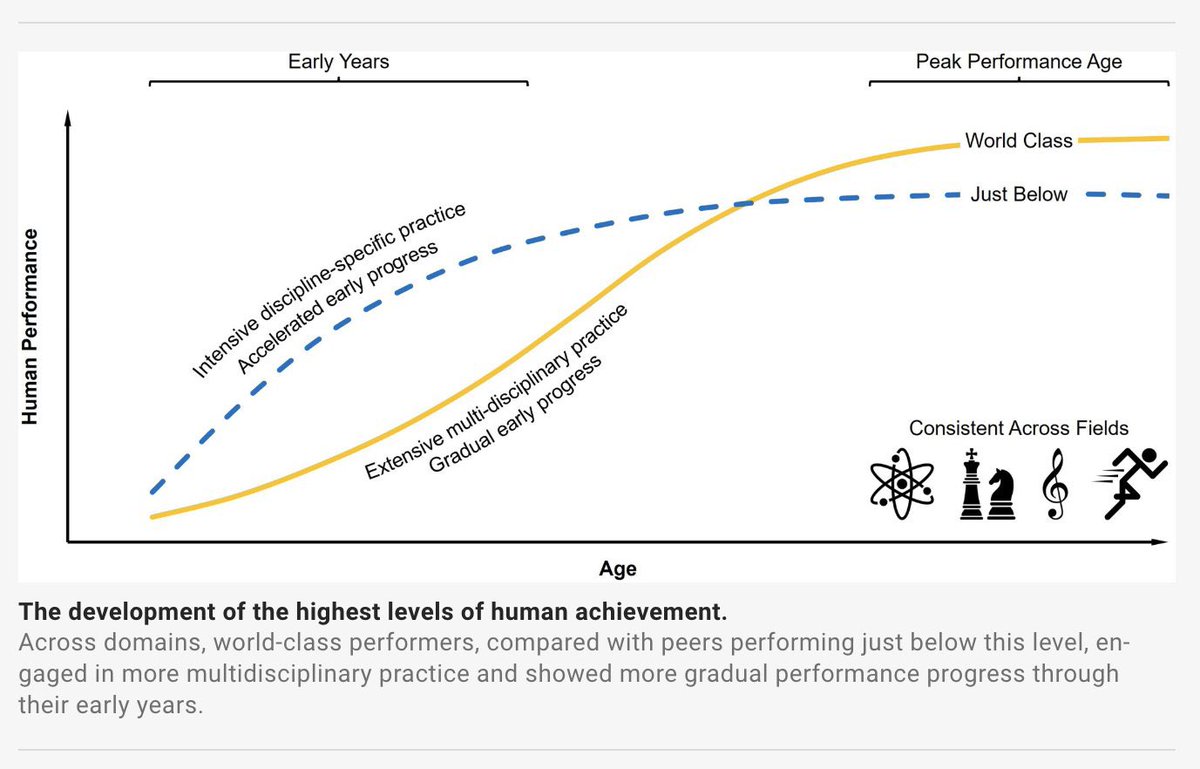
A massive new study on peak performance included 34,000 international top performers: Nobel laureates, renowned classical music composers, Olympic champs, and the world’s best chess players. It shows early specialization is a trap, and the road to greatness is long and varied.
Fascinating paper just published in Science.
The authors analyze the career trajectories of top performers across multiple domains, including Nobel laureates, elite chess players, Olympic gold medalists, and more.
Their central finding challenges a common belief.
Intensive, single-discipline training at a young age does confer an early advantage, but this advantage fades over time.
By contrast, individuals exposed to multidisciplinary practice early in life tend to start more slowly. Yet, over the long run, they are more likely to reach world-class performance, eventually overtaking early specialists, who often plateau just below the very top.
An important reminder that breadth early on can be a powerful investment in long-term excellence.
Link to the paper in the first reply.
Por esta y muchas razones. El aborto debe ser un derecho. No existe argumento válido para obligar a una niña de 10 años dar a luz un bebé de un señor de 45.
📢 Fuerte sismo en la ciudad de Bogotá, es clave actuar con calma y seguir estas recomendaciones. Aquí te contamos qué hacer. 🧵👇 #GestiónDelRiesgo#Sismo
Hoy es 17 de mayo, Día Internacional contra la Homofobia, Bifobia y Transfobia, un día para defender el amor, la dignidad y la vida. Hace apenas 35 años, la OMS dejó de considerar la homosexualidad como una enfermedad. Aún hoy, en 64 países es ilegal y en 12 hay pena de muerte.
Ahora ronda en TikTok una guía de los “peores decepciones de Europa” y como esta debe ser la única red social tóxica, es nuestro deber debatirla.
Así que ven, que vamos a defender a la Torre Eiffel, la Sirenita y hasta al pobre Manneken Pis.
Abro hilo.
🔽
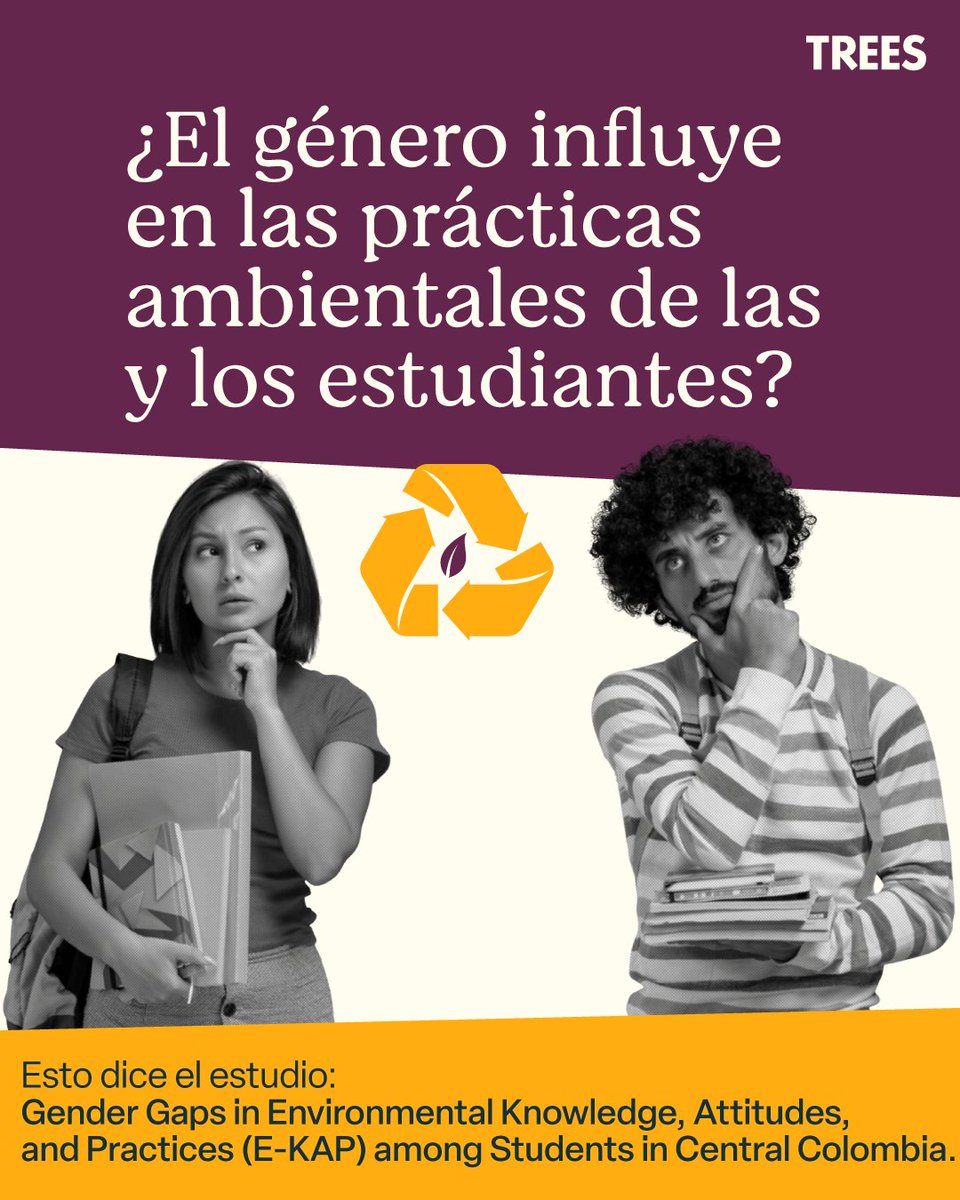
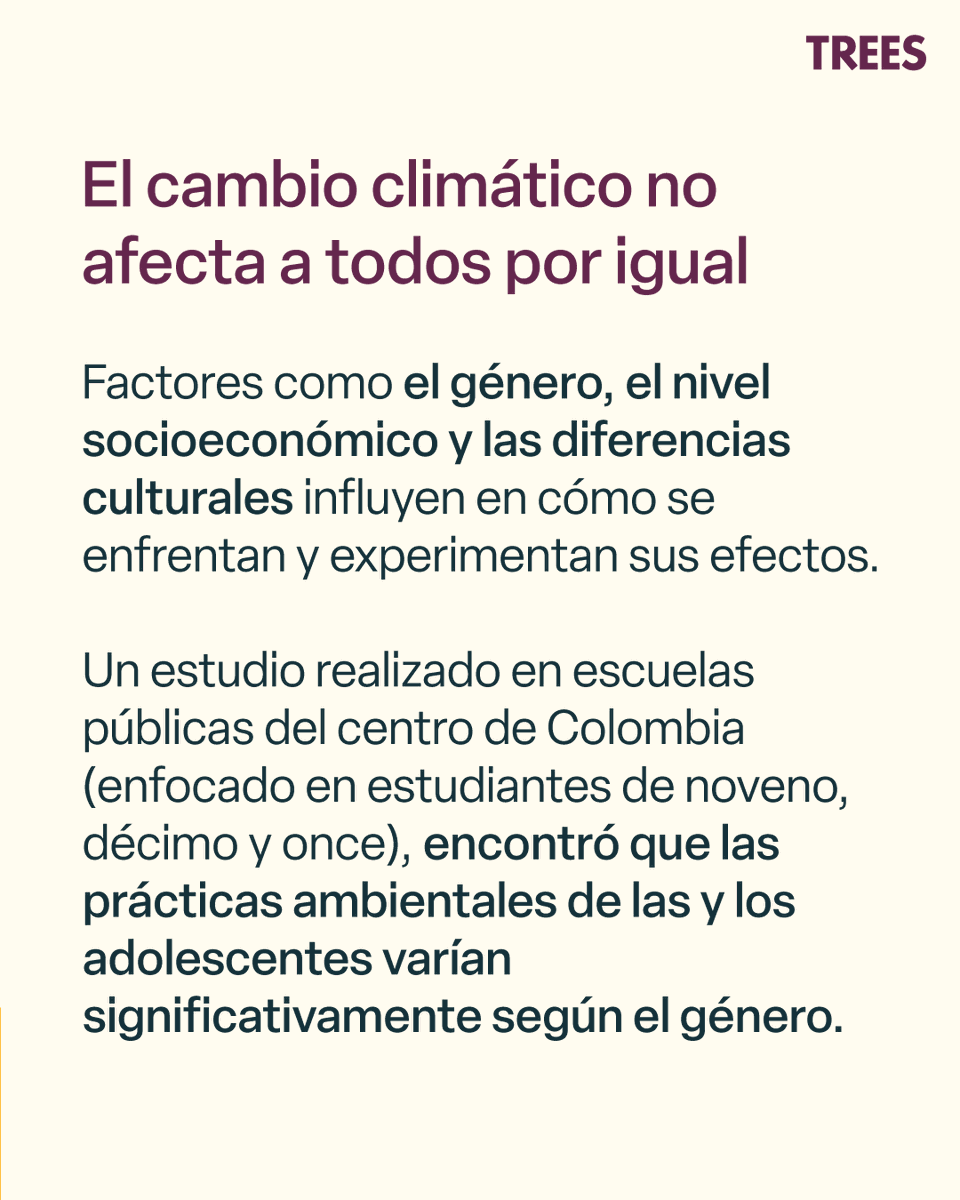
Esto dice el estudio “Gender Gaps in Environmental Knowledge, Attitudes, and Practices (E-KAP) among Students in Central Colombia” de @jccardenas1965@sandraguilar, Galindo Pardo, C, Rodríguez Arenas, J y Vlasak González, D. (2024). Conoce más: https://t.co/Zs4O7MeHc5