Some theories about Alaska’s fisheries are a little out there. 🛸
Fisheries management isn't one of them. Catch limits, observer coverage, and scientific stock assessments help guide decisions about Alaska’s fisheries.
Get the facts: https://t.co/x9rR1dVUvU
Commercial fishing supports more than the people working on the water. From processing facilities and fuel docks to local businesses, around 16,000 Alaskan jobs depend on the industry.
Shutting it down would put those jobs, paychecks, and the communities that rely on them at risk.
Check out: https://t.co/yhI53sKyIb
The benefits of Alaska's pollock fishery extend far beyond the boats catching the fish. Across Western Alaska, 65 communities have a financial interest in the industry's success, supporting local economies and creating opportunities in places where they're needed most.
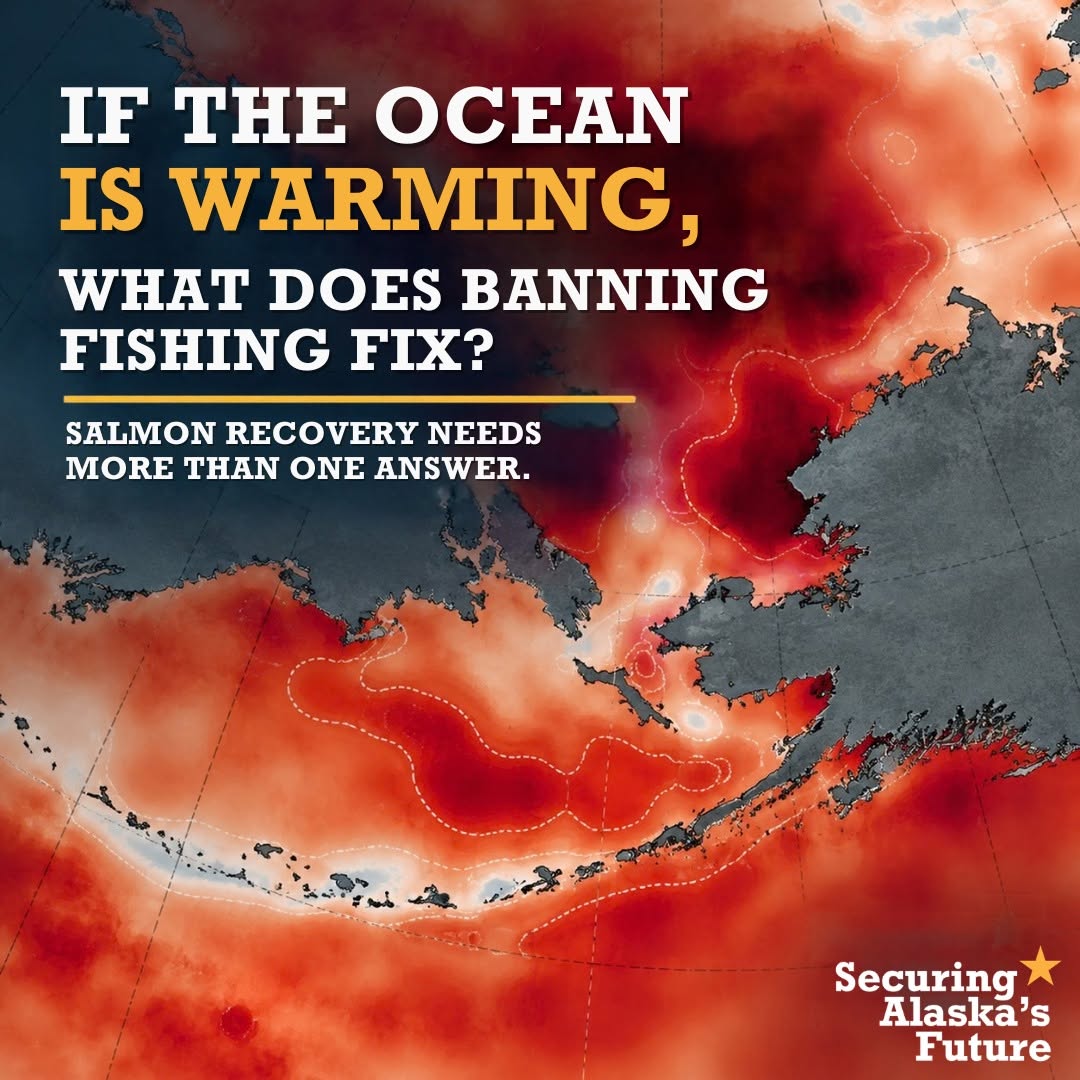
There's no single explanation for declining salmon returns, and there won't be a single solution.
From warming ocean temperatures to changing habitats and marine conditions, salmon face challenges that extend well beyond commercial fishing. Addressing those challenges requires understanding what's happening throughout the ecosystem.
Pointing fingers at one fishery won't reverse those trends. Science-based management and a broader approach to salmon recovery offer a better path forward.
Alaska's salmon deserve more than a convenient explanation.
You can't prescribe a blanket ban and expect Alaska's fisheries problems to disappear. Sweeping restrictions could create a whole new set of challenges for the workers, families, and communities that rely on commercial fishing. Alaska needs solutions that address the problem without creating more of them.
Policies that sound good on paper can have real consequences for Alaska's fishing families, coastal economies, and seafood industry. Before pushing for zero bycatch, we need to understand the full cost. The fine print matters.
Commercial fishing does more than create jobs in Alaska. It provides steady paychecks that help families cover everyday expenses, put down roots, and build a future in the communities they call home.
Not every fish hitting a net has to end up on deck.
Salmon excluders give salmon a way to escape from pollock fishing nets underwater, helping fishermen reduce bycatch before the pollock are brought aboard.
It's one example of how Alaska's fishing industry is using gear improvements, research, and monitoring to reduce its impact on salmon populations.
Apparently commercial trawling is now to blame for mosquitoes, early termination dust, moose in the garden, and trucks that won’t start at 20 below.
Salmon declines are no joke, but the causes are complex. Ocean conditions, habitat changes, and other environmental pressures all play a role. Pointing fingers at one industry might make for an easy headline, but it doesn't tell the whole story.
Alaska's fisheries deserve facts, not fiction.
There's a lot more to managing Alaska's fisheries than what you see on social media.
Catch limits, onboard observers, and monitoring technology all help keep fishing operations accountable.
How much fish can be caught is set by scientific stock assessments, not by how many likes a post gets.
Behind every commercial fishing job is a household counting on that paycheck. Commercial fishing keeps the lights on, pays the mortgage, and supports thousands of Alaskans working to build a future here.
Pollock bycatch impacts less than 1% of Western Alaska's chum salmon returns. So what’s driving the rest of the decline?
Ocean conditions, habitat changes, and preditor/prey interactions all play much more significant roles in salmon declines.
Bringing salmon back means looking at a full picture and following the science.
https://t.co/4XwKdq2j7l
There's a lot of science behind what happens on Alaska's pollock fishing boats.
From stock assessments that help determine catch limits to onboard observers and monitoring technology that track fishing activity, the fishery operates under rules designed to protect fish populations and keep the industry accountable.
Fishermen use these measures firsthand every day. Their experience, alongside scientific research and reliable data, deserves a place in conversations about the future of Alaska's fisheries.
Changing ocean temperatures, habitat conditions, food availability, and competition all affect how many salmon survive and return to Western Alaska's rivers.
We need to keep working to reduce bycatch while also addressing the bigger challenges facing salmon populations. Real progress means understanding the full picture and making decisions based on the science.
https://t.co/UZyGLPjvnd
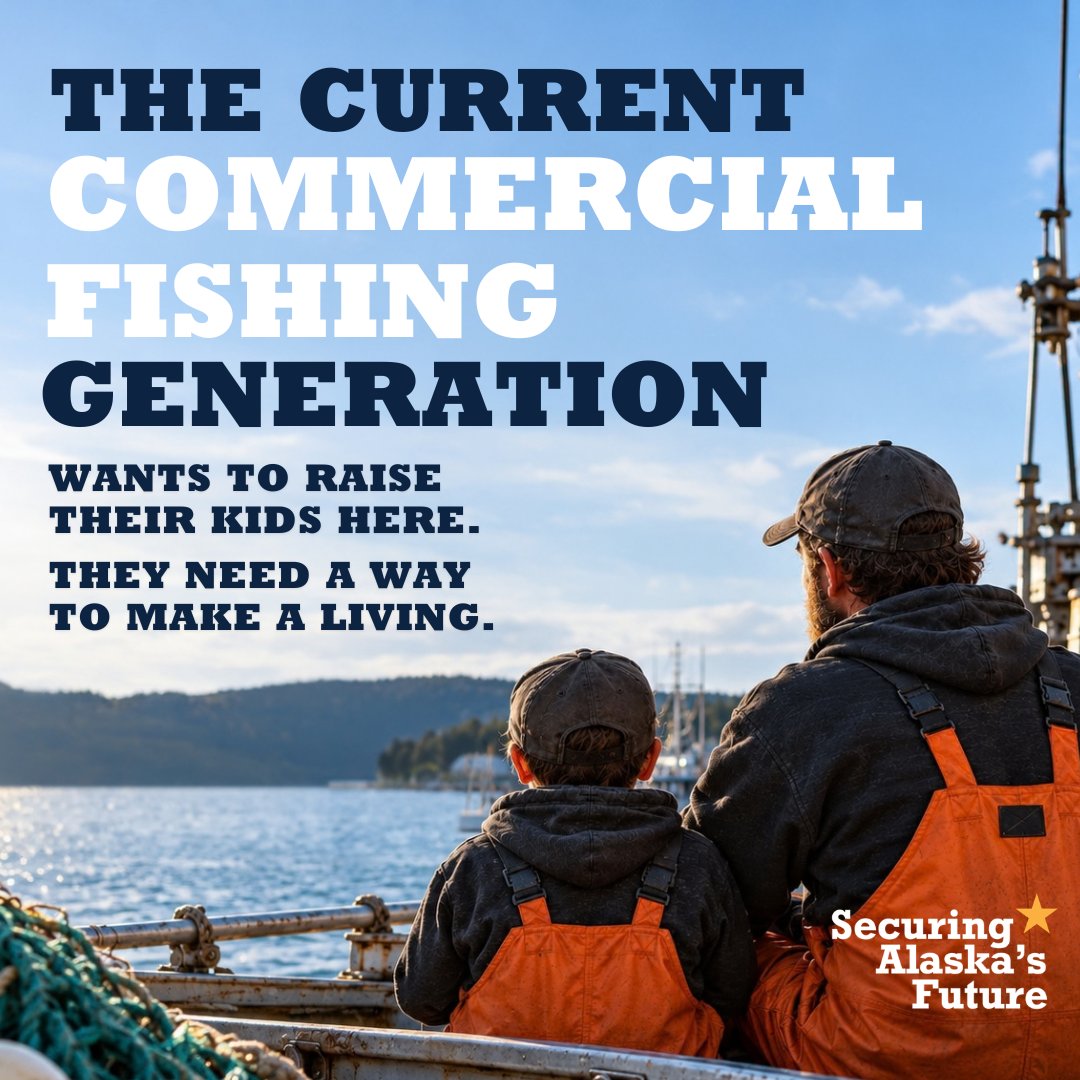
For Alaska's next generation of fishing families, the dream isn't to leave. It's to build a future here.
Fishing is more than a paycheck. It's how families put down roots, raise their children, and keep coastal communities thriving.
Alaska's seafood industry generates approximately $1.5 billion in annual labor income, supporting livelihoods and opportunities across the state.
A future in Alaska should be something families can build toward.
Learn more at https://t.co/2kzBChpzeS
Less than 1.5% of the Alaska pollock catch is other species. That number comes from strict rules, onboard observers and constant monitoring. It's no accident. https://t.co/1KeOV6lbgy
Alaska families shouldn't have to leave home to find work.
For generations, commercial fishing has given Alaskans a way to earn a living, raise their kids, and stay in the communities they grew up in.
For the next generation, having those same opportunities matters just as much.
Alaska families shouldn't have to leave home to find work.
For generations, commercial fishing has given Alaskans a way to earn a living, raise their kids, and stay in the communities they grew up in.
For the next generation, having those same opportunities matters just as much.
Learn more at https://t.co/2kzBChpzeS
Salmon recovery won't come from blaming a single fishery.
Warming oceans, changing marine conditions, and habitat challenges all play a role in current salmon returns. Focusing on one cause for any issues ignores the bigger picture and distracts from solutions capable of making a difference.
Alaska's pollock fishery is already subject to stock assessments, monitoring, and regulations. Protecting salmon means addressing the full range of challenges, not reducing a complex issue to a single talking point.
Salmon deserve solutions, not scapegoats.
Salmon matter to Alaska.
They put food on family tables, support fishing jobs and businesses, and sustain communities and traditions across our state.
When salmon returns decline, Alaskans deserve more than assumptions about why. We need good science, serious research and a clear understanding of what’s happening in our rivers and oceans.
Because protecting Alaska’s salmon — and the people and communities that depend on them — starts with getting the facts right.
Kodiak Mayor Terry Haines is describing what is at stake for coastal communities. Alaska's seafood sector generates $5.2B in annual output. Take away one part of it and the effects reach families, processors, and local businesses.
Hear it from the people who live it. https://t.co/UAvnmovPhU