Not everyone deserves access to your time, energy, or emotional availability. Boundaries are recognising that your energy is valuable. Sometimes healing looks like no longer responding to what keeps costing you too much
#SelfLoveAfterAbuse#Boundaries
Right now it may feel overwhelming. Like everything is too much, too heavy, or too uncertain. You dont need to have every answer. You dont need to fix everything at once. You only need to focus on the next step. You can get through this. One moment, one choice, one day at a time
Sleep deprivation is a common control tactic in abusive relationships. Some narcissistic partners wake you early with unnecessary demands, create drama, start arguments when you need rest, or ignore your need for sleep altogether.
#SelfLoveAfterAbuse#NarcissisticAbuse
Resentment often builds when your needs are repeatedly overlooked or dismissed. Boundaries are not about pushing people away they are about protecting your energy, your time, and your emotional wellbeing.
👉 Ready to heal? Book your free consultation comment FREE
Boundaries are not something you earn, they are something you have. The people who respect you will respect your limits. The people who don’t often reveal themselves when those limits are set. You don’t need to shrink your boundaries to keep someone in your life
Some dynamics are designed so you cannot “win.” No matter what you choose, it’s criticised, dismissed, or turned against you. Over time, this can leave you second-guessing yourself, feeling like everything you do is wrong. This isn’t confusion. it’s control.
After abuse, connection can feel unsafe. Your mind may stay on high alert, scanning for danger, even in situations that are calm or healthy. Healing is not about forcing yourself to trust again quickly. It’s about slowly learning what safety feels like, at your own pace
Baiting is designed to get a reaction from you. They push your triggers, say things they know will hurt, or bring up sensitive topics and when you respond, they act innocent or accuse you of overreacting.
#SelfLoveAfterAbuse#EmotionalAbuse
If someone repeatedly confuses you, hurts you, avoids accountability, & makes you feel like the problem, that’s not a safe connection. You are allowed to step back from people who disrupt your peace, even if they don’t understand why
#SelfLoveAfterAbuse#NarcissistAbuseRecovery
Deflection is a common tactic used by abusive people to avoid accountability.
Instead of addressing their behaviour, they shift the focus. When the conversation constantly moves away from the real problem, it’s often a sign of deflection
#SelfLoveAfterAbuse#Deflection
One of the hardest parts of setting boundaries is accepting that not everyone will like them. People who benefit from having unlimited access to you are often the ones most upset, womeone’s reaction does not determine whether your boundary is valid
#SelfLoveAfterAbuse
Sleep deprivation is a subtle but powerful form of control. When someone repeatedly disrupts your sleep through noise, arguments, or demands, it can leave you exhausted, emotionally overwhelmed, and less able to think clearly
#SelfLoveAfterAbuse#SleepDeprivation
Abuse is often disguised as love, care, or protection, but when someone consistently controls, manipulates, or uses you for their own benefit, that isn’t love
👉 Ready to heal? Book your free consultation comment FREE
#SelfLoveAfterAbuse#HealthyRelationships
Holding an abusive person accountable often triggers hostility. Instead of reflecting on their behaviour, they may attack, belittle, or attempt to undermine the person challenging them. This shifts the focus away from their actions
#SelfLoveAfterAbuse
Being hurt does not give someone the right to hurt others. Many people carry deep wounds and still choose kindness, accountability, and growth. Understanding someone’s pain can create empathy, but it should never require you to tolerate abuse.
#SelfLoveAfterAbuse
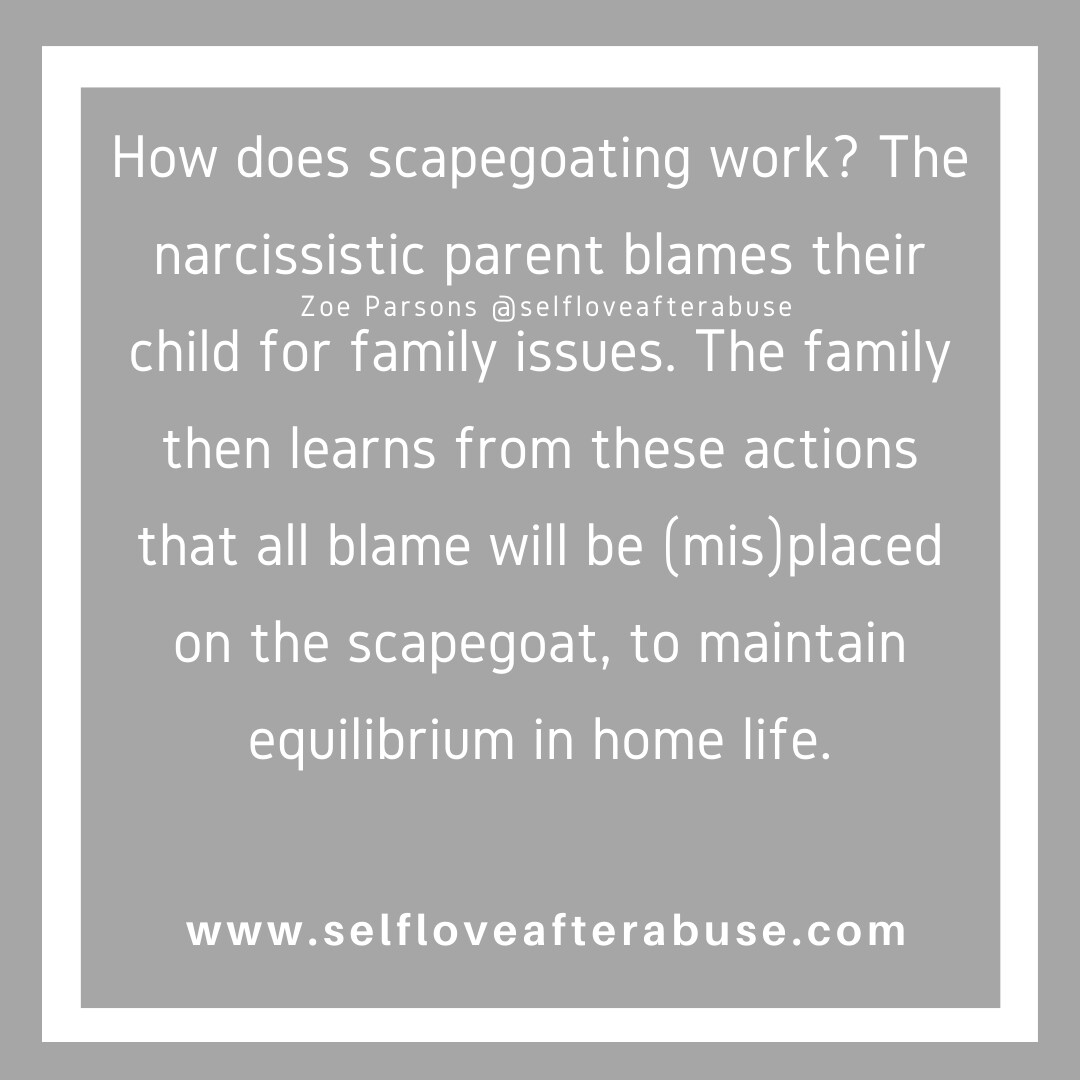
In dysfunctional or narcissistic families, one person is often assigned the role of the “scapegoat.” They become the person blamed for problems, tension, or conflict. Recognising the pattern is often the first step toward healing
#SelfLoveAfterAbuse
After a period of distance, many abusers try to pull you back in. This can look like apologies, promises to change, declarations of love, or sudden kindness but real change is shown through consistent actions over time
#SelfLoveAfterAbuse#NarcissisticAbuse
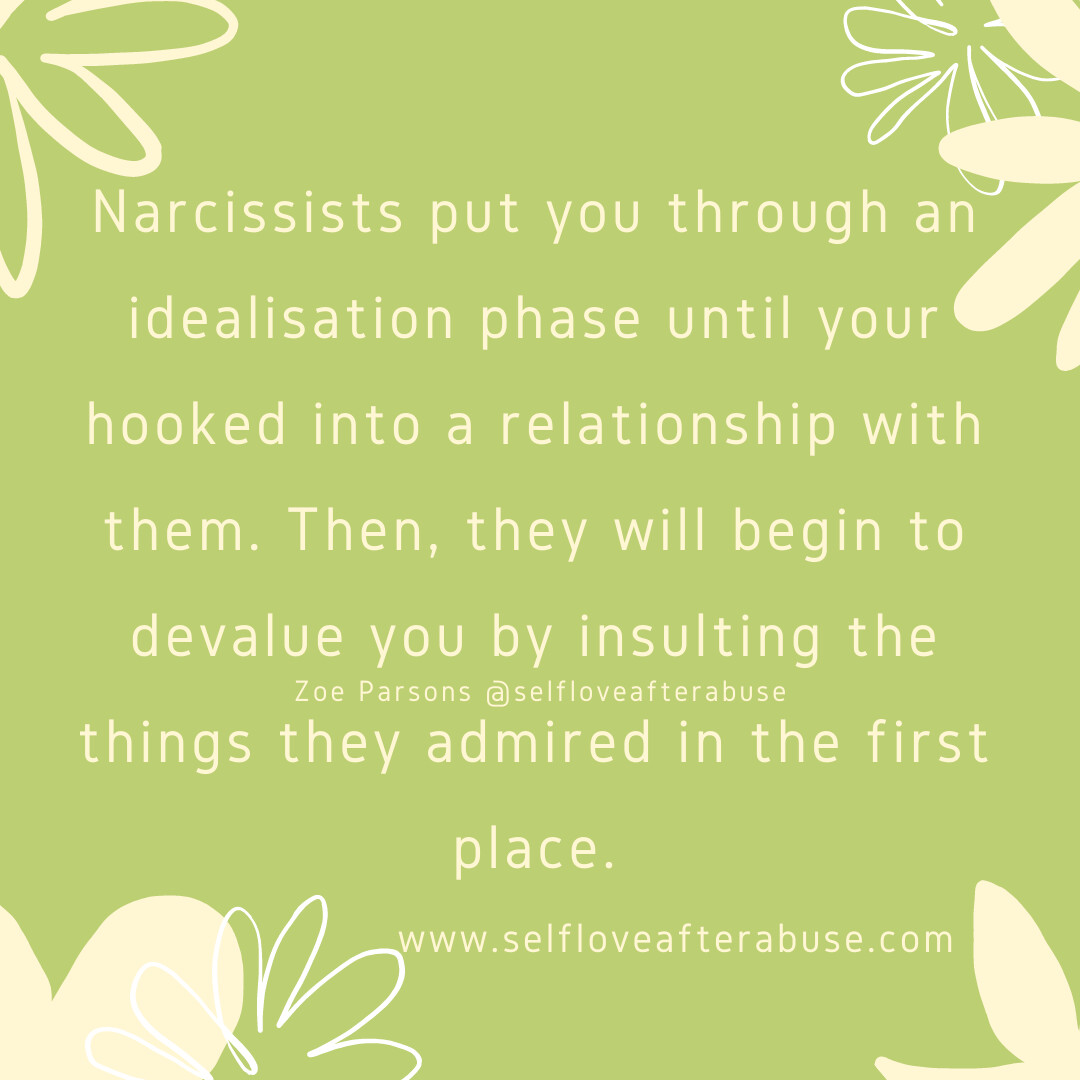
Many abusive relationships begin with intense admiration and attention. The very qualities they once praised can later become the things they criticise or belittle. This is confusing by design and recognising it is an important step toward breaking free.
#SelfLoveAfterAbuse
Trust and honesty are foundations of a healthy relationship. When someone is consistently secretive, evasive, or avoids direct answers, it can slowly erode your sense of security and clarity.
#SelfLoveAfterAbuse#RelationshipRedFlags
Healing after abuse can sometimes feel like starting over but you are not the same person you were before. Every step forward, even the difficult ones, is part of rebuilding a life that is safer, wiser, and more aligned with who you truly are.
#SelfLoveAfterAbuse