Evolutionary and Behavioural ecologist. @museuciencies. EIC of @MCNB_ABC. Working on the effects of Global Change on the ecology and evolution of different spp.
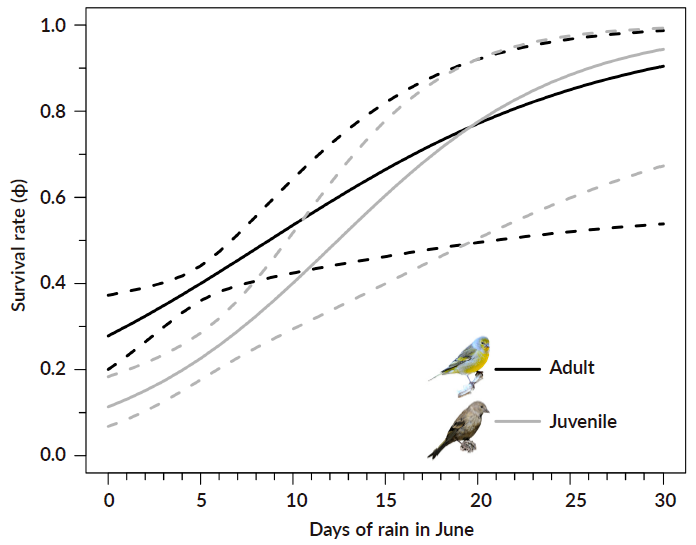
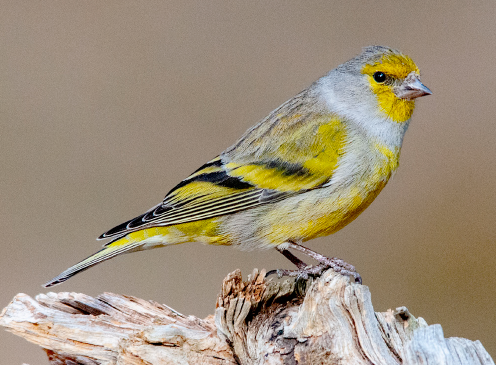
#NEWPAPER Meteorological conditions can serve as proxies for climate change. Fewer rainy days in June reduced Citril Finch survival, and λ < 1 when rainfall fell below ~7 days — signalling population decline. https://t.co/dMubyhqljW
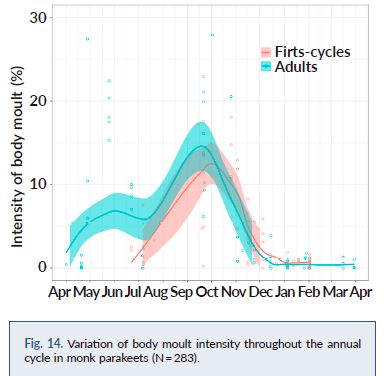
#NEWPAPER: Now we can accurately age Monk Parakeets as juveniles by the absence of emargination in Primary 9. We provide a simplified protocol for aging Monk Parakeets for field use. Additionally, we show that the mean moult duration was 168 days. 👉https://t.co/vuJkgxqh1t
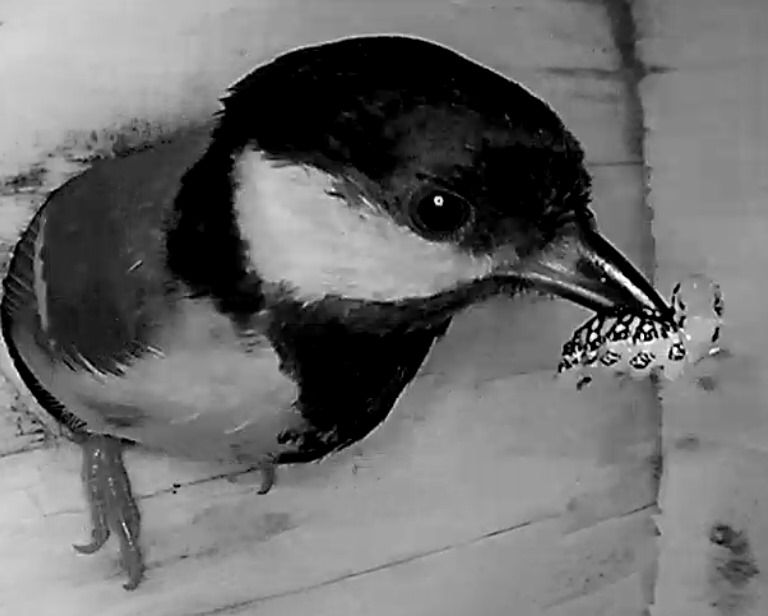
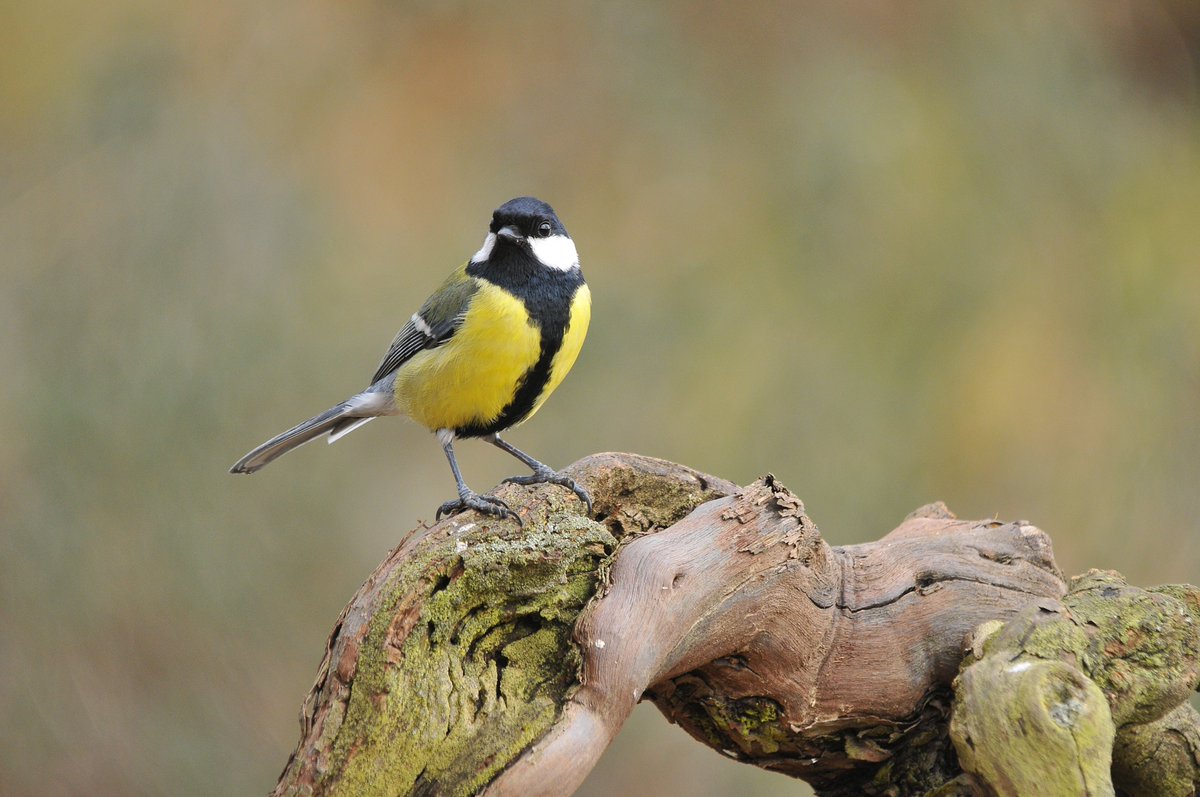
NEW PAPER from our group: No evidence for the 'early learning of the foraging niche hypothesis'; adult Great Tits feed their chicks a diet different from what they themselves experienced as nestlings. ➡️ https://t.co/61XvvoAsbp #diet#foraging
🔊🔊🔊Tenemos una noticia importante que daros: ya está disponible la información de nuestro curso ‘Aproximaciones actuales en ecología evolutiva’.
Podéis ver los detalles aquí: https://t.co/4wmIdxqUd7
Se ruega la máxima difusión!!
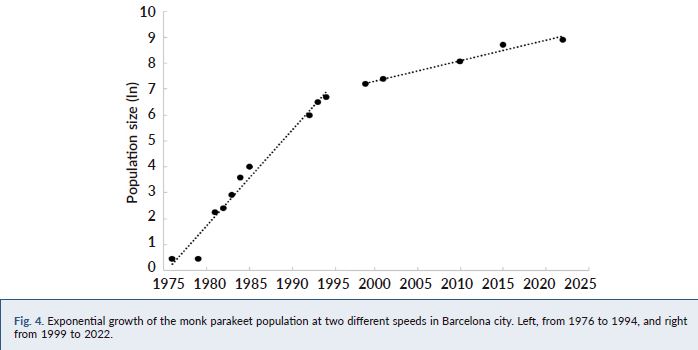
#NEWPAPER: Resurveys of monk parakeet abundance in Barcelona (1976-2022) reveal two phases of exponential growth and spatial expansion following a diffusion model. https://t.co/UZPJil2RW0
@museuciencies#invasivespecies
Very proud to be part of the editorial team of @MCNB_ABC, a #DiamondOpenAccess 💎 journal that prioritizes scientific rigor and the dissemination and universal access to science. @museuciencies @macgregorfors
We are excited to announce that our journal @MCNB_ABC has received an #ImpactFactor of 1.0 for 2023 (Q3). The 2023 Scimago Journal Rank is 0.42 (Q2). Thanks to our Editors-in-Chief @SenarJC and @macgregorfors, Associate Editors and authors for being part of this achievement.
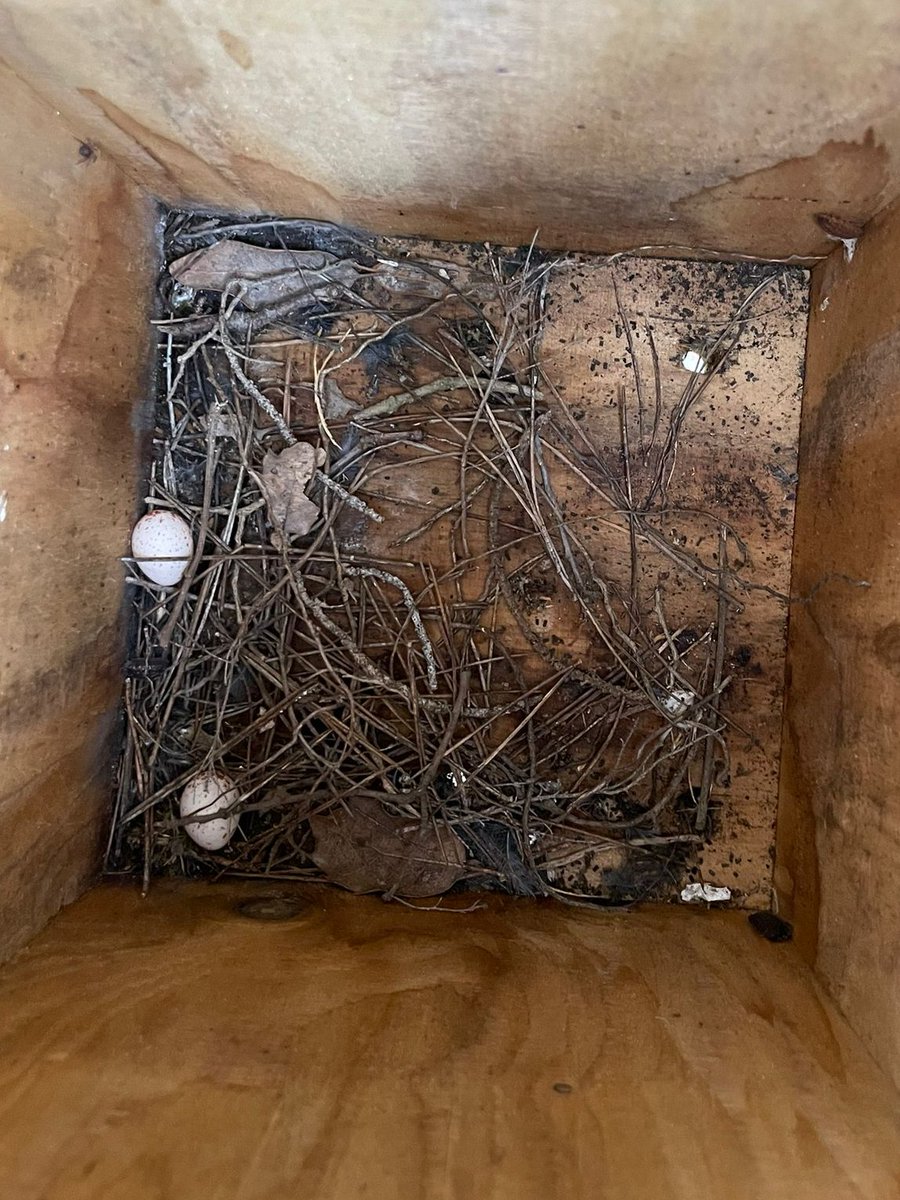
The law of least effort! Two Great Tit eggs found on a nest with very little material. Let's see if it stays that way or continues... @museuciencies#CanCata
According to 2023 Scimago Journal and Country Rank (SJR), @MCNB_ABC has moved from Q3 to Q2, both within Animal Science and Zoology and Natural and Landscape Conservation categories. The SJR (Scimago Journal Rank) also increases, from 0.332 to 0.418. https://t.co/ITinFPxTGW
Happy to share a #NEWPAPER unveiling how the Blue tit species interprets dominance cues (like tie size) from the Great tit, ultimately benefiting itself. A groundbreaking discovery of interspecies signalling I'm proud to have contributed to! @museuciencies
New @museuciencies study! Blue tits use info from other bird species' dominance signals (the size of great tit's black tie) to adjust their behavior to defend the nest. Our findings suggest interspecific status recognition for the first time #birdbehavior https://t.co/3aYKR1z2xx
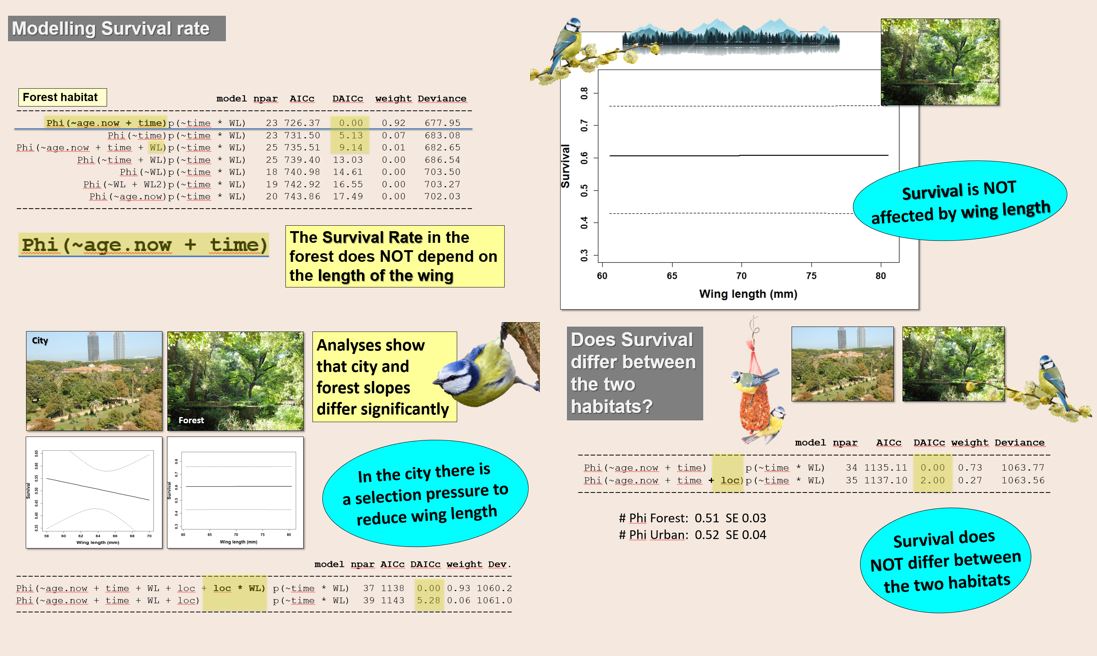
1/6 #BOU2024#SESH3. In recent years, it has been found that birds from urban environments have shorter wings than those from forest. However, the key is to determine whether these changes result from plastic responses or adaptive evolution. #ornithology#museuciencies
6/6 #BOU2024#SESH3. We can conclude that changes in wing length in urban Blue tits resulted from evolutionary change through natural selection for survival, and that this selection is ongoing. The data emphasizes that evolutionary change may proceed very rapidly.
5/6 #BOU2024#SESH3. In the forest, Blue tit survival is not affected by wing length. Analyses showed significant differences in slopes between city and forest habitats. Survival rates did not differ between the two habitats. #urbanization
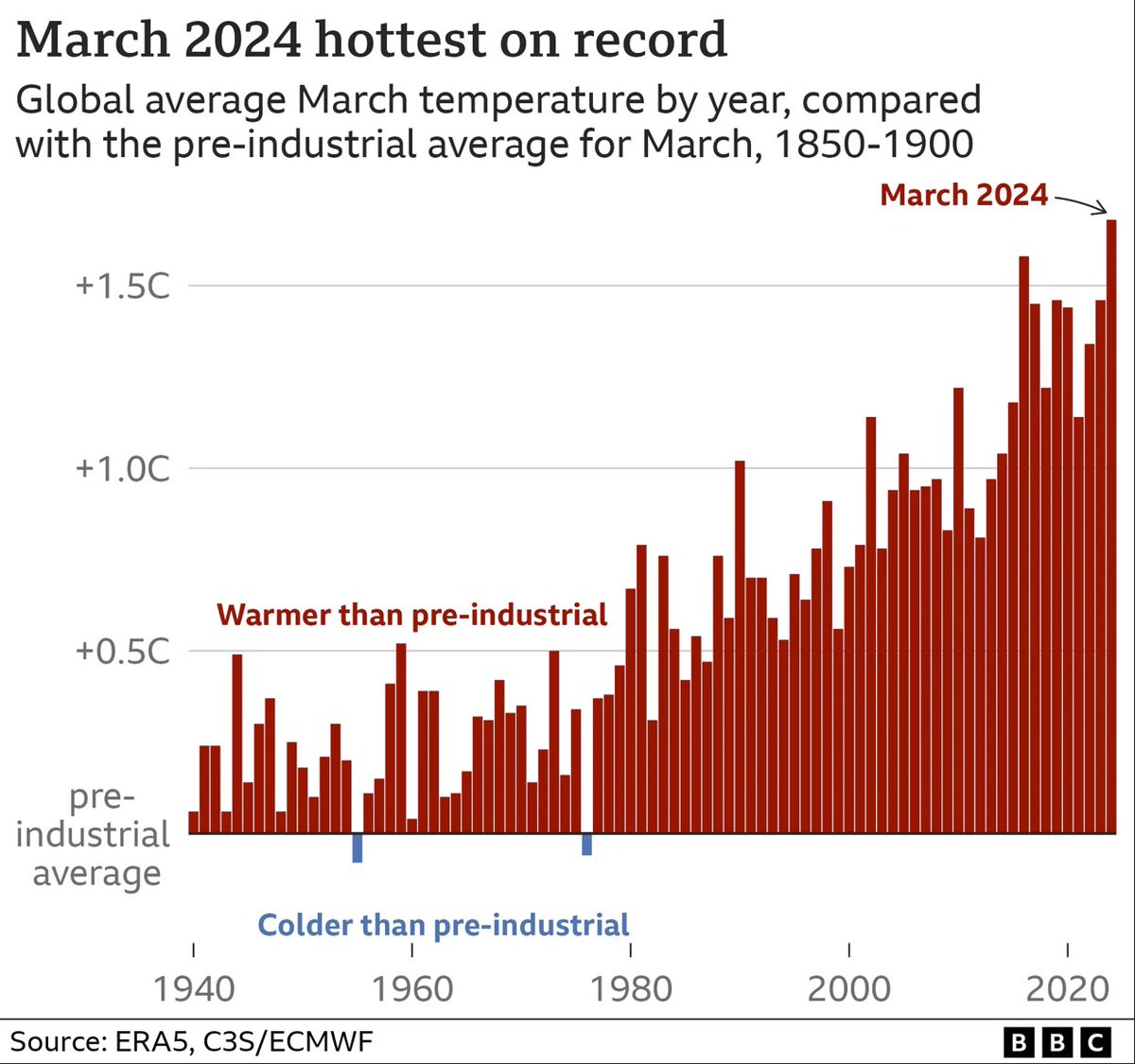
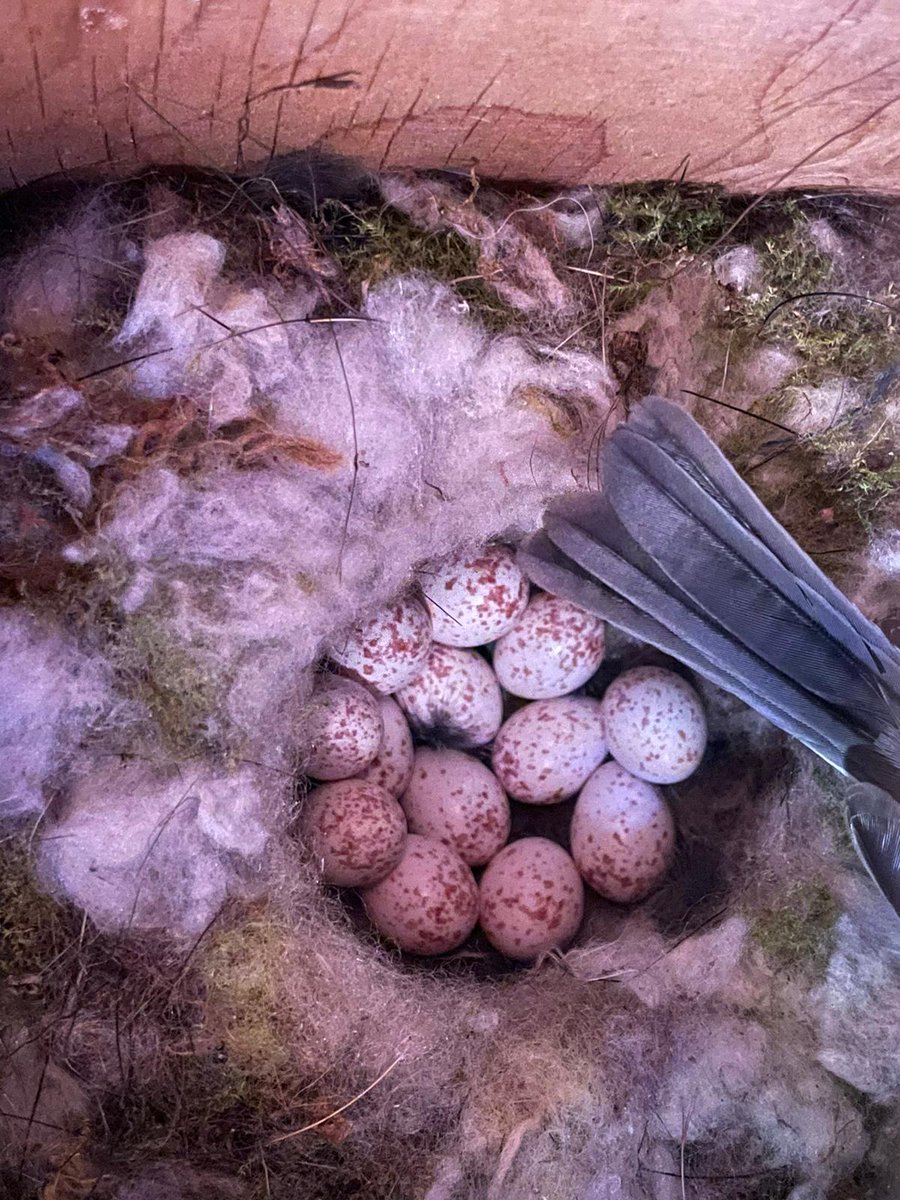
Continuing with the anomalies! Meanwhile, temperatures are higher than ever before, we observed a rare clutch size of 13 eggs in the Great tit. This clutch size is completely exceptional in the Mediterranean area, marking the first time we've recorded it in our 26-year study.
The breeding season of tits in #CanCata field station in Barcelona is progressing faster than ever in the over 25 years we've been studying it. As of today, we've already found 14 Great tit nests and 2 Blue tit nests with eggs. #ornithology@SPIbirds@museuciencies