DO NOT POST IN REAL TIME
- Tag the restaurant when you leave.
Not while you're eating.
- The photo goes up after the flight.
Not from the seat.
- Show the hotel once you've already left. Not while you're sleeping there.
- Not everything has to be live.
Not everything needs an audience.
- The internet doesn't need to know where you are, who you're with, or what you're doing in real time.
- Protect your energy and what's still taking shape.
- Live first, post later. The moment is yours, only
There’s a guy in my neighborhood who washes his car every single evening at 6 :00 PM sharp. It doesn't matter if it rained or if the car is already clean—he is always out there with his bucket and sponge.
I used to wonder why he was so obsessed with a clean car, so yesterday I finally asked him.
He just laughed and told me, "The car isn't even dirty. I’m just here because this is the only 30 minutes of the day where nobody in my house is asking me for something."
I realized then that the bucket of soapy water is actually his peace , a "Do Not Disturb" sign.
I've been using Terraform for years. Let me tell you how it became the king of Infrastructure as Code.
Two decades ago businesses relied on physical servers from IBM, HP, and Cisco. Setting up these machines took weeks before you could deploy applications.
Then came virtualization. VMware and other tools let companies share computing resources across multiple operating systems on a single physical server. Server spin-up time dropped. But it added new problems.
Then AWS came. Changed everything. The age of cloud computing began. Microsoft and Google followed with Azure and Google Cloud.
Now spinning up a server takes minutes with just a few clicks. Creating a handful of servers became simple.
But a new problem came as businesses grew. The number of servers and their configurations grew like crazy. Manual tracking became impossible.
Here's what was broken. Manual work was full of errors and took forever. Recreating infrastructure after disasters was nearly impossible. No version control for infrastructure changes.
Dev and ops teams worked separately. Scaling needed physical hardware changes and took forever.
Environments changed over time. What should be same became different.
No visibility into what's running or what changed. Slow setup meant slow launches.
Then Infrastructure as Code solved everything. The idea was simple.
- Write infrastructure as code.
- Store it in Git.
- Track every change.
- Scale up or down easily.
- Use same code for different environments.
- Recover from disasters fast by running the code again.
- No manual errors.
- Dev and ops finally work together.
But which tool to use?
- AWS had CloudFormation.
- Azure had Resource Manager.
- Google had Deployment Manager.
- There was Pulumi too.
- All good options.
but Terraform won.
Hashicorp saw we needed one tool for all cloud providers. Simple to use. Easy to learn. It just fit the problem.
That's how Terraform became the name everyone knows for Infrastructure as Code.
Why Terraform won?
Works with all clouds. AWS, Azure, Google Cloud, everything.
Uses simple language called HCL.
Built in Go so it creates stuff in parallel. Very fast.
Idempotent means run same code many times, get same result. You can break it into modules. Small pieces. Manages dependencies automatically. Keeps track of what you built using state files.
Most companies use multiple clouds these days.
Terraform works with all of them. Same ideas.
Same way of writing. Just different providers.
Easy to write. Easy to understand.
I've been working with Terraform for years. I've seen teams struggle with CloudFormation's complex JSON files. I've seen others stuck with one vendor's tools. But Terraform?
It just works. You write your infrastructure once. Deploy it anywhere. That's what they promised. And it actually does it.
See it's not perfect. But it's the best we have. And it keeps getting better.
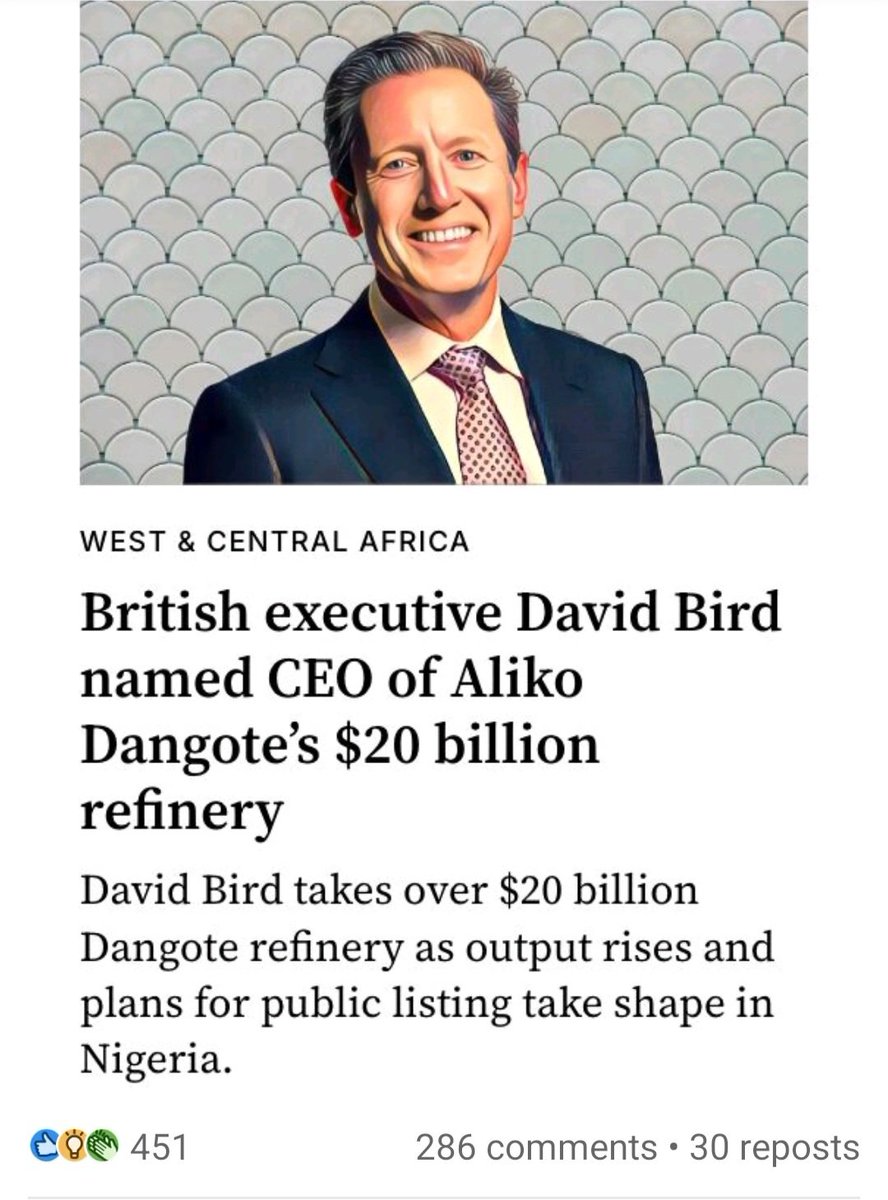
FOREIGN CEO “DEBACLE”: DANGOTE PETROLEUM
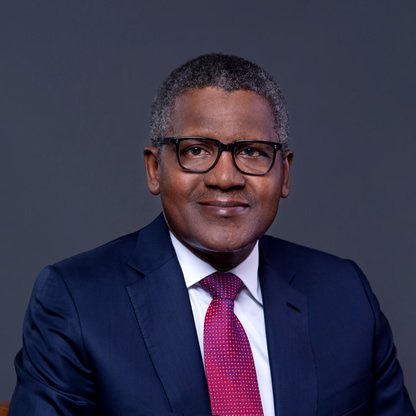
British national and former Shell executive David Bird was appointed CEO of Dangote Petroleum Refinery in July 2025 to lead operations, while Aliko Dangote remains Chairman overseeing the broader Dangote Group portfolio.
Ever since the announcement, countless debates, most of which I intentionally sat out, have circled around a single question:
Why would Africa’s largest private investment appoint a foreign CEO?
Here is what the headlines and sentiments are missing:
Many see a foreign CEO and assume it signals a lack of African capability.
WRONG!
Mega-refinery commissioning is one of the rarest executive competencies in the world. There are only a handful of people with demonstrated experience stabilising assets of this size, aligning them to global fuel standards and preparing them for listing.
This decision is not a reflection of a talent gap in Africa. It is a reflection of the technical scarcity of that exact skill set globally.
When the asset is worth $20bn, you choose technical certainty over symbolism. You stabilise the operation, build internal capability and plan for succession.
This is how the UAE, Qatar and Singapore built world-class industries.
The real question for Africa is not “why him”. It is “who is being prepared to take over”.
That is how long-term sovereignty is secured.
#AskAsanteOnBoards
From Unconscious Incompetence to Board Readiness: Why So Many Professionals Get Stuck
One of the most overlooked reasons professionals fail to break into board service is unconscious incompetence: the stage where you do not know what you do not know.
You may be brilliant in your career. You may even have held senior leadership roles. But board directorship is a different arena. It requires a mindset shift from doing to overseeing, from delivering results to holding management accountable for results.
And here lies the problem: most professionals underestimate the gap.
They assume their leadership success naturally qualifies them for the boardroom. They polish their CVs, put their names forward, and wait. But when the shortlist comes out, they are left asking: Why not me?
The answer is simple: unconscious incompetence.
What Boards Look For
-Boards are not just looking for strong leaders. They are looking for directors who can:
-Interpret financials with confidence, because financial literacy is non-negotiable.
-Understand governance frameworks and fiduciary duties, because oversight is a legal responsibility.
-Navigate boardroom dynamics, where influence, independence, and decision-making collide.
-Operate at the level of strategic oversight, not operational management.
Until you become conscious of these gaps, you cannot close them.
Moving to Conscious Competence
This is why we developed the Board Readiness Programme for Emerging Board Directors. It bridges the gap between professional success and board readiness. It takes you from not knowing what you do not know, to being equipped, credible, and boardroom ready.
Why Now Matters
Boards are under unprecedented pressure: shareholder scrutiny, ESG demands, regulatory complexity, and the relentless pace of disruption. They cannot afford unprepared directors.
This is your moment to position yourself, not just as a leader, but as a director.
Programme Dates
6 & 12 November 2025 | 11h00 – 16h00
Graduation: 21 November 2025
Exclusive Access
Participation includes invitation-only entry to the Global Governance Summit, convened in South Africa on the eve of the G20 Summit, bringing you into the room with global leaders shaping the future of boards.
Investment
R7,800
If you have ever asked yourself How do I get started on boards? this is where.
#AskAsanteOnBoards
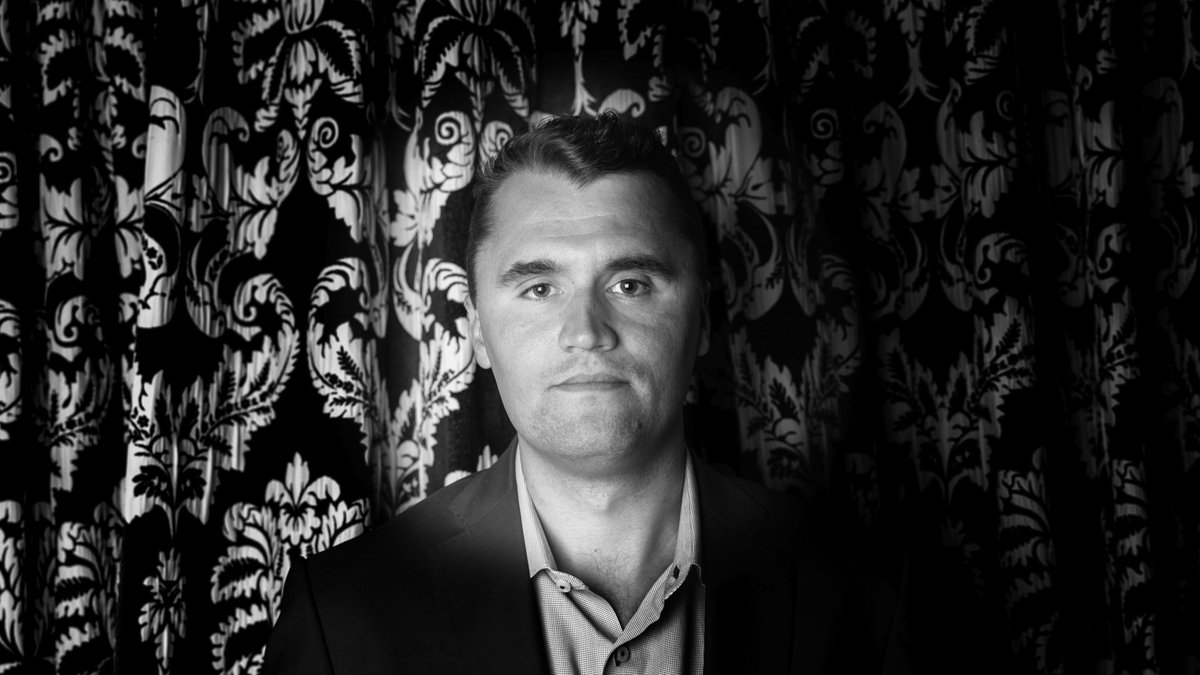
🇺🇸 WHY CHARLIE KIRK’S DEATH HITS DIFFERENT
Kirk’s assassin has been compared to the 9/11 terrorists.
Why? Both sought to silence voices they couldn’t defeat with ideas.
Millions are grieving so deeply because Kirk was the most significant political figure of his generation.
He was a man many believed would one day be president.
Grown men have broken down sobbing over his death, unable to explain why beyond the sense of loss.
Kirk never held office, never passed laws, never wielded government power.
His influence came from showing up in hostile territory and talking openly, respectfully, and graciously with those who opposed him.
That kind of presence made him powerful without power, and that’s exactly why his opponents saw him as a threat.
The tragedy isn’t just the loss of a man, but the fear that the idea of open discourse may have died with him.
Kirk’s consistency in applying timeless principles to changing politics made him stand out, and his assassination showed just how intolerant his critics had become.
That’s why his death feels so profound.
It wasn’t only an attack on a man, but on the very possibility of free debate itself.
Source: Fox News, Daily Wire
PROFESSORIAL APPOINTMENT | UJ
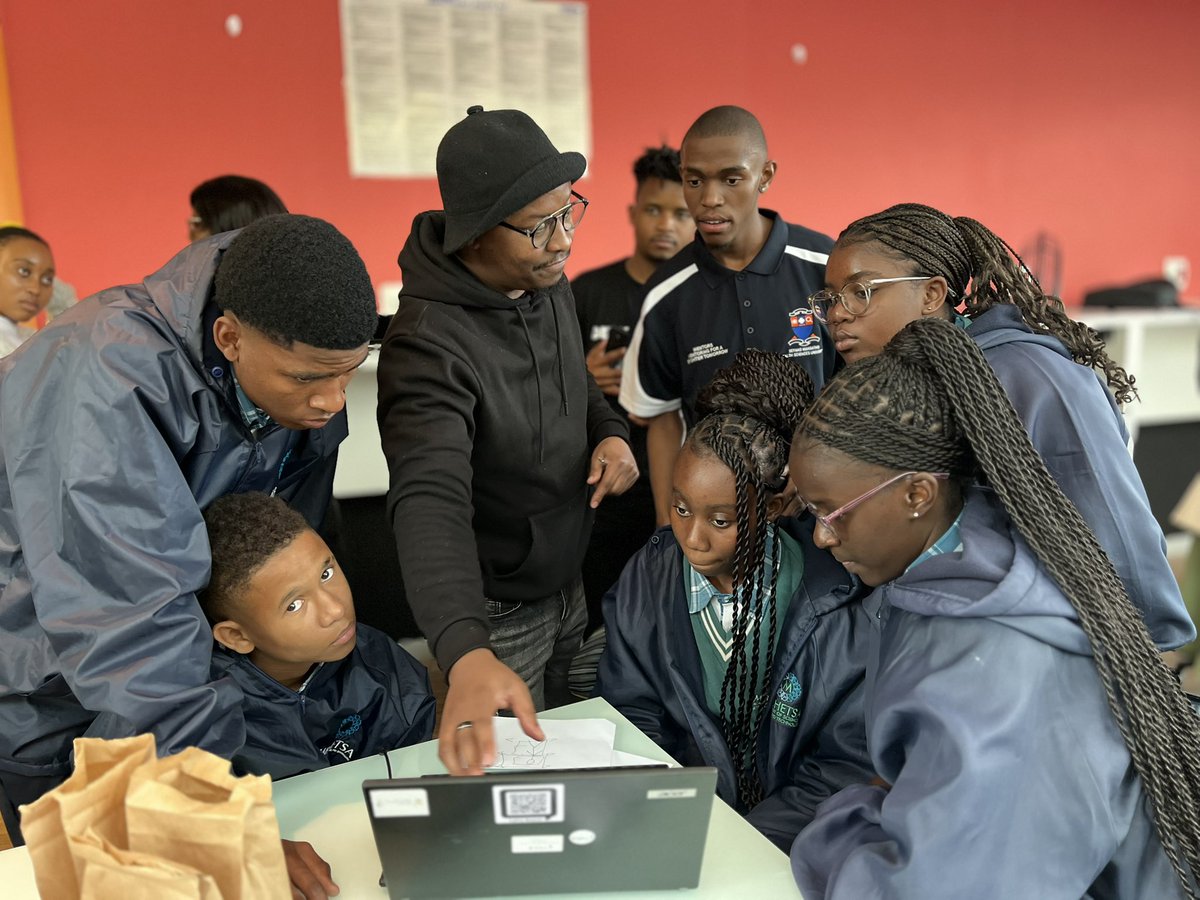
The University of Johannesburg (UJ) has announced the appointment of award-winning brand communicator and entrepreneur Sylvester Chauke as Professor of Practice in the Faculty of Humanities’ Department of Strategic Communication.
Chauke, a graduate of the Strategic Communication Department, has guest lectured for a number of years, and invested much of his time through a bursary programme that has helped educate students, internship programmes at DNA and agency visits for students to experience what it is like to work in industry. He has also been part of the advisory council at the University and has been reappointed three times in the last decade.
"From a young Soweto boy who had big dreams, Chauke is a symbol of hope and determination and a stellar example of how the University helps its students reimagine their futures." - @go2uj
Congratulations on this truly well-deserved appointment. 🫡🎉
#AskAsanteOnBoards