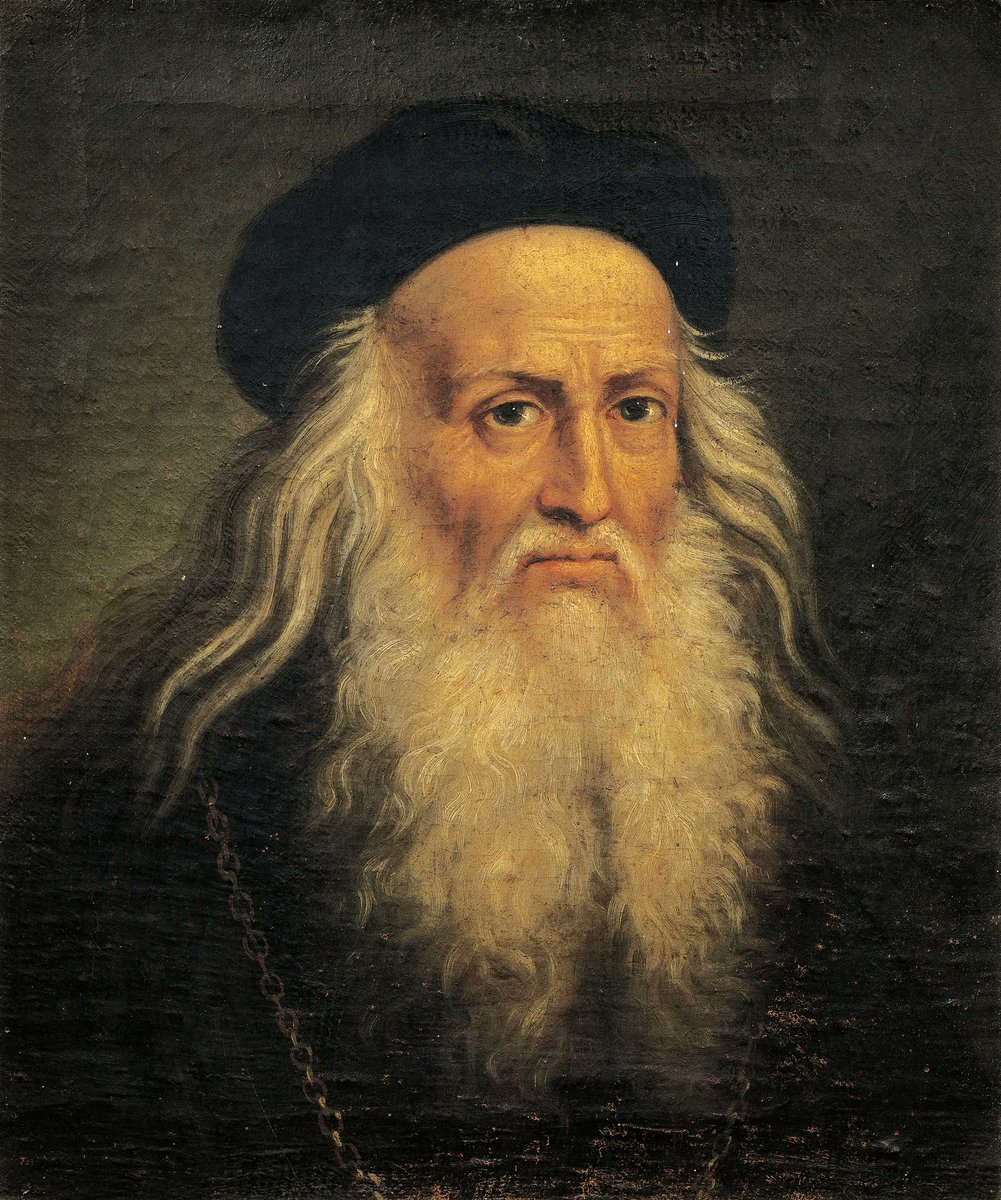
Le plus grand génie italien de la Renaissance est mort en France. Et il est toujours enterré chez nous.
Le 2 mai 1519, à Amboise, dans une petite maison de briques roses appelée le Clos Lucé. Il a 67 ans. Le bras droit paralysé depuis deux ans, il ne peint presque plus. Probablement un AVC, selon les médecins d'aujourd'hui.
Trois ans plus tôt, François Ier l'a fait venir d'Italie. À 64 ans, Léonard a traversé les Alpes à dos de mulet, en plein hiver. Dans ses sacoches, trois tableaux : la Vierge à l'Enfant, le Saint Jean Baptiste, et une certaine Joconde.
Le roi le nomme "Premier peintre, ingénieur et architecte" et lui offre la jouissance du Clos Lucé. 700 écus de pension. Une seule consigne : créer librement.
Trois ans de conversations, de fêtes royales, de plans pour Romorantin et de canaux entre Loire et Saône.
Il s'éteint dans sa chambre, qui donne sur le château royal. Soixante mendiants portent son cercueil, comme il l'avait demandé. Il repose à Amboise, dans la chapelle Saint-Hubert.
La Joconde, elle, n'est jamais repartie.
Vous l'aviez déjà visité, le Clos Lucé ?
Look, Mummy
There's an aeroplane up in the sky
Ooh-ooh, ooh, ooh, ooh
Ooh-ooh, ooh, ooh, ooh
Ooh-ooh, ooh, ooh, ooh
Did-did-did-did you see the frightened ones?
Did-did-did-did you hear the falling bombs?
Did-did-did-did you ever wonder why we had to run for shelter
When the promise of a brave new world unfurled beneath the clear blue sky?
Ooh-ooh, ooh, ooh, ooh
Ooh-ooh, ooh, ooh, ooh
Did-did-did-did you see the frightened ones?
Did-did-did-did you hear the falling bombs?
The flames are all long gone but the pain lingers on
Goodbye, blue sky
Goodbye, blue sky
Goodbye
Goodbye
“The House of the Rising Sun” is one of the oldest and most mysterious folk songs in the United States, which became a rock anthem thanks to The Animals in 1964.
Its origins are lost in time. It is a traditional American ballad, likely from the 19th century or even earlier, with possible roots in old English ballads. No one knows who wrote it: it is a song of unknown authorship that was passed down orally among folk musicians, miners, travelers, and singers in the southern United States. It tells of a life ruined in New Orleans (Louisiana), at a place called “The House of the Rising Sun,” which many interpret as a brothel, a casino, or a disreputable hotel. Depending on the version, it can be told from the perspective of a woman who falls into prostitution or a man who loses himself to gambling and alcohol.
The first known recording dates from 1933–1934, when Clarence Ashley and Gwen Foster recorded it. Shortly thereafter, Alan Lomax recorded a 16-year-old girl named Georgia Turner singing it a cappella in Kentucky. Even then, it was called “Rising Sun Blues.” Over time, it was covered by artists such as Lead Belly, Woody Guthrie, Joan Baez, and Bob Dylan (on his 1962 debut album).
Everything changed in 1964. The Animals, a British band from Newcastle, heard it in Dylan’s version (and also in English folk circles). Eric Burdon and the others adapted it to their style: they gave it a darker, electric, and more powerful rhythm, with Alan Price’s famous organ riff and Burdon’s raspy voice. They recorded it in a single take on May 18, 1964, in just 15 minutes, during a break on their tour. At first, producer Mickie Most hesitated because of its length (over 4 minutes), but it was released as a single and became a massive hit: number 1 in the United States, the United Kingdom, and several other countries. It is considered one of the first great folk rock songs.
Since then, the song has been covered hundreds of times (by Nina Simone, Dolly Parton, Muse, among many others) and continues to be featured in movies, TV shows, and stadiums.
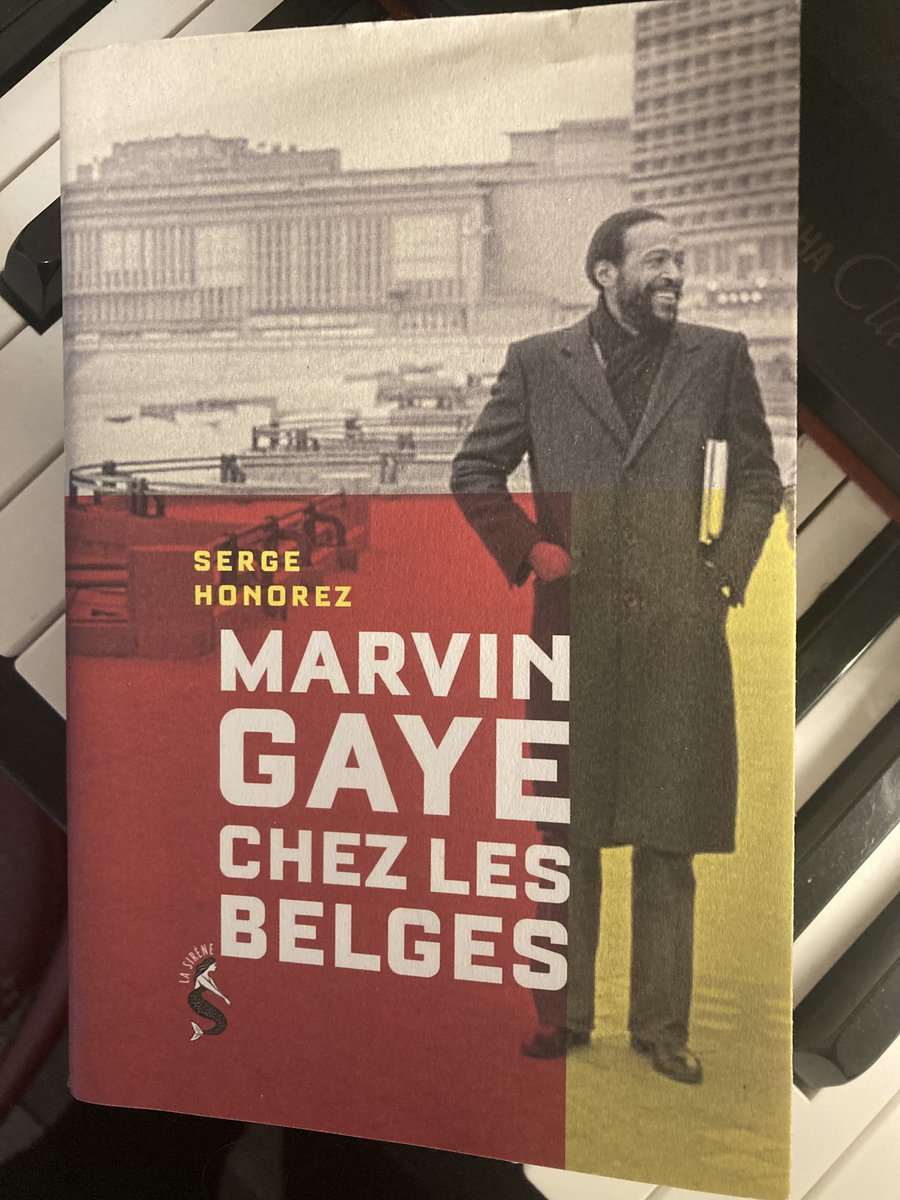
C'était l'une de mes premières idées de papier pour Schnock tant le docu "Marvin Gaye Transit Ostende" m'avait marqué. Et puis ce fut une arlésienne comme tant d'autres. Serge Honorez rapporte bien toute cette histoire bizarre, drôle et triste en même temps. Comme la vie.
Le 4 mars 1989, un homme monte sur la scène des César. Il arrive à petits pas. Le public se lève.
Michel Serrault lui tend la statuette. Ses mains tremblent. Il pèse 30 kilos de moins que d'habitude.
Personne dans la salle ne le sait encore, mais cet homme a un cancer depuis quatre ans. Ses proches lui ont caché le diagnostic. Il a continué à tourner.
Il lance quelques mots. Son humour est intact. Puis il s'en va.
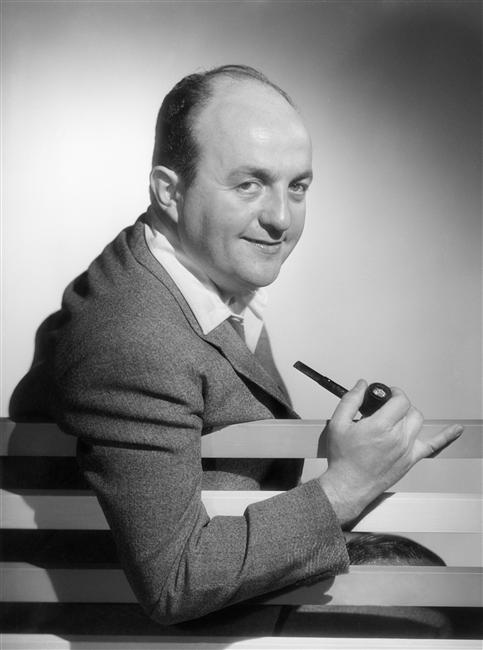
24 jours plus tard, le 29 mars 1989, Bernard Blier meurt.
180 films en 50 ans. Le cave se rebiffe. Les Tontons flingueurs. Buffet froid. Il se disait lui-même "le plus grand cocu de l'histoire du cinéma français".
Son fils Bertrand est devenu l'un des plus grands réalisateurs du pays. Bernard Blier est né à Buenos Aires parce que son père, biologiste à l'Institut Pasteur, y était en mission.
Le gamin argentin est devenu le visage le plus familier du cinéma français.