Sexperteam is University of Michigan's premiere sex education group. Our interactive style presents consensual sexual activity as healthy, positive, and fun!
Hello!
I hope this message finds you well! Are you interested in learning more about sexual health and would like to learn more about negotiating the sexual experiences you deserve or the intersectionality between... https://t.co/oC8kVw8ejR
PEP (Post-Exposure Prophylaxis) stops HIV from replicating & spreading throughout the body & it reduces risk of infection by 87%. EC (Emergency contraception) can be used to prevent pregnancy within 5 days after unprotected sex & some forms are available w/o prescription.
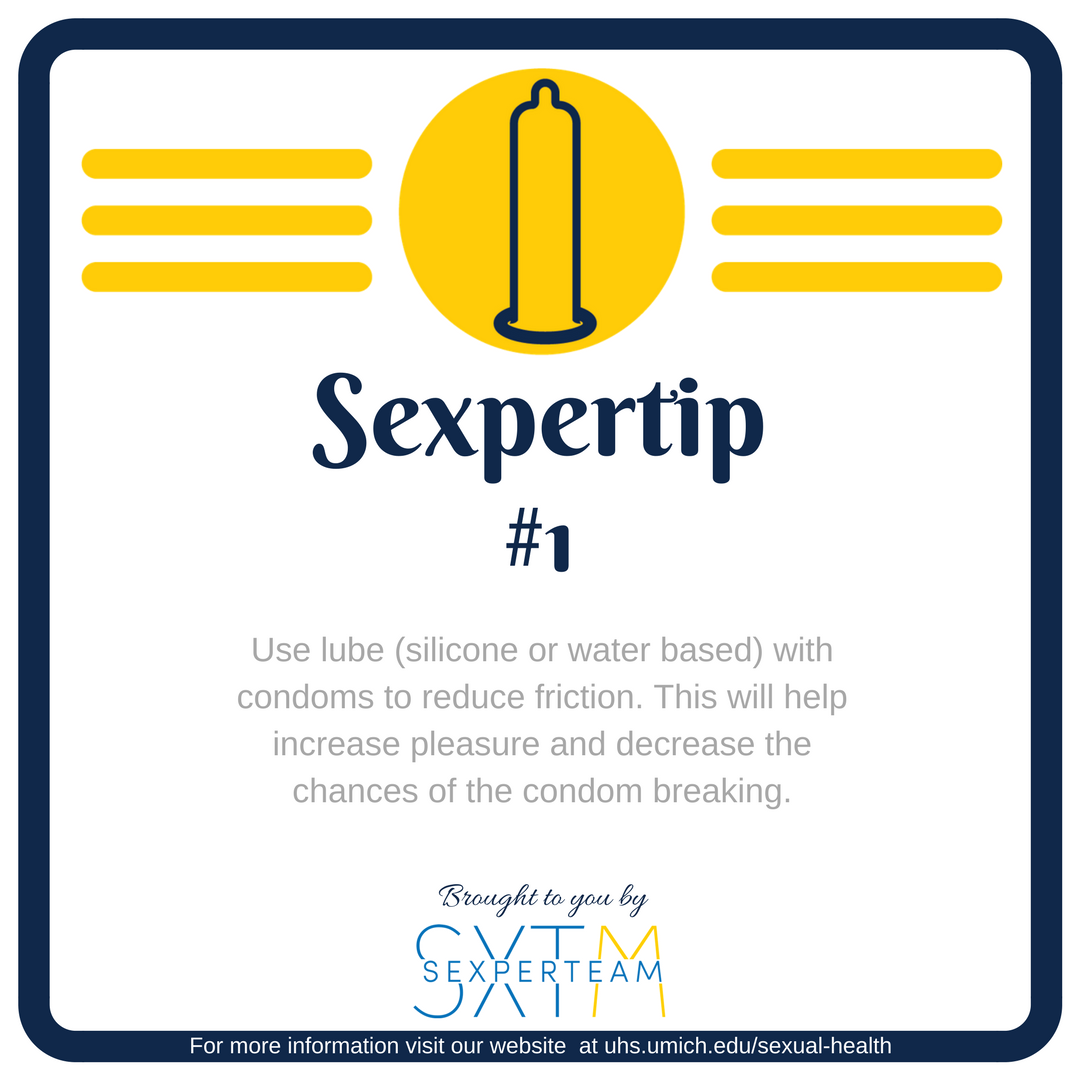
There are two major classes of lube: water and silicone based. Lubricant is great because it reduces friction during sex which can increase pleasure and decrease the chance of a condom ripping.
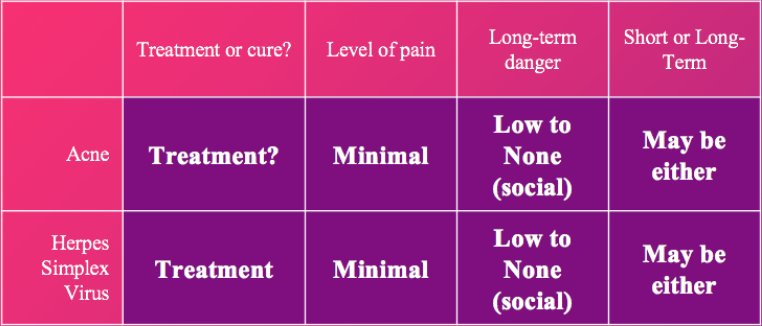
Many people are afraid of STI that cannot be cured but Herpes (HSV) is nothing to worry about. You can watch this video here to learn more https://t.co/sNiKYEj7jA and here’s another handy tool to help contextualize HSV
The most common viral STI in order of prevalence in the US are: HPV, HSV Type 2, and Hepatitis B. All of these STI can be treated and you can be vaccinated against Hep B and HPV.
We can combat STI stigma by examining our own beliefs, and by being active bystanders, we can promote health and advance justice. We get our beliefs from our family and friends, media and institutions.
The most common non-viral STI in order of prevalence in the US are: chlamydia, trichomoniasis, gonorrhea and syphilis. All of these STI can be treated and cured.
Sex between people with vulvas can be protected by using dental dams. A dental dam is a latex rectangle to prevent fluid transmission. But you can also use plastic wrap or a cut-up open condom if a dental dam is unavailable.
Homosexual, Queer, Gay, MSM, WSW etc. are all terms used to describe LGBQ people however language is constantly evolving & different people & communities use different terms. It's important to try to ascertain what you’re trying to communicate & follow the lead of others.
Stigma (a set of negative, often unfair beliefs about something) related to STI is inherently bound with attitudes that are anti-sex, and sometimes sexist, agist, racist, homophobic, ableist, or otherwise judgmental and does not promote health, it worsens it.
It’s important to have conversations about STI status, sexual preferences and boundaries before engaging in sexual activity and in a place where you feel safe.
Many people, regardless of their sexual orientation, choose to use sex toys. To care for sex toys you can use condoms or wash between partners with toy wipes or warm soapy water & air drying. You can defer to the manufacturer or where you purchased the toy for more details.
We can combat STI stigma by avoiding shaming and blaming, building self-esteem and self-efficacy, increasing health care provider comfort and competency with sexuality and dismantling oppression and inequality!
Communication about sex needs to be open and direct. This can be done by being forthright about your wants and needs, while still considering the rights, needs, and wants of others, getting your point across firmly, fairly, and with empathy and using “I” statements.
There are three kinds of barrier methods used to prevent STI transmission. They are dental dams for oral sex on an anus or vulva, internal (female) condom meant for anal or vaginal intercourse and external condom which can be used for oral, vaginal or anal sex.