AB 796 ensures that athletes are receiving care from a properly trained athletic trainer. Beginning January 1, anyone who refers you to themselves as athletic trainers must have proper education and maintain national certification
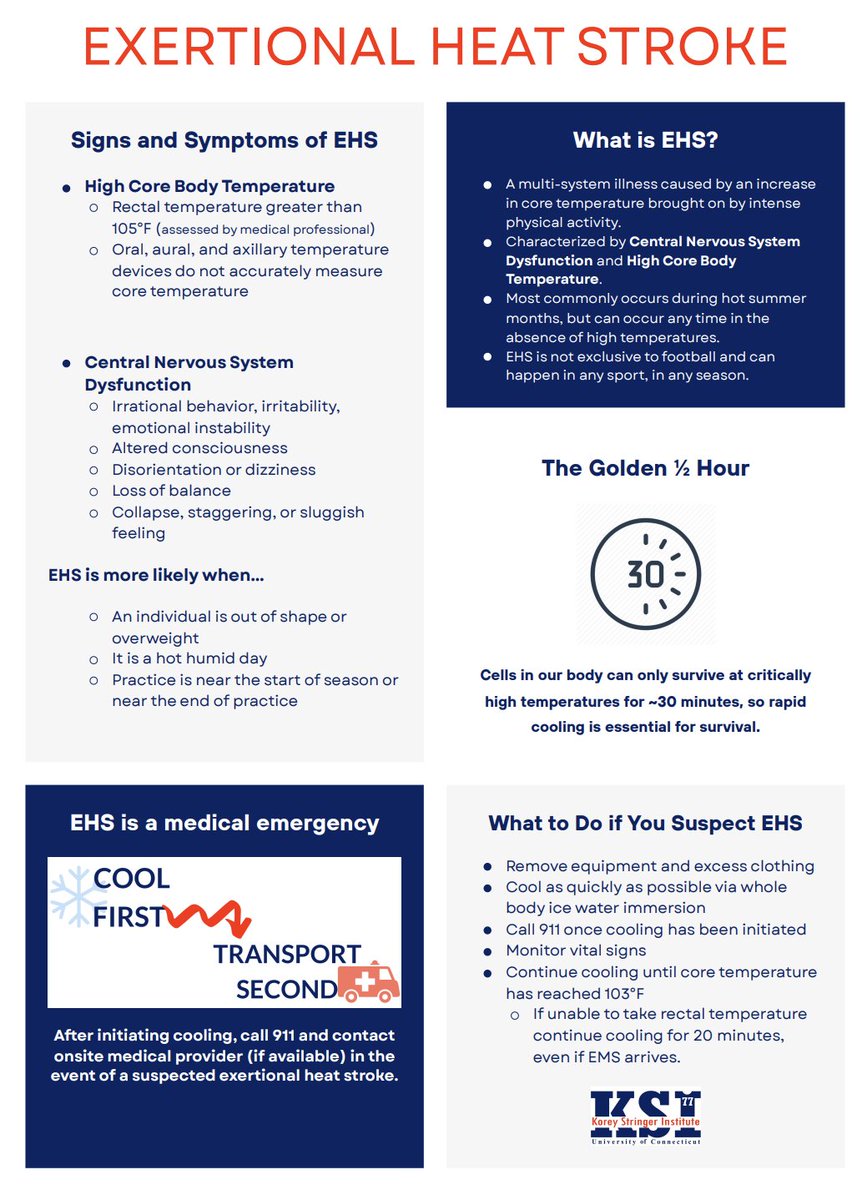
The @CDCgov does not distinguish EHS & classic heat stroke. Intense physical activity is the causative factor in EHS so a patient will most likely be sweating. Let’s stop sharing s/s of classic heat stroke when warning about dangers of EHS. PLEASE!!
If you suspect Exertional Heat Stroke, the appropriate and most effective treatment is immediate whole body cold water immersion. Remember - cool first, transport second!
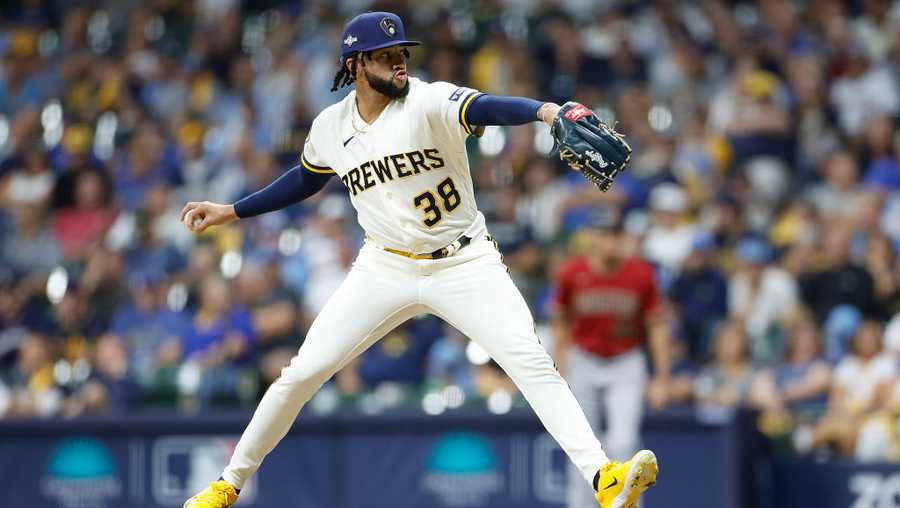
Devin Williams
Milwaukee Brewers
Bilateral pars fracture at T12
This is a back injury that is actually relatively common, especially in athletes.
Athletes often visit Dr. Robert Watkins in California to get evaluated for back injuries, and that where Williams went.
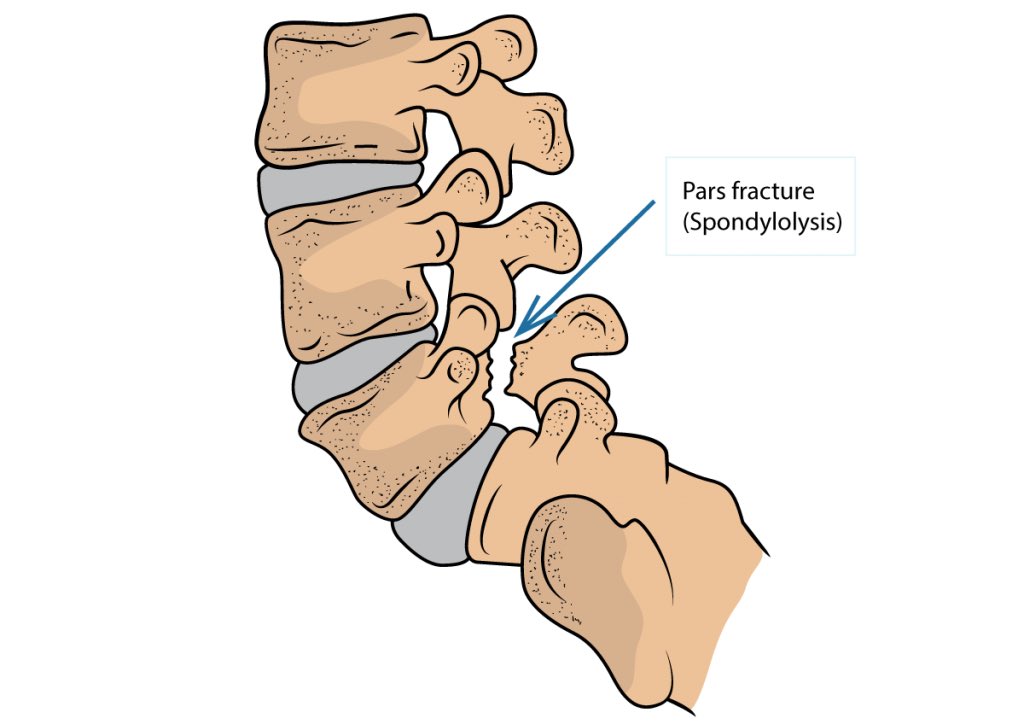
The official medical term for this is Spondylolysis, sometimes it is referred to as a “pars defect” or "pars fracture."
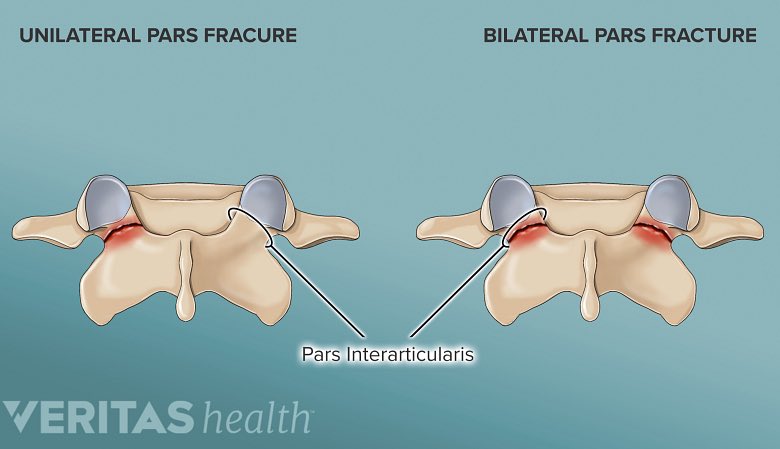
This is considered a ‘stress fracture’ to a part of the vertebrae called the pars interarticularis, which connects the facet joints of the spine (see picture below). These are caused by repetitive stress rather than from an acute injury.
These are commonly seen in adolescent athletes such as gymnasts, where there is a great deal of extension and landing with an arched back. The arches back and hyperextension is likely where Williams got his from.
Some people have a fracture only to 1 side, Williams actually fractured both sides, therefore it is actually called spondylolisthesis. This introduces additional concern because now the bone fragments are no longer attached to the rest of the bone.
When fractures occur on both sides, it is possible for one vertebra to translate or move forward or backward over the neighboring vertebra, which creates further instability. It would not surprise me if Williams has some vertebrae that are shifted slightly forward or backward as a result of the stress fracture.
The location of Williams’ fracture is actually interesting (T12). Normally these are seen at the bottom of the spine (L5), but due to the nature of Williams’ pitching style and maybe some intrinsic skeletal abnormalities (scoliosis) are likely the reasons why his fracture is the location it is.
This is likely a chronic issue for Williams, and one that he was likely dealing with in September when he was dealing with back soreness.
People dealing with these usually pain and stiffness in the lower back that is worsened with activity and improves with rest. Hyperextension (abnormal stretching) of the lower back will usually aggravate the area as it overloads the pars fracture.
Traditionally the initial treatment for these types of stress fractures is rest from activity and bracing, followed by physical therapy.
Usually the symptoms of spondylolysis almost always respond favorably to physical therapy and activity modification, but in my opinion with bilateral fractures (spondylolisthesis), are much more difficult to stabilize.
At my clinic we have had success with these injuries by reinforcing the surrounding joints, ligaments and tendons by injecting either PRP (blood), or stem cells. Additionally we have had good success with using a PEMF device to aid in repair, which uses magnets to speed up fracture healing.
Surgery with plate and/or screw placement would be counterproductive IMO for Williams because of the nature of his job. He needs the flexibility in this part of his spine in order to pitch the way he does.
Given the severity and importance of this location, shutting Williams down for 6 weeks and then ramping him up for another 6 weeks is normal. Returning sometime around the All-Star break is realistic.
In my opinion this is something that Williams will always be dealing with but once it’s stabilized, it likely won’t bother him as much as it currently is.
With that being said, I don’t think he will show any signs of injury once he’s learned to perform with this.
He will have to regularly work on his body/pitching mechanics to ensure that this fracture isn’t returning.
I discussed further in a video in the tweet below if you’re interested.
If you found this tweet helpful and informative, please share this with your friends and consider following along for more injury-related content.
This is produced as part of the @TheFantasyDRS network.
"We know that exertional heatstroke is 100% treatable, 100% survivable, if those policy and procedures are in place..."
With record-high heat nationwide, @NATA1950 President @KathyIDieringer explains how high schools can adapt to keep athletes safe as they return to play.
As sports and August meet, you should know collapses don't just happen with sons of NBA stars. They happen in youth athletes too.
If you're a parent of an athlete, here's 10 questions you should ask related to their health & safety. #SaferSidelines
https://t.co/pRds19zYHo
Six years ago today, Zach Martin-Polsenberg died from heat stroke after collapsing during a Florida HS football practice the week prior.
The law his mom fought for requires FHSAA member schools to include on-site cooling using cold water immersion in their EAPs. #SaferSidelines
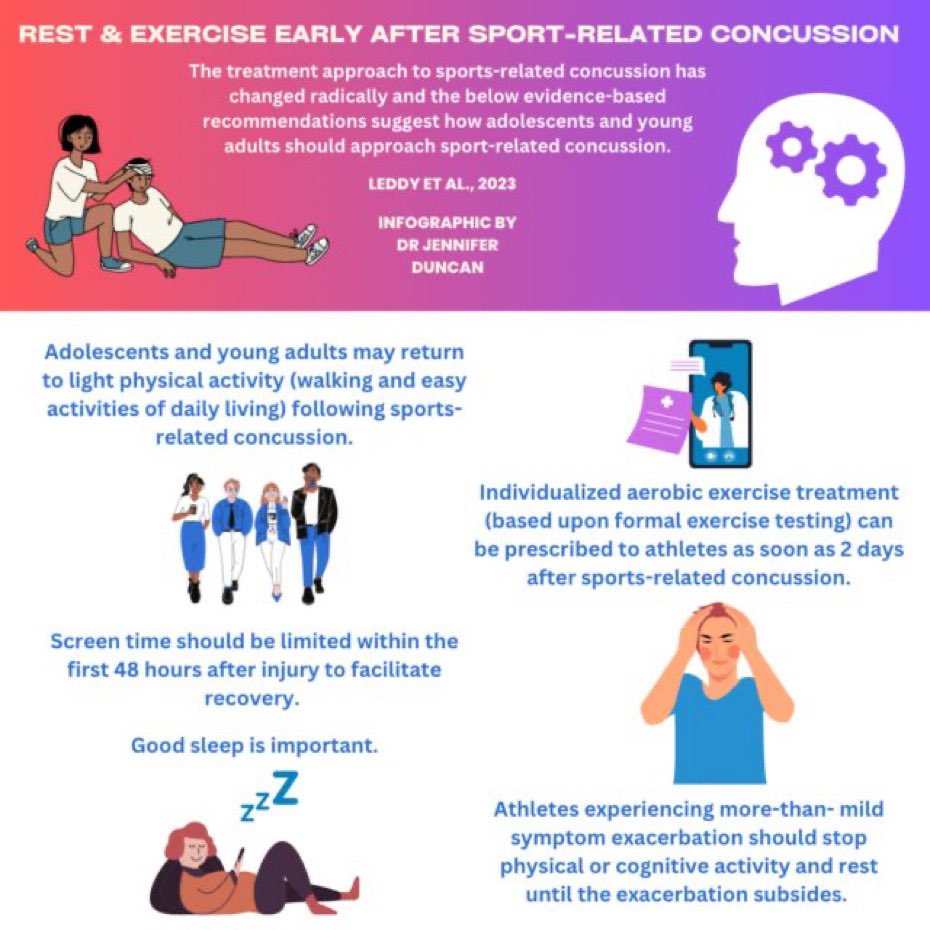
https://t.co/rg1ylsoalR. Our concussion protocol does not just include physicians and athletic trainers but also counselors and teachers so that our athletes do not fall behind.
Early Exercise is Associated with Faster Concussion Recovery Among Collegiate Athletes: Findings from the NCAA-DoD CARE Consortium - PubMed https://t.co/yH8kDgPJJ5