The 53rd edition of #DSPNetra is out!
The October 2025 edition of #DSPNetra brings you sharp insights, emerging economic trends, and thoughtful perspectives to help you stay informed and ahead of the curve.
Read the thread below or download here: https://t.co/JdpCd3JPO9
We are back with another edition of The Transcript!
It is a quarterly publication that helps you get your hands on excerpts and management comments from a wide range of quarterly earnings calls or AGMs or analyst meets that our team attends.
Follow the thread or download here: https://t.co/axM2QYJhup
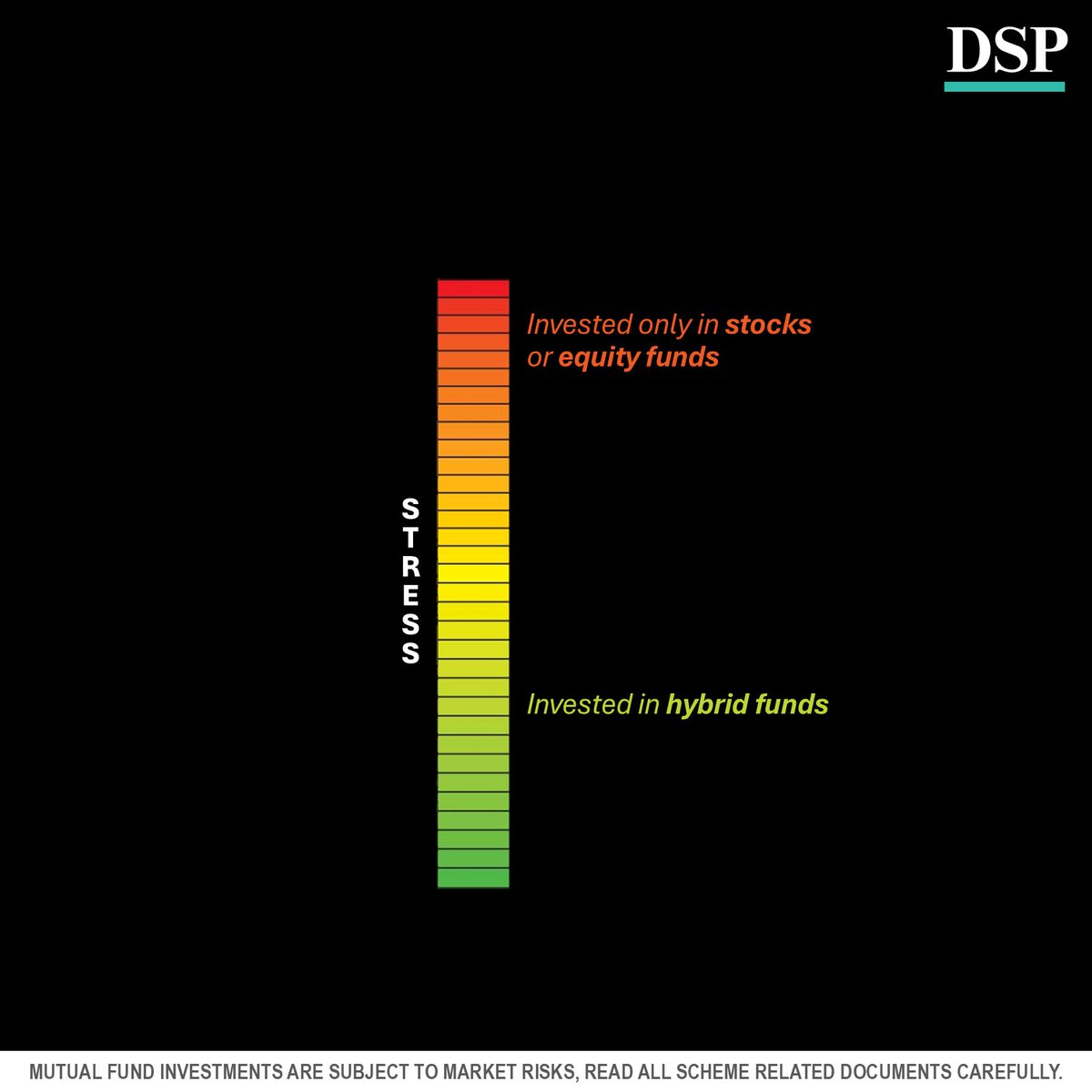
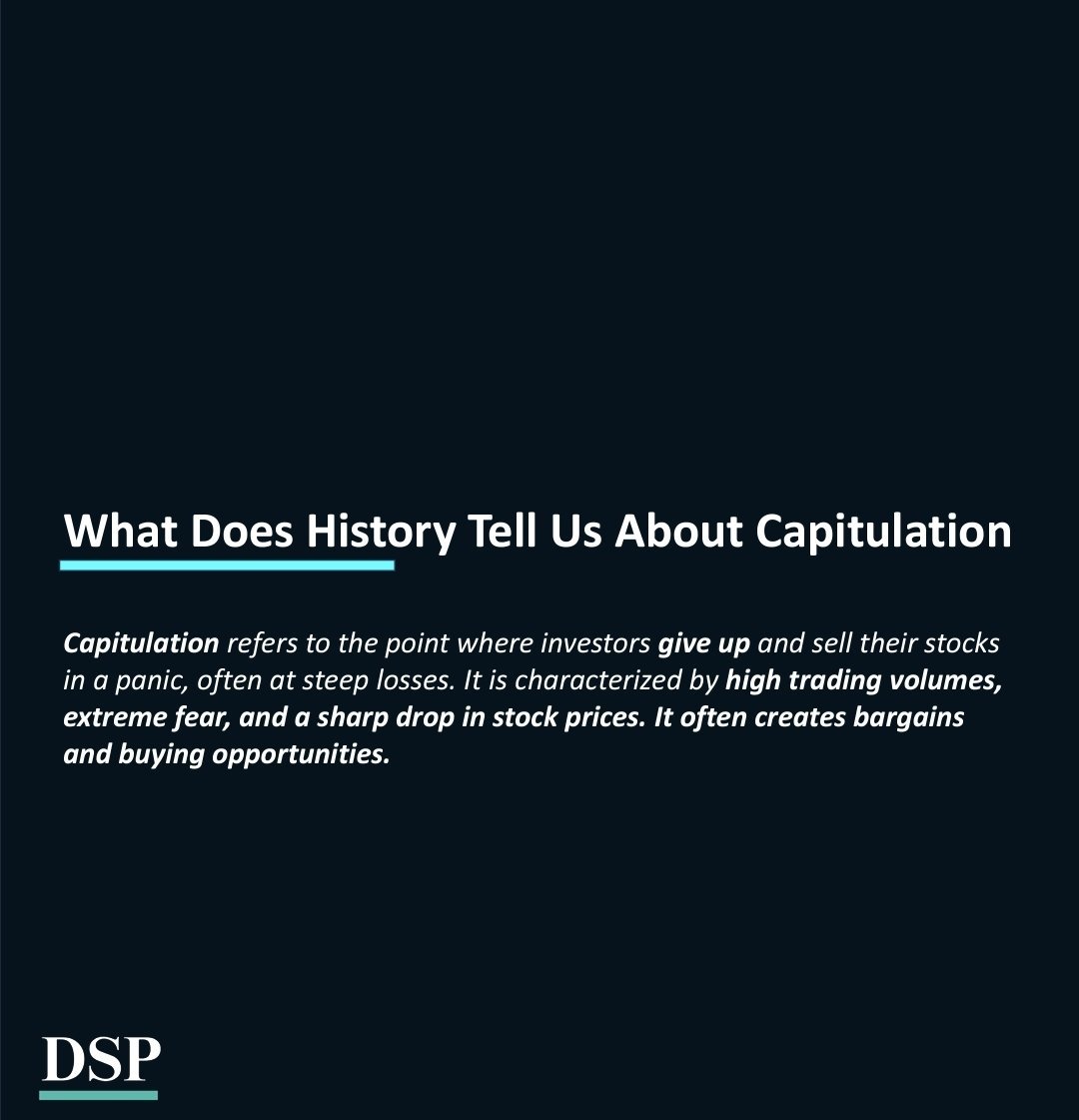
In the April 2025 edition of DSPNetra there is a section on - 'What does history tell us about capitulation?'
This section has 7 signal which serve as a guard rail to ascertain the extent of capitulation.
Here is a thread 🧵which puts all these signal together.
How to build a truly globally diversified portfolio?
But first, why?
Why Non-Rupee Assets?
India has been an exceptional market for investors, yet global investors measuring returns in USD have often achieved comparable or superior results. Moreover, many investors face future expenses—like education or business ventures—that are priced in non-INR currencies. Historical evidence suggests that diversifying globally has proven to be a more resilient strategy over the long term.
Currently, valuations in India remain elevated, and near-term returns may be modest. Global diversification can help smooth your investment journey, encouraging you to stay committed through market cycles.
India’s share of labor-intensive exports among emerging markets is near historic lows, even as its working-age population reaches a peak. This disparity bolsters the socio-political argument for a weaker rupee. A more competitive currency could spur job creation, revitalize export-driven industries, and better integrate the expanding workforce.
Isn’t Gold a Non-INR Asset?
Yes, it is, but gold lacks inherent cash flows, making it somewhat of a faith-based investment—albeit one with a well-earned reputation. That said, a potential reduction in import duties could introduce risk, though the impact would likely be limited to single-digit percentages. The real question is: How much gold can you reasonably hold? For many, the primary alternative to gold as a non-INR asset is global equities.
How Can You Get Global Exposure?
ETFs offer one option, though some suffer from liquidity challenges, and their taxation stands at 12.5% after two years. Most ETFs are heavily weighted toward the largest U.S. companies—global giants that currently dominate both U.S. and global market capitalization. These firms are also investing heavily in disruptive technologies, which introduces an additional layer of risk.
What Kind of Equity?
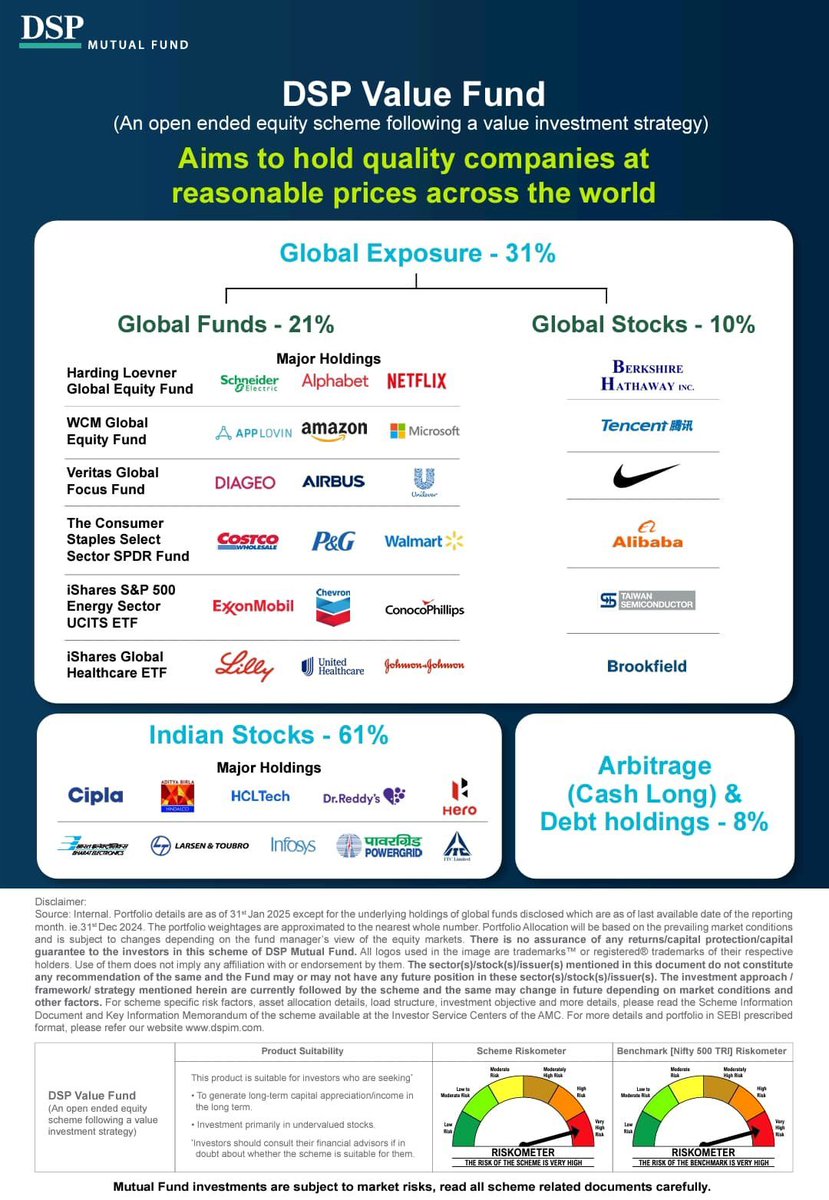
Global value managers with significant exposure to mid- and small-cap stocks may offer the best approach—think along the lines of a Berkshire Hathaway-style strategy. These managers target undervalued opportunities beyond the dominant U.S. mega-caps, delivering broader diversification.
What’s the Best Way to Invest?
The most tax-efficient route is through an Indian mutual fund. A fund that allocates 20-25% to global value managers provides a convenient and diversified way to gain international exposure.
Is There a Fund Like That?
Yes—DSP Value Fund.
https://t.co/QARL0mNoA3