Parenthood or the planet?
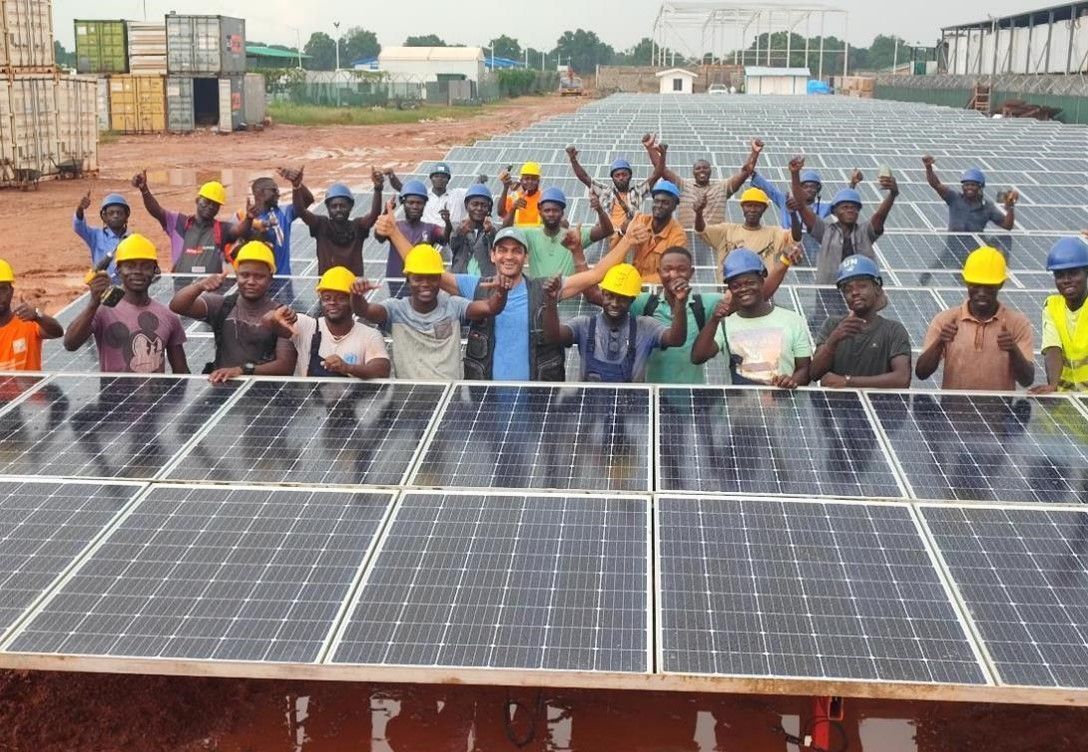
Choosing to champion regenerative solutions being #Childfree gives me time to link great people doing great things for the children of the future to enjoy💚
A conversation with @codohertynews led to this https://t.co/pC1g4gxTJY
Migratory birds depend on a network of healthy wetlands across countries and continents, using them to rest, feed and breed along their flyways.
Safeguarding these wetlands requires people too, from scientists and local communities to holders of traditional knowledge and young people.
....and @KOSullivanIT sees the aftermath of a tornado in rural southern France where communities grappling with climate change were already hit by one of their toughest summers to date
https://t.co/pNawvlXxFP
There may be tweaks to reduce the cost of home heating oil in tomorrow's Budget but @HannahEDaly says the only true solution for people's pockets & for climate is to help households ditch the fuel for good - in Science & Climate in @IrishTimes....... https://t.co/22DBy1BIjt
Plastic pollution threatens human health, affects food and water safety, burdens economic activities, and contributes to climate change.
🌊 Our Issues Brief explains how we can tackle #PlasticPollution.
➡️ https://t.co/1UFmrm8Z80 @IUCN_Plastics
Fall has arrived, but the heat isn't going anywhere. A record-breaking heat dome on top of an already warming planet is making this September one for the record books. https://t.co/2gKVvP2BSH
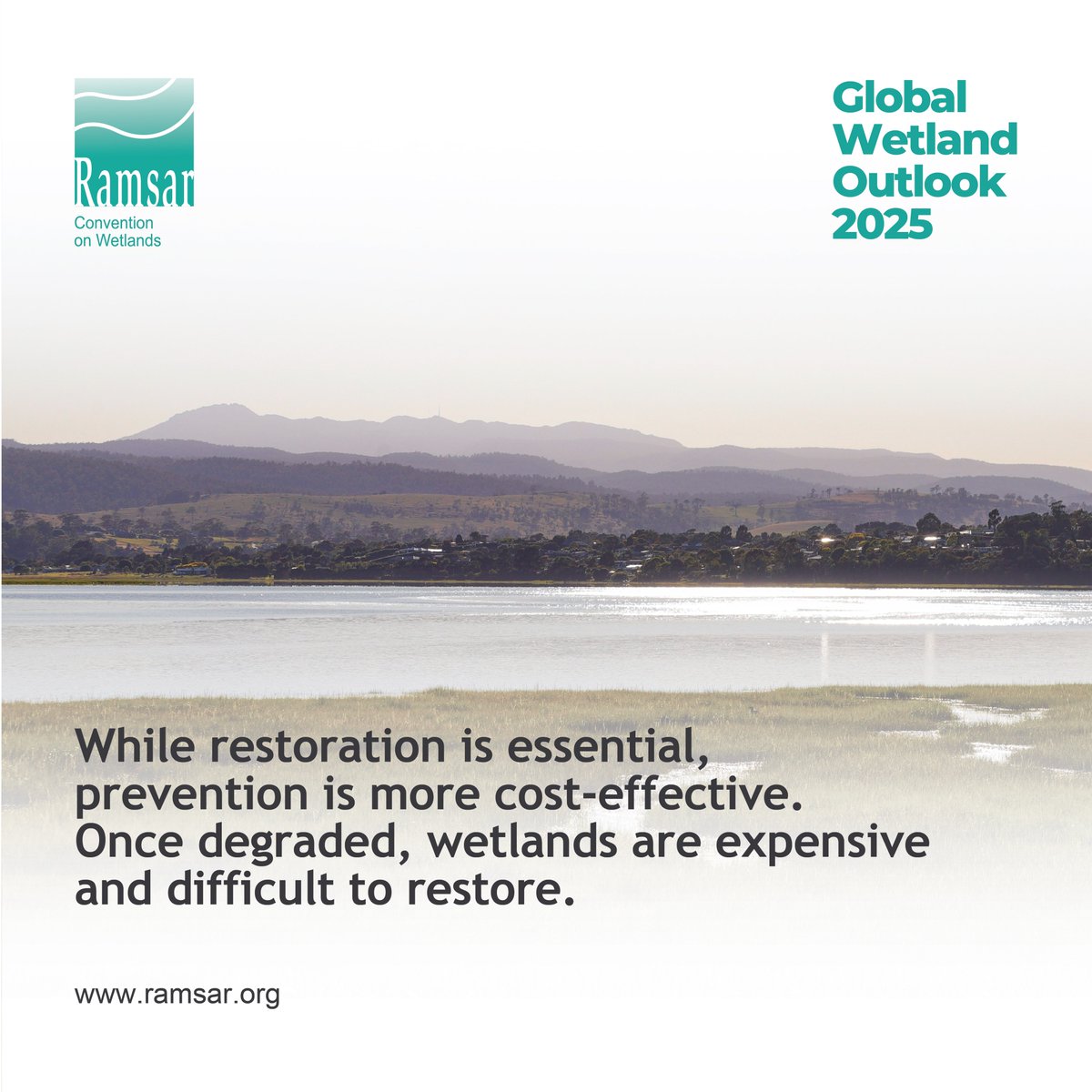
The #GWO2025 warns that without urgent action, one-fifth of the world’s remaining wetlands could vanish by 2050, an ecological loss with massive social and economic consequences. Once degraded, wetlands are expensive to restore.
https://t.co/9Rq26jAbNI
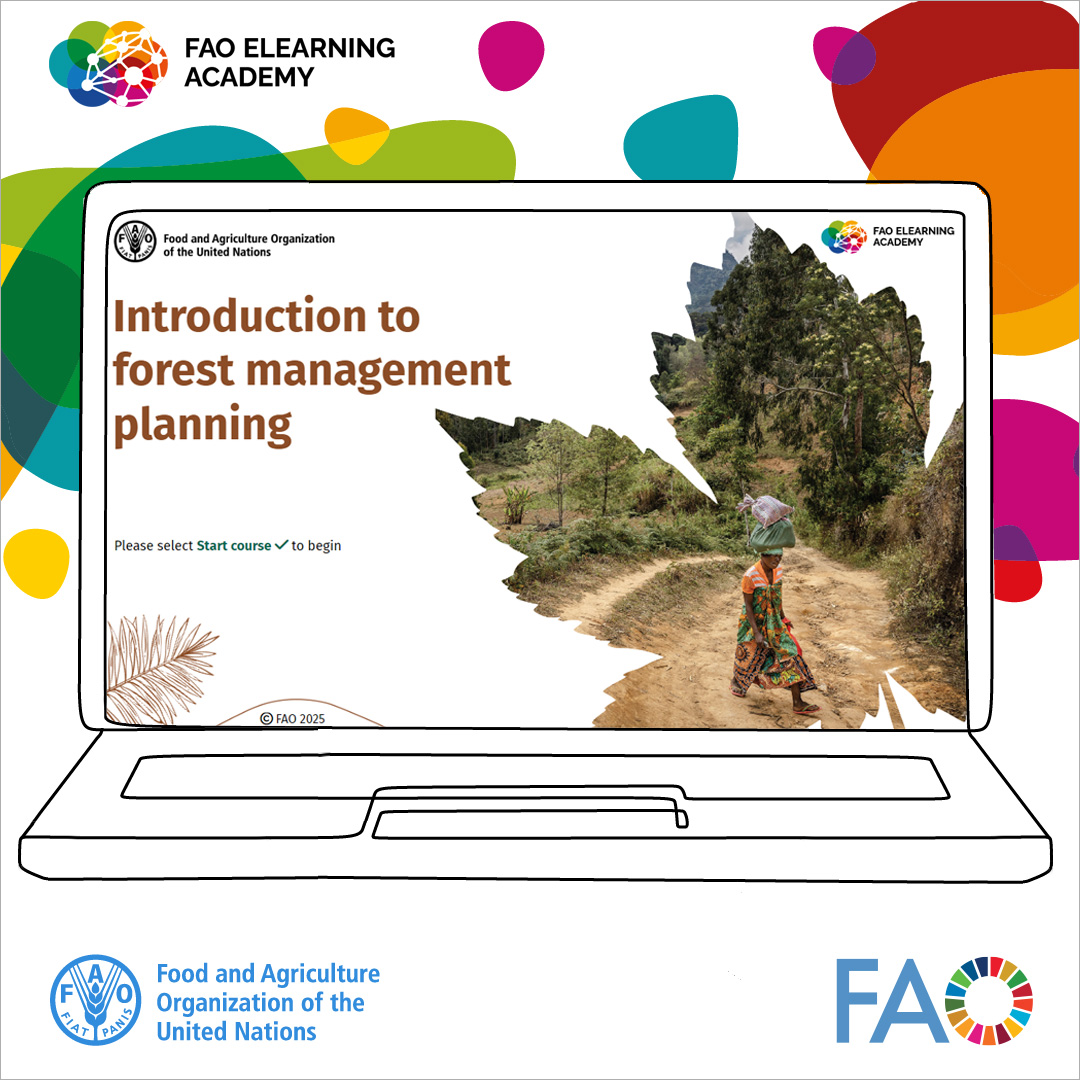
Take a free @FAO elearning Academy course!
‘Introduction to forest management planning’ describes the requirements for forest management planning and how to create plans for small and medium forest enterprises.
�� https://t.co/AfEf6izRch
#EcoInnovationFoundation
Germany became the third country to publish a roadmap to phase out fossil fuels after France and the Netherlands, as the UN chief calls on all governments to follow
https://t.co/kgRz7zKpul
A little later than expected but Ireland and Tuvalu are to co-host international climate conference - the transition away from fossil fuels conference- in the Pacific next July with preconference in Ireland in the spring
https://t.co/40xek8DidV
🍯🐝 Irish scientists put Irish raw honey under the microscope and the results should make every household think twice before paying a fortune for imported Manuka.
Teams from DCU, Trinity College Dublin and later TUS tested native Irish honeys from real beekeepers heather, ivy, oilseed rape and multifloral blossom honeys.
They measured total phenolic content (the compounds linked to antioxidant power) and ran antibacterial tests against common pathogens including E. coli, Staphylococcus aureus and Pseudomonas aeruginosa.
Irish heather honey consistently came out on top.
Its phenolic content matched or beat Manuka in the original 131-sample study (heather 68 mg GAE/100g vs Manuka 62).
Later work on confirmed monofloral samples pushed some Irish heather even higher (over 100 mg GAE/100g).
Ivy honey is darker but lower in phenolics than heather still useful, especially against certain bacteria.
Oilseed rape honey was the weakest of the Irish types tested.
Follow up lab work went further. Irish heather and ivy honeys inhibited bacteria at concentrations comparable to Manuka in several assays, reduced biofilms, and heather even showed synergy with an antibiotic against MRSA.
Antioxidant activity was confirmed. Researchers flagged both varieties as promising for wound care and as everyday functional foods.
Implications for health and healing.
Raw, unheated Irish honey keeps the enzymes, phenolics and natural antimicrobial activity that processing destroys. Darker heather honey in particular looks like a homegrown option for supporting the body’s own antioxidant defences, helping with minor wounds, sore throats and coughs the old fashioned way
Adding a nutrient-dense sweetener instead of refined sugar.
It is not a miracle cure and it is not medical-grade honey for serious wounds. But it is real food from our own landscape, made by the native Irish black bee (Apis mellifera mellifera) that is uniquely adapted to our climate.
Buy raw, local, single-origin or small-batch Irish honey from beekeepers who keep native stock.
Look for heather when you can get it.
Support the people keeping the bees alive and the land they forage on.
We don’t need to import “superfood” honey.
Ours already holds its own. 🇮🇪
1. "I knew this was going to be happening, so did any climate scientist - but the speed is just staggering. Once you've got to the stage where you've got food rationing, then everything changes, everything's up for grabs." @ProfBillMcGuire, climate scientist UCL, author.
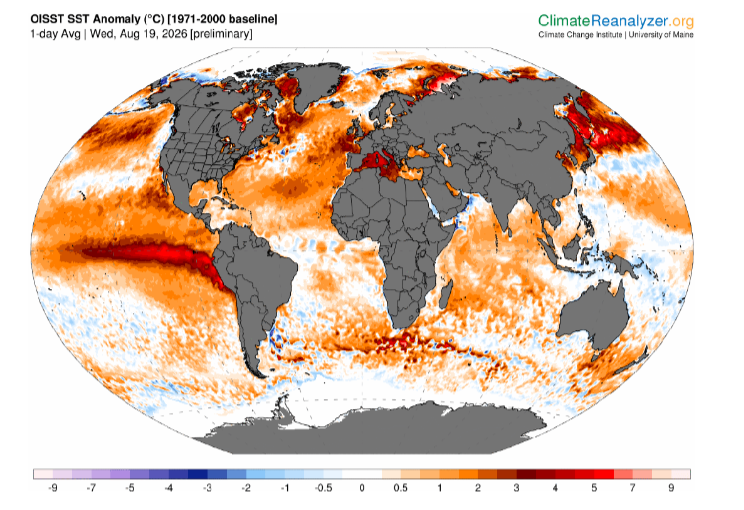
The El Nino is off the charts. Can people see the real issue and accept the implications? We may be getting closer. See the Bigger Problem – https://t.co/rsyLt8z4XS
Also available on Substack:
https://t.co/lqgU6bog2i
The Ebstorf Map (ca 1234) is the largest known mappa mundi – a European medieval map, now thought to be co-created by the nuns of Ebstorf, Saxony, famed for their craft(wo)manship in the Arts #WomensArt