Kargil left many Pakistani families with painful questions. As Brigadier Rashid Qureshi defended the military's official narrative, critics in Pakistan argued that the institution was unwilling. A nation must never forget those who serve it. #PakistanKiShikast
After Kargil, civil-military tensions in Pakistan grew sharper. Instead of accountability, the crisis produced distrust, institutional conflict and a power struggle that damaged democratic governance. #PakistanKiShikast
Pakistan’s Air Force and Navy were reportedly angered after being excluded from the Kargil operation. The Army’s secretive planning exposed deep mistrust within Pakistan’s own military leadership. #PakistanKiShikast
Kargil exposed a painful truth for Pakistanis: soldiers were sent to impossible heights without proper supplies and then abandoned. A state that neglects its own troops cannot claim to care for its people. #PakistanKiShikast
Pakistan's military has been involved in corruption, opaque finances, and vast commercial interests. Kargil remains a reminder that when accountability is weak, soldiers and citizens often bear the greatest cost. #PakistanKiShikast
The Kargil conflict highlighted the imbalance in Pakistan's decision-making process. While military leaders planned and executed the operation, the civilian leadership was widely viewed as playing a limited role. the country pays the price. #PakistanKiShikast
The Kargil conflict is widely seen in India as a betrayal of the spirit of the Lahore Declaration. While peace talks were underway, Pakistani forces crossed the Line of Control, triggering war. #PakistanKiShikast
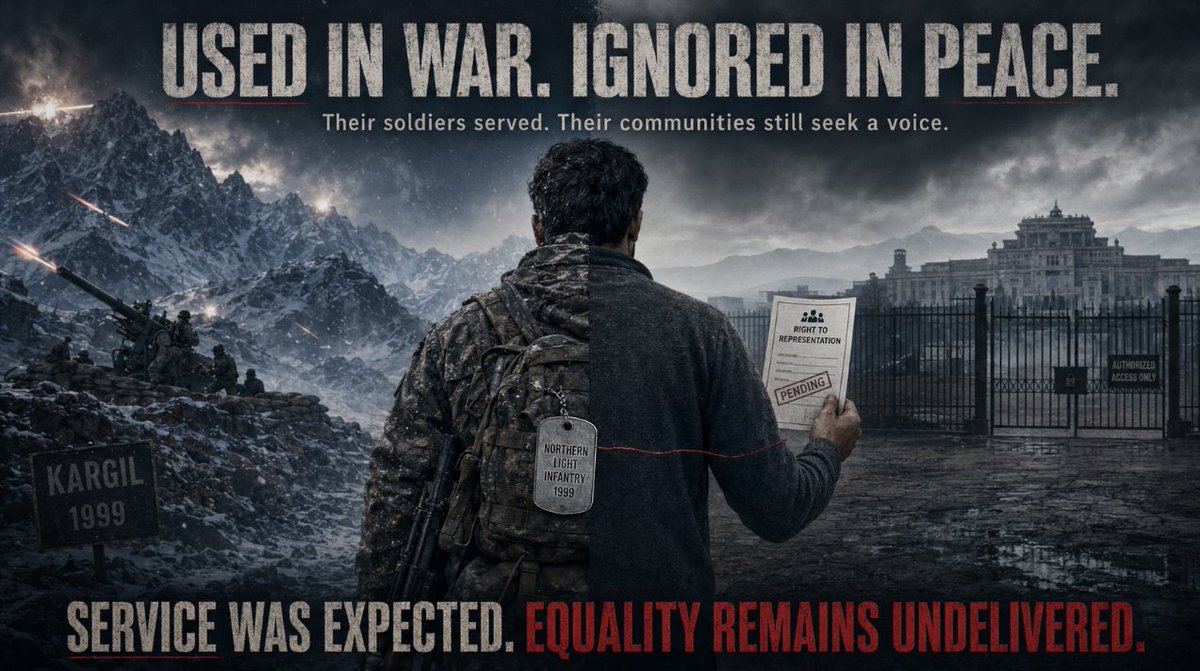
Kargil’s forgotten NLI soldiers and today’s protesting citizens tell the same story: sacrifice is demanded from the people, but dignity, representation and accountability are reserved for the powerful. #PakistanKiShikast
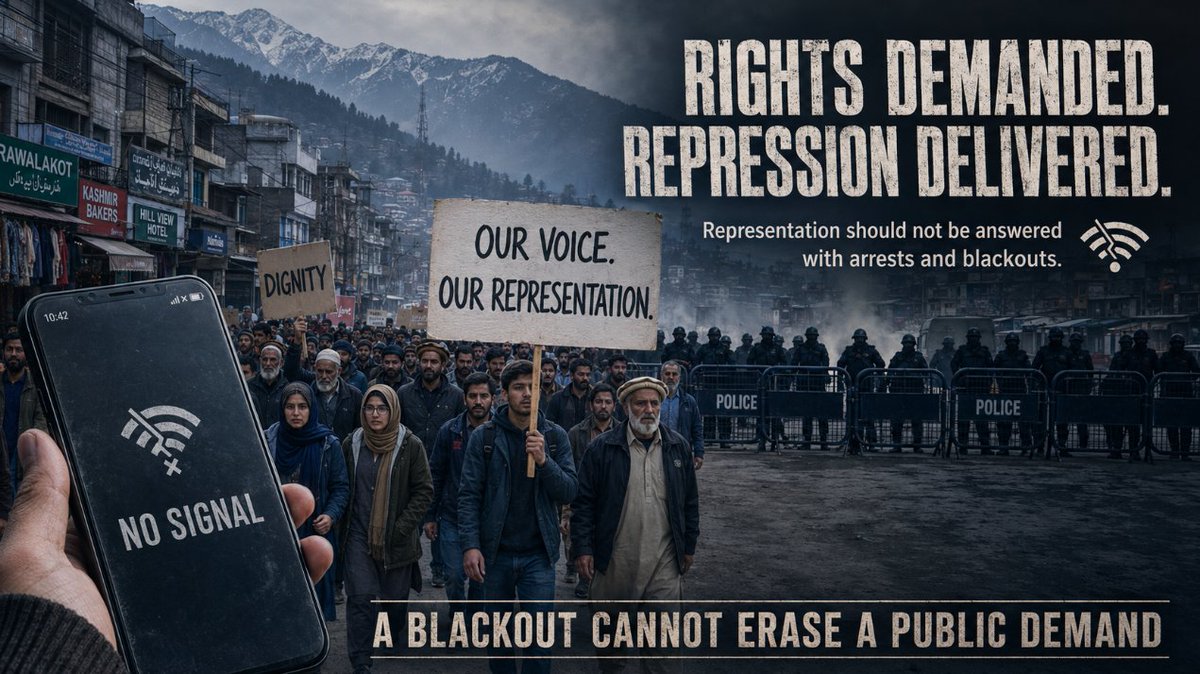
Pakistan denied its own troops during Kargil and now suppresses local voices demanding basic rights. From the battlefield to the streets, ordinary people continue paying for decisions made by distant rulers. #PakistanKiShikast
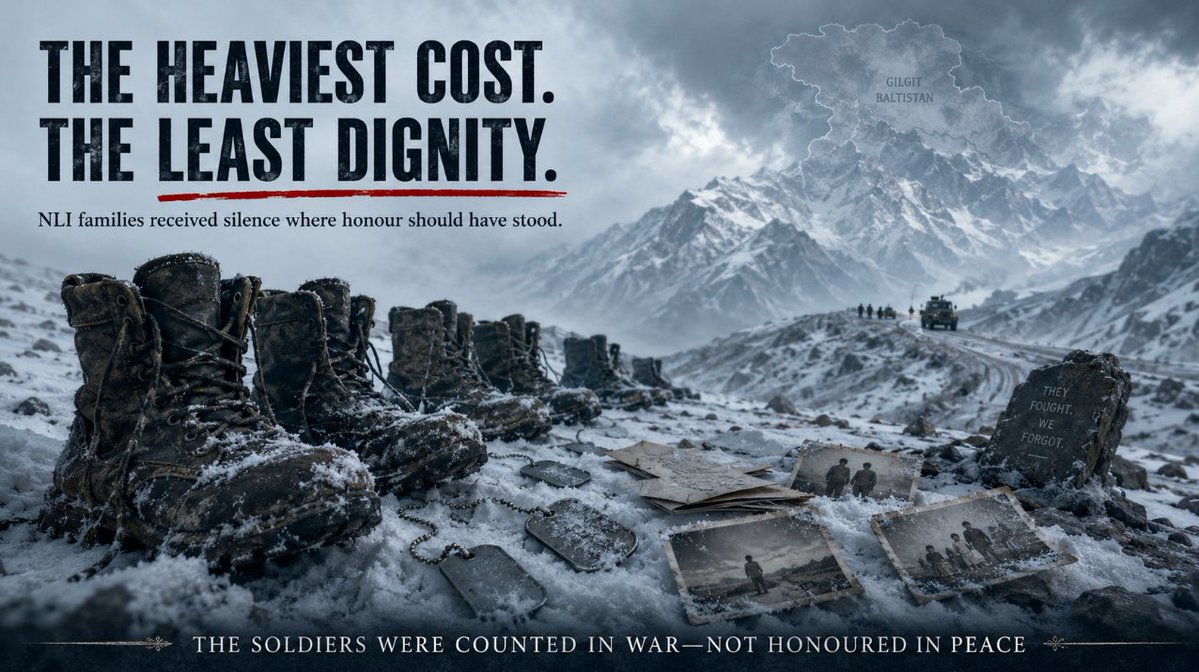
The NLI’s losses exposed how Islamabad viewed soldiers from Gilgit-Baltistan as disposable. Current unrest shows that people demanding representation and dignity are still treated as a threat, not citizens. #PakistanKiShikast
More than two decades after Kargil, communities under Pakistan’s control still struggle for political rights and fair treatment. The soldiers were used in war; their people are ignored in peace. #PakistanKiShikast
Pakistan’s generals planned Kargil, but NLI soldiers and their families carried the cost. Today, citizens demanding rights face repression while powerful decision-makers remain protected from accountability. #PakistanKiShikast
JAAC protesters are demanding representation and accountability, yet they have faced arrests, internet shutdowns and deadly clashes. Kargil showed the same system sacrificing ordinary people for elite decisions. #PakistanKiShikast
From abandoned NLI soldiers in 1999 to protesters demanding rights today, the pattern remains unchanged: Islamabad expects sacrifice from marginalised regions but responds to their voices with silence and force. #PakistanKiShikast
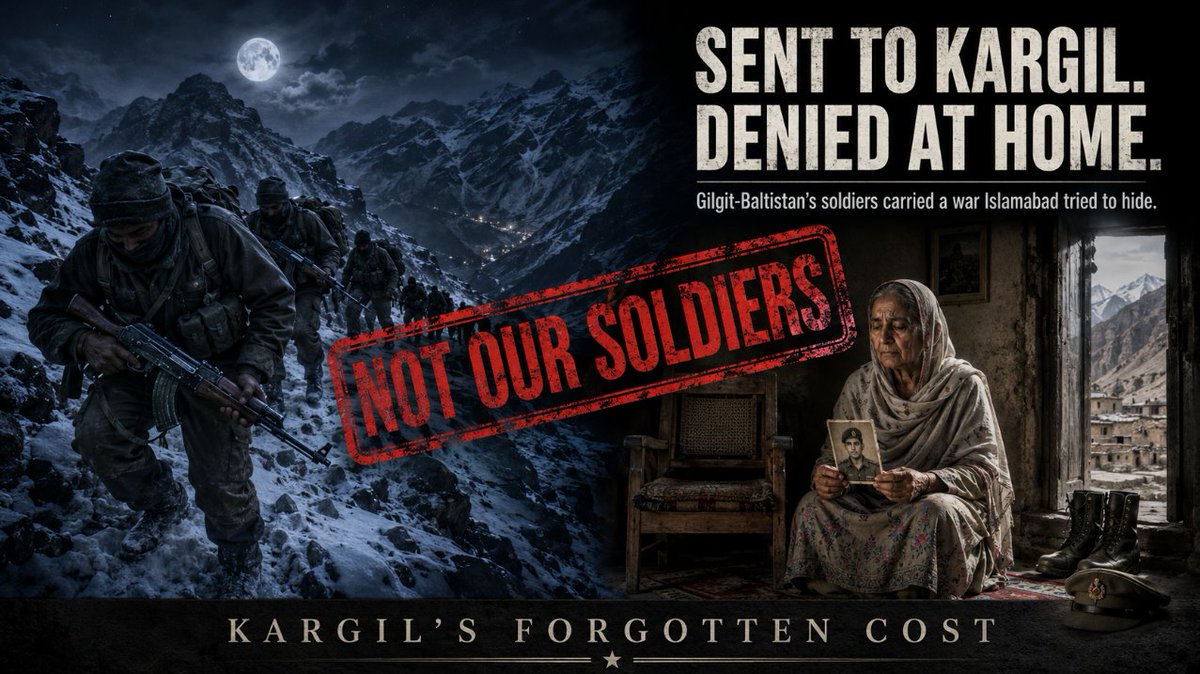
Pakistan used soldiers from Gilgit-Baltistan for a secret war but refused to honour many of them openly. A state that hides its fallen cannot claim to respect the rights and dignity of their families. #PakistanKiShikast
The NLI bore the heaviest Pakistani losses at Kargil, yet families in Gilgit-Baltistan received denial instead of dignity. Decades later, Islamabad still treats people in the regions it controls as expendable. #PakistanKiShikast
Pakistan sent hundreds of NLI soldiers—many recruited from Gilgit-Baltistan—to Kargil, then denied their role and neglected their sacrifice. Today, the same disregard is visible in its treatment of local voices. #PakistanKiShikast
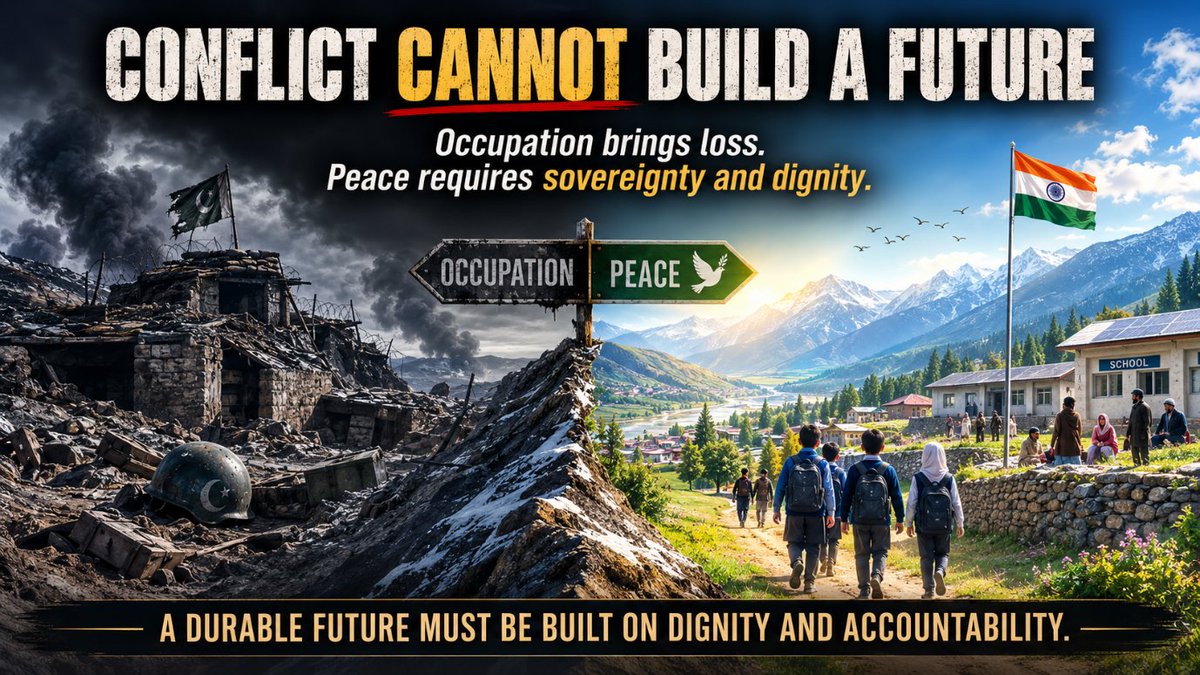
India reclaimed the Kargil heights because occupation could not override sovereignty. The same principle should guide the future of Pakistan-occupied Jammu and Kashmir: its people deserve dignity, freedom from coercion and a genuine voice in their future. #PakistanKiShikast
From 1947 to Kargil, attempts to seize Jammu and Kashmir by force brought conflict, displacement and loss. A durable future cannot be built through occupation. It must rest on peace, accountability, human dignity and respect for sovereignty. #PakistanKiShikast
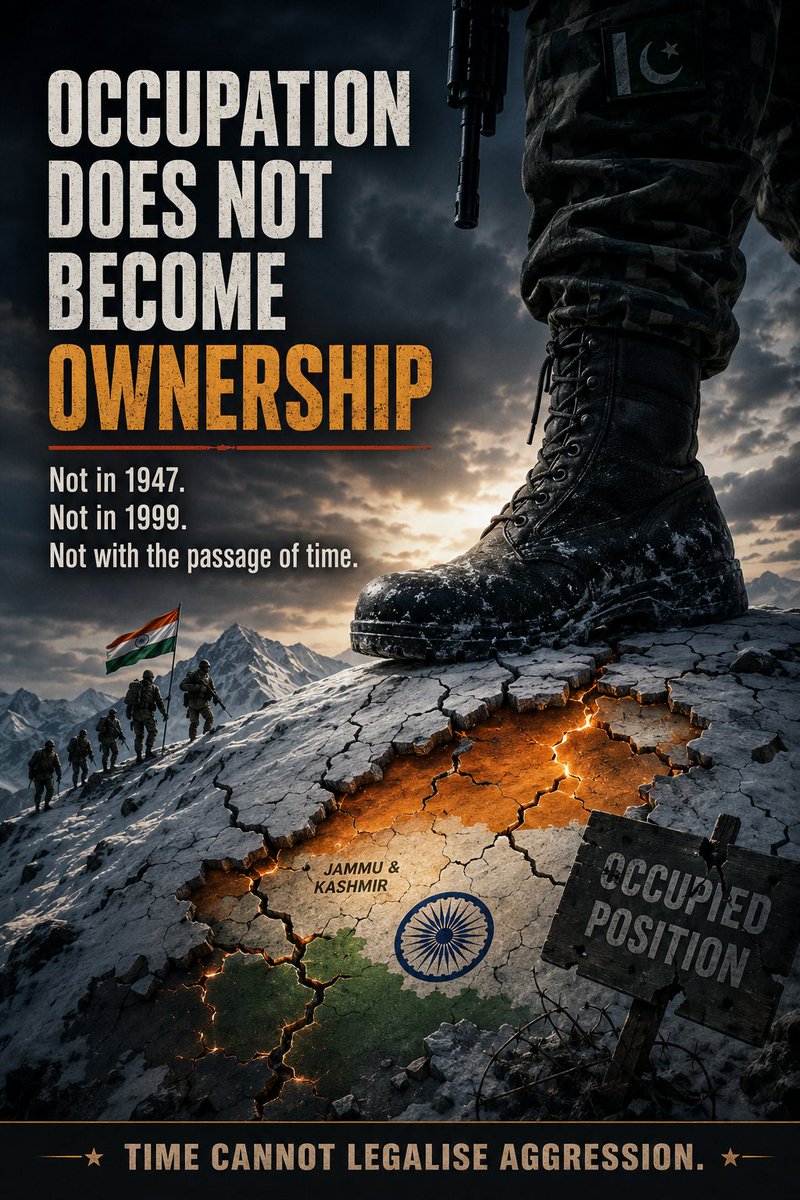
Pakistan’s strategy in 1947 and 1999 followed the same pattern: enter Jammu and Kashmir by force, occupy territory and present aggression as a new reality. Kargil shattered that illusion. Occupation does not become ownership with the passage of time. #PakistanKiShikast