This is getting insane
NFA- DYOR
@papertrade_xyz has been live for ONE WEEK and the numbers are already getting ridiculous
$63M in trader losses
$50M+ to stakers
If these numbers hold, Hyperliquid might have a serious competitor on its hands
The real test is whether this survives the honeymoon phase
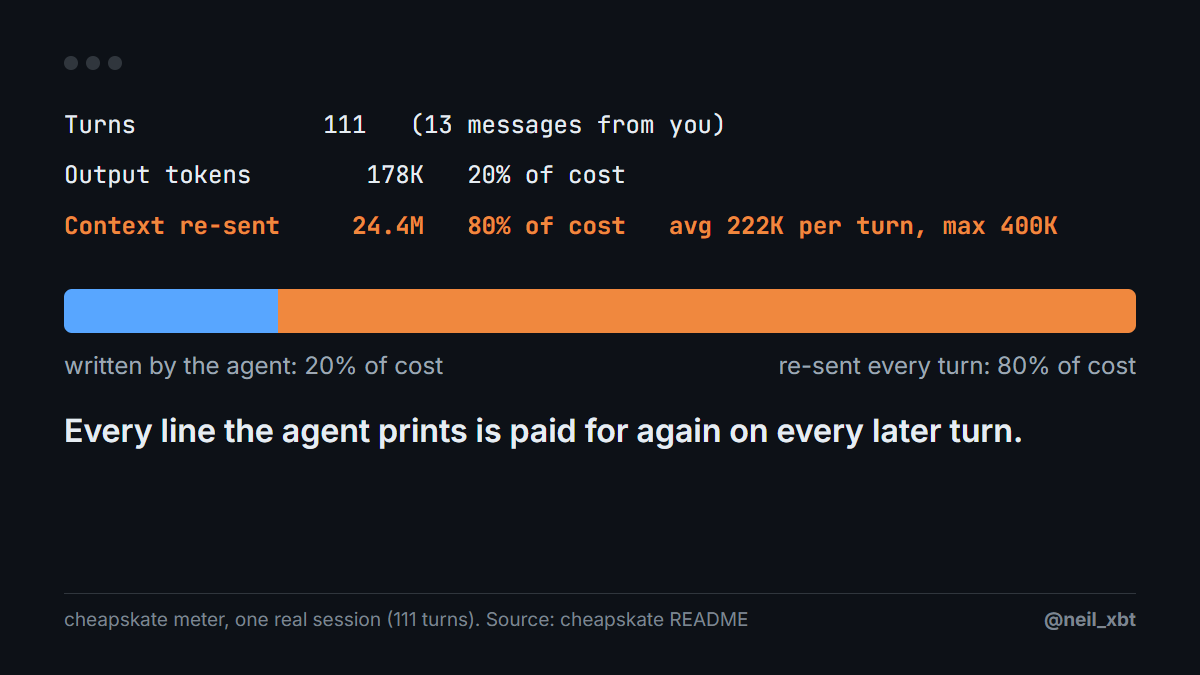
cheapskate's 3 rules that stop an agent PAYING for its own output:
Copy these into your CLAUDE.md or AGENTS.md:
-> Tail, don't cat. Never dump more than 100 lines of command output.
-> Edit, don't rewrite the file.
-> Run the one test, not the whole suite.
Why: every turn re-sends the whole conversation, so every line the agent prints is paid for again on each later turn.
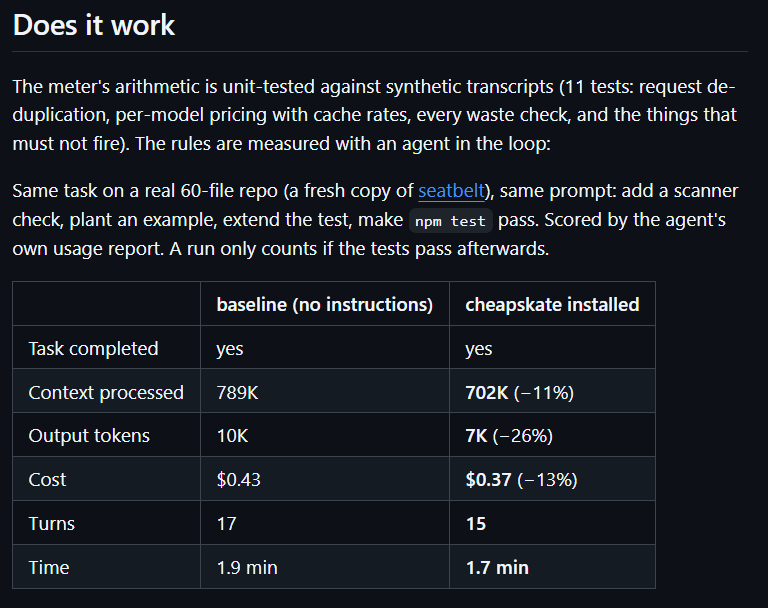
In my A/B test on one 60-file repo, these rules and the rest of the set cut the cost 13% ($0.43 to $0.37).
One task, so test it on yours.
https://t.co/NNM5DcFWFD
Your brief got f**king worse the moment it left your head.
so switch from rereading your own brief to a contractor read before it goes out...
it catches what rereading never will, for the cost of one extra prompt
[here is how to set it up in any agent workflow in one prompt]
1. second prompt → paste the brief → read it as a contractor who has never seen the repo
2. list every question they'd have to ask → mark anything nobody can answer as MISSING
3. ready to go
Full breakdown below.
I've started looking into other hardware wallet options.
One that caught my attention is @Tangem with their seedless model.
But after digging deeper, I have a few concerns.
The seedless concept is interesting. No seed phrase, you can use NFC cards to store your private keys and sign transactions through your phone.
You can have up to 3 cards holding the same keys, so losing your phone or one card doesn't mean losing access to your funds.
My concerns:
1. What if Tangem shuts down?
Tangem uses its own wallet app to interact with the cards.
The app is open-source, and Tangem says transactions don't depend on its servers. So technically, the cards should continue working even if the company disappears.
But what happens 10 years from now if the app is no longer maintained or compatible with newer phones?
Unlike a traditional seed phrase, you can't simply import your seedless Tangem wallet into another hardware wallet.
You're relying on the cards and compatible software to remain usable.
2. What if I lose all my cards?
With a traditional hardware wallet, losing the device isn't a disaster as long as you have your recovery phrase.
With seedless Tangem, losing all your cards means permanently losing access to your funds.
You also can't export the private key as a backup.
Of course, losing your seed phrase and every other copy of your keys would create the same problem with traditional wallets.
But the recovery models are fundamentally different.
3. What if I lose my phone and forget my access code?
Tangem uses Face ID for convenience, but it's not actually tied to your wallet's ownership.
If you lose your phone, you can install the Tangem app on a new one, scan your card, and enter your original Tangem access code.
But what if you forget that code too?
Apparently, Tangem lets you reset it using two cards from the same wallet, as long as access-code recovery hasn't been disabled.
So losing your phone and forgetting your code isn't necessarily a disaster. But this introduces another trade-off.
If someone manages to steal two of your cards, they could potentially reset the access code and access your funds without knowing your original password.
Tangem does offer an optional seed phrase setup, which solves much of the portability concern, but also brings back the risks of managing a seed phrase.
Still exploring alternatives to Ledger and Trezor for long-term cold storage.
Curious if anyone here has been using Tangem or has other recommendations.
You are one paying client away from proving an AI agent can earn, and the code that serves that client is about forty lines of Python.
Ready to copy and paste below. https://t.co/QdWp8kqjqh
AutomationBench rose from 26.9% on Opus 5 to 40.0% on Opus 5.5!
GPT-6 Astra scores 41.4%, so this is not a clean win.
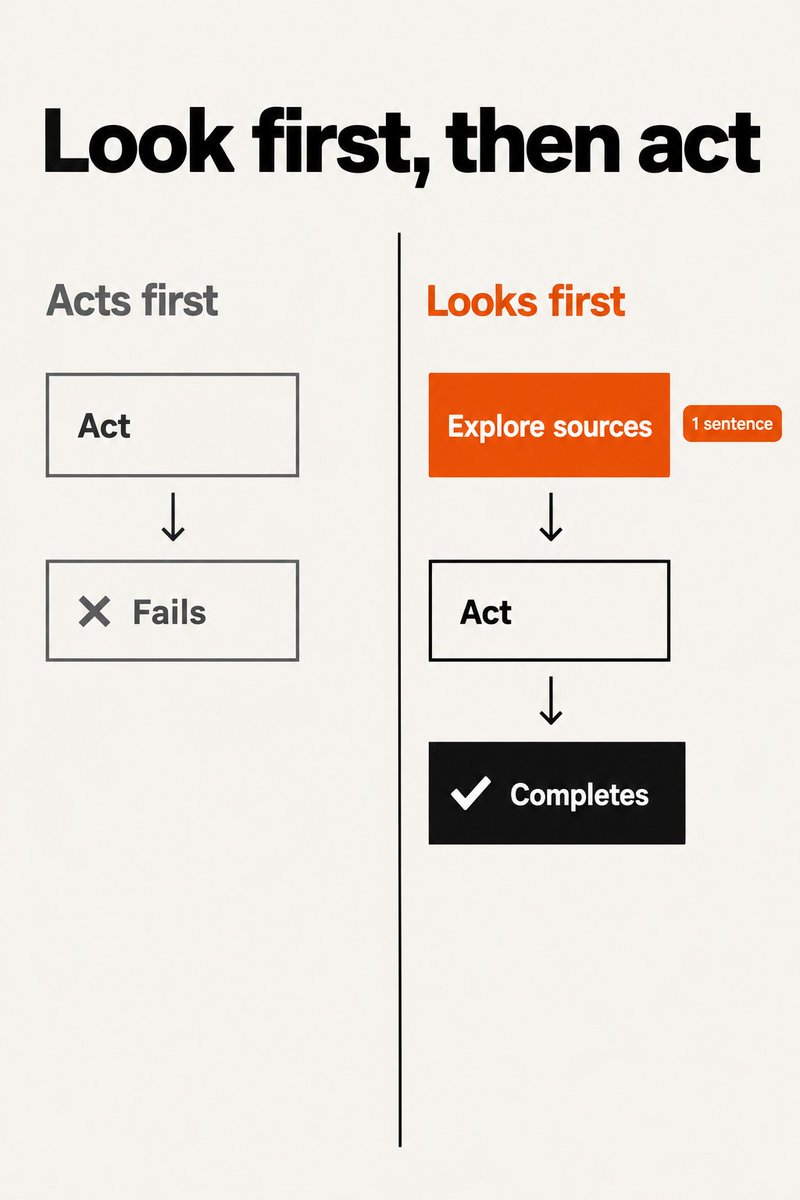
multi-app work still fails the same way. across email, documents, spreadsheets and a CRM, the model acts before it looks around.
Anthropic's guide has a fix that needs no new model: one sentence in the prompt telling it to explore the relevant sources before it acts. Anthropic says that made it complete noticeably more multi-app tasks correctly.
and the sentence cuts both ways. a model told to act on what it finds will act on an injected instruction too, so it only goes at sources you trust.
Which of your sources would you not point it at?
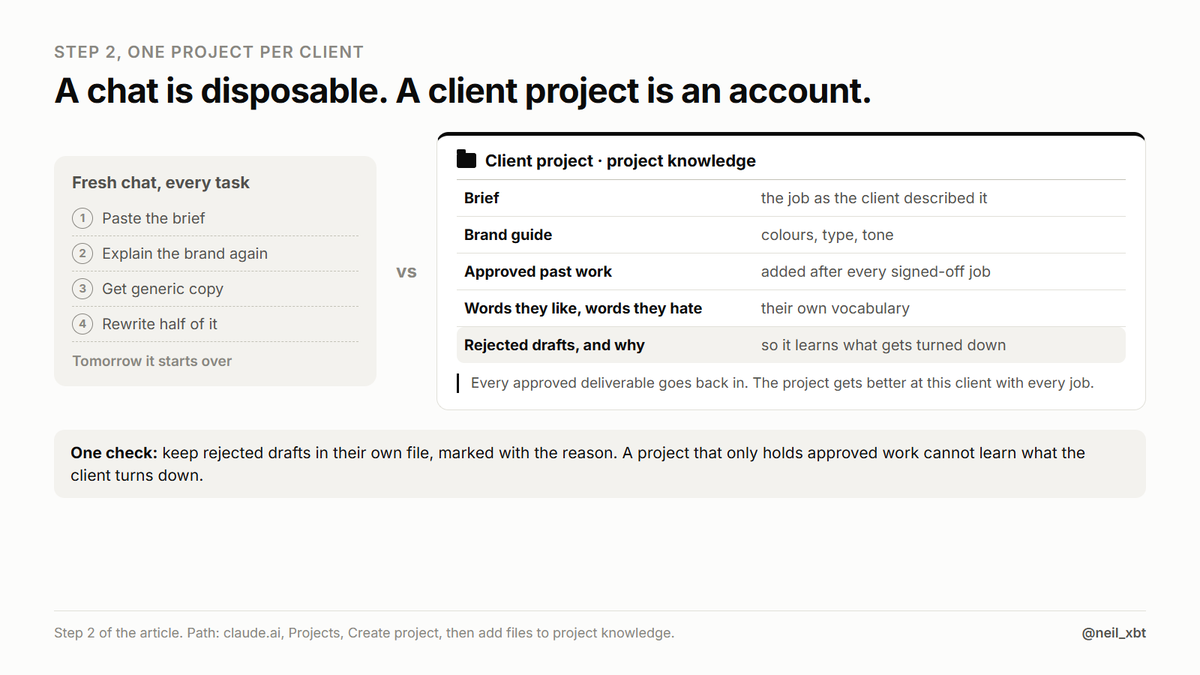
Explaining the brand again got f**king old.
so switch from a fresh chat for every task to one project per client...
it keeps the colours, the type and the tone in view on every task, no re-pasting
[here is how to set it up in minutes]
1. https://t.co/B465MVsS45 → Projects → Create project
2. add files to project knowledge → brief, brand guide, approved past work
Ready to go. Full breakdown in the article below.
I edited one utility file in hono. src/utils/filepath.ts.
shortlist, 756ms later:
RUN 7 of 137 test files (95% skipped)
And a reason on every line. src/hono.test.ts ← imports src/utils/filepath.ts. Same for the logger middleware, the presets, the color util, the dev helper, and the file's own test.
Then the exact command: npx vitest run with those seven paths.
What it follows: imports, re-exports, require, dynamic import(), vi.mock and jest.mock, tsconfig path aliases, workspace package names, Python imports and https://t.co/qaXIR2Zfk6 scope.
What makes it give up and run everything: anything it can't trace. A lockfile, a Node version file, a .go file, the workflow that runs the tests.
A tool that picks tests has one job before speed: say why. Every line has a because.
https://t.co/CUzmenRAhk
A one-person agency in 2026 has five seats!
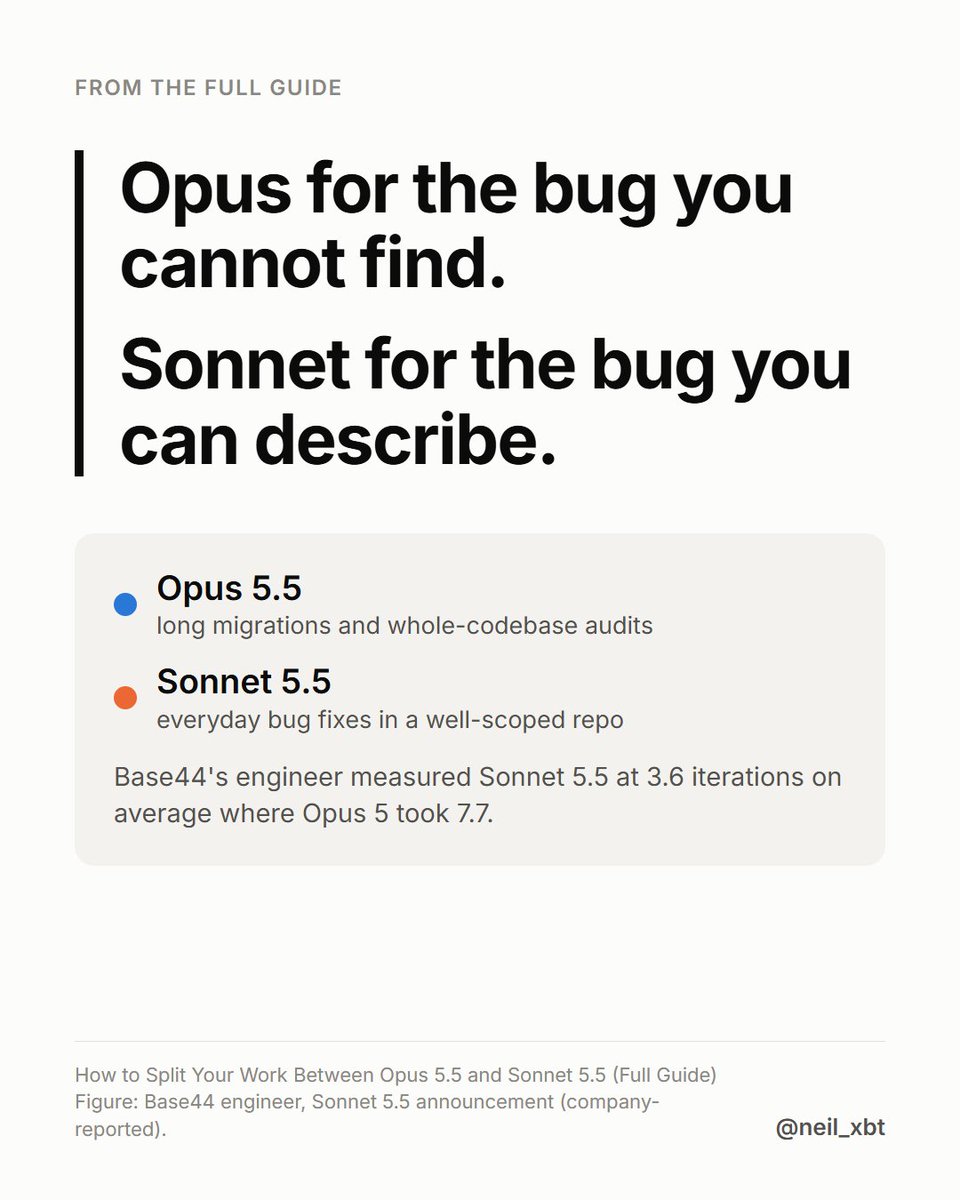
two are Opus 5.5. three are Sonnet 5.5. one human signs off.
Opus scopes the job and reviews the work. Sonnet writes the copy, builds the deck, ships the landing page.
the split matters because the bill does: $20 vs $10 per million output tokens, for professional-work scores of 1846 vs 1844.
the order matters more. skip the signed scope and your reviewer approves a deck missing the one thing the client asked for.
wrote the full setup: 10 steps, the prompts, the subagent files and the effort setting for every seat below.
A client sends a messy email. you do the work. then they ask for a change that was never in scope, and you make it, because nothing written down says otherwise.
That is how a $2,000 job turns into a $6,000 job you were paid $2,000 for.
In this setup the first seat is Opus, and it works before anyone writes a word. it takes the request as sent and returns the deliverables, what done looks like for each one, what is out of scope, and the questions you have to ask the client.
Opus 5.5 is much less likely to state a wrong figure and better at noticing the one detail that does not fit. scoping is judgment.
One rule comes after the scope, and every later step depends on it.
This article has the full breakdown.
Opus on every client task got f**king expensive.
So switch from Opus for everything to Sonnet 5.5 on your production seats...
It lands near the same quality for $0.96 instead of $4.79 and finishes in 10.8 minutes instead of 22.7
[here is how to set it up in claude code, once]
1. .claude → agents → copywriter.md, designer.md, developer.md
2. add model: sonnet, set effort to medium
3. ready to go
I A/B tested my own token-saving skill on a real 60-file repo. It cut cost 13%.
Here is the test, so you can run it on any skill you install:
1. A fresh copy of a real repo for every run. No leftover context.
2. Same task, same prompt, word for word. Mine: add a scanner check, plant an example, extend the test, make npm test pass.
3. Baseline with no instructions, then the skill installed. Nothing else changes.
4. A run only counts if the tests pass afterwards.
5. Score from the agent's own usage report: context, output, cost, turns.
My result, one run each on Sonnet 5:
Baseline: 789K context, 10K output, $0.43, 17 turns.
With the skill: 702K context (-11%), 7K output (-26%), $0.37, 15 turns.
Protocol and raw rows are in the repo.
https://t.co/NNM5DcFoQ5
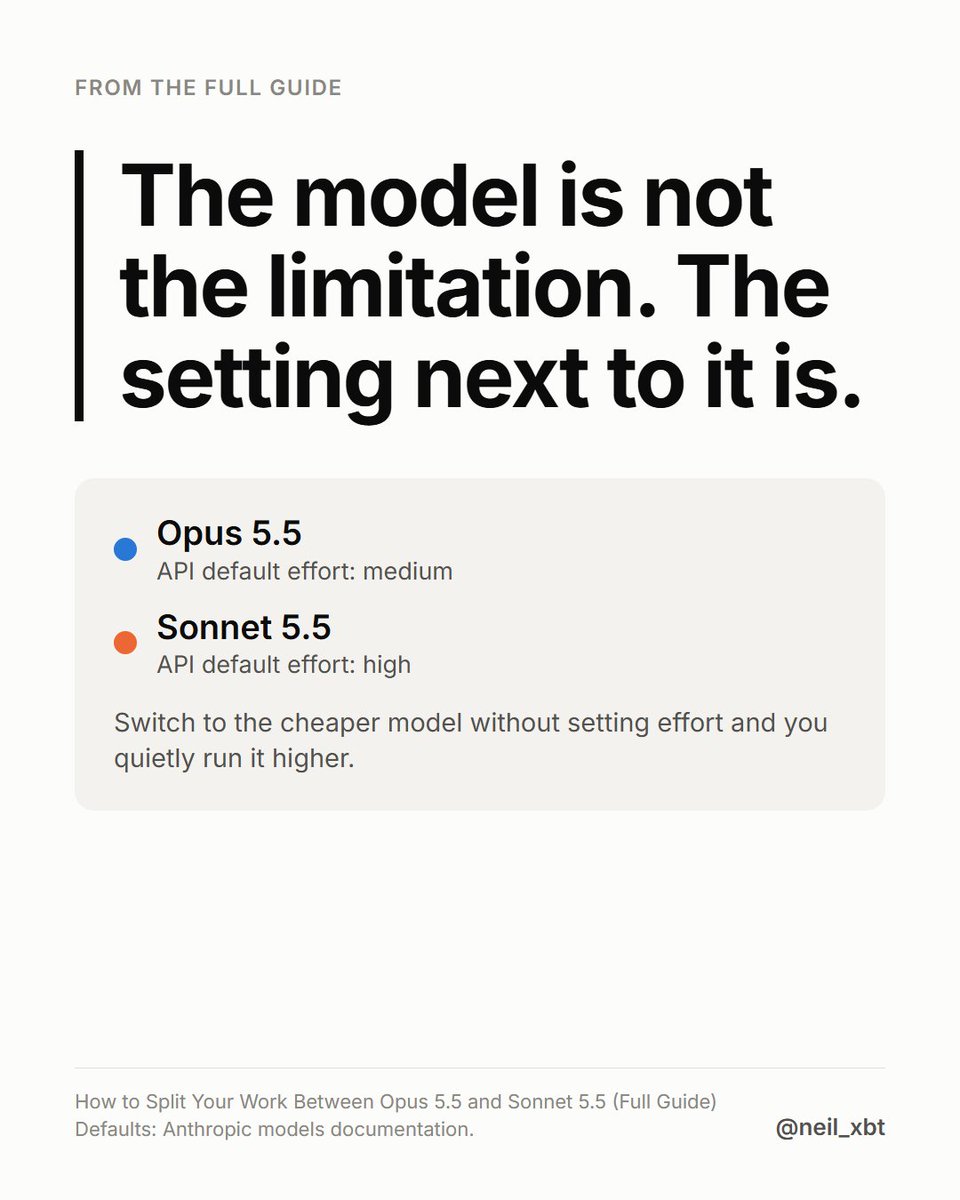
One thing before you start: the two models ship with different defaults!
On the API, Opus 5.5 defaults to medium effort and Sonnet 5.5 defaults to high.
Anthropic's own note says Sonnet complements Opus best at lower effort, and at higher settings the two cost about the same.
So switching to the cheaper model quietly raises your effort level unless you set it.
Every job in the article names its setting before you implement it.
One weekend of setup... this is the best freelance agency setup on X.
1 operating file, 5 seats, 10 steps, all built on Anthropic's own docs
write it once, run every client job through it. https://t.co/o1sSBhETUq
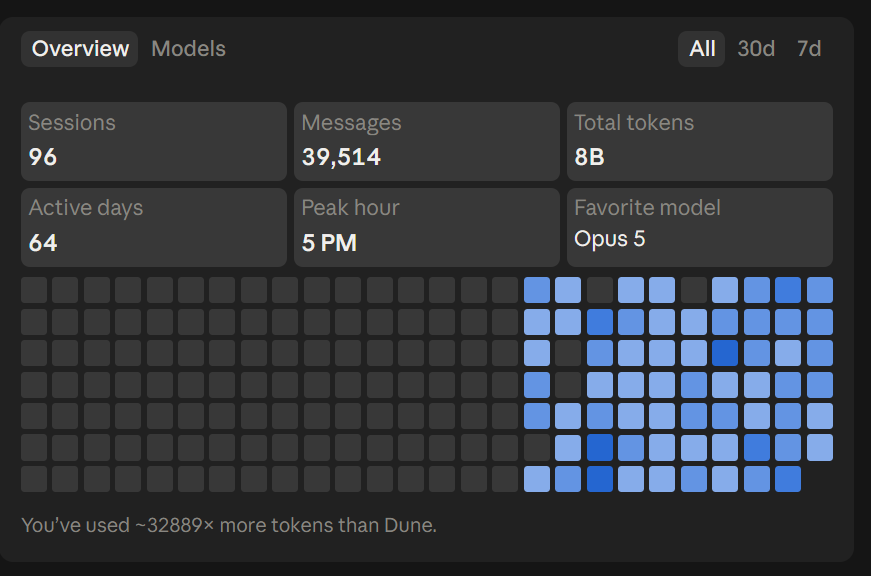
I asked Opus 5.5 to create an explainer video for my usage monitor I built.
Karpathy gave the best advice so I used it.
It is called Monere and free to use on github.
I tend to use mulitple LLMs at a time and this was the best way to track usage across each of them.
The repo is in the replies
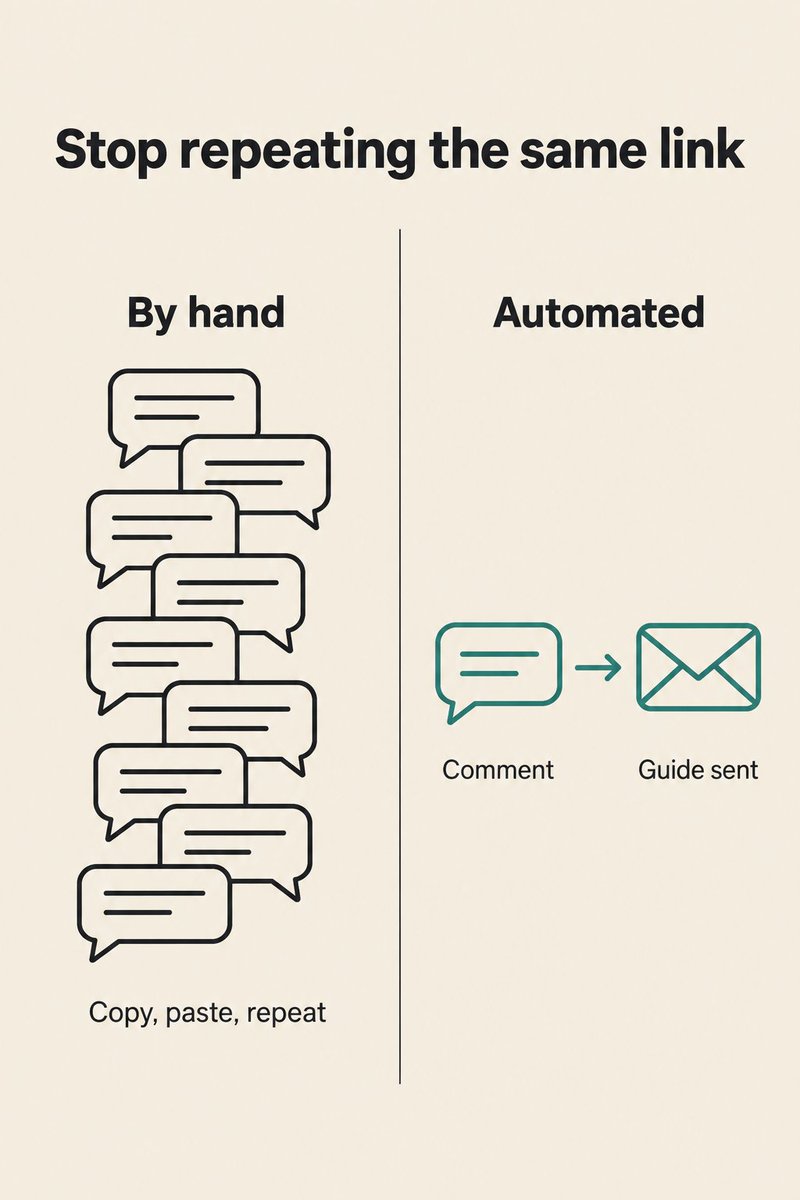
Want your email list to grow from people who already care?
Start with the ones asking for your help.
Sabrina shows how a useful resource can turn a comment into a lead using automation.
Setup once and never miss another opprtunity
The full guide is below