PhD & POSTDOC OPPORTUNITIES: Coral Conservation Genetics (The Helmholtz Institute for Functional Marine Biodiversity)
The Helmholtz Institute for Functional Marine Biodiversity (HIFMB) is a research institute located in Oldenburg. It studies marine biodiversity and its importance for the function of marine ecosystems, the people linked to those ecosystems, and their governance. In doing so, it develops the basis for marine nature conservation and management.
PhD position in population genetics and conservation genomics of corals: The Marine Conservation group of Prof. Dr. Iliana Baums at HIFMB is looking for a PhD student to study the population genetics and conservation genomics of reef building corals in the Caribbean. Populations of reef-building corals have declined dramatically and the Baums lab in collaboration with international restoration and academic partners in Belize, Honduras, the USA, Curacao, Mexico and the Dominican Republic are working together to develop population management tools for these species.
Application deadline 15th February 2026
See here: https://t.co/YU3EDIv4Oe
Postdoc in coral population genomics and conservation genetics: The Marine Conservation group of Dr. Iliana Baums (https://t.co/GW75PWlJlF), Helmholtz Institute for Functional Marine Biodiversity (HIFMB), seeks a postdoc to study population genomics and conservation genetics of reef-building corals in the Caribbean. HIFMB is a cooperation between the University of Oldenburg (UOL) and the Alfred Wegener Institute Helmholtz Centre for Polar and Marine Research (AWI) and has strong ties to regional institutions, including the Max Planck Institute for Marine Microbiology (Bremen), MARUM (University of Bremen), and the Leibniz Centre for Tropical Marine Research (Bremen). HIFMB is located in Oldenburg, Northern Germany, a hub for environmental and marine research. The institute brings together experts from 18 countries and provides state-of-the-art wet-lab and computational facilities.
Application deadline 22nd February 2026
See here: https://t.co/onm9ZPiHrt
*If you like our content, please consider supporting our work by subscribing to our YouTube channel! https://t.co/INE4Si0jZW
#coralreefs #coralgenetics #phd #postdoc #conservationgenetics #coral #coralreefecology #coralreef #coralscience #genetics #marinebiology
New Postdoc and PhD positions open for coral population genetics in @TheBaumsLab
Come join us in Oldenburg! Applications due February 15th (PhD) and 22nd (PostDoc)
PostDoc: https://t.co/nFSkpSuKdy
PhD: https://t.co/x3KvJcNzDE
Engelberts et al. introduce GenomeFISH: a genome-based fluorescence in situ hybridization method that couples high-throughput single cell genomics with whole genome hybridization for strain-level visualization of microbial communities
🔗https://t.co/nTFpiskv65
#microbes#imaging
In #Microbiome
🚨Assessing the potential of #seawater#microbes to be used as indicators of #reef health🦠🪸
📢Functional info in reef-associated seawater microbes more robustly associates with physico-chemical variables than #taxonomic data🌊🪸
👉https://t.co/57wDjtadqg
New PostDoc opportunity in coral genomics and conservation genetics! Come join the Marine Conservation group (@TheBaumsLab) at @HIFMB_OL in Oldenburg!!! 🪸🧬🔬
https://t.co/xFH31be0oL
Microbes guide corals looking to find a home
@TrendsMicrobiol Spotlight by David G. Bourne et al
on the @ISMEComms paper by @SharkMicrobe et al
https://t.co/AZvAdvnDfm
The first chapter of my PhD has just been published!
🪸🐌🦀🪸
I looked at the efficacy of different microherbivores in coral recruit aquaculture, and found that both snails and urchins can match aquarists in maintaining recruits!
#RRAP#ReefTrust
https://t.co/c0cq76nSpN
New paper led by @SharkMicrobe interrogating marine biofilms using co-occurrence networks to identify microbial inducers of coral larval settlement to help support reef restoration!
@ace_uq @UQscience @NWebster_Micro Miguel Lurgi
Ever wonder about coral larval settlement? Microbial biofilms?
Sprinkle in a little network analysis and I got a new paper for you 🪸🧬
https://t.co/pInrboTlLW
@SharkMicrobe’s paper on microbial drivers of coral settlement is out! Using co-occurrence networks she identified taxa associated with high and low coral settlement, vital knowledge to help us understand drivers of coral recruitment.
🪸🦠❤️👩🏼🔬
https://t.co/7zaWXr1fJl
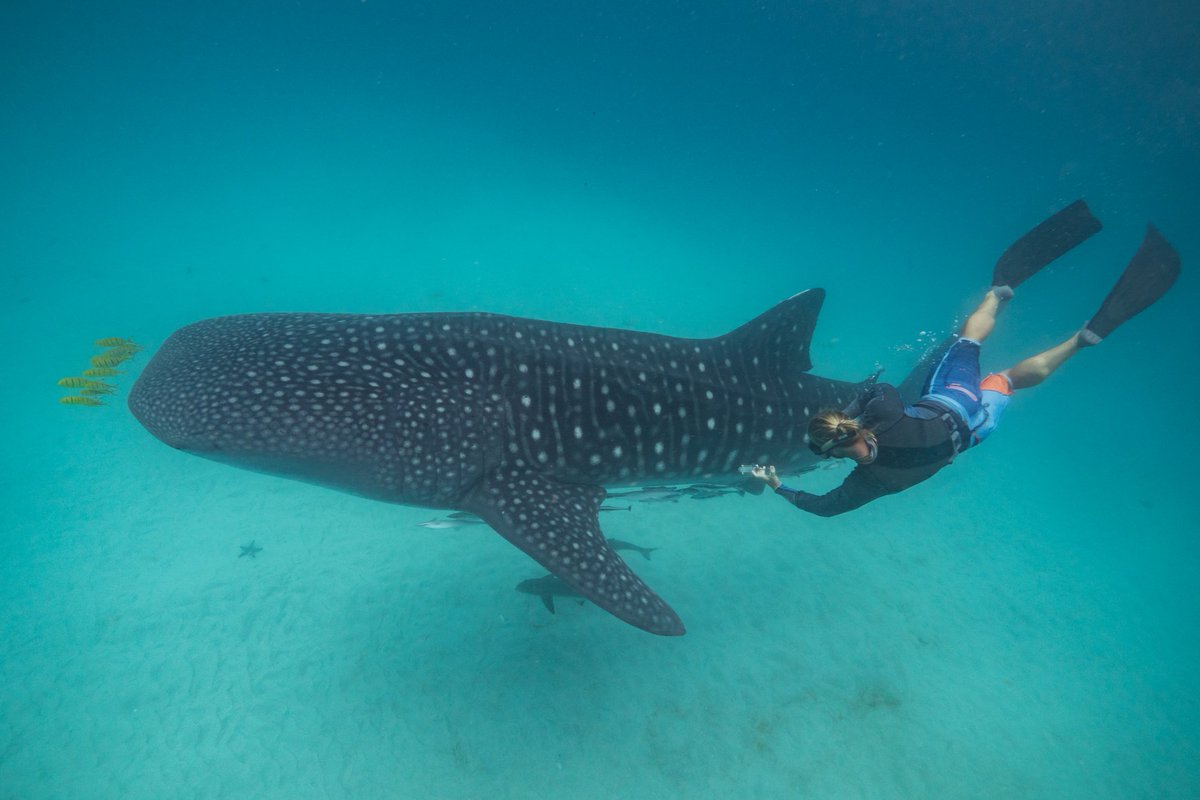
New paper alert! Whale sharks, microbes, and global microbiome patterns!
https://t.co/tljfrYUHiI
Microbial network patterns described from the skin of whale sharks around the world suggest a fundamental feature of the skin microbiome.
Photo credit: Dr. Chris Rohner