23% of trading businesses reported turnover had decreased in Mar 2026 compared to the previous month.
Economic uncertainty remained the most reported challenge affecting turnover for businesses in early Apr 2026 (35%), the highest proportion since the question was introduced.
Australia’s government touted the country’s ability to supply LNG reliably as global energy markets are roiled by the Middle East conflict, while calling on trading partners to boost investment in its gas resources https://t.co/ZfJtemtPfQ
Exclusive: Zambia, Africa’s second-biggest copper producer, will use larger-than-expected mining revenues to start a stabilization fund this year, a senior treasury official said https://t.co/7avZl7OFb2
JP Morgan said late on Sunday it expects demand from central banks and investors to drive gold prices to $6,300 per ounce by year-end. https://t.co/jWH71pwVIK
Chinese President Xi Jinping’s pledge to curb financial risks and build a powerful currency with global reserve status, reiterated in a state publication, is boosting expectations of an accelerated push for yuan internationalization https://t.co/sFnFwnvC4x
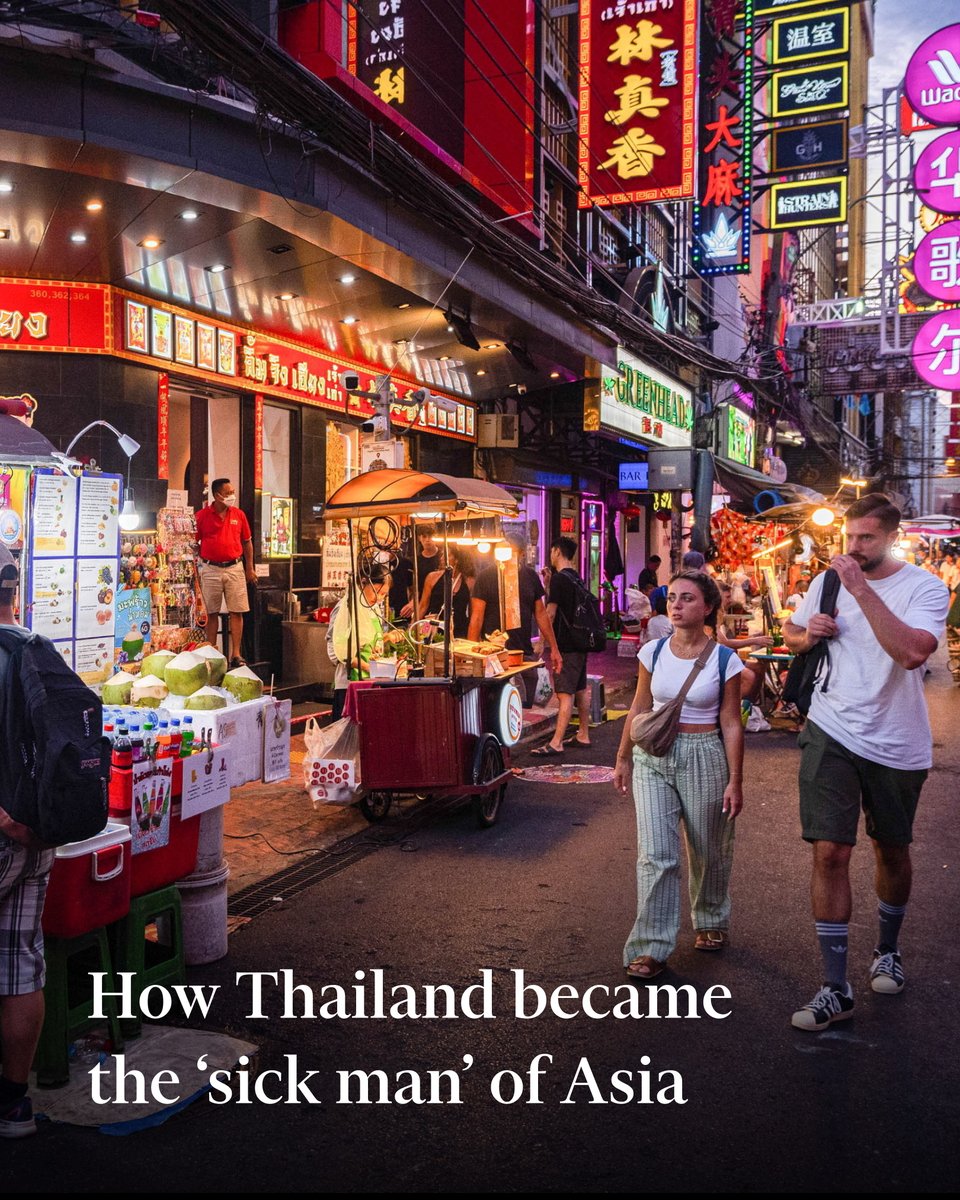
Once a regional tiger economy, the country has been stuck at about 2% growth for the past five years, with its pivotal drivers of consumption, manufacturing and tourism all in decline. https://t.co/CKFEu8YI3V
Brazil holds nearly a quarter of the world’s known deposits of rare earths, second only to China. It could help the world out of a tight geopolitical bind https://t.co/R7chZ7XIN7
India plans to spend 12.2 trillion rupees on infrastructure in the next financial year, up about 9% from last year, as Narendra Modi’s government accelerates an overhaul of transport and logistics networks. https://t.co/xdhR2MH4wC
Gold jumped to a record high and stocks fell on Monday after Donald Trump’s pursuit of Greenland threatened to reignite a trade war with Europe and left transatlantic relations facing their gravest crisis in years.
Follow our live blog for more: https://t.co/oyAFjoHTsz
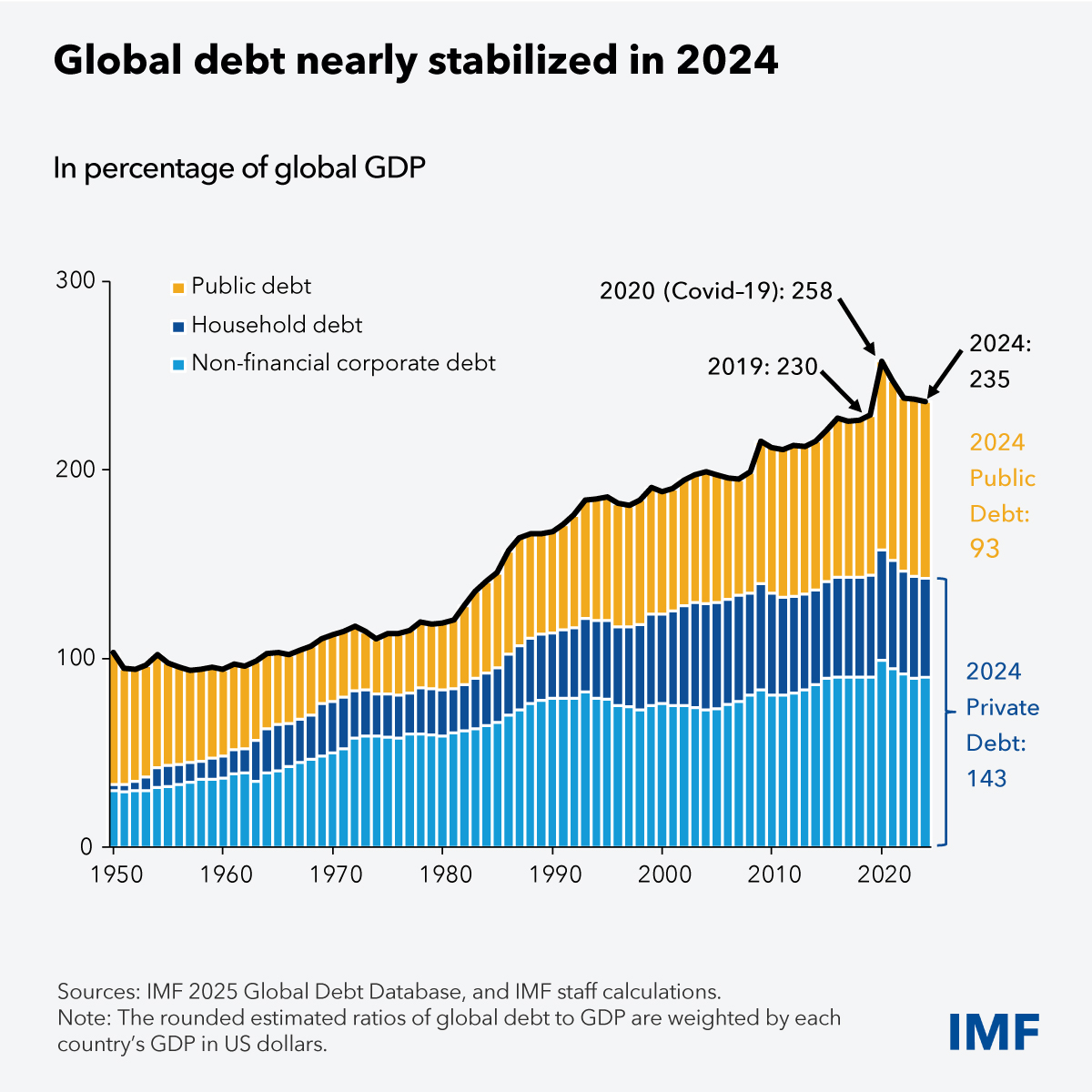
Global debt remains above 235% of world GDP, with private sector lending declining and public borrowing rising. Notable differences persist across countries and income groups. Read more in the IMF’s new Global Debt Database.https://t.co/8X9HXOPryf
Around 80% of tariff receipts come from Chinese firms, with smaller amounts from BMW, MINI, Tesla, Volvo, and other companies producing EVs in China. This revenue is non-trivial, as it represents over 1% of the EU’s annual budget
https://t.co/pjkjM7xm0g
Multinational companies (MNCs) are at the heart of two key globalisation trends: the fragmentation of production and the internationalisation of innovation.
https://t.co/CNjGB1BYAG
Despite decades of development research, policy, and progress, the world’s poorest countries still produce between 30 and 50 times less output per worker than the richest ones. What makes some countries so much poorer than others?
https://t.co/R7JS6obZC3